
Many people pass by a Manhattan vein clinic on their daily commute and wonder, “What actually happens in there?” Unless you are actively experiencing leg pain or noticing visible changes in your skin, vein clinics might seem like a niche medical specialty that doesn’t apply to you. However, vein treatment centers are vital hubs of vascular health, addressing conditions that affect millions of Americans every year.
A dedicated vein center is not just about cosmetic improvements for spider veins; it is a comprehensive medical facility designed to diagnose, treat, and manage a wide array of circulatory issues. From chronic venous insufficiency to complex arterial conditions, these centers provide life-changing relief for patients suffering from heavy, swollen, or painful legs.
If you have been searching for a vein specialist near me or wondering if your symptoms warrant a visit, this guide will walk you through exactly what a vein treatment center treats and why seeking specialized care is crucial for your long-term health.
For those interested in learning more about advanced treatments and comprehensive care options, you can explore detailed information on Manhattan vein treatment here.
Understanding the Role of a Vein Specialist
Before diving into specific conditions, it is important to understand who is treating you. A vein treatment center is typically led by a board-certified vascular specialist. Unlike a general practitioner, a vein specialist in Manhattan has undergone extensive training specifically in the vascular system—the complex network of veins and arteries that carry blood throughout your body.
These doctors possess deep expertise in hemodynamics (blood flow) and use advanced diagnostic tools to pinpoint the root cause of your symptoms. Whether you are looking for the best vein doctor near me to treat aesthetic concerns or a chronic vein condition specialist near me to handle serious circulatory issues, a dedicated center offers a level of precision that general medicine cannot match.
Why Choose a Specialized Vein Center?
Vein disease is often progressive. What starts as a small, cosmetic annoyance can evolve into a significant health issue if left untreated. Specialized centers offer:
- Accurate Diagnosis: Using technology like Duplex Ultrasound to visualize blood flow.
- Minimally Invasive Treatments: Modern procedures rarely require hospital stays or general anesthesia.
- Comprehensive Care: Treatment plans that address both the cosmetic appearance and the underlying medical cause.
If you are looking for vein care treatment in Manhattan, visiting a specialist ensures you receive the most up-to-date therapies available.
The Most Common Condition: Varicose Veins
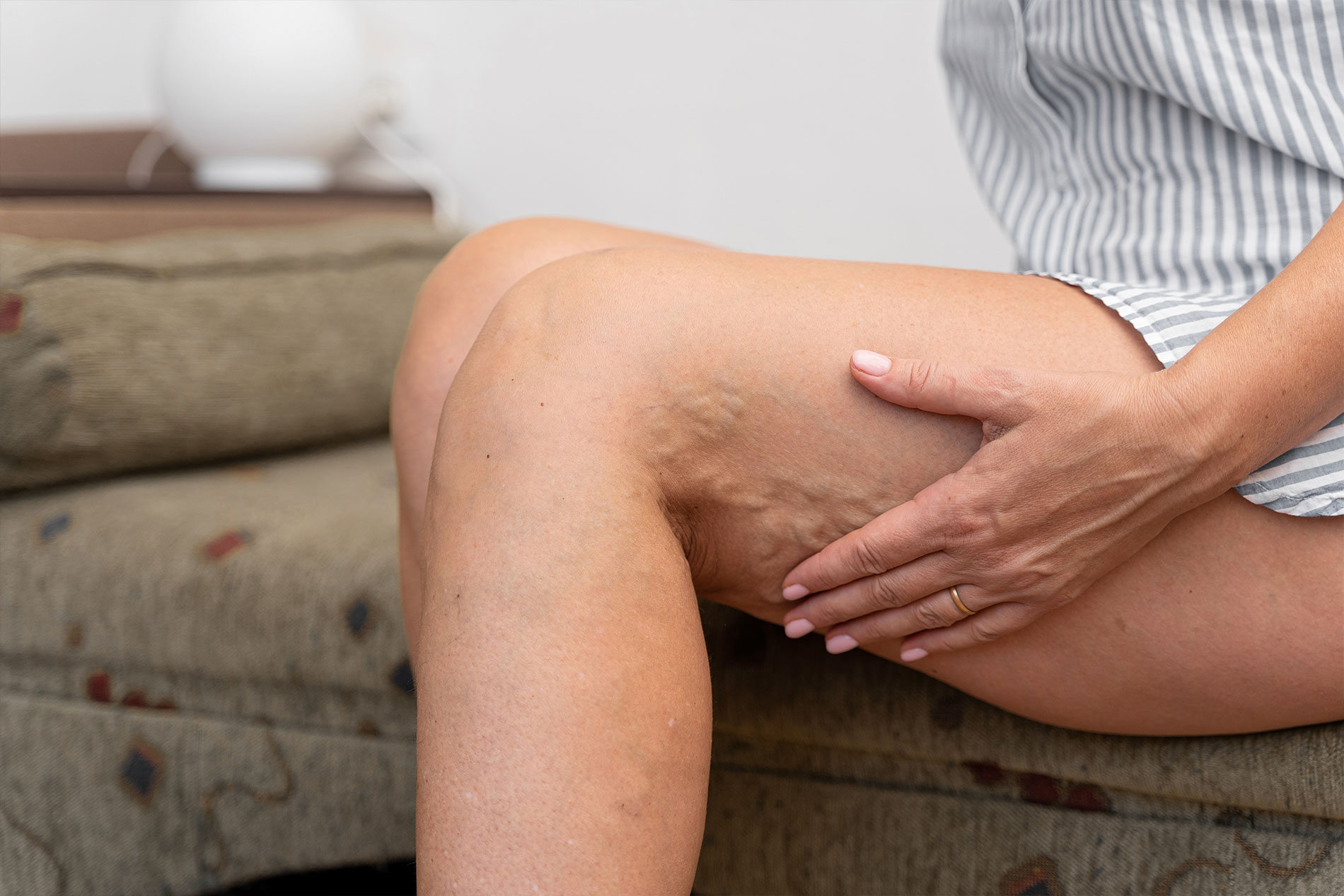
When people think of vein clinics, they usually think of varicose veins. These are the enlarged, twisted, and often rope-like veins that appear most commonly on the legs. They are caused by weakened valves within the veins that fail to push blood back up to the heart against gravity. This causes blood to pool, leading to the bulging appearance.
However, a varicose vein doctor in Manhattan treats more than just the visible bulge. Varicose veins are often a sign of underlying Chronic Venous Insufficiency (CVI).
Symptoms Beyond the Bulge
Patients often seek vein treatment near me because they dislike the look of their legs, but varicose veins can also cause physical symptoms, including:
- Aching or throbbing pain.
- Muscle cramping.
- Itching around the vein.
- Leg swelling and veins feeling heavy or tired.
Ignoring these signs can lead to more severe complications, such as skin discoloration or ulcers. Learn more about varicose vein treatments here.
Spider Veins: More Than Just Cosmetic
Spider veins are smaller, thread-like veins that appear on the surface of the skin, often looking like a spider web or tree branches. They are typically red, blue, or purple. While often dismissed as purely cosmetic, they can sometimes indicate a deeper venous reflux issue.
At a Manhattan vein clinic, treatment for spider veins is quick and effective. Techniques like sclerotherapy involve injecting a solution directly into the vein, causing it to collapse and eventually fade away. This restores the skin’s clear appearance and can boost self-confidence significantly.
Chronic Venous Insufficiency (CVI)
This is the “engine” driving many vein problems. CVI occurs when the vein walls and valves in the leg veins are not working effectively, making it difficult for blood to return to the heart from the legs. CVI causes blood to “pool” or collect in these veins, and this pooling is called stasis.
If you are experiencing persistent vein symptoms in legs such as heaviness, swelling (edema), or skin changes, a vein specialist near me will likely test you for CVI. Treating CVI is the core function of most vein centers because fixing the underlying flow prevents the recurrence of surface issues like varicose and spider veins.
Leg Swelling and Lymphedema
Leg swelling and veins often go hand-in-hand. However, swelling isn’t always just about blood. It can sometimes involve the lymphatic system. A comprehensive vein center can distinguish between venous edema (swelling caused by vein disease) and lymphedema (swelling caused by a blockage in the lymphatic system).
Proper diagnosis is critical here. Treating lymphedema requires different protocols than treating venous insufficiency. By visiting a chronic vein condition specialist near me, you ensure that the swelling is categorized correctly and treated with the right compression therapies or procedures.
Deep Vein Thrombosis (DVT)
One of the most serious conditions treated and monitored by vascular specialists is Deep Vein Thrombosis (DVT). This occurs when a blood clot forms in one of the deep veins of the body, usually in the legs.
Why DVT is Dangerous
If a clot breaks loose, it can travel through the bloodstream and lodge in the lungs, causing a pulmonary embolism, which can be life-threatening.
Symptoms of DVT
- Sudden vein pain or tenderness in one leg.
- Significant swelling in the affected leg.
- Warmth over the painful area.
- Redness or discoloration.
If you suspect DVT, you need immediate medical attention. Follow-up care and long-term management of clot risks are often handled by a vein specialist in Manhattan to prevent Post-Thrombotic Syndrome, a chronic condition causing long-term pain and swelling.
Venous Ulcers and Skin Changes
Advanced vein disease can damage the skin on the lower legs. When blood pools in the legs for a long time, the increased pressure and fluid leakage can cause the skin to become discolored (stasis dermatitis) or harden (lipodermatosclerosis).
In severe cases, wounds known as venous leg ulcers can form. These are open sores that are slow to heal due to poor circulation. A vein care treatment Manhattan center treats these ulcers not just with wound care, but by fixing the broken veins causing the pressure. Once the venous reflux is corrected, the ulcer can finally heal.
Hand and Facial Veins
While legs are the primary focus, many patients seek a Best vein doctor near me for help with unsightly veins on the hands, face, or chest.
- Hand Veins: Aging causes skin to thin and lose fat, making hand veins bulge and look prominent. Treatments can restore a more youthful appearance to the hands.
- Facial Veins: Visible veins around the nose and eyes are common and can be treated safely with laser therapies or fine-needle sclerotherapy.
Peripheral Arterial Disease (PAD)
While “vein” is in the name, many comprehensive centers like Fox Vein Care also treat arterial conditions. Peripheral Arterial Disease (PAD) is a circulatory condition in which narrowed blood vessels reduce blood flow to the limbs.
Unlike vein issues where blood is trapped in the legs, PAD means blood struggles to get to the legs.
Symptoms include:
- Painful cramping in the hips, thighs, or calves when walking (claudication).
- Leg numbness or weakness.
- Coldness in the lower leg or foot.
- Sores on toes specifically that won’t heal.
Because the symptoms of PAD and vein disease can overlap (both cause leg pain), seeing a vein specialist near me who understands both systems is vital for an accurate diagnosis. Learn more about PAD treatment here.
Pelvic Congestion Syndrome
Vein issues are not limited to the legs. Pelvic Congestion Syndrome (PCS) is a cause of chronic pelvic pain caused by varicose veins in the lower abdomen and pelvis. It is similar to varicose veins in the legs but occurs internally.
Women with PCS often experience a dull, aching pain in the pelvic area, which can worsen after standing for long periods. A specialized Manhattan vein clinic can diagnose this often-overlooked condition using advanced imaging and treat it with minimally invasive embolization techniques.
Musculoskeletal Pain Linked to Vascular Health
Surprisingly, some vein and vascular centers treat pain that feels like joint or muscle pain. For example, chronic knee pain is often attributed solely to arthritis. However, vascular issues can contribute to inflammation in the knee.
Procedures like Genicular Artery Embolization (GAE) are innovative treatments offered at advanced centers. This procedure reduces the blood flow to the inflamed lining of the knee, providing significant pain relief for osteoarthritis patients who want to delay or avoid knee replacement surgery. Read more about Genicular Artery Embolization here.
Diagnostic Services: The First Step to Treatment
A major component of what a vein center “treats” is actually the diagnostic process. You cannot treat what you cannot see. Vein centers are equipped with vascular labs that perform:
- Duplex Ultrasound: The gold standard for diagnosing vein disease. It uses sound waves to create images of the veins and measure the speed and direction of blood flow.
- Ankle-Brachial Index (ABI): A quick test to check for PAD by comparing blood pressure in the ankle to the arm.
When you search for Vein treatment near me, you are looking for a facility that doesn’t just guess at your condition but visualizes it before touching you.
Minimal Invasive Treatments Offered
Modern vein centers have moved away from “vein stripping,” a painful and invasive surgery of the past. Today, a Varicose vein doctor in Manhattan utilizes minimally invasive technologies such as:
Endovenous Laser Therapy (EVLT)
This treatment uses laser energy to close off the damaged vein. A thin fiber is inserted into the vein under ultrasound guidance. The laser heat seals the vein shut, and the body naturally reroutes blood to healthy veins.
Sclerotherapy
As mentioned regarding spider veins, this involves injecting a chemical sclerosant into the vein to irritate the lining and cause it to close. It is the gold standard for smaller veins.
Ambulatory Phlebectomy
For larger bulging veins close to the surface, a doctor may make tiny, pinhole incisions to physically remove the vein segments. No stitches are usually required, and the cosmetic result is immediate.
VenaSeal
This is a “medical superglue” specifically designed for the body. It seals the diseased vein shut without the need for heat energy, often reducing the need for multiple numbing injections.
When Should You Visit a Vein Specialist?
You do not need to wait until your legs are covered in ropes of veins to see a doctor. You should search for a vein specialist near me if you experience:
- Vein pain that limits your activity.
- Legs that feel heavy or restless at night.
- Swelling that gets worse as the day goes on.
- Itchy skin over veins.
- Sudden appearance of a cluster of spider veins.
- Any non-healing sore on the leg or ankle.
Early intervention is key. Treating vein symptoms in legs early can prevent the permanent skin damage associated with advanced venous disease.
Finding the Right Vein Specialist in Manhattan
Living in a city like New York, you have options. However, not all clinics are created equal. When searching for a Manhattan vein clinic, look for:
- Board Certification: Ensure your doctor is a vascular surgeon or certified vein specialist.
- Comprehensive Services: A clinic that treats both spider veins and complex venous insufficiency.
- Advanced Technology: They should have ultrasound and laser capabilities on-site.
- Patient Reviews: Look for feedback regarding their bedside manner and results.
Dr. David Fox at Fox Vein Care, for example, brings over 20 years of experience to his practice, offering a blend of expert surgical skill and minimally invasive techniques. Meet the team and learn about Dr. Fox here.
Conclusion: Take the First Step Toward Relief
A vein treatment center treats far more than just “ugly” veins. They are medical facilities dedicated to restoring proper circulation, relieving chronic pain, and preventing serious health complications like ulcers and clots. Whether you are dealing with minor spider veins or debilitating varicose veins, modern medicine offers quick, effective solutions with little to no downtime.
Do not let vein pain or leg swelling and veins dictate your lifestyle. If you are experiencing symptoms, it is time to consult a Best vein doctor near me. By addressing these issues now, you invest in your future mobility, comfort, and confidence.
If you are ready to explore your options for vein care treatment in Manhattan, reach out to a specialist today. Your legs carry you through life—they deserve expert care.
Schedule your consultation at Fox Vein Care today.
Key Takeaways
- Vein centers treat medical conditions like Chronic Venous Insufficiency, not just cosmetic issues.
- Symptoms like heavy legs, swelling, and itching often indicate underlying vein disease.
- Modern treatments are minimally invasive, requiring no hospital stay.
- Vascular specialists also treat DVT, PAD, and sometimes vascular-related knee pain.
- Early diagnosis via ultrasound prevents long-term complications like ulcers.
Frequently Asked Questions
Does insurance cover vein treatment?
Many treatments for varicose veins and chronic insufficiency are covered by insurance if they are deemed medically necessary (i.e., causing pain or symptoms). Cosmetic treatments for spider veins are typically not covered.
Is vein treatment painful?
Most modern procedures performed by a vein specialist in Manhattan involve minimal discomfort. Local anesthesia is used, and most patients walk out of the office immediately after treatment.
How do I find a Vein specialist near me?
Look for board-certified vascular surgeons or diplomates of the American Board of Venous and Lymphatic Medicine. Check for clinics that offer on-site diagnostic testing.
Can bulging veins come back after treatment?
Treated veins are permanently closed or removed. However, because vein disease can be chronic, new veins may develop over time. A chronic vein condition specialist near me will help you manage your vascular health long-term to minimize recurrence.
Leading Manhattan Vascular & Vein Specialist
At Fox Vein Care, we provide state-of-the-art vascular and venous treatments, combining advanced diagnostic technology with minimally invasive procedures that prioritize comfort, safety, and outstanding results.
Contact Us