When you notice the first signs of vein trouble—perhaps aching legs after a long day, slight swelling in your ankles, or the faint web of spider veins—it’s natural to wonder what you can do at home to stop it. The internet is filled with advice on diet, exercise, and home remedies. This leads to a critical question many people ask: can lifestyle changes cure vein disease? While a healthy lifestyle is incredibly powerful for managing symptoms and slowing progression, it’s essential to have a realistic understanding of what it can and cannot achieve.
The truth is, once the valves inside your veins are damaged, lifestyle changes alone cannot “cure” the underlying mechanical problem. However, they are a vital part of any comprehensive treatment plan. Proactive changes can significantly alleviate discomfort, reduce the visibility of bulging veins, and prevent the condition from worsening. This guide will explore the powerful role of lifestyle modifications in managing vein disease, explain why they are not a substitute for professional medical care, and detail when it’s time to consult a varicose vein doctor in Manhattan for definitive treatment.
Understanding the Root of Vein Disease
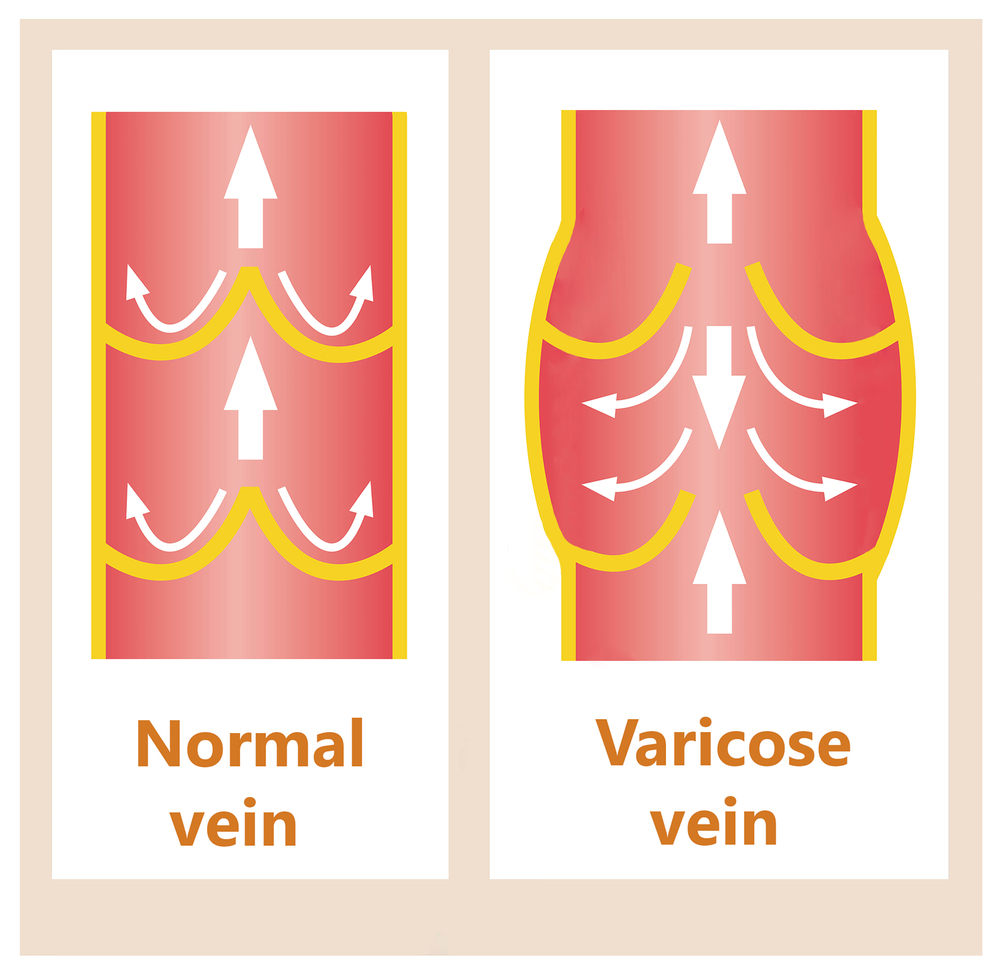
To appreciate the impact of lifestyle changes, we first need to understand what causes vein disease, medically known as Chronic Venous Insufficiency (CVI). Your leg veins contain a series of one-way valves designed to help push blood upward toward the heart, fighting against gravity. CVI occurs when these valves become weak or damaged. They no longer close properly, allowing blood to flow backward and pool in the lower legs. This backward flow is called venous reflux.
This pooling increases the pressure inside your veins, a condition called venous hypertension. This persistent high pressure is the engine driving all vein-related symptoms, from cosmetic spider veins to painful varicose veins and even serious complications like skin changes and ulcers.
The damage to these tiny vein valves is permanent. No amount of exercise, weight loss, or dietary change can repair a broken valve. This is the fundamental reason why lifestyle changes cannot cure CVI. Think of it like a leaky faucet; you can put a bucket underneath to manage the dripping water (symptom management), but until you fix the faulty washer inside the tap (the damaged valve), the leak will continue.
However, the “bucket” is still incredibly important. Lifestyle changes work by reducing the strain on your venous system and alleviating the effects of venous hypertension, making you more comfortable and slowing down further damage.
The Power of Lifestyle Modifications in Managing Vein Symptoms
If you’re experiencing vein symptoms in your legs, integrating specific habits into your daily routine can provide substantial relief. These strategies are the foundation of conservative management and are often the first recommendation from a vein specialist.
1. The Importance of Movement and Exercise
Your calf muscles are often called your “second heart.” When you walk, run, or even flex your ankles, your calf muscles contract and squeeze the deep veins in your legs, propelling blood upward toward your heart. This calf muscle pump is your body’s primary mechanism for overcoming gravity in the legs. A sedentary lifestyle weakens this pump, allowing blood to pool more easily.
Best Exercises for Vein Health:
- Walking: This is the single most effective exercise for vein health. It’s low-impact and directly engages the calf muscle pump. Aim for at least 30 minutes of brisk walking most days of the week.
- Cycling: Whether on a stationary bike or outdoors, cycling is another excellent low-impact activity that stimulates circulation in the legs.
- Swimming: The hydrostatic pressure of the water acts as a natural form of compression on your legs, while the kicking motion activates your calf muscles. It’s a fantastic, zero-impact option.
- Ankle Pumps: If you have a job that requires prolonged sitting, you can activate your calf pump right from your chair. Simply point your toes down, then flex them up toward your shin. Repeat this 10-15 times every hour.
Exercises to Approach with Caution:
Heavy weightlifting, particularly exercises that involve straining and holding your breath (like heavy squats or deadlifts), can increase abdominal pressure. This pressure can temporarily hinder blood flow returning from the legs, potentially exacerbating venous hypertension. If you enjoy weight training, focus on lighter weights with more repetitions and be sure to breathe consistently throughout the movement.
2. Achieving and Maintaining a Healthy Weight
Excess body weight is a major contributor to vein disease. Extra pounds put additional pressure on all parts of your body, including your venous system. This increased pressure makes it harder for your veins to pump blood back to the heart, adding to the strain on already weakened valves.
Losing even 5-10% of your body weight can have a significant positive impact. It directly reduces the pressure within your leg veins, which can lead to:
- Reduced leg swelling and veins.
- Less vein pain, aching, and heaviness.
- Improved mobility, making it easier to exercise.
A balanced diet rich in fiber and low in sodium is key. Fiber helps prevent constipation, as straining during bowel movements increases abdominal pressure and impedes blood flow from the legs. Lowering sodium intake helps reduce water retention and leg swelling.
3. The Simple Power of Leg Elevation
Gravity is a constant challenge for your leg veins. You can use it to your advantage by regularly elevating your legs. When you raise your legs above the level of your heart, gravity helps drain the pooled blood from your lower extremities, providing immediate relief from swelling and aching.
Aim to elevate your legs for 15-30 minutes, 2-3 times per day. The ideal position is lying on your back with your legs propped up on several pillows or on the arm of a sofa. For many people, doing this at the end of the workday provides significant relief from symptoms that have built up during the day.
4. Avoiding Prolonged Static Positions
Long periods of uninterrupted sitting or standing are detrimental to your circulation. In either position, your calf muscle pump is inactive, and blood begins to pool in your lower legs under the force of gravity.
If your job requires you to sit at a desk all day:
- Set a reminder to get up and walk around for a few minutes every hour.
- Perform ankle pumps and leg stretches at your desk.
- Avoid crossing your legs, which can constrict blood flow.
If your job requires you to stand all day:
- Take short walking breaks whenever possible.
- Shift your weight from one leg to the other frequently.
- Rise up onto your toes and then back down to activate your calf muscles.
5. Wearing Graduated Compression Stockings
While not strictly a “lifestyle change” in the same way as diet or exercise, incorporating compression therapy into your daily routine is one of the most effective conservative measures. Graduated compression stockings are specialized garments that are tightest at the ankle and become progressively looser up the leg.
This design provides external support to your veins and helps:
- Squeeze blood upward, assisting the calf muscle pump.
- Prevent blood from refluxing downward.
- Reduce swelling by preventing fluid from leaking into tissues.
- Alleviate aching, heaviness, and fatigue.
A vein specialist can prescribe the correct pressure level (measured in mmHg) for your condition. For anyone seeking proactive vein care treatment in Manhattan, getting professionally fitted for compression stockings is a crucial first step.
Questions about your treatment options? Dr. Fox can help.
Book a ConsultationThe Limits of Lifestyle Changes: When to Seek Medical Treatment
The strategies outlined above are excellent for managing symptoms. They can make you feel better, reduce swelling, and potentially slow the progression of CVI. However, they do not fix the underlying problem of venous reflux.
You should consider seeking professional help from a vein specialist near me when:
- Your symptoms persist despite lifestyle changes. If you are diligently exercising, elevating your legs, and wearing compression stockings but still suffer from significant vein pain or leg swelling, it’s a clear sign that conservative management is not enough.
- Your varicose veins are getting larger or more numerous. Visible bulging veins are a direct result of high venous pressure. If they are worsening, it means the underlying reflux is not controlled.
- You develop skin changes. This is a critical warning sign. If the skin around your ankles becomes discolored (reddish-brown), itchy, scaly, or feels leathery and hard, it indicates that the venous hypertension is severe enough to be damaging your skin. This condition, known as stasis dermatitis, is a precursor to venous ulcers.
- You have a superficial blood clot (phlebitis). If a varicose vein becomes hard, red, warm, and very tender, you may have a clot. While usually not as dangerous as a deep vein clot, it requires medical evaluation.
- The appearance of your legs bothers you. You do not need to be in severe pain to seek treatment. Feeling self-conscious about varicose or spider veins is a valid reason to consult a specialist.
The goal of medical treatment is to eliminate the source of the venous reflux. By closing off the diseased, non-functional veins, a specialist can permanently reroute blood flow to healthy veins, resolving the venous hypertension.
Modern Medical Solutions for Vein Disease
Fortunately, finding effective “vein treatment near me” has never been easier. Gone are the days of hospital-based vein stripping surgery with its long recovery and significant scarring. A modern Manhattan vein clinic offers a range of minimally invasive procedures that are performed in-office, require only local anesthesia, and allow you to return to your normal activities almost immediately.
After a thorough evaluation, which includes a duplex ultrasound to map your veins and pinpoint the source of reflux, your chronic vein condition specialist near me may recommend one of the following treatments:
Endovenous Thermal Ablation (EVLT or RFA)
This is the gold standard for treating the main superficial veins (like the great saphenous vein) that are often the source of reflux. Under ultrasound guidance, a thin catheter is inserted into the diseased vein. This catheter delivers either laser energy (EVLT) or radiofrequency energy (RFA) to heat the vein wall, causing it to collapse and seal shut. The body then naturally reroutes blood to healthy veins.
VenaSeal™ Closure System
This innovative procedure uses a medical-grade adhesive to glue the diseased vein shut. A specialist uses a small catheter to inject tiny drops of the adhesive along the length of the vein. One key advantage is that it often doesn’t require wearing compression stockings immediately after the procedure.
Sclerotherapy
This treatment is ideal for spider veins and smaller varicose veins. It involves injecting a medicated solution (a sclerosant) directly into the target veins. The solution irritates the vein lining, causing it to scar and fade away over several weeks. For larger, deeper veins, an ultrasound-guided foam sclerotherapy technique may be used for precision.
Ambulatory Phlebectomy
This procedure is used to remove large, bulging surface veins. The specialist makes tiny incisions (so small they often don’t require stitches) and uses a small hook-like tool to remove the varicose vein section by section. It provides an immediate cosmetic improvement.
These procedures effectively “fix the leak.” By addressing the underlying venous reflux, they provide a long-term solution that lifestyle changes alone cannot offer.
The Best of Both Worlds: Combining Lifestyle and Treatment
The most successful approach to managing vein disease involves combining professional medical treatment with a commitment to a healthy lifestyle. They are not mutually exclusive; they are partners in your long-term vein health.
- Before Treatment: Lifestyle changes can help you get into the best possible shape before a procedure and manage uncomfortable symptoms while you await treatment. To better understand the full scope of vein issues that might impact your treatment plan, you can read more about chronic vein conditions.
- After Treatment: Continuing these healthy habits after your procedure is crucial for preventing new vein problems from developing. To explore the different vein treatment options available, visit our Manhattan vein treatment page. While the treated veins are closed for good, you still have hundreds of other veins in your legs. Maintaining a healthy weight, staying active, and wearing compression stockings during high-risk situations (like long flights) protects the rest of your venous system.
In conclusion, the answer to “Can lifestyle changes cure vein disease?” is no. They cannot repair the mechanically failed valves that cause venous reflux. However, their role is far from insignificant. They are an essential tool for managing symptoms, improving your quality of life, and slowing the disease’s progression.
Think of lifestyle changes as your powerful first line of defense. But when that defense is no longer enough to control your symptoms or prevent the condition from worsening, it’s time to call in reinforcements. Consulting the best vein doctor near me will give you access to definitive treatments that address the root cause of the problem. By combining the power of modern, minimally invasive procedures with a lifelong commitment to healthy habits, you can achieve lasting relief and keep your legs healthy for years to come. To explore the full range of issues related to venous health, learn more about the different types of chronic vein conditions and how they are addressed.