
It starts subtly. Perhaps it is a feeling of sluggishness in your legs after a long day at the office. Or maybe, after a weekend hike, your recovery takes days instead of hours. Over time, the sensation becomes harder to ignore—a dragging, lead-like weight that makes your legs feel like they are encased in concrete.
For many people, this chronic leg fatigue and heaviness become a “new normal.” They attribute it to getting older, gaining weight, or simply working too hard. They invest in better shoes, try to sit more often, or rely on painkillers to get through the day.
However, for a significant number of these individuals, the problem isn’t their muscles or their schedule—it is their veins.
At Fox Vein and Vascular, we want you to know that heavy, tired legs are often a classic symptom of venous insufficiency, a treatable medical condition. You do not have to “just live with it.” Modern vein care can correct the underlying circulation issues causing your symptoms, restoring lightness and energy to your step.
If you’re experiencing persistent heaviness, swelling, or discomfort in your legs, exploring your options at a Manhattan vein treatment center can help you find lasting relief—and prevent more serious complications down the line.
In this comprehensive guide, we will explore the biological causes of leg heaviness, how to determine if your fatigue is vein-related, and how seeking vein care treatment in Manhattan can dramatically improve your quality of life.
The Physiology of Heaviness: Why Do My Legs Feel Like Lead?
To understand why your legs feel heavy, you have to understand how blood travels through your body.
Your arteries act as a high-pressure delivery system, pumping oxygenated blood from your heart down to your toes. This process is aided by gravity. Your veins, however, have a much harder job. They must carry deoxygenated blood, full of metabolic waste products, back up to the heart and lungs against the pull of gravity.
To accomplish this uphill battle, your leg veins rely on two things:
- The Calf Muscle Pump: When you walk or move your ankle, the calf muscles squeeze the deep veins, pushing blood upward.
- One-Way Valves: Inside the veins, tiny leaflets open to let blood flow up and snap shut to prevent it from sliding back down.
When the System Fails: Venous Reflux
When these delicate valves become damaged or weakened—due to genetics, pregnancy, age, or prolonged standing—they fail to close completely. This condition is called Chronic Venous Insufficiency (CVI).
Instead of flowing efficiently upward, gravity pulls some of the blood backward through the open valves. This backward flow is called “reflux.” The blood pools in the lower leg veins, increasing the pressure inside the vessel walls.
The Source of the Fatigue
This pooling blood creates a distinct physiological environment that leads to fatigue:
- Fluid Accumulation: The high pressure forces fluid out of the veins and into the surrounding tissues, causing leg swelling and veins to distend. This extra fluid adds physical weight to the leg.
- Toxic Buildup: Because the blood isn’t cycling efficiently, metabolic waste products (like lactic acid) aren’t cleared away as quickly as they should be. This creates a chemical environment in the muscle similar to what you feel after an intense workout—except you haven’t worked out; you’ve just been standing.
- Hypoxia: The stagnation prevents fresh, oxygen-rich blood from nourishing the tissues effectively. The muscles essentially become “starved” for oxygen, leading to that deep, aching exhaustion.
Distinguishing Vein Fatigue from Muscle Fatigue
How can you tell if your tired legs are a result of a hard workout or a vascular problem? There are key differences.
Muscle Fatigue (Normal):
- Occurs after significant physical exertion.
- Feels like soreness or stiffness in the muscle belly.
- Improves with rest and typically resolves within 24-48 hours.
- Generally feels satisfying, like a “good kind of tired.”
Venous Fatigue (Abnormal):
- Worsens as the day goes on, regardless of activity level.
- Often feels worse after prolonged inactivity (standing or sitting still).
- Feels like a deep, dragging heaviness or a “bursting” sensation.
- Is often accompanied by vein pain, itching, or restlessness.
- Is significantly relieved by elevating the legs above the heart level (which uses gravity to drain the pooled blood).
If you find yourself needing to prop your feet up the moment you get home just to find relief, it is highly likely that your veins are the culprit.
The Invisible Symptom: You Don’t Need Bulging Veins to Have Heavy Legs
One of the biggest misconceptions we encounter at our Manhattan vein clinic is that you must have visible varicose veins to have vein disease. This is false.
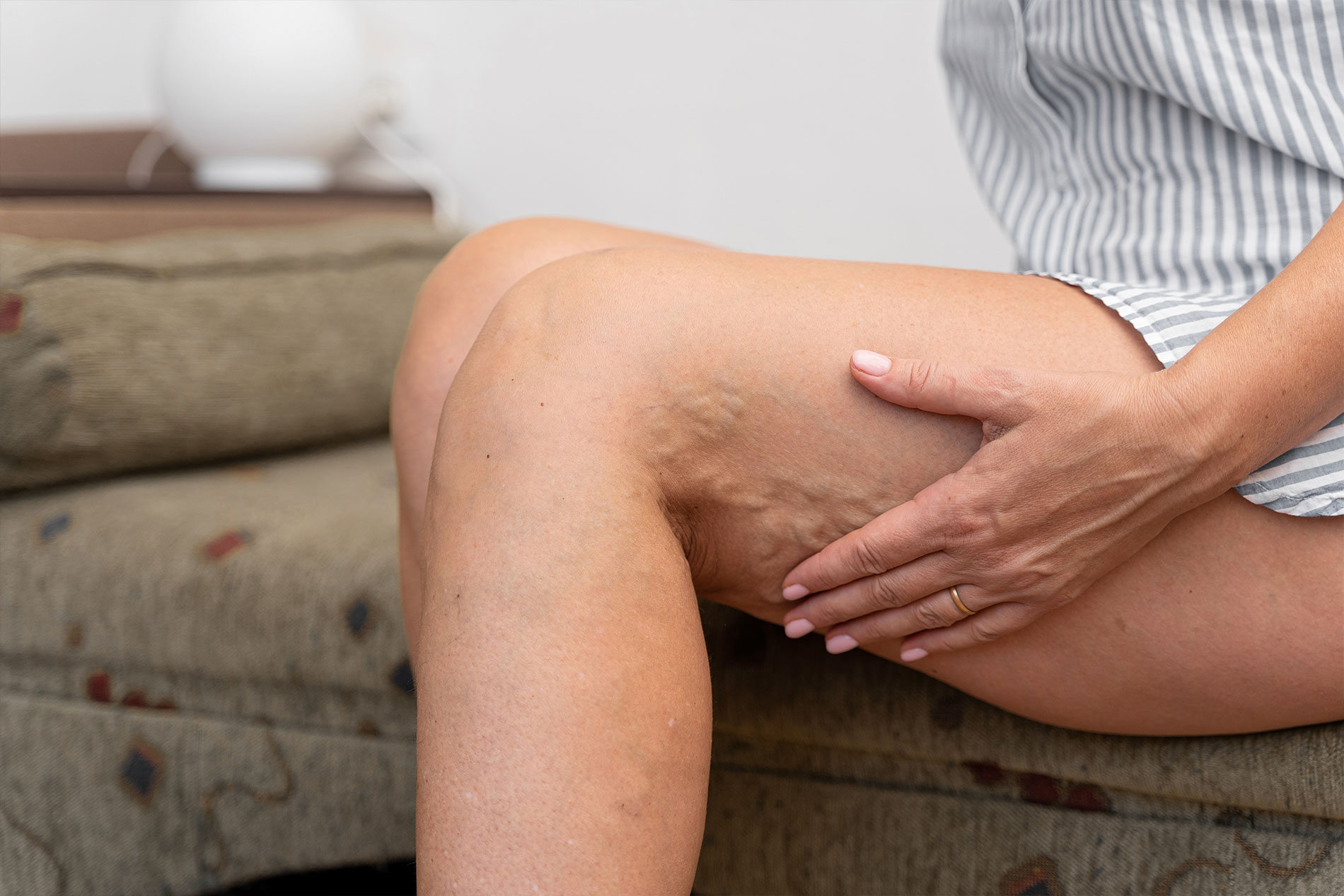
While ropey, bulging veins are a clear visual marker of disease, many patients suffer from “occult” or hidden venous insufficiency. The reflux may be occurring in the saphenous veins deeper beneath the skin, or you may have a layer of fatty tissue masking the surface veins.
For these patients, leg heaviness and fatigue are often the only early warning signs. Because there are no visible “bad veins,” they often go undiagnosed for years, visiting orthopedists or neurologists looking for answers.
This is why a diagnostic ultrasound is critical. A non-invasive scan by a specialist like Dr. David Fox allows us to look beneath the surface and measure the direction of blood flow. If we see reflux, we have found the source of your fatigue.
Can Vein Treatment Actually Improve These Symptoms?
The short answer is: Yes.
The longer answer involves looking at how treatment changes the hemodynamics (blood flow dynamics) of your leg.
The goal of modern vein treatment is to stop the reflux. We do this by identifying the diseased vein—the one with the broken valves—and closing it off. We might use heat (Endovenous Laser Therapy), medical adhesive, or sclerotherapy.
Once the diseased vein is closed:
- Reflux Stops: There is no longer a channel for blood to slide backward and pool in the lower leg.
- Flow Redirects: Your body is intelligent. It immediately reroutes the blood flow into the healthy deep veins, which have functional valves.
- Pressure Drops: With the “leak” fixed, the venous pressure in the lower leg returns to normal levels.
- Oxygen Returns: Efficient circulation is restored. Oxygen-rich blood reaches the tissues, and waste products are flushed away.
The Clinical Evidence
Studies consistently show that patients treated for venous insufficiency report significant improvements in Quality of Life (QOL) scores. The sensation of heaviness is often one of the first symptoms to resolve, sometimes within days of the procedure. Patients frequently report that their legs feel “lighter,” “younger,” or “more energetic.”
Modern Solutions for Heavy Legs: Vein Care Treatment in Manhattan
If you are tired of feeling weighed down, what are your options? At Fox Vein and Vascular, we specialize in minimally invasive treatments that fit into a busy lifestyle. The days of painful vein stripping and long hospital stays are over.
For more on common vein care options and to see what might work for you, visit our detailed resource on Manhattan vein treatment.
Endovenous Laser Therapy (EVLT)
This is the gold standard for treating the underlying cause of leg heaviness (usually the Great Saphenous Vein).
- The Procedure: Under local anesthesia, a thin laser fiber is inserted into the vein through a pinhole puncture. Laser energy heats and seals the vein shut.
- The Impact on Fatigue: By closing the main highway of reflux, EVLT dramatically reduces the volume of pooling blood. This provides the most profound relief for heaviness and swelling.
- Recovery: You walk out of the office immediately. Most patients return to work the next day.
Ultrasound-Guided Sclerotherapy
For patients whose fatigue is caused by complex networks of branch veins that aren’t straight enough for a laser, foam sclerotherapy is effective.
- The Procedure: A medical foam is injected into the vein under ultrasound guidance. The foam displaces the blood and causes the vein to close.
- The Impact on Fatigue: It cleans up the “tributary” veins that contribute to the overall burden of congestion in the leg.
Ambulatory Phlebectomy
If you have large, bulging veins that are physically heavy and painful, removing them can offer immediate physical relief.
- The Procedure: Tiny micro-incisions are made to gently remove the varicose veins.
- The Impact on Fatigue: This removes the reservoir of stagnant blood that sits in these varicosities.
Who Is Most at Risk for Venous Leg Fatigue?
Certain lifestyles and demographics are more prone to developing the “heavy leg” syndrome associated with vein disease.
1. The “Standers”
Teachers, nurses, chefs, retail workers, and hairstylists are prime candidates. Standing still is actually harder on your veins than walking. When you stand still, the calf muscle pump isn’t working, but gravity is pulling down at full force. This causes maximum pressure buildup.
- If you work in these fields and feel extreme fatigue by 3 PM, it is almost certainly vascular.
2. The “Sitters”
Office workers, truck drivers, and frequent flyers are also at risk. Sitting with knees bent can kink the veins (like a garden hose), and the lack of calf movement leads to pooling.
3. The Expectant Mothers
Pregnancy increases blood volume and pressure while hormones relax vein walls. Many women experience profound leg heaviness during pregnancy. While we typically wait until after delivery to perform procedures, compression therapy can help manage the fatigue during gestation.
4. The Athletes
It seems counterintuitive, but runners and weightlifters can suffer from vein disease. The high intra-abdominal pressure from lifting or the pounding from running can damage valves. Athletes often notice that their legs feel “dead” or that their performance plateaus because their recovery is hampered by poor venous return.
Beyond Heaviness: Other Symptoms Vein Treatment Addresses
While heaviness might be your primary complaint, treating your veins will likely alleviate a host of other issues you may not have realized were connected.
Vein Pain and Aching
A dull, throbbing ache is the constant companion of leg heaviness. This is vein pain caused by the stretching of the vein wall. Treatment eliminates the distension, eliminating the pain.
Leg Swelling (Edema)
Do your socks leave deep indentations in your ankles? Does one leg look puffier than the other? Leg swelling and veins go hand-in-hand. By restoring proper flow, we help the body reabsorb that excess fluid, slimming the ankle and reducing the “tight” feeling in the skin.
Restless Legs Syndrome (RLS)
There is a strong correlation between venous insufficiency and RLS. The congestion in the legs can irritate nerves, leading to that irresistible urge to move your legs at night. Many patients are delighted to find that their restless legs improve or disappear after their veins are treated.
Night Cramps
Sudden, agonizing Charlie horses in the calf or foot are frequently caused by the accumulation of metabolic waste in the muscle tissue due to poor circulation. Fixing the flow clears the waste and stops the cramps.
Why Lifestyle Changes Are Rarely Enough
When patients first search for a Manhattan vein doctor, they have often tried everything else. They have bought expensive ergonomic shoes. They have tried magnesium supplements. They wear over-the-counter compression socks.
While these measures are helpful for managing symptoms, they do not cure the problem.
- Compression Stockings: These apply external pressure to help squeeze blood up the leg. They act as an exoskeleton for your veins. They are great while you are wearing them, but the moment you take them off, the reflux returns. They mask the issue; they do not fix the broken valve.
- Elevation: This works by using gravity to empty the veins. But you cannot live your life with your legs in the air. As soon as you stand up, gravity takes over again.
- Exercise: Walking helps, but if the valves are mechanically broken, no amount of calf strengthening will fix them. It is like pumping water into a bucket with a hole in the bottom.
To permanently relieve the fatigue, you must physically close the leaking vein. That is where medical intervention becomes necessary.
The Psychological Toll of Chronic Leg Fatigue
We often underestimate the mental impact of physical fatigue. When your legs feel heavy, everything feels harder.
- You are less likely to go for that evening walk.
- You are less likely to play with your kids or grandkids.
- You are more likely to decline social invitations that involve standing.
This shrinking of your world happens slowly. Many patients don’t realize how much they have limited their lives until after treatment. When the heaviness is gone, they describe a renewed sense of vitality. They have energy left over at the end of the day. Treating your veins is not just about vanity; it is about reclaiming your active life.
Why Choosing the Right Specialist Matters
Not all doctors who treat veins are the same. In the unregulated world of “vein centers,” you might find dermatologists or radiologists performing treatments. However, your vascular system is complex.
Dr. David Fox is a board-certified vascular surgeon with over 20 years of experience. He understands the entire circulatory system—arteries and veins alike.
The Importance of a Comprehensive Diagnosis
Sometimes, leg pain and heaviness aren’t veins. It could be Peripheral Arterial Disease (PAD), spinal stenosis, or orthopedic issues. A vein clinic that only does veins might try to treat you for a vein problem you don’t have, or miss a critical arterial blockage.
At Fox Vein and Vascular, we differentiate. If your fatigue is from veins, we treat it. If it is arterial, we treat it. If it is orthopedic, we can refer you or treat specific issues like knee pain with Genicular Artery Embolization (GAE). This comprehensive approach ensures you get the right care for your specific type of fatigue.
What to Expect: The Timeline of Relief
If you decide to proceed with vein care treatment in Manhattan, when will the heaviness go away?
Day 0 (Procedure Day): You will walk immediately. Your leg will be wrapped in compression. You might feel numb from the anesthesia.
Week 1: You may experience a “tight” sensation or mild bruising. This is actually a good sign—it means the vein is closing. Interestingly, many patients report the deep, dragging heaviness is gone immediately, even if they have some post-procedure tenderness.
Week 2-4: As the body absorbs the treated vein and inflammation subsides, the “lightness” becomes more apparent. Swelling begins to resolve significantly.
Month 3: By this time, the circulation has fully normalized. Most patients report a complete resolution of the evening fatigue they used to experience.
Prevention: Can I Stop the Heaviness from Returning?
Vein disease is chronic and often genetic. While we can permanently close the veins that are currently failing, we cannot change your DNA. However, once you have been treated, you can take steps to protect your remaining healthy veins and keep that heavy feeling at bay:
- Maintain a Healthy Weight: Excess weight puts pressure on the inferior vena cava, stressing the leg veins.
- Stay Active: Regular walking activates the calf pump.
- Wear Compression: If you know you have a long flight or a day of heavy standing ahead, wear your stockings as a preventative measure.
- Follow Up: Periodic ultrasound checks with us can catch new reflux early, before it causes significant fatigue.
A Note on “Water Pills” (Diuretics)
Many patients with heavy, swollen legs are prescribed diuretics by their primary care doctors to “get rid of the fluid.”
If the underlying cause is venous insufficiency, diuretics are rarely the right solution. They dehydrate the whole body to remove fluid from the legs. This can actually make the blood thicker and more prone to clotting, which is dangerous for vein patients.
If you are taking water pills for leg swelling and not seeing results, it is a strong indicator that you need a vascular evaluation, not more medication. Treating the vein fixes the swelling mechanically, without the need for systemic drugs.
Conclusion: Lighten Your Load
You carry a lot of responsibility in your life. You shouldn’t have to carry the extra weight of venous insufficiency in your legs, too.
Leg fatigue and heaviness are not inevitable consequences of aging. They are symptoms of a mechanical failure in your circulation—a failure that we can fix. By seeking vein care treatment in Manhattan, you are investing in your energy, your mobility, and your long-term health.
Imagine finishing a day of work and still having the energy to go for a walk, cook dinner, or head out with friends. That is the reality for our patients after treatment.
If you are ready to trade that “lead weight” feeling for a spring in your step, it is time to talk to an expert.
Contact Fox Vein and Vascular today at (212) 362-3470 or visit our Manhattan vein clinic online to schedule your consultation. Dr. Fox and his team are ready to help you get back on your feet—pain-free and energized.
The “End of Day” Phenomenon
One of the most telling signs that your fatigue is vascular is the “End of Day” phenomenon. Patients often tell us, “I feel fine when I wake up, but by 5 PM I can barely stand.”
Why this happens:
Overnight, while you are lying flat in bed, gravity is neutral. Your veins can easily drain the blood back to the heart. The swelling goes down, and the toxins clear out. You start the day with a “clean slate.”
As soon as you stand up, the clock starts ticking. Gravity begins pulling blood down. If your valves are broken, the blood slowly accumulates hour by hour. It is a cumulative burden. By the late afternoon, your legs are carrying maximum fluid volume and maximum pressure.
This cycle—good mornings, bad evenings—is the hallmark of venous insufficiency. Recognizing this pattern is the first step toward diagnosis.
Leg Heaviness and Venous Ulcers: The Connection
It is important to understand that the feeling of heaviness is often a precursor to more serious skin damage. The same pressure that makes your legs feel heavy is also pressing against the skin from the inside out.
Over years, this pressure prevents small capillaries in the skin from delivering oxygen. The skin becomes fragile, dry, and itchy. Eventually, a small scratch can turn into a venous leg ulcer.
By treating the heaviness when it is just a symptom, you are actively preventing the development of these open wounds. You are preserving the integrity of your skin.
Comparing Treatment Methods for Fatigue Relief
Patients often ask which treatment is “best” for fatigue. The answer depends on anatomy, but here is a comparison of how they address the symptom.
VenaSeal (Medical Adhesive)
- Mechanism: Glues the vein shut.
- Pros for Fatigue: Very fast recovery. No heat is used, so less post-procedure inflammation.
- Cons: Sometimes leaves a palpable cord that takes time to dissolve.
Radiofrequency Ablation (RFA)
- Mechanism: Similar to laser but uses radiofrequency energy.
- Pros: Generally less bruising than older laser generations.
- Impact: Excellent for shutting down the high-pressure reflux causing heaviness.
Conservative Therapy (Compression)
- Mechanism: Squeezes the leg.
- Pros: Non-invasive.
- Cons: Only works while you wear them. Can be hot, difficult to put on, and uncomfortable in summer. Does not stop the progression of the disease.
Dr. Fox will help you choose the modality that offers the best long-term relief for your specific anatomy.
Frequently Asked Questions About Leg Fatigue and Veins
Q: Can dehydration cause heavy legs?
A: Yes, dehydration can cause muscle cramping and fatigue. However, if drinking water doesn’t fix it, and if it happens every day, it is likely veins.
Q: Will losing weight cure my heavy legs?
A: Losing weight helps reduce the pressure on your veins and can improve symptoms. However, weight loss will not repair a valve that is already broken. You may still need treatment even after losing weight.
Q: I have heavy legs but no visible veins. Will insurance cover the ultrasound?
A: In most cases, yes. If you have symptoms like pain, heaviness, or swelling that interfere with your daily activities, insurance typically covers the diagnostic ultrasound to look for the underlying cause.
Q: Can young people have heavy legs from veins?
A: Absolutely. We treat patients in their 20s and 30s. Genetics play a huge role. If your parents had bad veins, you might develop reflux at a young age, especially if you have a job that involves standing.
The Role of Diet in Vein Health
While diet cannot cure varicose veins, what you eat can impact fluid retention and leg heaviness.
- Salt: High sodium intake causes the body to retain water. If you have venous insufficiency, this extra water goes straight to your legs, exacerbating the heaviness. Reducing salt can offer some symptom relief.
- Fiber: A high-fiber diet prevents constipation. Straining due to constipation increases abdominal pressure, which transmits down to the leg veins.
- Flavonoids: Foods rich in flavonoids (berries, citrus, leafy greens) can help strengthen vessel walls and reduce inflammation.
Why Waiting Doesn’t Help
We often hear patients say, “I’ll wait until they hurt more.”
The problem with this strategy regarding leg heaviness is that the body accommodates the feeling. You might not realize how much pain you are in because it came on so slowly. It is the “boiling frog” effect.
Furthermore, as you wait, the vein stretches more. A vein that is 5mm in diameter is easier to treat than one that has stretched to 15mm. Larger veins have higher recurrence rates and may require more aggressive treatment. Treating when you first notice the heaviness ensures the simplest, most effective procedure.
Summary Checklist: Is It Your Veins?
If you check 3 or more of these boxes, you should schedule a consultation at our Manhattan vein clinic:
- My legs feel heavier in the evening than the morning.
- I get relief when I prop my feet up.
- I have a job where I stand or sit for 4+ hours at a time.
- My parents had varicose veins.
- I sometimes get cramps in my legs at night.
- My socks leave deep marks on my ankles.
- I feel too tired to exercise after work because of my legs.
Don’t let fatigue dictate your lifestyle. The solution is often simpler than you imagine. Reach out to Fox Vein and Vascular and take the first step toward lighter, healthier legs.
Leading Manhattan Vascular & Vein Specialist
At Fox Vein Care, we provide state-of-the-art vascular and venous treatments, combining advanced diagnostic technology with minimally invasive procedures that prioritize comfort, safety, and outstanding results.
Contact Us