When you first notice a small spider vein on your ankle or feel a slight heaviness in your legs after a long day at work, it is easy to dismiss it. “It’s just cosmetic,” you might tell yourself, or “It’s just a sign of getting older.” This is a common mindset. Many people view vein issues as minor annoyances rather than medical conditions requiring attention. However, this delay in seeking care can have significant consequences.
At Fox Vein and Vascular, a leading Manhattan vein clinic, we often see patients who have waited years—sometimes decades—before seeking help. By the time they walk through our doors, what started as a small cosmetic concern has evolved into a chronic condition characterized by pain, swelling, and skin damage.
The truth is, vein disease is progressive. It does not get better on its own; it only gets worse. Understanding why early intervention is crucial can save you from unnecessary pain, prevent serious complications, and ensure that your treatment is as simple and non-invasive as possible. This guide explores the importance of listening to vein symptoms in legs and the transformative benefits of seeing a chronic vein condition specialist near me sooner rather than later.
If you’re considering taking action, you can find more information about available therapies and procedures on our Manhattan vein treatment page, which outlines both minimally invasive and comprehensive care options.
Understanding the Progressive Nature of Vein Disease
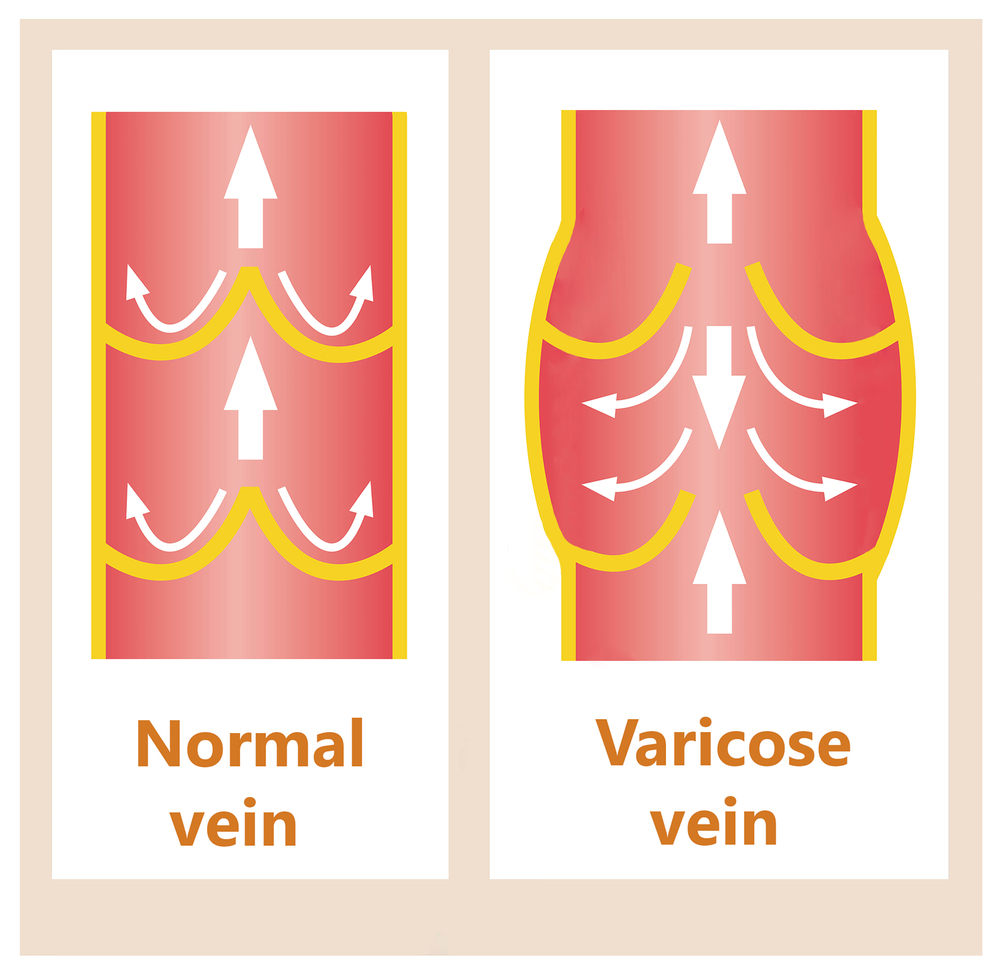
To understand why timing matters, you must first understand the mechanism of venous insufficiency. Your arteries pump oxygen-rich blood from your heart to your extremities. Your veins have the difficult job of pumping that blood back up to the heart, fighting gravity every inch of the way. To do this, veins contain tiny one-way valves that open to let blood flow up and close to keep it from flowing back down.
When these valves become weak or damaged, they fail to seal properly. Blood leaks backward (reflux) and pools in the leg veins. This increased pressure stretches the vein walls, leading to the visible bulging of varicose veins and the appearance of spider veins.
Stage 1: The “Silent” or Cosmetic Stage
Initially, you might only see small red or blue lines on the skin (spider veins) or reticular veins. You might not feel any pain. This is the ideal time to treat the condition, as the damage is minimal and superficial.
Stage 2: The Symptomatic Stage
As the pressure builds, symptoms begin. You may experience:
- Aching or throbbing in the legs.
- Leg heaviness or fatigue, especially at the end of the day.
- Itching or burning around the veins.
- Restless legs at night.
These are not just “normal” aches; they are warning signs from your vascular system.
Stage 3: The Chronic / Complication Stage
If left untreated, the chronic high pressure (venous hypertension) begins to damage the tissues surrounding the veins.
- Edema: Persistent swelling in the ankles and feet.
- Skin Changes: The skin may turn brown or rusty (hemosiderin staining) or become thick and leathery (lipodermatosclerosis).
- Ulcers: Eventually, the skin can break down completely, forming painful venous leg ulcers that are difficult to heal and prone to infection.
By acting early, you stop this progression in its tracks. You prevent Stage 1 from ever becoming Stage 3.
The Risks of “Watchful Waiting”
Many patients adopt a “wait and see” approach. Unfortunately, with vein disease, what you are waiting for is almost always a worsening of the condition. Ignoring early warning signs can lead to several significant health risks.
1. Increased Risk of Blood Clots
Stagnant blood is dangerous blood. When blood pools in varicose veins instead of flowing efficiently back to the heart, it is more prone to clotting.
- Superficial Thrombophlebitis: This is a blood clot in a vein near the surface of the skin. It causes redness, warmth, tenderness, and a hard, cord-like feeling in the vein. While not usually life-threatening, it is painful and indicates significant vein dysfunction.
- Deep Vein Thrombosis (DVT): In more serious cases, untreated superficial vein disease can be associated with clots in the deep veins. A DVT is a serious medical emergency because the clot can break loose and travel to the lungs, causing a pulmonary embolism.
2. Spontaneous Bleeding
As varicose veins enlarge, the vessel walls become extremely thin and stretch the skin above them. Because these veins are under high pressure, a minor scratch or bump—something you might not even notice normally—can cause the vein to burst. This can result in profuse bleeding that can be frightening and difficult to stop without medical assistance.
3. Irreversible Skin Damage
One of the most distressing consequences of long-term untreated vein disease is the effect on the skin. The inflammation caused by pooling blood eventually stains the skin a dark brown color. This discoloration is often permanent, even after the veins are treated. Early treatment preserves the natural appearance of your legs.
4. Impact on Mobility and Lifestyle
Perhaps the most insidious risk is the slow erosion of your quality of life. Patients with untreated vein disease often subconsciously limit their activity. They stop taking long walks because their legs feel heavy. They avoid wearing shorts because they are embarrassed. They stop exercising, which leads to weight gain, which in turn puts more pressure on the veins. It becomes a vicious cycle.
Why Modern Treatment Makes Waiting Unnecessary
In the past, patients had a valid reason to hesitate. Vein stripping surgery was a major ordeal requiring hospital admission, general anesthesia, and weeks of painful recovery. It made sense to wait until the problem was severe before undergoing such a drastic measure.
Today, that logic no longer applies. As a premier provider of vein care treatment in Manhattan, Fox Vein and Vascular utilizes exclusively minimally invasive technologies.
Fast, Office-Based Procedures
Treatments like Endovenous Laser Therapy (EVLT) and sclerotherapy are performed right in our office. There is no hospital stay.
- Local Anesthesia: We numb only the leg. You are awake and comfortable.
- No Stitches: We access the vein through a tiny needle prick.
- Walk Out: You literally walk out of the office immediately after the procedure.
Minimal Downtime
Most of our patients return to work the next day. The recovery involves wearing compression stockings and walking—not bed rest. Because the treatment is so manageable, there is no benefit to delaying it. Treating a small issue now takes less time and recovery than treating a massive issue later.
The Economic Argument for Early Treatment
Beyond health and lifestyle, there is a financial aspect to consider.
- Insurance Coverage: Many patients assume vein treatment is cosmetic and won’t be covered. However, once you have symptoms like pain or swelling, most insurance plans (including Medicare) consider treatment medically necessary.
- Cost of Complications: treating complications is far more expensive than treating the vein itself. Wound care for venous ulcers can require months of weekly visits and expensive dressings. treating a blood clot involves expensive medication and monitoring.
- Simpler Procedures: treating early-stage vein disease often requires fewer sessions. A few sessions of sclerotherapy or a single laser ablation is less resource-intensive than the complex combination therapies needed for advanced disease.
The “Knee Pain” Connection
An overlooked reason to seek a vascular specialist early is diagnostic clarity. We often see patients searching for a knee pain specialist near me or “chronic knee pain doctor NYC” who have been treating their pain as purely orthopedic for years without relief.
Surprisingly, untreated varicose veins can cause referred pain around the knee. Conversely, patients with osteoarthritis may not realize that Genicular Artery Embolization (GAE) is an advanced option for non-surgical knee pain relief that can significantly reduce pain without knee replacement surgery.
By consulting a vascular expert like Dr. David Fox early in your pain journey, you ensure you are treating the right problem. If your knee pain is vascular in origin, physical therapy for your joints won’t fix it—but a vein procedure might.
Signs You Should See a Vein Specialist Now
You should not wait until you have bulging ropes on your legs to book an appointment. If you experience any of the following vein symptoms in legs, it is time to schedule a consultation:
- Evening Heaviness: Your legs feel fine in the morning but feel like lead weights by 5 PM.
- Visible Spider Veins: Especially if they are appearing in clusters around the ankle or thigh.
- Swelling: Socks leave deep indentations in your ankles that persist.
- Itching: You find yourself scratching your lower legs, but there is no bug bite or rash.
- Cramping: You get “charley horses” or cramps in your legs at night.
- Family History: If your parents had varicose veins, you are highly likely to develop them. Early screening can help you manage the risk proactively.
The Psychological Benefit of Early Action
Living with a condition that you are trying to hide takes a mental toll. We see patients who haven’t worn a swimsuit in twenty years. We see patients who dread summer because of the heat, knowing they can’t bare their legs.
Taking action early restores confidence. It lifts the mental burden of “managing” your appearance. When you treat the veins early, you maintain smooth, healthy-looking legs, and you never have to go through the phase of hiding them.
Prevention vs. Early Treatment
It is important to distinguish between prevention and treatment. While healthy lifestyle choices—like maintaining a healthy weight, exercising, and elevating your legs—can help manage symptoms, they cannot fix a broken valve. Once a vein has failed, no amount of kale or running will repair it. The only way to stop the reflux is medical intervention.
Therefore, “early treatment” is the most effective form of “prevention” against the serious complications of the disease.
What to Expect at Your First Visit
If you decide to stop waiting and start treating, here is what your initial experience at Fox Vein and Vascular will look like.
Comprehensive Evaluation
Dr. David Fox doesn’t just look at your legs; he listens to your history. He understands that your symptoms affect your daily life.
Diagnostic Ultrasound
This is the game-changer. A painless, non-invasive ultrasound scan allows us to see beneath the skin. We can identify exactly which valves are failing and map out the anatomy of your venous system. This ensures that we aren’t just treating the surface spider veins (which would be a temporary fix) but are addressing the underlying pressure feeding them.
Personalized Plan
Based on the ultrasound, we create a roadmap. If your condition is purely cosmetic, we can proceed with simple sclerotherapy. If there is underlying disease, we might recommend EVLT. We explain everything clearly, so you understand the “why” and “how” of your care.
Conclusion: Your Legs Support You—It’s Time to Support Them
Your legs carry you through life. They allow you to work, play, travel, and exercise. Ignoring their distress signals is a gamble with your long-term mobility and health.
There is no badge of honor in tolerating leg pain. There is no benefit to waiting until your veins are bulging and your skin is discolored. The technology exists today to fix these problems quickly, safely, and comfortably.
If you are looking for a chronic vein condition specialist near me or simply want to have your legs checked out by the best, do not delay. Early treatment is easier treatment. It is better for your health, better for your wallet, and better for your quality of life.
Take the first step toward healthier legs today. Contact Fox Vein and Vascular at (212) 362-3470 or visit our Manhattan vein clinic online to schedule your consultation.
Questions about your treatment options? Dr. Fox can help.
Book a ConsultationThe Impact of Pregnancy on Vein Health: A Case for Early Care
Pregnancy is one of the most significant stress tests for the venous system. During pregnancy, blood volume increases significantly to support the baby, while progesterone relaxes the vein walls. simultaneously, the growing uterus puts pressure on the inferior vena cava (the main vein in the abdomen), increasing pressure in the leg veins.
Many women develop varicose veins during their first pregnancy.
- The Mistake: Many women are told, “Wait until you are done having children to treat your veins.”
- The Reality: While we generally don’t perform elective procedures during pregnancy, seeing a specialist between pregnancies is vital. If you enter a second pregnancy with already damaged veins, they will get significantly worse. treating the underlying insufficiency before the next pregnancy protects your legs from severe damage and reduces the risk of pregnancy-related DVT.
Athletes and Vein Disease: Why Fitness Isn’t Immunity
We often assume that if we are fit, we are immune to health problems. However, high-impact athletes (runners, weightlifters) are actually at risk for vein issues due to the intense pressure generated in the legs or the repetitive pounding of running.
For an athlete, early treatment is about performance preservation.
- Fatigue: Venous insufficiency causes lactic acid to clear more slowly from the muscles. This leads to legs that feel “dead” or heavy sooner during a workout.
- Recovery: Poor circulation means slower recovery after training.
- Pain: Bulging veins can become tender and painful, interfering with gear (like shin guards) or movement.
By seeking a vein specialist near me at the first sign of trouble, athletes can maintain their peak performance levels without interruption.
The Role of Genetics
If both of your parents have varicose veins, your risk of developing them is nearly 90%. Knowing this statistic is a powerful tool. It means you shouldn’t wait for symptoms.
- Screening: If you have a strong family history, a screening ultrasound in your 30s or 40s can catch reflux before it becomes visible.
- Proactive Management: Early identification allows you to start conservative measures (like compression) immediately, slowing the progression even if you aren’t ready for a procedure yet.
Comparing Outcomes: Early vs. Late Intervention
Let’s look at two hypothetical patient scenarios to illustrate the difference.
Patient A (Early Intervention):
- Symptoms: Notices spider veins and mild heaviness at age 40.
- Diagnosis: Mild reflux in the Great Saphenous Vein.
- Treatment: One session of EVLT and two sessions of sclerotherapy.
- Recovery: Back to work the next day. mild bruising.
- Outcome: Legs look and feel great. Progression is halted. Cost is covered largely by insurance.
Patient B (Late Intervention):
- Symptoms: Ignores heaviness for 15 years. developes large ropes and ankle swelling at age 55. Skin at ankle is turning brown.
- Diagnosis: Severe reflux, damage to deep system secondary to superficial overload, and early stage venous stasis ulceration.
- Treatment: Requires EVLT, multiple phlebectomies (removal of veins), and months of compression therapy to heal the skin. The brown skin staining is permanent.
- Recovery: More discomfort, longer healing time for the skin issues. Higher risk of DVT during treatment.
- Outcome: Function is restored, but cosmetic result is limited by permanent skin damage.
The contrast is stark. Patient A saved time, money, and their appearance. Patient B endured years of discomfort and ended up with a more complex medical situation.
Myths That Cause Delays
Several myths contribute to patients delaying care. Let’s debunk them.
Myth 1: “Vein treatment is painful.”
Fact: This is a hangover from the days of stripping. Modern laser treatment is virtually painless. Most patients rate the discomfort as a 1 or 2 out of 10.
Myth 2: “They will just come back.”
Fact: The treated vein is permanently closed. It cannot “come back.” However, because the disease is genetic, new veins can develop. This is why we view vein care as a maintenance process, like going to the dentist. treating early means “touch-ups” rather than “overhauls.”
Myth 3: “Insurance considers it cosmetic.”
Fact: As discussed, if you have symptoms (pain, swelling), it is a medical condition. Our office is expert at documenting medical necessity to secure coverage for you.
The Deep Vein Connection
We often focus on the superficial veins (the ones you can see). But the deep veins (inside the muscle) do 90% of the work. When superficial veins fail, the deep veins have to work overtime to compensate.
Over years, this extra workload can strain the deep veins. Deep vein damage is much harder to treat than superficial vein damage. By treating the superficial veins early (taking the “bad load” off the system), you protect the integrity of your deep veins for the long haul. This is critical for preventing chronic swelling in old age.
Peripheral Arterial Disease (PAD) Awareness
Another reason to see a vascular specialist early is to rule out arterial issues. Sometimes, leg pain is caused by clogged arteries (Peripheral Arterial Disease), not veins.
If you have PAD, compression stockings (the standard advice for veins) can actually be harmful because they squeeze arteries that are already struggling to deliver blood.
Only a qualified vascular specialist can differentiate between these two conditions. Self-diagnosing and delaying professional evaluation can be dangerous if the underlying cause is arterial.
Seasonal Considerations for Treatment
Many patients wait until spring to think about their legs. They try on shorts and realize their veins have worsened.
- The “Winter Advantage”: The best time to seek early treatment is actually in the fall or winter.
- Why? After treatment, you need to keep your legs out of the sun to prevent pigmentation. You also need to wear compression stockings for a week or two, which can be hot in the summer.
- The Strategy: By starting treatment in the cooler months, your legs are fully healed, blemish-free, and photo-ready by the time the first beach day arrives. Don’t wait until June to fix a problem that started in November.
Lifestyle Modifications While You Wait
If you are scheduled for an appointment but have to wait a few weeks, or if you are in the very early stages, there are things you can do immediately to help your veins.
- Elevate: When sitting on the couch, put your legs up on pillows. They need to be above your heart level to effectively drain the blood.
- Flex: If you have a desk job, pump your ankles up and down every 30 minutes. This activates the calf muscle pump.
- Compression: Buy a pair of light compression socks (15-20 mmHg) at the pharmacy. Wear them on days you know you’ll be standing a lot.
These steps help manage symptoms, but remember: they do not cure the valve failure. They are a bridge to treatment, not a replacement for it.
Conclusion: A Future of Healthy Movement
We are living longer, more active lives than previous generations. You want to be walking, dancing, and traveling well into your 70s and 80s. Your vascular health is the foundation of that mobility.
Vein disease is a mechanical failure of the circulation. Like a leak in a pipe or a check engine light in a car, ignoring it does not make it go away—it inevitably leads to a bigger, more expensive, and more damaging failure down the road.
At Fox Vein and Vascular, we represent the forefront of modern vein care. We make it easy for you to choose health. With minimally invasive options, expert diagnostic tools, and a compassionate team, there is no reason to live with leg pain or insecurity for another day.
Don’t wait for the ulcer. Don’t wait for the clot. Don’t wait until you can’t stand the sight of your legs. Choose early intervention. Choose health.
Call our Manhattan office today at (212) 362-3470. Let’s get your legs back to looking and feeling their best.