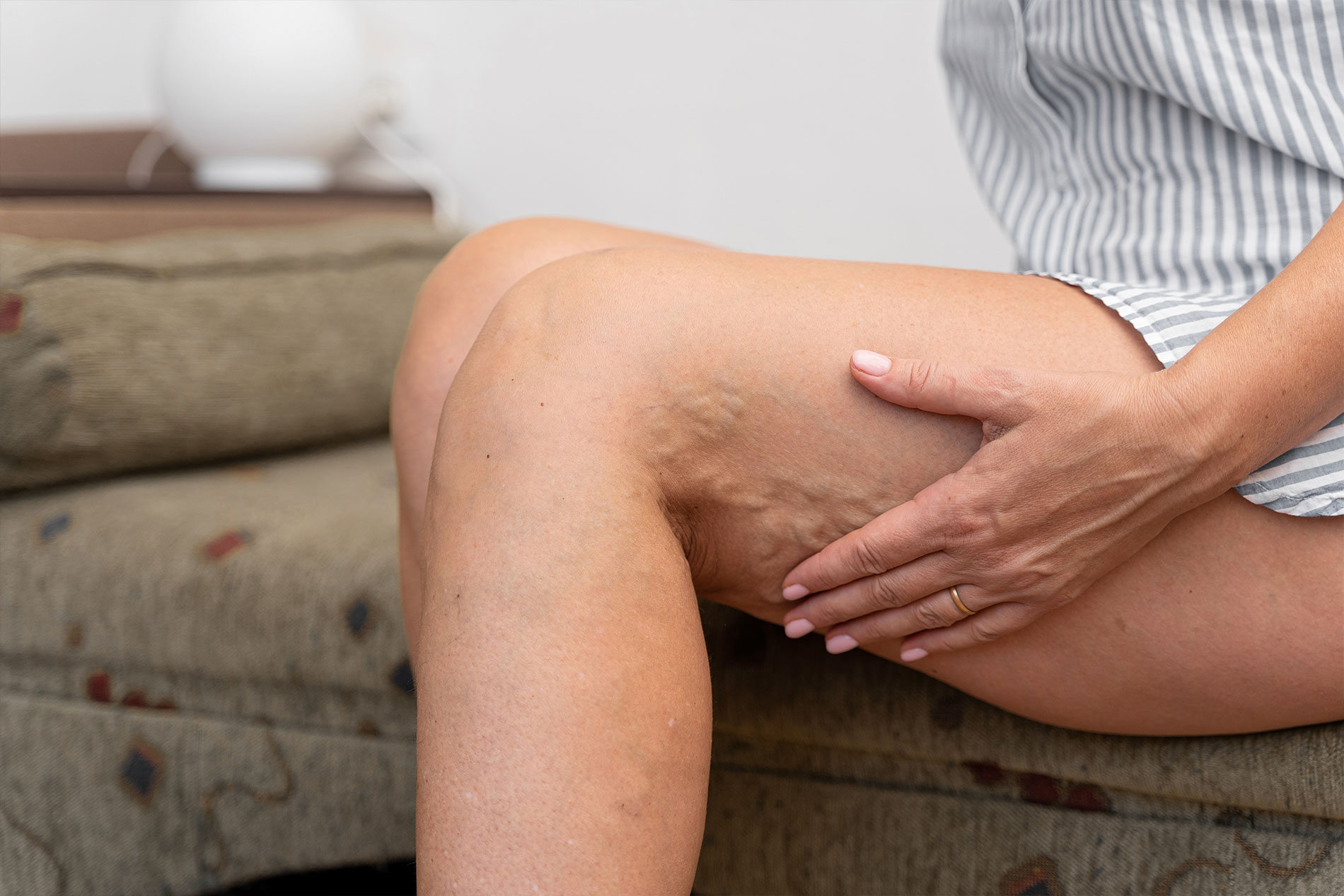

You’ve been dealing with it for months, maybe even years. Your legs ache, your ankles swell by the end of the day, and you have a persistent itch or rash on your lower legs that no cream seems to fix. You may have seen multiple doctors, receiving diagnoses ranging from simple dry skin to arthritis or even just “getting older.” Yet, the problems persist. This frustrating journey is all too common for individuals suffering from Chronic Venous Insufficiency (CVI), one of the most frequently misdiagnosed medical conditions affecting adults today.
While many people associate vein issues with visible varicose veins, the reality is that CVI can present with a wide array of subtle and misleading symptoms. Because these symptoms overlap with so many other conditions, both patients and non-specialist physicians often miss the true underlying cause: a failure in the circulatory system. Understanding why misdiagnosis is so prevalent is the first step toward getting the right diagnosis and finding effective, lasting relief at a specialized Manhattan vein clinic.
What is Chronic Venous Insufficiency (CVI)?
To understand why it’s so easily misdiagnosed, we must first define what CVI is. Your arteries carry blood from the heart to your body, while your veins are tasked with returning it, often against gravity. To accomplish this, your leg veins contain tiny, one-way valves that open to allow blood to flow upward and then close to prevent it from falling back down.
CVI occurs when these valves become weak or damaged. They no longer seal properly, which allows blood to leak backward and pool in the lower legs—a condition known as venous reflux. This pooling leads to a buildup of pressure within the veins, called venous hypertension. This sustained high pressure is the root cause of all vein-related symptoms, from cosmetic spider veins to severe vein pain and skin ulcers. Because the initial symptoms can be vague, they are often attributed to other, more familiar causes.
Common Misdiagnoses for Vein Disease Symptoms
The symptoms of CVI are chameleons; they can mimic a host of other medical problems. This leads patients down incorrect treatment paths that fail to address the underlying venous reflux. When you experience vein symptoms in your legs, they might be incorrectly identified as one of the following conditions.
1. Skin Conditions (Dermatological Issues)
The Symptom: Itchy, scaly, reddish-brown, or leathery skin around the ankles and lower legs. The skin may be weepy or crusted.
The Common Misdiagnosis: Eczema, contact dermatitis, dry skin (xerosis), or a fungal infection.
Why it’s Misdiagnosed: The skin manifestations of CVI, known as stasis dermatitis or venous eczema, look very similar to other common rashes. A primary care doctor or even a dermatologist might prescribe topical steroids or antifungal creams. These treatments may provide temporary relief from the itching and inflammation but do nothing to address the source of the problem—the intense pressure from venous hypertension that is starving the skin of oxygen and nutrients. As soon as the cream is stopped, the rash returns, because the underlying circulatory issue remains.
For a closer look at comprehensive vein treatment options, visit the Manhattan Vein Treatment page for more information.
2. Aging or Overexertion
The Symptom: Aching, heavy, or tired legs, especially at the end of the day or after long periods of standing.
The Common Misdiagnosis: Simply a normal part of getting older, being “out of shape,” or the result of a demanding job.
Why it’s Misdiagnosed: It’s easy to dismiss leg fatigue as a natural consequence of life. Many people assume it’s normal for their legs to hurt after a long day and don’t think to mention it to their doctor. Similarly, physicians might not probe deeper if a patient mentions “tired legs,” attributing it to lifestyle factors. However, this persistent heaviness and aching is a classic symptom of blood pooling in the lower extremities due to CVI. It’s not “normal” and can be resolved with proper vein treatment.
For more details about the full range of treatment options, visit the Fox Vein Care Services page to explore available solutions.
3. Orthopedic Problems
The Symptom: Pain around the knee joint, cramping in the calf, or generalized leg pain.
The Common Misdiagnosis: Arthritis (especially osteoarthritis of the knee), sciatica, or a pulled muscle.
Why it’s Misdiagnosed: Venous reflux can cause pain that is diffuse and difficult to pinpoint. When varicose veins are present near the knee, the associated inflammation and pressure can feel like joint pain. Patients may spend years seeking help from an orthopedic knee doctor, undergoing physical therapy, or receiving joint injections with little to no relief. The real issue isn’t the joint itself, but the venous hypertension surrounding it. This is why anyone seeking a knee pain specialist should also be evaluated for venous disease if other common symptoms like swelling or visible veins are present.
For information on minimally invasive treatments specifically for knee pain related to vascular issues, explore Genicular Artery Embolization (GAE) offered by Fox Vein Care.
4. Heart or Kidney Disease
The Symptom: Bilateral leg swelling (edema in both legs).
The Common Misdiagnosis: Congestive heart failure (CHF) or chronic kidney disease (CKD).
Why it’s Misdiagnosed: Systemic conditions like heart and kidney failure are well-known causes of fluid retention and leg swelling. When a patient presents with edema, a physician will rightly investigate these serious possibilities first. However, if tests for heart and kidney function come back normal, the investigation often stops there. CVI is one of the most common causes of isolated leg swelling, yet it is frequently overlooked as the primary culprit once more life-threatening conditions are ruled out.
For more detail on related arterial conditions and how they may contribute to leg symptoms, visit Peripheral Arterial Disease diagnosis and treatment at Fox Vein Care.
5. Neurological Conditions
The Symptom: Restless legs, nighttime leg cramps, or burning sensations.
The Common Misdiagnosis: Restless Legs Syndrome (RLS) or peripheral neuropathy.
Why it’s Misdiagnosed: The discomfort caused by venous congestion can trigger an uncontrollable urge to move the legs, especially at night when you are lying down. This perfectly mimics the symptoms of RLS. Patients may be prescribed medications for RLS that don’t work because the underlying cause is circulatory, not neurological. The burning and tingling sensations from nerve irritation caused by swelling can also be mistaken for peripheral neuropathy, especially in diabetic patients.
Why Does Misdiagnosis Happen So Often?
Several factors contribute to the frequent misdiagnosis of this common condition.
Lack of Specialization in Medical Training
Most medical school curricula provide only a very basic overview of venous disease, often focusing on its most extreme complications like deep vein thrombosis (DVT) or large venous ulcers. The subtle, early signs of CVI are not emphasized. As a result, many general practitioners, and even specialists in other fields like dermatology or orthopedics, are not trained to recognize the varied presentations of venous reflux. Unless a physician has a specific interest or has pursued further training in vascular medicine, they may not connect the dots between a skin rash and a circulatory problem.
The Problem of “Invisible” Vein Disease
A major misconception is that you must have large, bulging varicose veins to have CVI. This is false. Many individuals suffer from significant venous reflux in deeper, non-visible veins. They experience all the symptoms—pain, swelling, skin changes, restlessness—but because their legs look “normal” on the surface, both they and their doctors assume the problem must lie elsewhere. This is why a search for the “best vein doctor near me” should lead you to a specialist who understands that the most serious problems can be invisible to the naked eye.
Overlapping and Vague Symptoms
As detailed above, the symptoms of CVI are not unique. Leg swelling, pain, and skin irritation are common complaints that can be caused by dozens of different conditions. It requires a high index of suspicion and a comprehensive approach to consider CVI as a potential cause, especially when more “obvious” diagnoses seem to fit.
Patient Underreporting
Many people normalize their own symptoms. They live with aching legs or swollen ankles for so long that it becomes their new normal. They may not think to report these “minor” complaints to their doctor, or they may feel that it’s a cosmetic issue not worthy of medical attention. This prevents a timely diagnosis until the condition has progressed to a more severe and unavoidable stage.
The Gold Standard: How a Vein Specialist Gets the Right Diagnosis
The key to breaking the cycle of misdiagnosis is to see the right expert. A board-certified vein specialist or vascular surgeon is a medical doctor who has dedicated their career to understanding the circulatory system. When you visit a specialized Manhattan vein clinic, the diagnostic process is thorough and definitive.
The most crucial tool for an accurate diagnosis is the duplex ultrasound. This non-invasive, painless test is the only way to truly see what is happening inside your leg veins. It allows a specialist to:
- Visualize the Veins: The ultrasound produces a clear image of both the deep and superficial veins, showing their size and structure.
- Measure Blood Flow: The Doppler component of the test measures the direction and speed of blood flow. This is how a specialist can definitively identify venous reflux.
- Pinpoint the Source: The exam creates a detailed “map” of your venous system, identifying exactly which valves have failed and which veins are allowing blood to flow backward.
- Rule Out Other Issues: The ultrasound is also used to check for blood clots (DVT), ensuring patient safety.
An ultrasound provides objective, undeniable evidence of CVI. It takes the guesswork out of the diagnosis and provides the essential blueprint for an effective treatment plan. A diagnosis based on an ultrasound is not an opinion; it’s a fact-based conclusion.
The Consequences of a Delayed or Missed Diagnosis
Allowing CVI to go untreated due to misdiagnosis is not benign. Venous disease is progressive, and what starts as mild discomfort can evolve into serious, life-altering health problems.
- Worsening Pain and Discomfort: The aching, cramping, and heaviness will likely increase over time, limiting mobility and reducing quality of life.
- Progression of Varicose Veins: Existing bulging veins will become larger and more tortuous, and new ones may appear.
- Increased Risk of Blood Clots: Sluggish blood flow in varicose veins increases the risk of superficial thrombophlebitis (a painful clot in a surface vein).
- Irreversible Skin Damage: Chronic venous hypertension leads to permanent skin discoloration and hardening of the tissues (lipodermatosclerosis).
- Venous Leg Ulcers: The most severe complication is the development of a venous ulcer—an open, non-healing sore on the lower leg. These ulcers are painful, prone to infection, and can take months or even years to heal if the underlying CVI is not treated.
Seeking timely and accurate vein care treatment in Manhattan is not just about feeling better today; it’s about preventing these serious complications tomorrow.
Take Control of Your Leg Health
If you have been struggling with persistent leg symptoms without a clear diagnosis, it’s time to consider the possibility of chronic vein disease. Don’t dismiss your symptoms as “normal” or accept a diagnosis that doesn’t lead to effective treatment. The first step is to advocate for yourself and seek an evaluation from a specialist who focuses on vein health.
A consultation with a varicose vein doctor in Manhattan will involve a comprehensive history, a physical exam, and, most importantly, a diagnostic duplex ultrasound. This process will provide you with a definitive answer. If CVI is identified as the cause of your problems, modern, minimally invasive treatments like endovenous laser therapy (EVLT), VenaSeal™, or sclerotherapy can close off the faulty veins, resolve the underlying venous reflux, and provide lasting relief.
Stop the frustrating cycle of misdiagnosis. If you’re tired of living with leg pain, swelling, and skin issues, find a “chronic vein condition specialist near me.” An accurate diagnosis is the gateway to effective treatment and the first step toward reclaiming your comfort and mobility. To gain a deeper understanding of the variety of venous issues that are often overlooked, it’s helpful to learn more about the spectrum of chronic vein conditions and their specialized treatments.
Leading Manhattan Vascular & Vein Specialist
At Fox Vein Care, we provide state-of-the-art vascular and venous treatments, combining advanced diagnostic technology with minimally invasive procedures that prioritize comfort, safety, and outstanding results.
Contact Us