Your legs carry you through life, but what happens when they start to feel heavy, achy, and swollen? For millions of people, these aren’t just signs of a long day but symptoms of an underlying medical issue known as Chronic Venous Insufficiency (CVI). This common but often misunderstood condition affects the veins in your legs, leading to a range of uncomfortable and sometimes serious problems. Understanding CVI is the first step toward finding relief and improving your quality of life.
This comprehensive guide will explore what Chronic Venous Insufficiency is, from its fundamental causes to its subtle early signs and the advanced treatment options for chronic vein conditions. We will cover the mechanics of how your veins work, what goes wrong in CVI, and why seeking a diagnosis from a qualified professional is so important. If you’re experiencing leg pain, swelling, or have noticed the appearance of varicose veins, this information can help you understand your symptoms and navigate the path to effective care. For those in New York seeking expert help, finding a leading Manhattan vein clinic is a crucial step toward managing this condition.
Understanding Your Venous System
Before diving into what happens when veins fail, it’s helpful to understand how they are supposed to function. Your circulatory system is a complex network of blood vessels. Arteries carry oxygen-rich blood from your heart to the rest of your body, while veins are responsible for the return trip, bringing deoxygenated blood back to the heart. This return journey is particularly challenging for the veins in your legs, as they have to work against gravity.
To accomplish this uphill battle, your leg veins rely on two key mechanisms:
- Muscle Contractions: As you walk and move your legs, your calf muscles contract and squeeze the deep veins, pushing blood upward toward the heart.
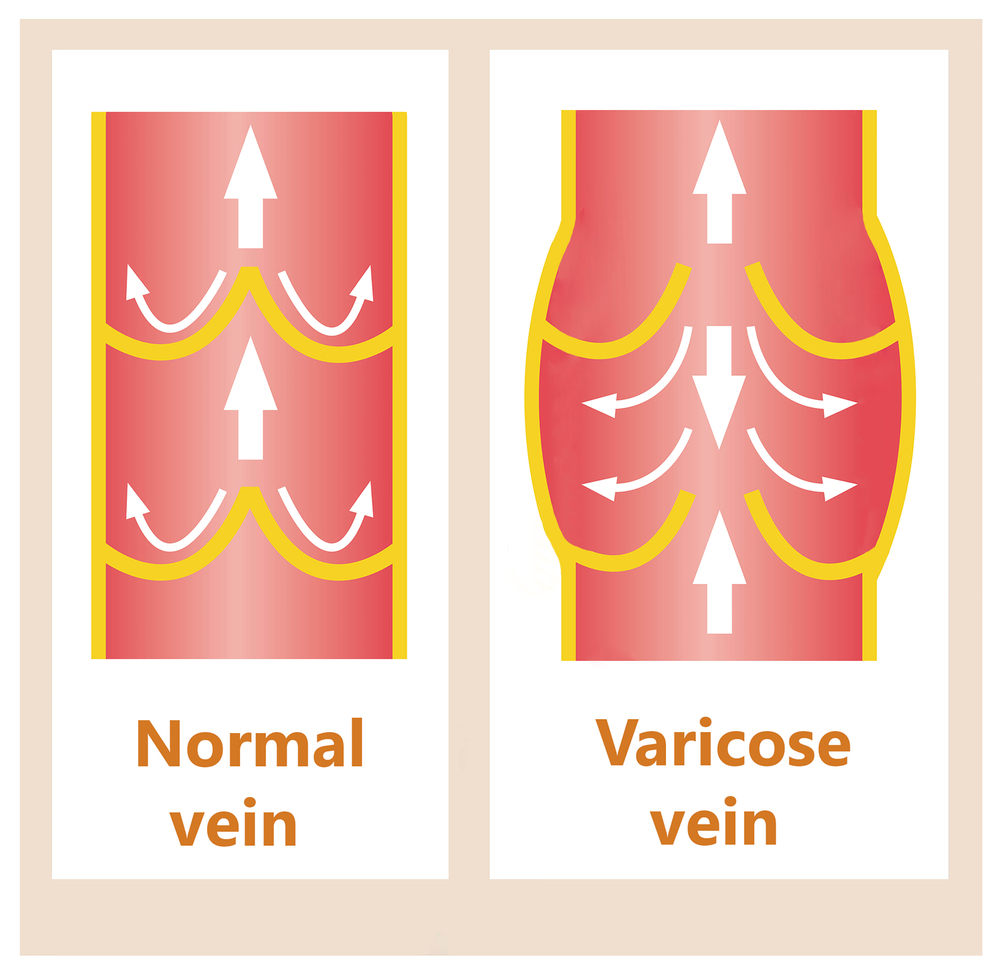
- Venous Valves: Inside your veins are tiny, one-way flaps of tissue called valves. As blood flows up, these valves open. When gravity tries to pull the blood back down, the valves snap shut, preventing backward flow, also known as reflux.
This elegant system ensures that blood continuously and efficiently circulates back to your heart. When both the muscle pump and the venous valves are working correctly, your legs feel light and healthy. However, when this system is compromised, it sets the stage for chronic vein conditions.
What Is Chronic Venous Insufficiency?
Chronic Venous Insufficiency (CVI) is a progressive medical condition where the veins in your legs are unable to pump blood back to your heart effectively. This happens when the one-way valves inside your veins become damaged or weakened. Instead of closing tightly to prevent blood from flowing backward, they allow blood to leak down and pool in the lower legs. This backward flow is medically termed “venous reflux.”
The persistent pooling of blood increases the pressure inside the veins, a condition known as venous hypertension. Over time, this sustained pressure can cause the veins to stretch, twist, and bulge, leading to the formation of varicose veins. More importantly, it can lead to a host of other symptoms, including pain, swelling, and skin changes, which can significantly impact your daily activities.
CVI is not just a cosmetic issue; it’s a chronic disease that can worsen without proper management. If you’re searching for a “vein specialist near me,” it’s important to find a board-certified professional who can accurately diagnose the root cause of your symptoms. Learn more about how chronic vein condition specialists diagnose and treat CVI.
The Common Causes and Risk Factors for CVI
Chronic Venous Insufficiency can develop for several reasons, often as a result of factors that damage the valves or walls of the veins. Understanding these risk factors can help you identify if you are more susceptible to developing the condition. For an in-depth look at chronic vein conditions and their risk factors, visit the page on chronic vein conditions.
Key Causes of CVI
1. Deep Vein Thrombosis (DVT)
One of the most significant causes of CVI is a history of deep vein thrombosis (DVT), which is a blood clot in a deep leg vein. A clot can cause inflammation and permanently damage the valves within the vein. Even after the clot dissolves or is treated, the valves may remain scarred and unable to function properly, leading to what is known as post-thrombotic syndrome, a form of CVI.
2. Phlebitis
Phlebitis is inflammation of a vein, which can be superficial (in a vein near the skin’s surface) or deep (as in DVT). This inflammation can weaken the vein walls and damage the delicate valve structures, impairing their ability to close correctly.
3. Primary Valve Failure
In many cases, CVI occurs without a history of blood clots. The valves can simply weaken over time due to genetic predisposition, age, or hormonal influences. This is often the primary reason people develop varicose veins and other symptoms of venous insufficiency.
Major Risk Factors
Certain factors can increase your likelihood of developing CVI. These include:
- Age: The risk of CVI increases with age, as the valves in your veins can naturally wear down and lose elasticity over time.
- Family History: A genetic predisposition is a strong risk factor. If your parents or close relatives had varicose veins or CVI, you are more likely to develop it yourself.
- Gender: Women are more prone to developing CVI than men. Hormonal fluctuations during pregnancy, pre-menstruation, and menopause can relax vein walls, and hormone replacement therapy or birth control pills may also increase the risk.
- Pregnancy: During pregnancy, the volume of blood in the body increases, adding pressure on the veins. The expanding uterus also puts direct pressure on the large pelvic veins, which can hinder blood flow from the legs. While vein issues often improve after delivery, the risk of permanent damage increases with multiple pregnancies.
- Obesity: Excess weight adds significant pressure to the veins in your legs, making it harder for them to pump blood back to the heart.
- Prolonged Standing or Sitting: Occupations or lifestyles that involve long periods of standing or sitting can contribute to CVI. When you are stationary for extended periods, your calf muscles are not contracting to help pump blood, causing it to pool in the lower legs and increase venous pressure.
If you have one or more of these risk factors and are experiencing leg symptoms, consulting with a chronic vein condition specialist near you can provide a clear diagnosis and a path toward treatment.
Recognizing the Symptoms of Chronic Venous Insufficiency
The symptoms of CVI often develop gradually and can be easy to dismiss as simple fatigue or a normal part of aging. However, recognizing them early is key to preventing the condition from progressing. Vein symptoms in legs can vary widely from person to person, but some are classic indicators of venous insufficiency.
Early-Stage Symptoms
In the initial stages, CVI symptoms may be mild and intermittent. You might experience:
- Aching or throbbing pain in the legs: This is often a dull ache that worsens after long periods of standing or sitting and feels better when you elevate your legs.
- Leg Heaviness and Fatigue: Your legs might feel unusually heavy, tired, or “full,” making it feel like a chore to walk.
- Swelling (Edema): Mild swelling in the ankles and lower legs, particularly at the end of the day, is a common early sign. You might notice that your socks leave indentations on your skin.
- Itching or Tingling: Some people experience itching or a pins-and-needles sensation on their lower legs or ankles.
- Restless Legs Syndrome: An uncontrollable urge to move your legs, especially at night, can be associated with underlying venous insufficiency.
For more on recognizing vein symptoms, see common chronic vein conditions.
Progressive Symptoms
As CVI advances, the symptoms become more pronounced and persistent. This is when physical changes often become visible.
- Bulging Veins: The appearance of varicose veins—large, twisted, rope-like veins that are visible just under the skin—is a hallmark sign of venous reflux.
- Spider Veins: While often considered a cosmetic issue, the development of spider veins (telangiectasias) can also be a sign of underlying venous pressure from CVI.
- Skin Discoloration: Persistent venous hypertension can force red blood cells out of the veins and into the surrounding tissue. As these cells break down, they release iron, which stains the skin. This can cause the skin around the ankles to take on a brownish or reddish-rust color, a condition known as stasis dermatitis.
- Skin Texture Changes: The skin on the lower legs may become dry, shiny, leathery, or thickened. This condition, called lipodermatosclerosis, occurs as the subcutaneous fat layer becomes inflamed and hardened due to chronic inflammation.
- Venous Ulcers: In the most advanced stages of CVI, the poor circulation and fragile skin can lead to the development of open sores, or ulcers, typically around the ankle. These venous ulcers are often painful, difficult to heal, and prone to infection. Seeking prompt vein treatment near you is critical if you notice any skin breakdown.
Questions about your treatment options? Dr. Fox can help.
Book a ConsultationThis article is part of our Leg Symptom Guide.
How is CVI Diagnosed?
If you are experiencing any of the symptoms mentioned above, the next step is to get a proper diagnosis from a qualified medical professional, such as a varicose vein doctor Manhattan. A correct diagnosis is essential because leg pain and swelling can be caused by various conditions, and treatment must be targeted to the underlying cause.
The diagnostic process typically involves:
- Medical History and Physical Exam: Your doctor will begin by asking about your symptoms, family history, lifestyle, and any risk factors. They will then perform a physical examination of your legs, looking for visible signs of CVI such as varicose veins, swelling, and skin changes. The doctor may also check the pulses in your feet to assess arterial circulation.
- Duplex Ultrasound: The gold standard for diagnosing CVI is a duplex ultrasound. This non-invasive, painless test uses sound waves to create images of your veins and measure the speed and direction of blood flow. An ultrasound technician or the vein specialist themselves will apply a gel to your leg and move a small, handheld device (a transducer) over the skin.
The ultrasound allows the doctor to:
- Visualize the Veins: See the structure of the superficial and deep veins.
- Identify Damaged Valves: The technologist will squeeze your calf to simulate the muscle pump and then release it. The ultrasound will show if blood flows backward (refluxes) through the valves.
- Rule Out Blood Clots: The scan can also detect the presence of a deep vein thrombosis (DVT) as the cause of your symptoms.
Based on the results of the duplex ultrasound, your vein specialist Manhattan can confirm a CVI diagnosis, determine the severity of the condition, and map out which specific veins are affected. You can read more on diagnostic imaging and evaluation at chronic vein conditions.
Modern Treatment Options for Chronic Venous Insufficiency
Fortunately, there have been significant advancements in the treatment of CVI. Gone are the days when painful vein stripping surgery was the only option. Today, most treatments are minimally invasive, performed in an office setting with little to no downtime. The goal of treatment is to close or remove the diseased veins, which reroutes blood to healthy veins and restores normal circulation.
When you seek vein care treatment Manhattan, a specialist will recommend the best approach based on the severity of your condition, the specific veins involved, and your overall health.
Conservative, Non-Invasive Management
For mild cases of CVI, or as a first line of defense, your doctor may recommend conservative lifestyle changes to manage symptoms and slow progression:
- Compression Therapy: Wearing prescription-grade compression stockings is one of the most effective ways to manage CVI. These garments apply steady pressure to your legs, helping to support the vein walls and assist the calf muscles in pushing blood toward the heart.
- Leg Elevation: Elevating your legs above the level of your heart for 30 minutes at a time, several times a day, can help reduce swelling and relieve pressure in the veins.
- Regular Exercise: Activities like walking, swimming, and cycling engage the calf muscles, which helps improve blood flow.
- Weight Management: If you are overweight, losing even a small amount of weight can significantly reduce the pressure on your leg veins.
- Avoiding Prolonged Static Positions: If your job requires long periods of standing or sitting, make an effort to take frequent breaks to walk around or do simple calf exercises.
Read more about conservative and minimally invasive treatments for CVI.
Minimally Invasive Procedures
When conservative measures are not enough, or for more advanced CVI, your doctor may recommend a procedure to close off the faulty veins. At a leading Manhattan vein clinic, these procedures are performed by a board-certified vascular surgeon.
Endovenous Laser Therapy (EVLT)
Endovenous Laser Therapy, also known as endovenous laser ablation (EVLA), is a highly effective treatment for the large veins that are often the source of varicose veins and CVI, such as the great saphenous vein.
- The Procedure: Under local anesthesia, the specialist makes a tiny incision and inserts a thin laser fiber into the diseased vein using ultrasound guidance. The laser is then activated, delivering targeted heat that seals the vein shut. The procedure takes less than an hour.
- The Result: Once the vein is closed, it is gradually absorbed by the body. Blood flow is naturally redirected to nearby healthy veins, and symptoms like pain and swelling resolve.
Radiofrequency Ablation (RFA)
Similar to EVLT, radiofrequency ablation uses heat to close a diseased vein, but it employs radiofrequency energy instead of laser energy. A small catheter is inserted into the vein, delivering controlled heat to the vein wall, causing it to collapse and seal shut.
Sclerotherapy
Sclerotherapy is a popular treatment for both spider veins and smaller varicose veins.
- The Procedure: A varicose vein doctor Manhattan injects a special solution, called a sclerosant, directly into the targeted vein. This solution irritates the lining of the vein, causing it to swell, stick together, and eventually close off.
- Ultrasound-Guided Sclerotherapy: For larger veins that are located deeper beneath the skin, the doctor may use ultrasound to guide the injection accurately. This is often used to treat feeder veins that contribute to surface-level spider veins.
Ambulatory Phlebectomy
This procedure is used to remove large, bulging varicose veins that are close to the skin’s surface.
- The Procedure: The area is numbed with local anesthesia. The vein specialist then makes a series of tiny punctures (2-3 mm) in the skin alongside the vein and uses a small hook-like instrument to remove the vein segment by segment. Because the incisions are so small, they typically do not require stitches.
These modern procedures offer excellent long-term results with minimal discomfort and a quick return to normal activities. For anyone dealing with chronic vein conditions, these treatments provide a reliable path to relief.
The Connection Between Knee Pain and Vein Disease
While many people associate CVI with leg pain and swelling, there can also be a surprising link to knee pain. If you are searching for a “knee pain specialist near me” but haven’t found a clear cause for your discomfort, it may be worth considering a venous evaluation.
Venous hypertension from CVI can cause blood to pool around the knee joint. This can lead to localized swelling, inflammation, and a feeling of heaviness or aching directly in or around the knee. This type of pain is often mistaken for arthritis or an orthopedic issue. A chronic knee pain doctor NYC who is also a vein specialist can determine if your knee discomfort is related to underlying venous reflux.
In some cases, treating the underlying CVI with a procedure like EVLT can significantly reduce or even eliminate the associated knee pain, offering a solution where traditional orthopedic treatments may have failed. An expert orthopedic knee doctor near you may even refer you to a vascular specialist if they suspect a venous component to your pain.
For patients seeking non-surgical knee pain relief, Genicular Artery Embolization (GAE) is one of the most advanced osteoarthritis treatments available today.
Why You Shouldn’t Ignore Chronic Venous Insufficiency
Ignoring the symptoms of CVI is a mistake. This is a progressive disease, meaning it will almost certainly get worse over time if left untreated. What starts as a minor ache or slight swelling can eventually lead to debilitating pain, significant skin damage, and non-healing venous ulcers.
Early intervention not only alleviates your current symptoms but can also prevent these more severe complications from developing. Seeking an evaluation from the best vein doctor near you is a proactive step toward protecting your long-term health and mobility.
Living with the discomfort of CVI is not something you have to accept. With today’s advanced and minimally invasive therapies, relief is more accessible and effective than ever. If you recognize yourself in the symptoms described—the aching, the heaviness, the visible veins—it’s time to take action. Schedule a consultation with a vein specialist to get a definitive diagnosis and learn about the personalized treatment options that can restore the health of your legs and improve your overall well-being.
Learn more about CVI, symptoms, and all modern treatment options at Chronic Vein Conditions – Fox Vein & Vascular.