Making the decision to see a doctor about your legs is a big step. Whether you have been hiding bulging veins under long pants for years or you have just started noticing aching vein pain at the end of the day, scheduling that first appointment can feel daunting. Many patients put off visiting a vein specialist in Manhattan simply because they don’t know what to expect. Will it hurt? Will I need surgery immediately? Is it expensive?
The good news is that a modern vein consultation is a straightforward, non-invasive, and informative experience. Gone are the days of intimidating hospital visits. Today, walking into a Manhattan vein clinic feels more like visiting a specialized medical spa than a surgical ward.
If you have been searching for a Vein specialist near me but hesitating to click “book,” this guide is for you. We will walk you through every step of the initial consultation, from the paperwork to the diagnosis, so you can feel confident and prepared.
Why You Should Schedule a Consultation
Before we dive into the “what,” let’s briefly touch on the “why.” Many people dismiss varicose veins and spider veins as purely cosmetic issues. While the appearance of your legs is certainly important for your confidence, these visible signs are often indicators of an underlying medical condition known as Chronic Venous Insufficiency (CVI).
You should consider booking a consultation if you experience:
- Leg swelling and veins that look enlarged or twisted.
- Heaviness or fatigue in the legs, especially after standing.
- Restless legs at night.
- Changes in skin texture or color around the ankles.
- Itching or burning sensations over specific veins.
Seeing a Best vein doctor near me isn’t just about vanity; it’s about preserving your mobility and vascular health.
If you want to understand which treatments are available in detail, check out the Manhattan vein treatment options to see how leading clinics address these concerns.
Step 1: Arrival and Medical History
When you first arrive at a dedicated center like Fox Vein Care, the atmosphere is designed to be welcoming and professional. Your visit begins, like most medical appointments, with some paperwork. However, the questions asked by a chronic vein condition specialist near me will be very specific to your vascular health.
What We Need to Know
Your doctor needs a clear picture of your overall health to create a safe treatment plan. Be prepared to discuss:
- Current Symptoms: Do you have vein pain? Is there swelling? How long have you noticed the bulging veins?
- Family History: Genetics play a massive role in vein disease. If your parents or grandparents had varicose veins, you are much more likely to develop them.
- Lifestyle Factors: Do you stand all day for work? Do you smoke? Have you been pregnant recently? (Pregnancy places significant pressure on the venous system).
- Past Treatments: Have you tried compression stockings before? Have you had vein stripping or injections in the past?
Honesty is key here. Even if you think a symptom is unrelated, like knee pain, mention it. Vascular specialists sometimes treat conditions like knee osteoarthritis through advanced procedures, so a comprehensive history helps them connect the dots.
Learn more about our team and approach here.
Step 2: The Physical Examination
Once your history is taken, you will move to an exam room. A vein specialist in Manhattan will perform a physical examination of your legs. You will likely be asked to stand up for part of this exam.
Why Stand Up?
Gravity is the enemy of weak veins. When you lie down, the pressure in your leg veins drops, and varicose veins may flatten out and disappear. By having you stand, the doctor can see how your veins behave under the pressure of gravity. They are looking for:
- Visible ropey or bulging veins.
- Clusters of spider veins around the ankles or knees.
- Swelling (edema) in the lower legs.
- Skin discoloration (stasis dermatitis) which indicates long-term vein disease.
- Signs of healed or active ulcers.
This visual inspection gives the doctor a roadmap, but it doesn’t tell the whole story. To see what is happening inside the veins, they need technology.
Step 3: The Ultrasound Scan (The Gold Standard)
This is the most critical part of your consultation. If you go to a doctor who claims to treat veins but does not perform an ultrasound, you are likely in the wrong place.
A Manhattan vein clinic relies on Duplex Ultrasound technology to diagnose vein disease accurately. This is a non-invasive, painless test that uses sound waves to create images of your veins and measure the speed and direction of blood flow.
What Happens During the Ultrasound?
- Gel Application: A warm gel is applied to your leg to help the transducer (wand) make contact with the skin.
- Imaging: The technologist or doctor glides the wand over your leg, from the groin down to the ankle.
- Squeezing: You might feel the technician gently squeezing your calf. This is done to force blood upward. They then watch the screen to see if the blood flows back down (reflux) when they let go.
What Are They Looking For?
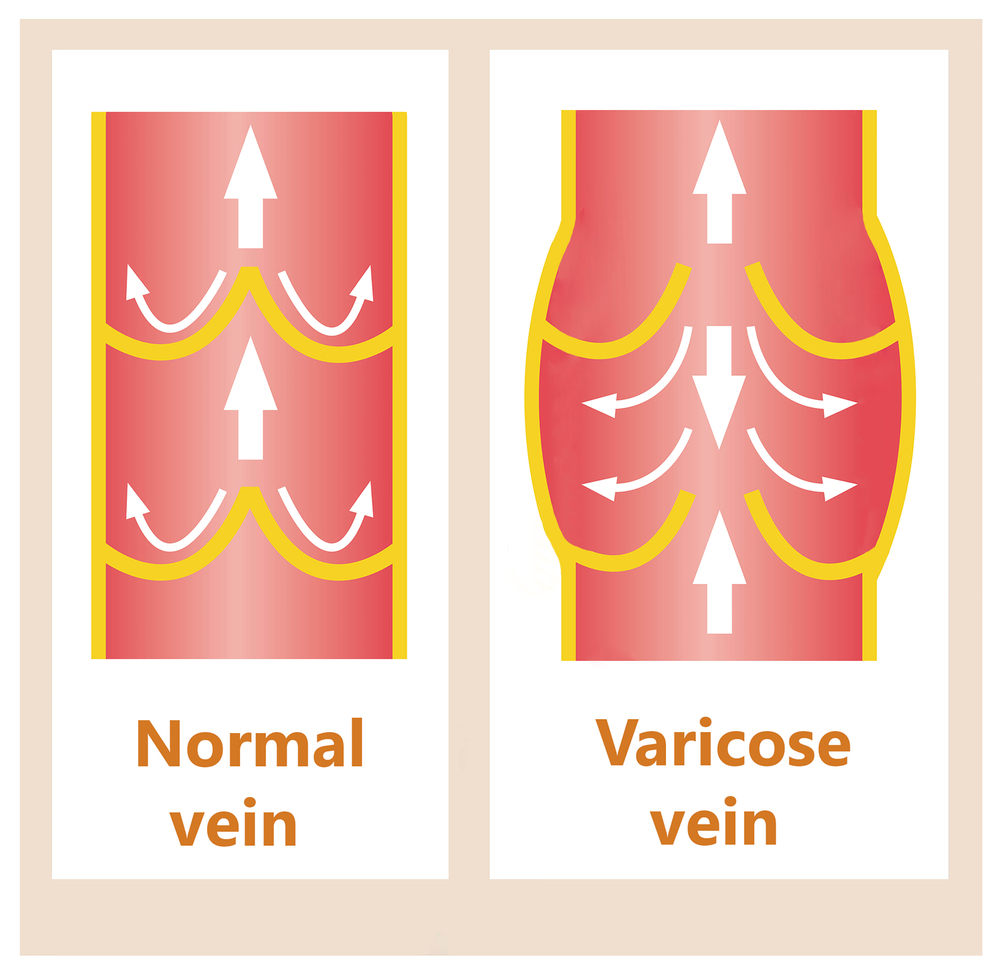
They are looking for Venous Reflux. Healthy veins have valves that snap shut to prevent blood from flowing backward. In a diseased vein, these valves are “incompetent” or leaky. The ultrasound confirms exactly which veins are leaking and how severe the reflux is. This ensures that any vein care treatment Manhattan plan targets the root cause, not just the surface symptoms.
Step 4: The Diagnosis and Explanation
After the scan, the Varicose vein doctor in Manhattan will review the images with you. This is often an educational moment for patients. You might see your own vein on the screen and watch the color change as blood flows the wrong way.
Your doctor will explain:
- The Severity: Is this a cosmetic issue, or do you have significant Chronic Venous Insufficiency?
- The Anatomy: Which specific veins are causing the problem? (Common culprits are the Great Saphenous Vein or the Small Saphenous Vein).
- The Risks: What happens if you don’t treat it? (e.g., increased risk of DVT, worsening vein symptoms in legs, or skin ulcers).
This conversation is your opportunity to ask questions. A Best vein doctor near me will take the time to ensure you understand your condition rather than rushing you into a procedure.
Step 5: Discussing Treatment Options
Once the diagnosis is clear, the conversation shifts to solutions. Modern vein care is incredibly diverse, and the right treatment depends on your specific anatomy and goals.
Conservative Therapy
Insurance companies often require a period of “conservative therapy” before they approve procedures. This might include:
- Wearing medical-grade compression stockings.
- Elevating your legs daily.
- Weight management.
- Taking breaks to walk if you have a sedentary job.
Minimally Invasive Procedures
If conservative measures aren’t enough (and they rarely cure the underlying valve issue), your specialist will recommend intervention. Unlike the old days of “vein stripping,” today’s treatments are:
- In-office: No hospital stay required.
- Local Anesthesia: No going to sleep or general anesthesia risks.
- Quick: Most take under an hour.
- Walk-in, Walk-out: You can usually drive yourself home.
Common options discussed might include:
- Endovenous Laser Ablation (EVLT): Using heat to seal the main refluxing vein.
- Sclerotherapy: Injecting a foam or liquid to close smaller varicose veins and spider veins.
- Phlebectomy: Removing bulging surface veins through tiny micro-incisions.
- VenaSeal: Using a medical adhesive to glue the vein shut.
Explore our full range of vein treatments here.
Step 6: Insurance and Financial Consultation
Before you leave, you will likely meet with a financial coordinator or office manager. Vein treatment often occupies a gray area in patients’ minds—is it medical or cosmetic?
The “Medical Necessity” Distinction
- Medical: If you have symptoms like pain, swelling, heaviness, or skin changes, and your ultrasound shows reflux, most insurance plans consider treatment “medically necessary.” This covers procedures for varicose veins and venous insufficiency.
- Cosmetic: If you have only spider veins with no pain and no underlying reflux, treatment is typically considered cosmetic and is an out-of-pocket expense.
The staff at a specialized vein treatment near me center are experts at navigating these codes. They will:
- Verify your insurance benefits.
- Determine if you need a referral.
- Explain any deductibles or co-pays.
- Submit the necessary documentation (including your ultrasound report and symptom checklist) to your insurance provider for pre-authorization.
Questions about your treatment options? Dr. Fox can help.
Book a ConsultationThis article is part of our Insurance Coverage Guide.
This article is part of our Leg Symptom Guide.
How to Prepare for Your Consultation
To get the most out of your visit to a Vein specialist near me, a little preparation goes a long way.
- Hydrate: Drinking water makes your veins easier to see and access, which can help with the ultrasound.
- Wear Loose Clothing: You will need to expose your legs for the exam. Loose shorts are ideal, but most clinics provide disposable shorts or gowns.
- Skip the Lotion: Do not apply heavy moisturizers or oils to your legs on the day of the appointment, as this can interfere with the ultrasound gel or tape.
- Bring Your Cards: Have your insurance card and ID ready.
- Write Down Questions: It’s easy to forget what you wanted to ask once you are in the exam room.
Common Questions Patients Ask During the First Visit
Here are some questions you might want to ask your Manhattan vein clinic specialist:
“Will my insurance cover this?”
As mentioned, this depends on “medical necessity,” but the office staff will check this for you.
“How much downtime will I need?”
For most modern treatments, downtime is minimal. You might need to avoid heavy gym workouts for a week, but you can walk and work immediately.
“Will the veins come back?”
Treated veins are gone forever. However, if you are prone to vein disease, other veins can develop issues later. A chronic vein condition specialist near me will discuss a maintenance plan.
“Does the treatment hurt?”
Most patients report feeling only a small pinch from the numbing medicine. The actual procedures are generally painless.
Red Flags: What to Avoid
Not all clinics are created equal. When searching for Vein care treatment Manhattan, be wary if:
- The doctor does not perform an ultrasound before recommending treatment.
- They promise “guaranteed” results (medical outcomes can never be 100% guaranteed).
- They pressure you to sign up for expensive packages on the spot.
- The facility looks unclean or disorganized.
A reputable clinic like Fox Vein Care prioritizes patient education and safety above sales.
Beyond the Legs: Other Conditions Evaluated
While you are there, it is worth noting that vascular specialists are experts in the entire circulatory system. If you have other issues, your consultation might touch on them.
- Hand and Face Veins: If you are self-conscious about prominent veins on your hands or face, ask about cosmetic treatments.
- Knee Pain: Surprisingly, some knee pain is vascular in nature. If you have osteoarthritis, ask about Genicular Artery Embolization (GAE).
- Peripheral Arterial Disease (PAD): If you have pain in your calves when walking that stops when you rest, mention this. It could be arterial blockage, not venous.
Learn more about our arterial and knee pain treatments.
Taking the First Step
The hardest part of the process is often just walking through the door. Many patients live with vein pain and leg swelling and veins for years, thinking it is just a normal part of aging. It isn’t.
By scheduling a consultation with a Best vein doctor near me, you are taking control of your health. You are choosing to stop hiding your legs and start living without discomfort. The first visit is easy, informative, and the gateway to feeling like yourself again.
Conclusion: Confidence in Your Care
Your first vein consultation is a comprehensive health evaluation. It is a partnership between you and your doctor to uncover the hidden causes of your discomfort. From the high-tech ultrasound to the personalized treatment plan, every step is designed to be transparent and reassuring.
If you are ready to address your bulging veins or spider veins, do not wait until symptoms worsen. Find a Vein specialist in Manhattan who can guide you toward better vascular health.
At Fox Vein Care, we are dedicated to providing a comfortable, informative, and effective experience from day one. Schedule your consultation today and take the first step toward healthier, happier legs.
Key Takeaways
- It’s Not Just Cosmetic: Consultations screen for Chronic Venous Insufficiency, a progressive medical condition.
- Expect an Ultrasound: This is the most crucial part of the exam to visualize blood flow and reflux.
- Standing Exam: Doctors examine you while standing to see how gravity affects your veins.
- Minimal Downtime: Modern treatments discussed during the consult are typically in-office and allow for immediate return to activity.
- Insurance Help: Specialized clinics have staff dedicated to helping you get coverage for medically necessary procedures.
Frequently Asked Questions
How long does a consultation take?
Typically, you should budget about 45 minutes to an hour. This includes the paperwork, the ultrasound scan, and the discussion with the doctor.
Can I drive myself home after the consultation?
Yes, absolutely. The consultation involves no sedation. Even after most treatments, you can drive yourself home.
Do I need a referral to see a vein specialist?
This depends entirely on your insurance plan. HMOs usually require one; PPOs usually do not. It is best to call the clinic or your insurer to verify.
What if I am pregnant?
You can still have a consultation! While active procedures are usually postponed until after delivery, a Vein specialist near me can prescribe compression stockings to help manage the severe swelling and pain often associated with pregnancy.