We all have things we procrastinate on. Maybe it’s fixing that leaky faucet, organizing the garage, or finally booking that dental check-up. But when it comes to your vascular health, procrastination can be more than just an inconvenience—it can be a risk to your long-term well-being.
If you have noticed purple lines or bulging veins on your legs, you might be playing the waiting game. You might tell yourself, “They don’t look that bad,” or “I’ll see a doctor if they start to hurt.” It is a common narrative. Many people view varicose veins as a cosmetic flaw, something to be covered up with long pants rather than treated by a medical professional.
However, vein disease is not a static condition. It is progressive. What starts as a small spider vein can evolve into a large, painful varicose vein, which can eventually lead to chronic swelling, skin damage, and even ulcers. The question isn’t usually if you should see a doctor, but when.
If you are currently searching for a Vein specialist near me or wondering if your symptoms warrant a visit to a Manhattan vein clinic, this guide is for you. We will explore the specific signs, symptoms, and lifestyle factors that indicate it is time to stop waiting and start seeking expert care.
The “Wait and See” Trap
Why do so many people delay treatment? Often, it is due to misconceptions about what vein disease actually is. Because varicose veins are visible on the surface of the skin, it is easy to categorize them alongside wrinkles or gray hair—unwanted signs of aging, but medically harmless.
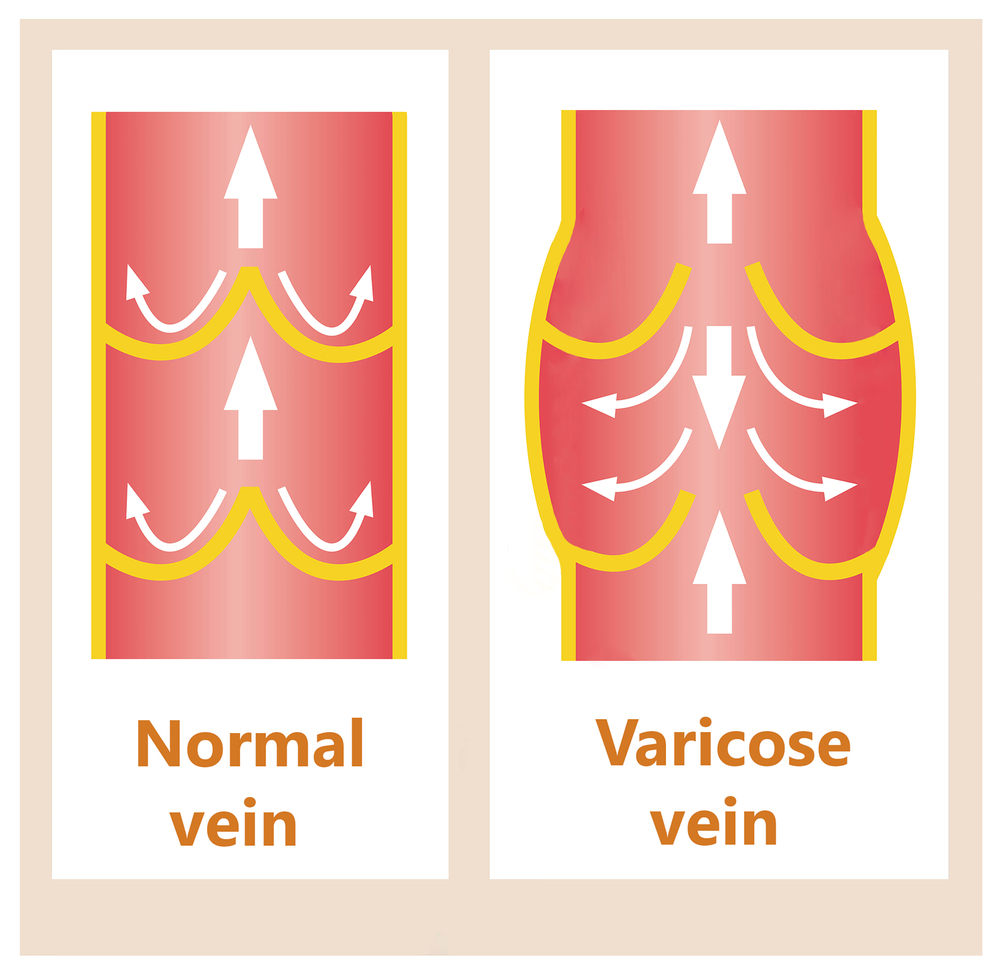
This “cosmetic myth” is dangerous. Unlike gray hair, varicose veins are a sign of mechanical failure in your circulatory system. They indicate that the valves in your leg veins—which are supposed to keep blood flowing up to your heart—are malfunctioning. This leads to venous reflux, where blood leaks backward and pools in your legs.
Waiting until the problem becomes unbearable often means the disease has progressed to a more advanced stage. This can make treatment more complex and recovery longer. Early intervention is always preferable.
5 Clear Signs It’s Time to Book an Appointment
While everyone’s pain tolerance and cosmetic concerns are different, there are five clear indicators that your vein issues require professional attention from a Varicose vein doctor Manhattan.
1. You Experience Persistent Pain or Discomfort
This is the most obvious sign, yet the one most frequently ignored. Vein pain doesn’t always feel sharp or acute. It often manifests as:
- A Dull Ache: A constant, low-level throbbing in the lower legs.
- Heaviness: Your legs feel like lead weights, especially by the end of the day.
- Burning: A sensation of heat or stinging, particularly over the veins themselves.
- Tenderness: The veins feel sore to the touch.
If you find yourself needing to sit down and elevate your legs just to get relief after a day of work, your veins are affecting your quality of life. You shouldn’t have to live with daily discomfort.
2. You Notice Swelling (Edema)
Do your socks leave deep indentations in your ankles? Do your shoes feel tight in the evening? Swelling is a classic sign of Chronic Venous Insufficiency. When the valves fail, fluid leaks out of the veins and into the surrounding tissue.
Occasional swelling after a long flight might be normal, but chronic swelling is a medical issue. If left untreated, this fluid buildup can damage your lymphatic system and lead to permanent changes in the size and shape of your legs. A Chronic vein condition specialist near me can help identify the cause of the swelling and prescribe treatments to reduce it.
3. The Appearance of Your Legs is Changing
Beyond just the veins themselves, look at the skin around your ankles and shins. Are you seeing:
- Redness or Inflammation: This is often misdiagnosed as dry skin or eczema.
- Brown Discoloration: Hemosiderin staining occurs when red blood cells break down in the tissue, leaving permanent rusty-brown patches.
- Hardening: The skin feels tight, woody, or leather-like.
These skin changes, known as stasis dermatitis or lipodermatosclerosis, are red flags. They indicate that the high pressure in your veins is damaging the skin from the inside out. This is a critical time to seek vein care treatment Manhattan before the skin breaks down completely.
4. You Have Bleeding or Ulcers
If you have an open sore on your leg that is slow to heal, particularly near the ankle, it is likely a venous stasis ulcer. These wounds are difficult to treat without addressing the underlying vein disease. Similarly, if a varicose vein bursts and bleeds, it is a medical emergency. The high pressure in these veins can cause significant blood loss from even a minor scratch.
5. You Have a History of Blood Clots
If you have ever had a superficial blood clot (phlebitis) or a Deep Vein Thrombosis (DVT), you need to be under the care of a vascular specialist. Varicose veins increase the risk of superficial clots, and a history of clotting suggests your vascular system is vulnerable.
The Lifestyle Impact: When Veins Hold You Back
Sometimes the signs aren’t physical symptoms, but rather limitations on your life. You should consider seeing a Best vein doctor near me if:
- You Avoid Activity: Are you skipping the gym because your legs hurt when you run? Are you avoiding walks with friends because your legs feel heavy? Inactivity makes vein disease worse, creating a vicious cycle.
- You Hide Your Legs: If you refuse to wear shorts or swimsuits in the summer because you are embarrassed by your legs, your condition is impacting your mental well-being. Confidence is a valid reason to seek treatment.
- You Can’t Sleep: Night cramps (Charley horses) and Restless Leg Syndrome are strongly linked to vein disease. If your legs are keeping you awake, it’s time to see a specialist.
Why a General Practitioner Isn’t Enough
You might be thinking, “I’ll just mention it to my primary care doctor at my next physical.” While your GP is a great starting point, they are not specialists in vascular hemodynamics.
General practitioners often prescribe compression stockings and tell you to exercise. While this is good advice, it is “conservative management.” It manages the symptoms but does not fix the broken valve.
A dedicated Manhattan vein clinic like Fox Vein and Vascular has specialized tools that a GP office does not.
- Diagnostic Ultrasound: We use high-resolution duplex ultrasound to map the blood flow in your legs. We can see exactly which valves are leaking and measure the severity of the reflux.
- Minimally Invasive Interventions: We offer treatments that actually close the diseased vein, fixing the root cause rather than just masking the symptoms.
- Specialized Knowledge: Dr. David Fox is a board-certified vascular surgeon. He deals with veins and arteries all day, every day. His depth of knowledge ensures you get the most appropriate, safe, and effective care.
To understand the difference a specialist makes, read about our approach on the Manhattan Vein Doctor page.
What to Expect at Your First Appointment
Fear of the unknown is a big reason people delay seeing a Vein specialist near me. You might worry that the exam will be painful or that you’ll be pressured into surgery. Let’s demystify the process.
The Consultation
Your first visit is a conversation. You will discuss your medical history, your family history (genetics play a huge role), and your symptoms. Be honest about how your legs feel—don’t downplay the pain.
The Physical Exam
The doctor will examine your legs while you are standing. This allows gravity to fill the veins so they can see the full extent of the bulging. They will check for swelling and skin changes.
The Ultrasound
This is the most important part. A technician will apply warm gel to your leg and use an ultrasound wand to visualize the veins. It is painless and non-invasive. You might hear the “whoosh” sound of your blood flow. This scan gives the doctor a roadmap of your venous system.
The Treatment Plan
Based on the ultrasound, Dr. Fox will create a customized plan. If your issues are purely cosmetic spider veins, the plan might involve sclerotherapy. If you have significant reflux, he might recommend Endovenous Laser Therapy (EVLT).
You can learn more about these specific procedures on our Manhattan Vein Treatment page. For additional detail about modern varicose vein treatments and recovery timeframes, visit this comprehensive guide to varicose vein treatment in Manhattan.
Questions about your treatment options? Dr. Fox can help.
Book a ConsultationDoes Insurance Cover It?
This is the million-dollar question. Many patients assume vein treatment is “plastic surgery” and therefore not covered.
Here is the general rule:
- Spider Veins: Usually considered cosmetic and not covered.
- Varicose Veins: If they are causing symptoms (pain, swelling) and an ultrasound confirms reflux, they are considered a medical condition. Most insurance plans, including Medicare, cover the treatment of symptomatic varicose veins.
A reputable Manhattan vein clinic will have an administrative team dedicated to helping you navigate your insurance benefits. They will submit the ultrasound findings and medical necessity letters to your provider to get pre-authorization.
The Risks of Waiting Too Long
We’ve established that vein disease is progressive. But what are the actual risks of waiting another year?
- Increased Complexity: Treating small, straight varicose veins is easier than treating massive, twisted, tortuous ones. Waiting often means you will need more extensive treatment sessions.
- Permanent Skin Damage: Once hemosiderin staining (the brown discoloration) sets in, it is often permanent, even after the veins are fixed. Treating early prevents this staining from happening in the first place.
- DVT Risk: While rare, untreated superficial vein disease does increase the risk of Deep Vein Thrombosis. This is a serious clot in the deep veins that can travel to the lungs.
- Age Factors: As we age, our skin becomes thinner and our healing slows down. It is generally easier to recover from vein procedures when you are younger and healthier.
It’s Not Just About Legs
It is worth noting that vascular specialists like Dr. Fox treat more than just leg veins. If you are experiencing other vascular or pain issues, it’s a good opportunity to get a comprehensive evaluation.
For instance, Fox Vein and Vascular also specializes in treating:
- Hand Veins: For those seeking cosmetic rejuvenation of the hands.
- Chronic Knee Pain: Using Genicular Artery Embolization (GAE), a minimally invasive treatment for knee osteoarthritis.
- Peripheral Arterial Disease (PAD): Poor circulation in the arteries affecting the legs and feet.
You can explore the full scope of our practice on the Services page.
Preparing for Your Visit
If you have decided it is time to see a Varicose vein doctor Manhattan, here are a few tips to make your visit productive:
- Hydrate: Drink plenty of water before your appointment. It makes the veins easier to visualize on ultrasound.
- Bring Shorts: You will need to expose your legs for the exam. Bringing a pair of loose-fitting shorts can make you more comfortable.
- List Your Symptoms: Write down when your legs hurt, what makes it better or worse, and any family history of vein problems.
- Skip the Lotion: Do not apply heavy lotions or oils to your legs on the day of the exam, as it can interfere with the ultrasound gel or tape.
Modern Treatment: It’s Easier Than You Think
If your mental image of vein treatment involves a hospital stay, general anesthesia, and weeks of painful recovery, you are stuck in the past.
“Vein stripping” is largely obsolete. Today, vein treatment near me involves:
- No Hospitalization: Procedures are done right in the office.
- Local Anesthesia: You are awake and comfortable; the leg is simply numbed.
- No Stitches: Treatments like EVLT and sclerotherapy use tiny punctures that heal without sutures.
- Immediate Walk-Out: You walk out of the office and can usually return to work the same or next day.
Technology has transformed this field, making relief accessible and convenient for busy New Yorkers.
Conclusion: Prioritize Your Health Today
Your legs carry you through life. They allow you to work, play, travel, and care for your family. They deserve to be healthy and pain-free.
If you have been ignoring your vein symptoms in legs, consider this your wake-up call. The signs—pain, swelling, skin changes, and visible bulging—are your body’s way of asking for help.
Don’t wait for an ulcer to form or a clot to develop. Don’t wait until you can no longer enjoy a walk in Central Park because your legs are too heavy.
Finding the Best vein doctor near me is the first step toward reclaiming your active lifestyle. At Fox Vein and Vascular, Dr. David Fox and his team are ready to provide the expert, compassionate care you need.
Stop waiting and start healing.
Contact Fox Vein and Vascular today to schedule your comprehensive evaluation. Whether you need cosmetic improvement or medical intervention, we are the premier Manhattan vein clinic dedicated to your vascular health.