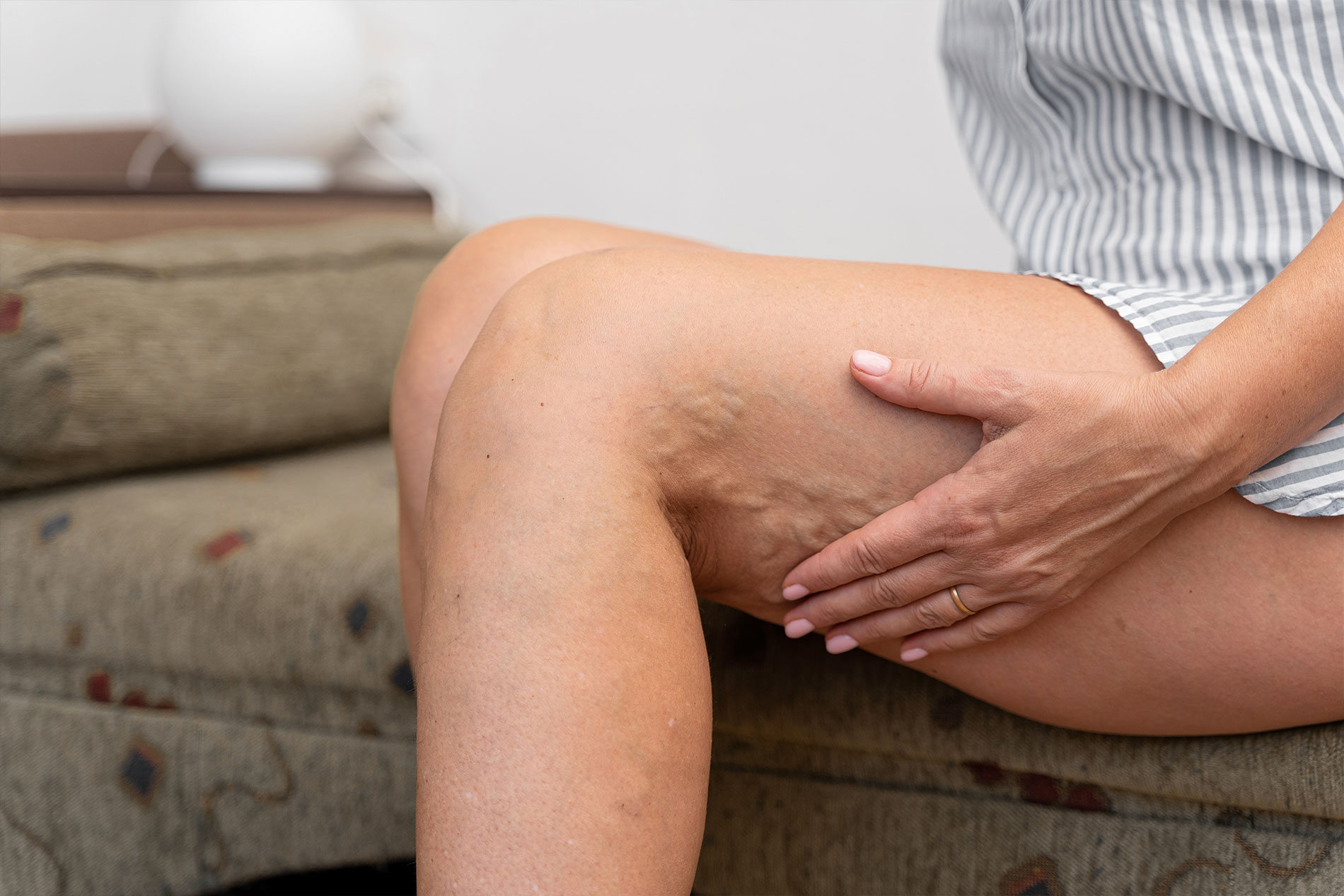

When you have a sore throat or a fever, your first instinct is likely to call your primary care physician (PCP) or a general doctor. These medical professionals are the gatekeepers of our health, handling everything from annual physicals to managing diabetes and high blood pressure. But what happens when you notice bulging veins on your legs, or experience persistent heaviness and leg swelling and veins that just won’t go away?
This is where the distinction between a general doctor and a specialized vein specialist in Manhattan becomes critical. While a general practitioner plays a vital role in your overall well-being, the intricate vascular system often requires a more focused, expert approach.
If you have been searching for a Vein specialist near me or wondering if your general doctor can handle your varicose veins, this guide will break down the crucial differences in training, diagnosis, and treatment options. Understanding these distinctions can save you time, money, and unnecessary discomfort.
The Role of the General Doctor (Primary Care Physician)
Your primary care doctor is a generalist. They are trained to look at the “big picture” of your health. They are excellent at:
- Preventative care and screenings.
- Diagnosing common illnesses (flu, infections).
- Managing chronic systemic conditions like hypertension or diabetes.
- Coordinating care and referring you to specialists.
When it comes to vein health, a general doctor can often recognize the visible signs of venous disease, such as spider veins or significant swelling. They might prescribe compression stockings or suggest lifestyle changes like weight loss and elevation. However, their toolkit usually stops there. They typically do not have the specialized equipment to diagnose the root cause of the problem, nor the surgical training to fix it permanently.
The Role of a Vein Specialist (Vascular Doctor)
A vein specialist—often a board-certified vascular surgeon or a phlebologist—is a physician who has dedicated their career to the diagnosis and treatment of vein and vascular diseases.
When you visit a Manhattan vein clinic like Fox Vein Care, you are seeing a doctor who understands the hemodynamics (blood flow) of the body in intricate detail. A varicose vein doctor in Manhattan doesn’t just see a bulge on the skin; they see a complex network of valves and vessels and understand exactly where the failure has occurred.
Key Differences at a Glance
- Training: Specialists undergo years of additional fellowship training specifically in vascular surgery or venous medicine.
- Diagnostics: Specialists have on-site vascular labs with high-resolution ultrasound technology.
- Treatment: Specialists offer minimally invasive surgical interventions, whereas general doctors typically offer conservative management (wait-and-see).
Why Specialization Matters for Vein Care
You might think, “It’s just a vein, how complicated can it be?” The reality is that the vascular system is incredibly complex. Vein symptoms in legs are often just the tip of the iceberg.
The Hidden Complexity of Chronic Venous Insufficiency
Visible varicose veins are usually a symptom of an underlying condition called Chronic Venous Insufficiency (CVI). This occurs when the tiny valves inside your veins fail to close properly, allowing blood to flow backward (reflux) and pool in your legs.
A general doctor might treat the surface symptom (the pain or the swelling) with medication. A chronic vein condition specialist near me treats the valve failure. By fixing the reflux, they stop the progression of the disease.
Misdiagnosis Risks
Without specialized diagnostic tools, leg pain can be easily misdiagnosed.
- Is it muscle pain or vein pain?
- Is the swelling from heart failure or vein disease?
- Is that leg cramp a nutrient deficiency or a sign of poor circulation?
A Best vein doctor near me has the expertise to differentiate between these conditions, ensuring you get the right treatment faster.
Diagnostic Capabilities: The Ultrasound Advantage
One of the biggest differences between a general practitioner’s office and a dedicated vein care treatment Manhattan center is the technology available on-site.
The General Doctor’s Office
If you complain of leg pain to a general doctor, they will perform a physical exam. They might press on your legs to check for swelling or look at the color of your skin. If they suspect a serious clot (DVT), they will likely send you to a hospital or an external imaging center for an ultrasound. This creates a delay in diagnosis and treatment.
The Vein Specialist’s Office
At a specialized clinic, diagnostic testing is often immediate.
- Duplex Ultrasound: This is the gold standard for vein diagnosis. It allows the doctor to see the structure of your veins and visualize the blood flowing through them in real-time.
- Mapping: A vein specialist near me will “map” your venous system, identifying exactly which veins are healthy and which are refluxing. This map serves as the blueprint for your treatment plan.
To get a detailed overview of vein treatment options as well as the diagnostic process, you can visit this comprehensive page on Manhattan vein treatment.
Treatment Options: Conservative vs. Curative
The approach to treating vein pain varies significantly between generalists and specialists.
Conservative Management (General Doctor)
Because general doctors cannot perform vein procedures, their goal is usually symptom management. They may recommend:
- Compression Stockings: Tight socks that squeeze the legs to help move blood up. While helpful for symptoms, they do not fix the broken valves.
- Analgesics: Pain relievers like ibuprofen to handle inflammation.
- Elevation: Keeping legs up to reduce swelling.
While these are good adjunctive therapies, they are rarely cures. If you stop wearing the stockings, the symptoms return immediately.
Curative Interventions (Vein Specialist)
A Manhattan vein clinic offers solutions that fix the problem permanently. Modern vein care has moved away from invasive hospital surgeries to minimally invasive, in-office procedures.
- Endovenous Laser Ablation (EVLT): Using laser energy to close off the diseased vein.
- Sclerotherapy: Injecting a solution to collapse spider and varicose veins.
- Ambulatory Phlebectomy: Removing bulging veins through tiny pinhole incisions.
- VenaSeal: Using medical adhesive to seal the vein shut.
These treatments address the root cause—the refluxing vein—redirecting blood flow to healthy veins and relieving leg swelling and veins for the long term.
Explore our full range of vein treatments.
When to See a General Doctor for Leg Issues
There are times when your primary care physician is the right first stop.
- Sudden onset trauma: If you fell and hurt your leg.
- Generalized swelling: If you have swelling in your face, hands, and legs all at once (which could indicate kidney or heart issues).
- Infection: If you have a fever and red streaks running up your leg (cellulitis), a general doctor or ER is appropriate.
However, if your issues are chronic, localized to the legs, or involve visible bulging veins, skipping the generalist and going straight to a specialist is often more efficient.
Signs You Need a Vein Specialist Immediately
You should actively search for a Vein specialist Manhattan if you experience:
- Visual Changes: You see ropey, twisted veins or clusters of red/blue spider veins.
- Skin Changes: The skin on your ankles or shins is becoming brown, leathery, or red.
- Chronic Symptoms: Your legs feel heavy, tired, or achy at the end of every day.
- Bleeding: If a varicose vein bursts and bleeds (this is a medical emergency, but follow-up requires a specialist).
- Ulcers: Open sores on the lower leg that refuse to heal.
These are signs of advanced venous disease. A general doctor cannot fix the underlying pressure causing these issues; only a vascular specialist can.
Cosmetic vs. Medical Vein Care
Another area of confusion is spider veins. Are they a medical issue or cosmetic?
- General Doctors often view spider veins as purely cosmetic and may tell you “not to worry about them.”
- Vein Specialists know that spider veins can be cosmetic, but they can also be a sign of deeper trouble.
A specialized varicose vein doctor in Manhattan will screen you for underlying valve failure even if you only see spider veins. Treating the surface veins without checking the deeper veins is like painting over a crack in the wall without checking the foundation—the problem will just come back.
For patients seeking aesthetic improvement, a specialist offers the most advanced cosmetic treatments, such as laser therapy and foam sclerotherapy, which yield far superior results compared to what might be offered in a non-specialized med-spa or general practice.
The “Vein Center” Difference
Choosing a dedicated facility means you get an entire team focused on one thing: vascular health. From the front desk staff who know how to navigate insurance codes for vein treatment near me, to the ultrasound technicians who scan legs all day, every day—the level of competency is higher.
At Fox Vein Care, for example, Dr. David Fox brings over 20 years of experience as a board-certified vascular surgeon. This depth of experience allows him to handle complex cases that other doctors might turn away.
Read about Dr. Fox’s background and expertise.
Understanding Insurance Coverage
A common misconception is that seeing a specialist is always more expensive or that vein treatment is never covered by insurance because it is “cosmetic.”
The Truth:
- Most insurance plans do cover treatment for varicose veins and chronic venous insufficiency if you have symptoms (pain, swelling).
- General doctors may not know how to document these symptoms correctly to get you approved for treatment.
- A specialized Manhattan vein clinic has a dedicated team that understands the specific medical necessity requirements of insurance companies. They can help prove that your treatment is medical, not just cosmetic.
Questions to Ask Your Doctor
If you are unsure whether you are in the right place, ask your doctor these questions:
- “Do you perform an ultrasound on my legs right here in the office?” (If no, you are likely at a generalist).
- “What treatment options do you offer besides compression stockings?” (If the answer is “none,” you need a specialist).
- “How many vein procedures do you perform a week?” (A specialist performs dozens; a generalist performs zero).
Beyond Veins: Vascular Specialists and Overall Health
Vascular specialists often treat more than just veins. They are experts in the entire circulatory system.
- Peripheral Arterial Disease (PAD): Specialists treat blockages in the arteries that cause leg pain while walking.
- Knee Pain: Innovative treatments like Genicular Artery Embolization (GAE) for knee arthritis are performed by vascular specialists, not orthopedists or general doctors.
This breadth of knowledge means that if your leg pain isn’t caused by veins, a vascular specialist is the best person to tell you if it is arterial. A general doctor might miss the subtle differences between venous and arterial symptoms.
Learn about our arterial treatments here.
Finding the Best Vein Doctor Near Me
If you have decided that a specialist is right for you, how do you choose the right one?
- Check Credentials: Look for “Board Certified Vascular Surgeon” or diplomats of the American Board of Venous and Lymphatic Medicine.
- Read Reviews: Search for terms like Vein care treatment Manhattan and read patient testimonials.
- Look for Comprehensive Care: Avoid clinics that only do one type of treatment (like only injections). You want a doctor who has a full toolbox of lasers, adhesives, and surgical skills.
Conclusion: Don’t Settle for Symptom Management
Your general doctor is an essential partner in your health, but they are not a substitute for a specialist when it comes to the complex plumbing of your circulatory system. Vein disease is a progressive medical condition. Ignoring it or treating it with “band-aid” solutions like compression stockings alone often allows the condition to worsen over time.
If you are tired of vein pain, embarrassed by bulging veins, or dealing with uncomfortable leg swelling and veins, it is time to seek expert care. A Vein specialist in Manhattan can offer you a precise diagnosis and a permanent solution that gets you back to living your life pain-free.
Don’t wait for your condition to become a crisis. Take control of your vascular health today.
Schedule your consultation with Fox Vein Care.
Key Takeaways
- General Doctors focus on overall health and conservative management (stockings, elevation).
- Vein Specialists (Vascular Surgeons) diagnose the root cause and perform curative procedures.
- Ultrasound technology is critical for diagnosis and is typically only available in a specialist’s office.
- Insurance often covers vein treatment when it is performed by a specialist for medical symptoms.
- Early intervention by a specialist prevents complications like ulcers and clots.
Frequently Asked Questions
Do I need a referral to see a vein specialist?
It depends on your insurance plan. Many PPO plans allow you to book directly with a Manhattan vein clinic without a referral. It is best to call the office or check with your provider.
Can a general doctor treat spider veins?
Some general doctors or dermatologists may offer basic sclerotherapy, but without an ultrasound to check for underlying feeder veins, the results are often poor and the veins may return quickly.
Is vein treatment considered surgery?
Technically, yes, but modern treatments are minimally invasive. They involve needle sticks or tiny incisions, require only local anesthesia, and have little to no downtime.
What if I just have leg pain but no visible veins?
You should absolutely see a specialist. Many cases of venous insufficiency occur deep inside the leg with no visible surface veins. A chronic vein condition specialist near me can diagnose this with ultrasound.
Leading Manhattan Vascular & Vein Specialist
At Fox Vein Care, we provide state-of-the-art vascular and venous treatments, combining advanced diagnostic technology with minimally invasive procedures that prioritize comfort, safety, and outstanding results.
Contact Us