
Pregnancy is a journey of incredible transformation. Your body is doing the miraculous work of growing a new life, and with that comes a long list of physical changes. Some, like the “pregnancy glow” or the feeling of a baby kicking, are wonderful. Others, like morning sickness, backaches, and swollen ankles, are less welcome.
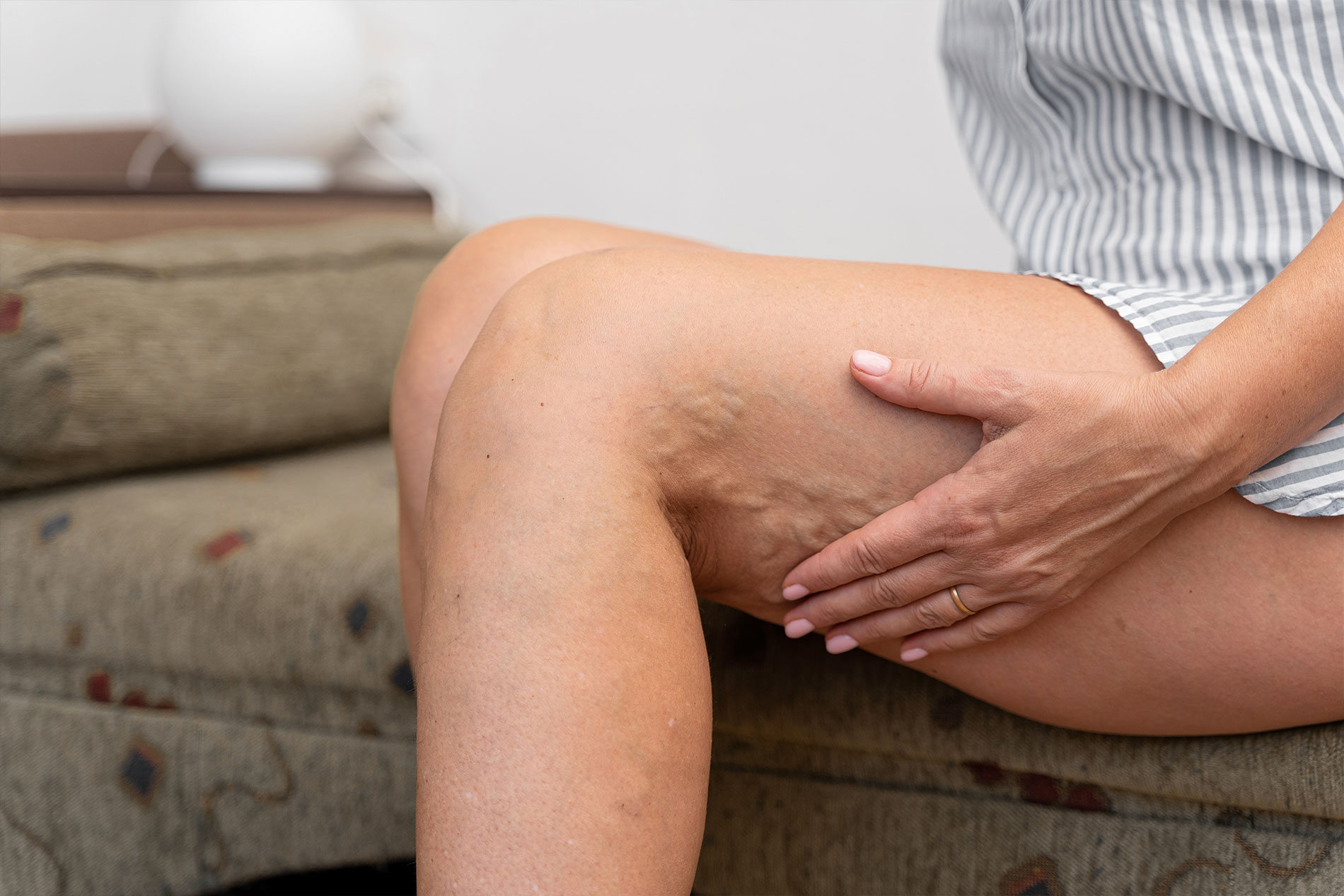
Among the most common—and often distressing—changes women experience are vascular issues. You might look down one day and notice spider veins spreading across your ankles, or perhaps rope-like bulging veins appearing on your calves. For many women, this is their first encounter with venous insufficiency.
While often considered a cosmetic nuisance, varicose veins during pregnancy can be a source of significant discomfort, causing vein pain, heaviness, and aching that makes the already physically demanding task of carrying a baby even harder.
If you are currently pregnant or planning to be, understanding the relationship between pregnancy and your vascular health is essential. In this comprehensive guide, we will explore why these changes happen, how to manage vein symptoms in legs safely while expecting, and why visiting a vein specialist near me after your baby arrives is crucial for your long-term health. We will also discuss how Fox Vein Care, a premier Manhattan vein clinic, can help you reclaim your legs postpartum.
Why Do Varicose Veins Appear During Pregnancy?
It is estimated that up to 40% of pregnant women will develop varicose veins. But why does this happen? It isn’t just bad luck; it is a result of a “perfect storm” of physiological changes designed to support your baby but which unfortunately strain your circulatory system.
1. Increased Blood Volume
From the moment you become pregnant, your body begins to produce more blood. By the end of your pregnancy, your blood volume increases by as much as 50% to nurture the growing fetus. While this is necessary for the baby, it places a significant burden on your veins. Your veins have to work much harder to pump this increased volume of blood against gravity back to your heart. This extra volume can cause the vein walls to stretch and the valves to weaken, leading to pooling blood.
2. The “Relaxing” Hormone: Progesterone
During pregnancy, your body produces high levels of progesterone. This hormone is vital for maintaining the pregnancy and preventing contractions, as it relaxes smooth muscle tissue. However, the walls of your veins also contain smooth muscle.
As progesterone levels rise, your vein walls relax and dilate (widen). When the veins widen, the tiny valves inside them—which act as one-way doors to prevent backflow—may no longer meet in the middle. This allows blood to leak backward (reflux) and pool in the legs, resulting in varicose veins.
3. Physical Pressure from the Uterus
As your baby grows, so does your uterus. This expanding organ sits in your pelvic cavity, directly pressing on the inferior vena cava—the large vein on the right side of your body that carries blood from your legs and feet back to the heart.
This pressure acts like a partial roadblock. It increases the pressure in the leg veins, making it harder for blood to drain out of the legs. This is why leg swelling and veins often become worse in the third trimester when the baby is heaviest.
4. Genetics and Family History
If your mother or grandmother had varicose veins during their pregnancies, the odds are higher that you will too. Genetics play a massive role in the structural strength of your vein walls and valves. While pregnancy is the trigger, your genetic makeup often loads the gun.
Identifying the Symptoms: It’s Not Just Visual
Many women first notice the visual signs, but the physical symptoms can be just as impactful. Identifying these early can help you manage your comfort levels.
Visual Changes
- Spider Veins: These are small, thread-like veins that appear on the surface of the skin. They can look like spider webs or tree branches and are usually red, blue, or purple. They are common on the face, neck, and legs during pregnancy.
- Varicose Veins: These are larger, swollen blood vessels that often look twisted or cord-like. They are typically blue or dark purple and bulge out from the skin.
- Vulvar Varicosities: It is not uncommon for varicose veins to appear in the pelvic area or vulva due to the immense pressure in the pelvis. While alarming to discover, these almost always resolve after delivery.
Physical Sensations
If you are searching for a Varicose vein doctor Manhattan, it is likely because you are feeling more than just self-conscious. Common physical symptoms include:
- Vein pain: A throbbing or burning sensation over the vein.
- Heaviness: Your legs may feel like lead weights, especially at the end of the day.
- Cramping: “Charley horses” or night cramps are common in pregnancy and can be linked to circulation issues.
- Itching: The skin over the vein may become dry, thin, and itchy (venous eczema).
- Swelling: While some edema (swelling) is normal in pregnancy, significant swelling in the ankles and feet can be a sign of venous insufficiency.
Managing Veins While Pregnant: Conservative Care
The bad news is that most definitive medical treatments for varicose veins are not performed during pregnancy or while breastfeeding. Procedures like laser ablation or sclerotherapy carry small risks that are best avoided until after the baby is born.
However, the good news is that there are many ways to manage symptoms and prevent them from getting worse. If you visit a chronic vein condition specialist near me during your pregnancy, they will likely recommend “conservative management.”
1. Compression Stockings are Key
This is the number one recommendation from any best vein doctor near me. Compression stockings provide graduated pressure—tightest at the ankle and loosening as they go up the leg. This mechanical assistance helps squeeze the veins, aiding the muscles in pushing blood back up toward the heart.
- Tip: Put them on first thing in the morning before you get out of bed, before gravity has a chance to make the blood pool.
2. Elevate Your Legs
Whenever possible, defy gravity. If you are sitting, prop your legs up on a stool. Ideally, lie down and elevate your legs above the level of your heart for 15-20 minutes, three times a day. This allows the blood that has pooled in your legs to drain back toward your central circulation.
3. Watch Your Sleeping Position
Sleeping on your left side is widely recommended by obstetricians, and it’s great for your veins too. The inferior vena cava is located on the right side of your spine. By lying on your left, you relieve the pressure of the uterus on this major vein, improving blood flow from your legs.
4. Stay Active
Unless you are on bed rest, movement is medicine. Walking engages the calf muscle pump, which is the body’s natural engine for pushing venous blood upward. Low-impact exercises like swimming are fantastic because the water pressure acts as natural compression for your legs while the buoyancy relieves joint strain.
5. Monitor Weight Gain
Weight gain is necessary and healthy during pregnancy, but gaining excessive weight can place unnecessary strain on your circulatory system. Work with your OB-GYN to stay within recommended guidelines to minimize the load on your veins.
When Leg Pain Isn’t Just Veins: The Knee Connection
Pregnancy changes your center of gravity and adds weight, which can cause orthopedic issues alongside vascular ones. It is very common for pregnant women to experience knee pain. You might find yourself searching for a knee specialist near me or a chronic knee pain doctor NYC thinking you have injured a joint.
Is it Veins or Joints?
- Venous Pain: Usually feels like a dull ache, heaviness, or throbbing throughout the lower leg. It is often worse after standing still and better with elevation.
- Orthopedic Knee Pain: Usually sharp, localized to the knee joint, and worse with movement (like climbing stairs or standing up).
However, the two conditions can feed into each other. Vein symptoms in legs can cause you to walk differently, straining your knees. Conversely, knee pain from the extra pregnancy weight (osteoarthritis flare-ups or general strain) can make you sedentary, which worsens your varicose veins.
At Fox Vein Care, we understand this intersection. While Dr. Fox is a renowned vein specialist Manhattan, he also specializes in treating chronic knee pain through minimally invasive techniques like Genicular Artery Embolization (GAE). While GAE is generally not performed during pregnancy, knowing you have a knee pain treatment Manhattan expert who understands the vascular component of pain is valuable for your postpartum recovery. If you are struggling with mobility due to knee pain, do not hesitate to consult with an orthopedic knee doctor near me or come to us for an evaluation to see if the root cause is vascular, orthopedic, or both. Learn more about our approach to knee pain here.
The Postpartum Reality: Will They Go Away?
This is the most common question we hear at our Manhattan vein clinic: “Will my legs go back to normal after the baby is born?”
The answer is: It depends.
For many women, the veins that popped up during pregnancy will improve significantly within 3 to 12 months after delivery. As blood volume returns to normal, hormone levels stabilize, and the pressure of the uterus is removed, the veins may shrink and become less painful.
However, for many others, the damage to the valves is permanent. Once a vein has been stretched beyond a certain point, it may not snap back to its original size. If you had varicose veins before pregnancy, or if you have had multiple pregnancies, it is less likely they will resolve completely on their own.
If your veins are still bulging, painful, or unsightly three months after delivery, it is time to stop waiting and start treating. This is when you should actively look for vein treatment near me. You can learn more about the specifics of varicose vein treatment right here.
Why You Should Treat Veins Between Pregnancies
A common myth is that you should wait until you are “done having kids” to treat your varicose veins. The logic is, “If I get pregnant again, they will just come back, so why bother?”
This is a misconception that can harm your health. Here is why you should consider seeing a Varicose vein doctor Manhattan between pregnancies:
- Veins Get Worse with Each Pregnancy: Venous insufficiency is progressive. If you start your next pregnancy with already damaged veins, the added pressure will make them significantly worse, faster. You increase your risk of severe swelling, pain, and complications like clotting.
- Quality of Life: You need your legs to chase after your toddlers. Dealing with vein pain and fatigue while parenting young children is unnecessary suffering.
- Easier Treatment: Treating veins when they are moderately damaged is easier and less invasive than waiting until they are severely tortuous or until you have developed skin complications.
Advanced Treatments for the Modern Mom
If your veins persist postpartum, Fox Vein Care offers state-of-the-art solutions. We know that new moms are busy. You don’t have time for a hospital stay or a long recovery. That is why we specialize in minimally invasive vein care treatment Manhattan.
Endovenous Laser Ablation (EVLT)
This is a quick, in-office procedure used to treat the underlying cause of varicose veins. Under local anesthesia, a thin laser fiber is inserted into the damaged vein. The laser energy seals the vein shut. The procedure takes less than an hour, involves no stitches, and you can walk immediately afterward. It is the gold standard for treating the saphenous vein reflux that causes bulging veins.
Sclerotherapy
Perfect for those lingering spider veins and smaller varicose veins, this treatment involves injecting a solution directly into the vein, causing it to collapse and fade. It is practically painless and requires zero downtime—perfect for a busy mom’s schedule.
Ambulatory Phlebectomy
For large, bulging veins that remain after pregnancy, Dr. Fox can gently remove them through micro-incisions. This provides immediate cosmetic results and relief from discomfort.
To explore the full range of treatments available at our Manhattan vein clinic, visit our Vein Treatment page.
A Serious Note: Deep Vein Thrombosis (DVT)
While varicose veins are largely a quality-of-life issue, pregnancy does increase the risk of a more serious condition: Deep Vein Thrombosis (DVT). Pregnancy makes your blood hypercoagulable (more likely to clot) to prevent hemorrhage during childbirth. Combined with slow-moving blood in varicose veins, the risk of a blood clot increases.
You should seek emergency care or contact a vein specialist near me immediately if you experience:
- Sudden, severe swelling in one leg.
- Pain that feels like a deep cramp or charley horse that won’t go away.
- Warmth and redness over a specific area of the leg.
- Shortness of breath (a sign the clot may have traveled to the lungs).
While DVT is rare, being aware of the symptoms is part of proactive prenatal care.
Why Choose Fox Vein Care?
When it comes to your vascular health, you want a specialist who combines technical expertise with compassionate care. Dr. David Fox is a board-certified vascular surgeon with over 20 years of experience. He is not just a cosmetic doctor; he is a vascular expert who understands the complex hemodynamics of the circulatory system.
At Fox Vein Care, we pride ourselves on being the best vein doctor near me for New York residents because:
- We are minimally invasive: We prioritize treatments that get you back to your family fast.
- We are diagnostic experts: We use advanced ultrasound technology to map your veins accurately.
- We are holistic: Whether you need a knee pain specialist near me or a vein expert, we look at the whole picture of your leg health.
Learn more about Dr. Fox and our team here.
Take the Next Step for Your Health
Pregnancy is a beautiful sacrifice, but you shouldn’t have to sacrifice the health and appearance of your legs forever. If you are pregnant, focus on compression and elevation. If you have delivered your baby and are still hiding your legs or suffering from vein pain, it is time to act.
Don’t let varicose veins dictate your wardrobe or your activity level. Consult with a Vein specialist Manhattan who can offer you a personalized treatment plan. Whether you are dealing with spider veins, bulging veins, or are looking for a knee pain treatment Manhattan solution, Fox Vein Care is here to support you.
Reclaim your confidence and your comfort. Contact Fox Vein Care today to schedule your consultation. We are conveniently located to serve patients looking for a vein clinic in Manhattan and surrounding areas. Let us help you get back on your feet, pain-free.
Leading Manhattan Vascular & Vein Specialist
At Fox Vein Care, we provide state-of-the-art vascular and venous treatments, combining advanced diagnostic technology with minimally invasive procedures that prioritize comfort, safety, and outstanding results.
Contact Us