Living in a bustling metropolis like New York City offers unparalleled energy, convenience, and cultural richness. However, the very nature of urban life can sometimes act as a silent adversary to your vascular health. While cities are often associated with walking and movement, the reality of modern urban lifestyles frequently involves factors that significantly increase the risk of developing Peripheral Artery Disease (PAD).
PAD is a serious circulatory condition where plaque builds up in the arteries, causing them to narrow and restrict blood flow to the limbs, most commonly the legs. This leads to poor blood flow in legs, causing symptoms ranging from leg pain during walking to severe complications like ulcers and amputation. It is estimated that millions of Americans suffer from this condition, yet many remain undiagnosed until symptoms become severe.
The connection between city living and vascular health is complex. It involves a web of environmental stressors, dietary habits, and activity patterns that are unique to the urban experience. Understanding these hidden risks is the first step toward protecting yourself. This guide delves into why city dwellers may be more susceptible to PAD, how the urban environment impacts disease progression, and, most importantly, the practical steps you can take to safeguard your circulation while enjoying city life.
The Urban Paradox: Convenience vs. Vascular Health
At first glance, city living seems healthier due to the “walkability” of neighborhoods. However, this is often offset by the realities of modern work and lifestyle habits. The convenience of public transport, elevators, and delivery services, combined with high-stress desk jobs, creates a perfect storm for vascular decline.
Peripheral Artery Disease is fundamentally a disease of atherosclerosis—the hardening and narrowing of arteries. This process is accelerated by inflammation, high blood pressure, high cholesterol, and inactivity. Unfortunately, the urban environment can be a breeding ground for these exact risk factors.
When we talk about Peripheral Artery Disease treatment and prevention, we cannot ignore the environment in which a patient lives. For residents of Manhattan and the surrounding boroughs, acknowledging the specific vascular risks of urban life is crucial for early PAD diagnosis and effective management.
Key Urban Factors That Fuel PAD Risk
Several distinct aspects of city living contribute directly to the development and progression of blocked leg arteries.
1. The Sedentary Desk Culture
While city streets are made for walking, city jobs often require sitting. The urban economy is largely service and information-based, trapping millions of workers behind desks for 8 to 10 hours a day.
- The Impact: Prolonged sitting is vascular enemy number one. It slows down blood circulation, allowing fatty acids to build up in the blood vessels. This sluggish flow promotes the formation of plaque and contributes to leg circulation problems. Even if you hit the gym for an hour after work, it may not fully undo the damage of sitting for the other nine.
2. High-Stress Environments
The “city that never sleeps” runs on adrenaline. The constant noise, crowding, competitive work environments, and fast pace of life contribute to chronic stress.
- The Vascular Cost: Chronic stress triggers the release of cortisol and adrenaline. These hormones cause your heart to beat faster and your blood vessels to constrict (narrow). Over time, this constant state of constriction damages the inner lining of the arteries (the endothelium), making them more susceptible to plaque buildup. Stress is also a major driver of high blood pressure, a primary risk factor for PAD.
3. The “Food Swamp” Phenomenon
Cities are often described as having abundant food options, but the quality of these options is key. Urban areas are frequently dense with fast-food outlets, convenience stores, and restaurants serving high-sodium, high-fat, and processed foods.
- Dietary Consequences: Reliance on takeout and processed foods leads to high intake of saturated fats, trans fats, and sodium. This diet directly raises LDL (“bad”) cholesterol and blood pressure, accelerating atherosclerosis. For busy urbanites, grabbing a quick, unhealthy meal is often the default choice, fueling the progression toward a PAD diagnosis.
4. Poor Air Quality and Pollution
Air pollution is an often-overlooked environmental risk factor for cardiovascular disease. Cities have higher concentrations of particulate matter (PM2.5) from traffic, construction, and industrial sources.
- The Hidden Danger: When you breathe in fine particulate matter, it enters your bloodstream and triggers systemic inflammation. This inflammation aggravates atherosclerosis, causing plaque to become unstable and grow more rapidly. Studies have shown a direct correlation between long-term exposure to traffic-related air pollution and an increased risk of PAD.
5. Noise Pollution
The constant din of traffic, sirens, and construction is more than just annoying; it is a physiological stressor.
- The Physiological Response: Research suggests that chronic exposure to loud noise disrupts sleep and keeps the body in a state of heightened alert, raising blood pressure and stress hormone levels, both of which are detrimental to arterial health.
How Urban Stressors Worsen PAD Symptoms
For those who already have early-stage vascular disease, the urban environment can exacerbate symptoms and speed up the transition from mild discomfort to severe disability.
Exacerbating Leg Pain and Claudication:
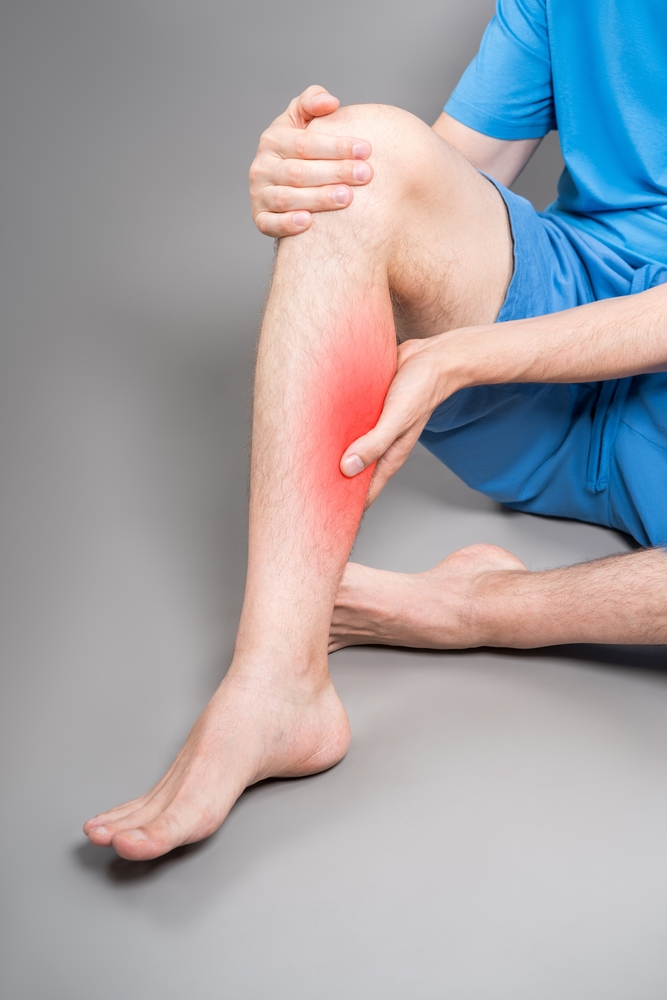
The stress and high blood pressure associated with city life put extra strain on the heart and vascular system. When arteries are already narrowed, this added stress makes it even harder for blood to reach the leg muscles during activity. This means that the threshold for claudication—the cramping leg pain that occurs with walking—becomes lower. A walk to the subway that used to be manageable might become painful as stress levels rise and vascular health declines.
Impact on Healing and Ulcer Risk:
The combination of poor nutrition and chronic inflammation impairs the body’s ability to heal. If a patient with urban-associated PAD develops a minor foot injury, the compromised immune system and poor blood flow in legs make it difficult for the wound to close. This significantly increases the risk of developing a non-healing ulcer, a complication that requires aggressive treatment for leg ulcers due to PAD to prevent infection and amputation.
progression to Ischemic Rest Pain:
If the cycle of sedentary behavior, poor diet, and stress continues unchecked, the blockages in the arteries can become severe. This leads to ischemic rest pain, where the limbs are starved of oxygen even when sitting or lying down. This agonizing symptom often disrupts sleep and is a warning sign of Critical Limb Ischemia (CLI), requiring urgent intervention by a PAD specialist.
Questions about your treatment options? Dr. Fox can help.
Book a ConsultationMitigating the Risk: A Vascular Survival Guide for City Dwellers
Living in the city doesn’t mean you are destined to develop PAD. By being aware of these risks, you can make conscious choices to counteract them. Here are practical strategies to protect your arteries while thriving in the urban jungle.
1. Reclaim Movement in Your Day
Combat the sedentary desk culture by integrating movement into your routine.
- The “Commuter Workout”: If you take public transit, get off one stop early and walk the rest of the way. If you drive, park a few blocks further from your destination.
- Desk Breaks: Set a timer to stand up and stretch or walk around the office every hour. Even two minutes of movement can help reset your circulation.
- Take the Stairs: Skip the elevator whenever possible. Climbing stairs is excellent exercise for leg strength and vascular health.
2. Navigate the Food Scene Wisely
You can find healthy food in the city if you know where to look.
- Prioritize Freshness: Seek out farmer’s markets or grocery stores with good produce sections.
- Menu Hacking: When dining out or ordering in, look for grilled or steamed options rather than fried. Ask for sauces on the side. Avoid high-sodium items like cured meats and heavy soups.
- Hydrate: Carry a water bottle to avoid sugary sodas and juices, which contribute to inflammation and weight gain.
3. Manage Urban Stress
Finding moments of calm is essential for lowering your blood pressure and protecting your arteries.
- Green Spaces: Utilize city parks. Spending time in nature, even a small urban park, has been proven to lower cortisol levels and blood pressure.
- Mindfulness: Practice deep breathing or meditation during your commute (if not driving) or at your desk.
- Sleep Hygiene: Invest in earplugs or a white noise machine to block out city sounds and ensure restful sleep, which is vital for vascular repair.
4. Monitor Your Air Quality
While you can’t change the city air, you can limit your exposure.
- Check the AQI: On days with poor air quality (high Air Quality Index), consider exercising indoors at a gym with air filtration rather than running on the street.
- Avoid Rush Hour Exercise: Try to avoid outdoor aerobic activity during peak traffic times when exhaust fumes are heaviest.
5. Regular Vascular Screenings
In an environment with elevated risk factors, proactive monitoring is key.
- Know Your Numbers: Keep track of your blood pressure, cholesterol, and blood sugar.
- See a Specialist: If you have risk factors or early symptoms like leg heaviness, schedule a consultation with avascular specialist. Early detection through simple tests like the Ankle-Brachial Index (ABI) is the most effective way to prevent serious disease.
Advanced Care for the Urban Patient
If lifestyle changes aren’t enough, or if you already have significant blockages, modern medicine offers solutions that fit the busy urban lifestyle. Minimally invasive treatments for PAD, such as angioplasty and atherectomy, are designed to restore blood flow without the downtime of major surgery.
These procedures are often performed in an outpatient setting, meaning you can have your blocked leg arteries treated and return to the comfort of your own home the same day. This approach minimizes disruption to your work and personal life while dramatically reducing PAD symptoms and amputation risk.
Take Control of Your Vascular Future
The city offers endless opportunities, but it shouldn’t cost you your health. By understanding the unique vascular risks of urban living—from sedentary jobs to stress and pollution—you can take control. Prioritizing movement, making smart dietary choices, and managing stress are powerful tools in your arsenal against Peripheral Artery Disease.
However, awareness is only the first step. If you are experiencing leg pain, cramping, or other signs of poor circulation, do not wait for the symptoms to worsen. A proactive evaluation is the best investment you can make in your future mobility.
Dr. David Fox and the team at Fox Vein and Vascular understand the unique challenges faced by patients in the New York metropolitan area. We offer comprehensive, compassionate care, from accurate PAD diagnosis to state-of-the-art, limb-saving treatments. We are here to help you navigate your vascular health journey with confidence.
For more information, visit foxvein.com or call (212) 362-3470.