Living with unexplained leg pain, fatigue, or cramping can be more than just an inconvenience; it can be a warning sign from your body that something is wrong with your circulation. These common discomforts, often dismissed as a normal part of aging, can be early symptoms of Peripheral Artery Disease (PAD). This condition involves blocked leg arteries that restrict blood flow, leading to serious health risks. The key to preventing severe complications like non-healing ulcers and amputation lies in one crucial step: early and accurate testing.
Getting a definitive PAD diagnosis is the gateway to effective treatment and peace of mind. In a bustling city like Manhattan, you have many options for medical care, but for a specialized issue like PAD, where you get tested matters immensely. Choosing a facility with the right technology, expertise, and comprehensive approach can significantly impact your health journey. A timely diagnosis not only clarifies the cause of your symptoms but also sets you on a path to preserving your mobility and quality of life.
This guide will explain why early PAD testing is so critical, what symptoms should prompt you to seek an evaluation, and what to expect from the diagnostic process. Most importantly, it will detail where in Manhattan you can find a dedicated vascular lab equipped to provide the precise and rapid answers you need.
Why You Can’t Afford to Wait: The Importance of Early PAD Testing
Peripheral Artery Disease is progressive, meaning it tends to worsen over time if left untreated. What starts as mild discomfort can escalate into a limb-threatening condition. Early testing intervenes in this process, providing a critical window of opportunity to halt the disease’s advancement.
- Preventing the Progression to Critical Limb Ischemia (CLI):
Initially, PAD might only cause claudication—leg pain during exercise. As plaque buildup continues to narrow the arteries, the condition can advance to Critical Limb Ischemia (CLI). This is a severe stage of PAD where blood flow is so restricted that the tissues are starved of oxygen even at rest. CLI leads to ischemic rest pain (constant pain in the feet or toes), non-healing wounds, and a high risk of amputation. Early testing identifies PAD long before it reaches this critical stage, allowing a specialist to implement treatments that preserve blood flow and prevent this dangerous progression. - Enabling Effective Treatment for Leg Ulcers:
A simple cut or blister on the foot can become a major medical issue for someone with undiagnosed PAD. The lack of blood flow prevents the body’s natural healing processes from working, turning a minor injury into a chronic, non-healing ulcer. Early PAD testing identifies the underlying circulation problem. Once a diagnosis is made, restoring blood flow becomes the primary goal, which is essential for the successful treatment for leg ulcers due to PAD. Without addressing the poor blood flow in legs, even the most advanced wound care is likely to fail. - Reducing Cardiovascular Risk:
A PAD diagnosis is a major red flag for your overall cardiovascular health. The same atherosclerotic process that causes blocked leg arteries is likely happening in other parts of your body, including the arteries supplying your heart and brain. Identifying PAD early allows you and your doctor to take aggressive measures to manage systemic risk factors like high blood pressure and cholesterol, significantly lowering your risk of heart attack and stroke. - Improving Quality of Life:
Living with chronic leg pain and limited mobility is draining. Early testing provides an answer and a pathway to relief. With an accurate diagnosis, a PAD specialist can recommend treatments—from lifestyle changes to minimally invasive procedures—that can dramatically reduce your symptoms, allowing you to walk farther, live with less pain, and regain your independence.
When to Seek PAD Testing: Symptoms You Should Never Ignore
Your body often provides clues that your circulation is compromised. Recognizing these signs is the first step toward getting the help you need. If you experience any of the following, it is time to schedule a PAD evaluation.
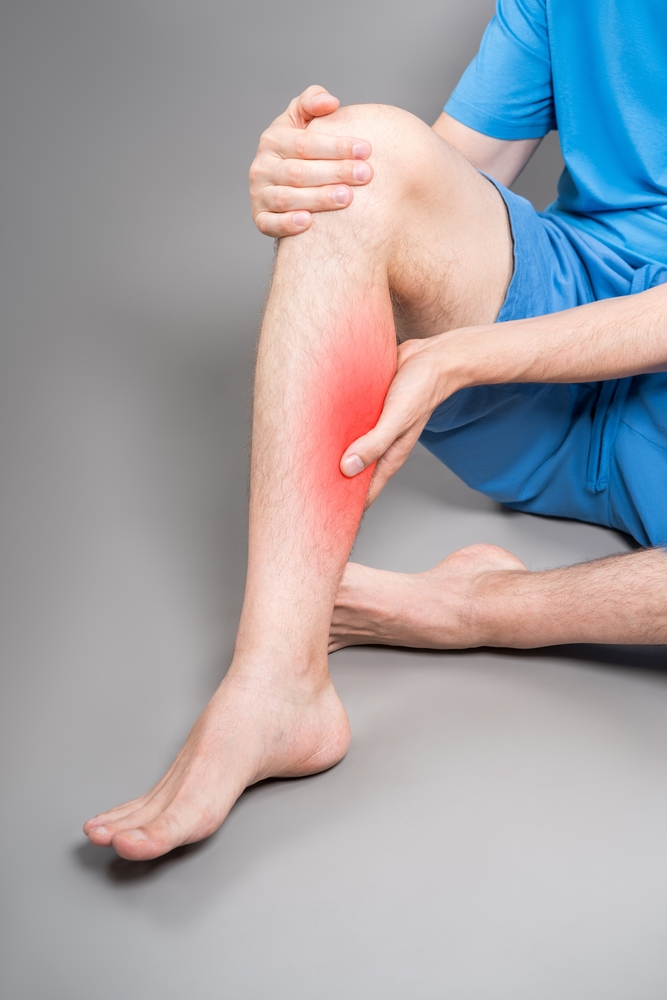
- Claudication: This is the hallmark symptom of PAD. It is characterized by muscle pain, cramping, or fatigue in the legs (calves, thighs, or buttocks) that is consistently triggered by physical activity like walking and is relieved within a few minutes of rest.
- Leg Pain or Numbness at Rest: Pain, burning, or numbness in your feet or toes that occurs even when you are not moving is a sign of advanced PAD. This is known as ischemic rest pain and often worsens at night when you are lying flat.
- Non-Healing Sores or Wounds: Any ulcer, sore, or injury on your legs, feet, or toes that is slow to heal or fails to heal completely is a major warning sign of severe leg circulation problems.
- Changes in Skin Color and Temperature: You might notice that one leg or foot is significantly colder to the touch than the other. The skin may also appear pale, bluish, or shiny.
- Poor Hair and Toenail Growth: A noticeable decrease in hair growth on your legs or feet, or toenails that become thick, brittle, and slow-growing, can indicate a chronic lack of blood supply.
Additionally, you should be proactive about PAD testing if you have significant risk factors, even in the absence of obvious symptoms. Key risk factors include:
- Age 50 or older
- A history of smoking (current or past)
- Diabetes
- High blood pressure
- High cholesterol
- A personal or family history of vascular disease, heart attack, or stroke
If any of these symptoms or risk factors apply to you, a simple and painless screening test can determine the health of your circulation.
Questions about your treatment options? Dr. Fox can help.
Book a ConsultationThis article is part of our Leg Symptom Guide.
The Diagnostic Toolkit: How PAD is Tested
Getting a PAD diagnosis is a straightforward process that uses non-invasive technology to measure and visualize the blood flow in your legs. A specialized vascular lab in Manhattan will be equipped with the following essential tools.
1. Ankle-Brachial Index (ABI) Test
The ABI is the frontline screening tool for PAD. It is a quick, painless, and highly accurate test that provides the first definitive evidence of a circulation problem.
- How it Works: The test compares the blood pressure in your ankles to the blood pressure in your arms. You will lie down while a technician places standard blood pressure cuffs on both your arms and both your ankles. Using a handheld Doppler device, which uses sound waves to detect blood flow, the technician will measure the systolic blood pressure at each location.
- Interpreting the Results: The ankle pressure is divided by the arm pressure to calculate the ABI ratio.
- Normal ABI: 1.0 to 1.4. Blood pressure at the ankle is the same or slightly higher than in the arm.
- Borderline PAD: 0.91 to 0.99.
- Mild to Moderate PAD: 0.41 to 0.90. This confirms a diagnosis of PAD.
- Severe PAD: 0.40 or below. This indicates a significant blockage and a high risk for complications.
2. Duplex Ultrasound
If the ABI test confirms PAD, a Duplex Ultrasound is usually the next step. This advanced imaging test provides a detailed “road map” of your arteries without using any radiation.
- How it Works: This test combines two types of ultrasound. The first is traditional B-mode ultrasound, which creates a black-and-white image of the artery structure. The second is Doppler ultrasound, which adds color and sound to show the speed and direction of blood flowing through the vessels. A skilled vascular technologist will apply a clear gel to your skin and move a transducer along your leg to capture these images.
- What it Reveals: A Duplex Ultrasound is incredibly informative. It can:
- Pinpoint the exact location of blocked leg arteries.
- Determine the severity of the blockages (e.g., 50% vs. 90% narrowed).
- Characterize the nature of the plaque (soft vs. hard, calcified).
- Identify other issues, such as an aneurysm.
This detailed information is crucial for a PAD specialist to plan the most effective Peripheral Artery Disease treatment.
3. Advanced Imaging (When Necessary)
In some cases, particularly when planning for a complex minimally invasive procedure, your doctor may need even more detailed images.
- Computed Tomography Angiography (CTA): This test uses an advanced CT scanner and an injection of intravenous contrast dye to create highly detailed, 3D images of your arterial system.
- Magnetic Resonance Angiography (MRA): This uses MRI technology and a different type of contrast agent to produce similar detailed images without the use of X-rays.
These advanced tests are typically performed in a hospital or imaging center and are reserved for specific clinical situations. For the vast majority of patients, the ABI and Duplex Ultrasound provide all the necessary information for a comprehensive PAD diagnosis.
Why a Dedicated Vascular Lab in Manhattan is Your Best Choice
When it comes to PAD testing, not all facilities are created equal. While a primary care office might offer a basic ABI, choosing a dedicated, accredited vascular lab that is part of a specialist’s practice provides a superior level of care and numerous advantages.
- Unmatched Accuracy and Expertise:
A dedicated vascular lab is staffed by registered vascular technologists (RVTs). These are professionals who have undergone specialized training and rigorous certification in performing and interpreting vascular ultrasound studies. Their expertise ensures that the images captured are of the highest quality and that the measurements are precise. This accuracy is paramount for making the right diagnosis and treatment plan. - Comprehensive, One-Stop Care:
One of the biggest benefits is convenience and efficiency. At a specialized practice like Fox Vein and Vascular, you can often have your initial consultation with the PAD specialist, your ABI test, and your Duplex Ultrasound all performed during the same visit. This integrated approach means you get your answers faster and can begin treatment sooner, without the hassle of being sent to a separate imaging center and waiting for results. - Direct Specialist Oversight:
When testing is done in-house, the vascular specialist who will be managing your care has direct oversight of the diagnostic process. Dr. David Fox, a board-certified vascular surgeon, works closely with his team of technologists. He can review the ultrasound images in real-time if necessary and ensure the study answers the specific clinical questions relevant to your case. This synergy between the diagnostic and clinical teams leads to a more nuanced and accurate PAD diagnosis. - Access to Immediate Consultation and Treatment Planning:
Once your testing is complete, you don’t have to wait days or weeks for a follow-up. You can immediately discuss the results with your PAD specialist. They can show you the images, explain what they mean, and lay out a personalized treatment plan. This immediate feedback loop is empowering and helps reduce the anxiety of waiting for answers. If a procedure is needed, planning can begin right away.
Choosing an expert-led vascular lab in Manhattan ensures that your diagnosis is not just a set of numbers, but a comprehensive assessment that forms the foundation for world-class care from a dedicated vascular surgeon in Manhattan.
Schedule Your PAD Testing in Manhattan Today
If you are experiencing symptoms of PAD or have risk factors for the disease, the most important action you can take is to get tested. Ignoring the signs of poor circulation can lead to irreversible consequences, but a proactive approach can safeguard your health and mobility for years to come. An accurate diagnosis is the first and most critical step on the road to recovery.
For comprehensive, expert-led PAD testing in Manhattan, look no further than Fox Vein and Vascular. Our state-of-the-art, in-house vascular lab is IAC-accredited, signifying the highest standards in diagnostic imaging. Under the direction of Dr. David Fox, our team provides rapid, accurate, and compassionate care, guiding you from initial testing to a personalized treatment plan, all under one roof. We are dedicated to providing the residents of Manhattan and the surrounding 5 Boroughs, NJ, and CT with the highest level of vascular care.
Don’t let uncertainty about your leg pain control your life. Get the clear answers you need to move forward with confidence.
For more information, visit foxvein.com or call (212) 362-3470.