You’ve taken the first step toward healthier, more comfortable legs by scheduling your vein treatment — congratulations! But now that the appointment is on the calendar, you probably have a flood of practical questions racing through your mind. Can I board a plane next week? When can I get back to the gym? Do I really have to wear those compression stockings after vein treatment? And what about that beach vacation I’ve been planning?
At Fox Vein Care, we hear these questions every single day. As a leading Manhattan vein treatment practice led by Dr. David Fox, a board-certified and fellowship-trained vascular surgeon with 28+ years of experience, we believe that informed patients recover faster, feel more confident, and achieve better outcomes. That’s exactly why we’ve compiled this definitive vein treatment recovery FAQ guide — so you can head into your procedure feeling fully prepared.
Whether you’re having endovenous laser treatment (EVLT), radiofrequency ablation (RFA), sclerotherapy, or another minimally invasive vein procedure, the answers below apply to the vast majority of patients. Of course, Dr. Fox will always provide personalized aftercare instructions tailored to your specific treatment plan.
FAQ #1 — Can I Fly After Vein Treatment?
This is, by far, the most common question we receive — and for good reason. Many of our Manhattan patients are frequent travelers, and coordinating vein procedure recovery tips with a busy travel schedule is a valid concern.
The Short Answer
For short flights (under three hours), we generally recommend waiting at least 1 to 2 weeks after your procedure. For long-haul flights (over four hours), it’s best to wait 2 to 4 weeks before flying. The exact timeline depends on the type and extent of your treatment.
Why the Wait?
Air travel introduces three factors that can interfere with healing and elevate your risk of deep vein thrombosis (DVT):
- Prolonged sitting — Staying seated for extended periods slows blood circulation in the legs
- Cabin pressure changes — Reduced cabin pressure can cause mild swelling and discomfort in recently treated veins
- Dehydration — The dry cabin air and tendency to drink less water while traveling thicken the blood slightly, increasing clotting risk
Tips for When You Do Fly
Once Dr. Fox clears you for air travel, keep these vein treatment aftercare strategies in mind:
- Wear your compression stockings throughout the entire flight
- Request an aisle seat so you can get up and move around easily
- Walk the aisle every 30 to 45 minutes during the flight
- Perform simple calf raises and ankle circles while seated
- Hydrate generously — aim for at least 8 ounces of water per hour of flight time
- Avoid alcohol and excessive caffeine, which contribute to dehydration
Pro tip: If you have a trip planned, let our team know when you schedule your consultation. We can help you time your treatment so that recovery doesn’t conflict with your travel plans.
Planning treatment around holiday travel? See our fall and winter vein care guide.
FAQ #2 — When Can I Go Back to Work After Vein Treatment?
One of the biggest advantages of modern, minimally invasive varicose vein treatment recovery is how quickly patients return to their normal routines. Gone are the days of lengthy hospital stays and weeks off work.
| Type of Work | Typical Return Timeline |
| Desk / office jobs | Next day or day after treatment |
| Jobs requiring prolonged standing | 2–3 days |
| Moderate physical activity jobs | 3–5 days |
| Heavy physical labor / construction | 1–2 weeks |
Most of our patients take just one day off — the day of the procedure itself. Many desk workers return the very next morning, feeling only mild tightness or soreness in the treated leg. If your work involves heavy lifting or prolonged standing, we recommend a slightly longer break to give your veins the best chance to heal properly.
Regardless of your job type, walking is encouraged from day one. In fact, staying on your feet with gentle movement is one of the best things you can do to support your recovery.
FAQ #3 — When Can I Exercise After Vein Treatment?
We love when patients are eager to get back to their fitness routines — it’s a great sign! That said, exercise after vein treatment should be reintroduced gradually. Here’s a general timeline:
| Activity | When You Can Resume |
| Walking (gentle to moderate) | Immediately — encouraged! |
| Light exercise (yoga, easy cycling) | 3–5 days |
| Running / jogging | 1–2 weeks |
| Heavy lifting / CrossFit / HIIT | 2–3 weeks |
| Swimming / water activities | ~1 week (once puncture sites heal) |
Walking is the single best exercise during your vein treatment recovery period. It promotes healthy blood flow, reduces swelling, and supports the healing process. We recommend 20 to 30 minutes of walking daily during the first two weeks.
Activities that create significant abdominal pressure — like heavy squats, deadlifts, or intense core work — should be postponed the longest. These exercises temporarily increase venous pressure in the legs and could interfere with healing.
Swimming deserves a special mention: the water itself is wonderful for circulation, but pools, hot tubs, and open water can introduce bacteria to tiny puncture sites. Wait until all entry points are fully closed before diving in.
Have questions about returning to your specific workout routine? Every patient’s recovery is unique. To get a personalized exercise plan, schedule a consultation with Dr. Fox at Fox Vein Care.
📞 Call us at (212) 362-3470 or visit our contact page to book your appointment.
FAQ #4 — How Long Do I Need to Wear Compression Stockings?
Ah, compression stockings — they may not be glamorous, but they are one of the most important parts of your vein treatment aftercare. Most patients are asked to wear compression stockings after vein treatment for 1 to 2 weeks during the day, though the exact duration depends on the procedure performed.
Why Compression Stockings Matter
- Support the healing process by keeping treated veins compressed and closed
- Reduce bruising and swelling in the days following treatment
- Prevent blood pooling in the lower legs, lowering the risk of complications
- Improve comfort — most patients report that their legs feel better with the stockings on than without
Tips to Make Them More Comfortable
- Put them on first thing in the morning, before your legs swell
- Use rubber dishwashing gloves for a better grip when pulling them on
- Choose medical-grade stockings with the correct compression level (Dr. Fox will specify 20–30 mmHg or 30–40 mmHg)
- Remove them before bed unless specifically instructed otherwise
- Wash and rotate between two pairs to keep them fresh
When Dr. Fox gives you the green light to stop wearing them, you can gradually phase them out. Some patients continue wearing lighter compression socks during long days on their feet or while traveling — a smart preventive habit.
FAQ #5 — Will I Have Visible Bruising After Varicose Vein Surgery?
Some degree of bruising is completely normal after most vein procedures, and it should not be a cause for alarm. Here’s what to expect:
- Sclerotherapy: Bruising is very common, particularly with treatment of spider veins and small varicose veins
- EVLT / RFA: Bruising tends to appear along the path of the treated vein
- Timeline: Bruising typically peaks around days 3 to 5 and fades completely within 2 to 3 weeks
Minimizing Bruising
- Apply arnica gel or tablets (a natural remedy that can speed bruise resolution)
- Avoid aspirin, ibuprofen, and blood-thinning supplements (fish oil, vitamin E) for 5 to 7 days before treatment, unless medically required
- Wear your compression stockings faithfully — they truly help
- Avoid intense exercise and heat exposure during the first week
When to Be Concerned
Normal bruising is flat, painless or mildly tender, and gradually fades from purple to yellow-green. Contact our office if you experience a rapidly expanding bruise, significant pain, or a hard, warm lump at the treatment site, as these could indicate a complication that warrants evaluation.
FAQ #6 — Can I Shower or Bathe After Treatment?
Good hygiene is important during recovery, so here’s the breakdown:
- Showers: Typically fine the next day after treatment. Keep the puncture sites dry for the first 24 to 48 hours by covering them lightly with a waterproof bandage if needed
- Baths and hot tubs: Wait at least 1 to 2 weeks before soaking in a bath, hot tub, or pool
- Saunas and steam rooms: Avoid for at least 2 weeks or longer
Why the restrictions on heat and soaking? Hot temperatures dilate blood vessels, which is the opposite of what we want during vein treatment recovery. We need the treated veins to stay compressed and sealed. Submerging puncture sites in water before they’ve closed also introduces a risk of infection.
Lukewarm showers are your best friend during the first couple of weeks. Save the long, hot baths for when your recovery is complete.
Questions about your treatment options? Dr. Fox can help.
Book a ConsultationFAQ #7 — When Will I See Results?
This varies depending on the type of procedure, and patience truly is key during varicose vein treatment recovery:
| Treatment Type | Symptom Relief | Visible Results |
| EVLT / Radiofrequency Ablation | Within days | 2–4 weeks |
| Sclerotherapy (spider veins) | 1–2 weeks | 3–6 weeks (up to 3 months for larger veins) |
| Sclerotherapy (varicose veins) | 1–2 weeks | 6–12 weeks |
| Ambulatory Phlebectomy | Immediate to days | 2–4 weeks (once bruising fades) |
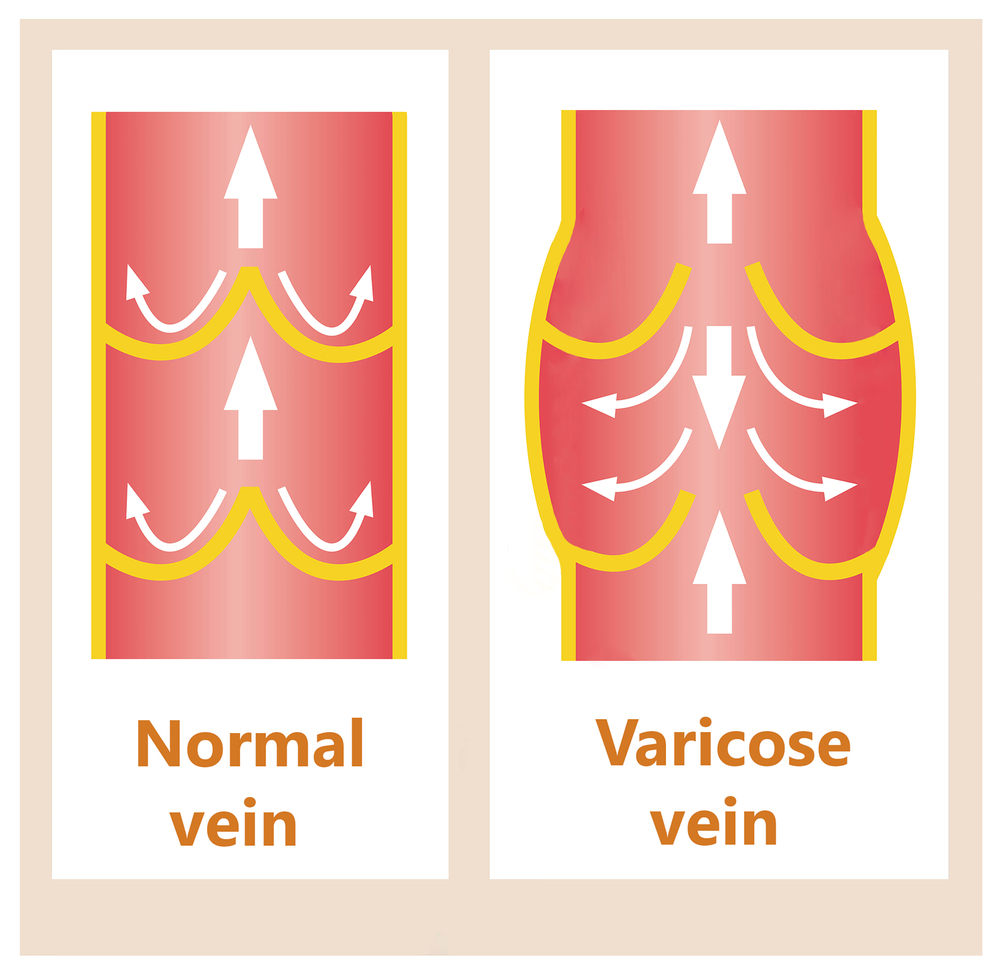
Here’s what’s happening beneath the surface: after treatment, your body gradually absorbs the closed vein tissue. The treated veins shrink, harden, and eventually disappear as your body reroutes blood through healthier veins. This process doesn’t happen overnight, and it’s perfectly normal to see the treated veins look slightly worse — darker or more prominent — before they look better.
Full aesthetic results generally appear within 2 to 3 months for most patients. If you’re treating varicose veins for both symptom relief and cosmetic improvement, you’ll likely notice the symptom improvement (less heaviness, aching, and swelling) well before the veins visually disappear.
FAQ #8 — Is Pain After Vein Treatment Normal?
Let’s put your mind at ease: most patients describe discomfort after varicose vein surgery as mild and very manageable. Here’s what’s within the range of normal:
- Mild tenderness along the treated vein — similar to a light bruise
- Tightness or pulling sensation in the leg, especially when walking or stretching
- “Vein cord” feeling — a firm, rope-like hardness along the treated vein that you can feel under the skin. This is the treated vein sealing shut and is completely normal. It resolves gradually over several weeks
- Mild swelling around the ankle or calf, particularly by end of day
Managing Discomfort
Over-the-counter pain relief — such as acetaminophen (Tylenol) — is usually all that’s needed. We generally recommend avoiding ibuprofen and aspirin immediately after treatment unless specifically prescribed, as they can increase bruising.
Wearing your compression stockings, walking regularly, and elevating your legs when resting are three of the most effective ways to reduce post-procedure discomfort.
When to Call Us
While mild discomfort is expected, certain symptoms warrant a prompt call to our office:
- Severe or worsening pain that isn’t relieved by acetaminophen
- Sudden significant swelling in the leg, ankle, or foot
- Redness, warmth, or streaking along the treated area
- Fever above 100.4°F (38°C)
- Shortness of breath or chest pain (seek emergency care immediately)
These symptoms are rare, but they require medical evaluation. At Fox Vein Care, our patients have direct access to Dr. Fox and our clinical team for any post-treatment concerns — you’re never left guessing alone.
FAQ #9 — Can Varicose Veins Come Back After Treatment?
This is an important question, and we believe in giving you an honest, complete answer.
The veins that are treated are permanently closed in the vast majority of cases. Modern procedures like EVLT and RFA boast a 95% or higher success rate for the targeted veins. Once sealed, those veins are absorbed by the body and don’t “reopen.”
However, chronic venous insufficiency (CVI) — the underlying condition that causes varicose veins — is a lifelong condition. This means that new veins can develop over time, particularly if the factors that contributed to your original varicose veins remain present (genetics, prolonged standing, hormonal changes, etc.).
Maintaining Your Results Long-Term
- Wear compression stockings during prolonged standing or travel
- Stay physically active — regular walking and exercise support vein health
- Maintain a healthy weight to reduce pressure on your leg veins
- Elevate your legs when resting, especially after long days
- Schedule annual vein checkups with Dr. Fox to catch any new issues early
If new veins do develop, retreatment is straightforward and typically involves the same minimally invasive approaches. Many patients find that a brief maintenance session every few years keeps their legs looking and feeling their best. To understand the financial side, learn more about whether varicose vein treatment is covered by insurance.
FAQ #10 — What Should I Avoid After Treatment?
Let’s make this easy with a clear do’s and don’ts list for your vein treatment recovery:
✅ DO:
- Walk daily — 20 to 30 minutes of gentle walking promotes healing and circulation
- Wear compression stockings as directed by Dr. Fox
- Stay hydrated — drink at least 8 glasses of water daily
- Elevate your legs when sitting or resting (above heart level is ideal)
- Follow up with your scheduled post-treatment ultrasound and appointments
- Contact our office with any questions or concerns — no question is too small
❌ DON’T:
- Sit or stand in one position for more than 30 minutes at a time
- Take hot baths, use saunas, or soak in hot tubs for at least 2 weeks
- Perform heavy exercise or high-impact activities until cleared by Dr. Fox
- Fly within the first 1 to 2 weeks (longer for long-haul flights)
- Take aspirin or ibuprofen unless specifically prescribed
- Apply lotions, creams, or sunscreen directly on puncture sites until they’re fully healed
- Ignore unusual symptoms — if something feels off, call us right away
Following these vein procedure recovery tips closely gives your body the best possible environment to heal efficiently and achieve outstanding results.
Your Recovery Partner: The Fox Vein Care Difference
At Fox Vein Care, we don’t simply perform your procedure and send you on your way. We are your recovery partner from the moment you walk through our doors to the day your results are complete — and beyond.
Dr. David Fox personally oversees every treatment plan and recovery protocol. As a board-certified and fellowship-trained vascular surgeon with more than 20 years of experience, Dr. Fox brings an exceptional combination of technical precision and genuine patient care to every case.
Here’s what sets the recovery experience at Fox Vein Care apart:
- Direct access to Dr. Fox and our clinical team — you can reach us with questions or concerns at any time during your recovery
- Follow-up ultrasound to confirm that treated veins are properly sealed and blood is flowing through healthy pathways
- Personalized aftercare instructions tailored to your specific treatment, lifestyle, and schedule
- Long-term vein health monitoring with annual checkups to stay ahead of any new issues
- State-of-the-art technology in a warm, comfortable Manhattan office environment
Your recovery is just as important as the treatment itself, and we’re committed to making it as smooth, comfortable, and worry-free as possible.
Ready to Take the Next Step Toward Healthier Legs?
Schedule a consultation with Dr. Fox today to discuss your vein concerns, explore your treatment options, and get a personalized recovery plan designed around your life.
📞 (212) 362-3470
📍 1041 Third Avenue, New York, NY 10065
🌐 Visit foxvein.com/contact-us to book online
Leading Manhattan Vascular & Vein Specialist
At Fox Vein Care, we provide state-of-the-art vascular and venous treatments, combining advanced diagnostic technology with minimally invasive procedures that prioritize comfort, safety, and outstanding results.
Note: This content is for informational purposes and does not constitute medical advice. Always consult with a qualified healthcare provider for personalized recommendations.