New York City is a city built for walking. From the daily commute to the subway to a leisurely stroll through Central Park, navigating life in the five boroughs often means relying on your own two feet. For most, this is a celebrated aspect of urban living—a built-in way to stay active. But for individuals with Peripheral Artery Disease (PAD), this walk-centric lifestyle presents a unique and complex paradox. It can be both a powerful therapeutic tool and a significant source of daily pain and frustration.
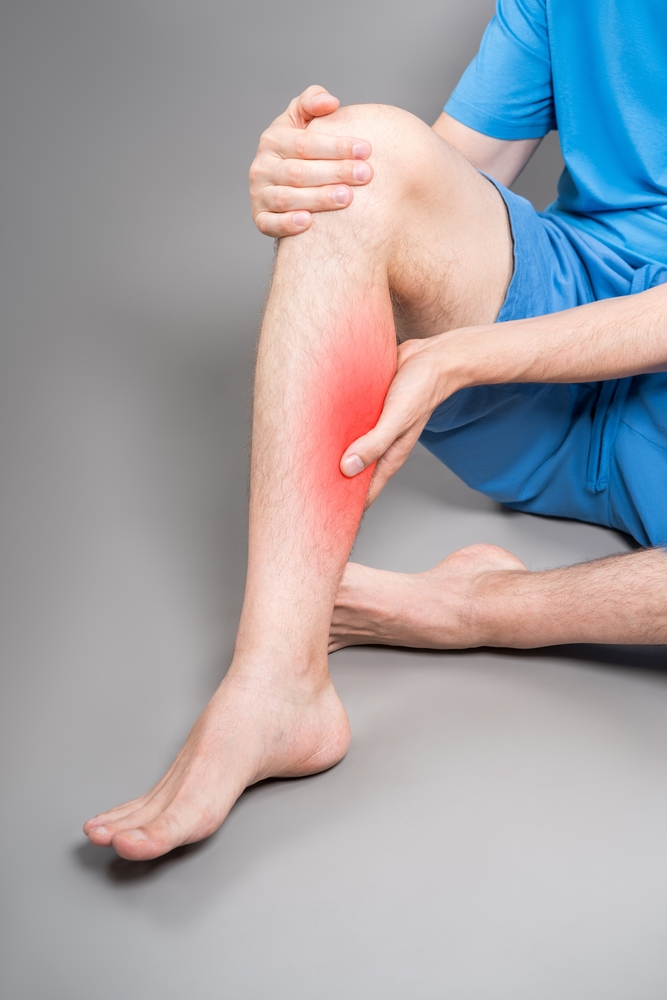
PAD is a circulatory condition where plaque buildup narrows the arteries, causing poor blood flow in legs. This leads to the hallmark symptom of claudication: painful cramping, heaviness, or fatigue in the leg muscles during exertion. While walking is one of the most prescribed and effective therapies for managing this condition, the unpredictable and demanding environment of NYC can turn this beneficial activity into a daunting challenge.
Is the city’s inherent walkability a blessing or a curse for those with PAD? The answer is both. Understanding how to harness the benefits of walking in NYC while mitigating its challenges is key to managing your PAD symptoms and improving your quality of life. This guide will explore the dual nature of walking in the city for PAD patients and provide practical strategies to make every step a step toward better health.
The “Good” Side: Why Walking is the Best Medicine for PAD
Before diving into the challenges, it’s crucial to understand why walking is so fundamental to any effective Peripheral Artery Disease treatment plan. The benefits are not just about general fitness; walking triggers specific physiological adaptations that directly combat the effects of blocked leg arteries.
1. Building a Natural Bypass: The Power of Collateral Circulation
The primary benefit of a consistent walking program is its ability to stimulate angiogenesis—the growth of new blood vessels. When you walk to the point of claudication, your leg muscles are essentially sending out a distress signal that they are not receiving enough oxygen. In response to this repeated signal, your body begins to grow a network of tiny new arteries and capillaries.
These new vessels, known as collateral circulation, create a natural bypass around the main blocked arteries. Think of it as your body building its own local detours to reroute blood flow around a major traffic jam. Over time, this new network becomes more efficient, delivering more oxygen-rich blood to your muscles, which directly translates to less pain and increased walking distance.
2. Improving Muscle Efficiency and Oxygen Use
Walking trains your leg muscles to work more efficiently with the limited oxygen supply they receive. Your muscle cells adapt by improving their metabolic processes, learning to extract and use oxygen more effectively. This means that even before significant collateral circulation develops, your muscles can do more work with less oxygen, helping to delay the onset of claudication.
3. Reducing Systemic Inflammation and Improving Vascular Health
Atherosclerosis, the root cause of PAD, is an inflammatory disease. Regular, moderate exercise like walking has been proven to have a powerful anti-inflammatory effect on the entire body. It helps to lower levels of inflammatory markers in the blood, which can slow the progression of plaque buildup not just in your legs, but in your heart and brain as well. Walking also helps lower blood pressure and improve cholesterol levels, further protecting your arteries from damage.
For anyone who has received a PAD diagnosis, embracing a structured walking program is one of the most proactive steps you can take. It’s a non-invasive, powerful therapy that addresses the core leg circulation problems caused by the disease.
The “Bad” Side: The Unique Challenges of Walking in NYC with PAD
While walking is therapeutic, the uncontrolled and demanding nature of navigating New York City can be particularly difficult for someone with PAD. The structured, predictable environment of a treadmill or a quiet suburban track is a world away from the gritty reality of a city sidewalk.
1. Unpredictable Pacing and Lack of Rest Opportunities
A therapeutic walking program for PAD is built on a specific rhythm: walk until you feel moderate pain, stop and rest until the pain subsides, and then repeat. The urban environment makes this structured approach nearly impossible.
- The Problem: You need to cross the street before the light changes. You’re trying to keep up with the flow of a dense crowd on the sidewalk. You’re rushing to catch a train. This forces you into an unpredictable pace, often pushing you past the point of moderate pain into severe discomfort. Finding a place to stop and rest for a few minutes can also be difficult on a crowded street, leading you to push through pain, which is counterproductive and can be discouraging.
2. The Unforgiving Terrain
City surfaces are hard and often uneven, which places extra stress on the feet, ankles, and leg muscles.
- The Problem: Cracked sidewalks, steep subway stairs, cobblestone streets, and unexpected potholes all require your leg muscles to work harder and your feet to make constant micro-adjustments. This increased muscular demand requires more oxygen, which can trigger claudication much sooner than walking on a smooth, flat surface. For those with advanced PAD, this can turn a simple walk to the corner store into a painful ordeal.
3. Long Distances and Environmental Factors
What looks like a short distance on a map can feel like a marathon when you have leg pain.
- The Problem: The distance between subway stops or from the bus to your destination can be longer than your pain-free walking capacity. This can leave you stranded in pain, far from a place to sit and recover. Furthermore, extreme weather—the biting cold of winter or the oppressive humidity of summer—can exacerbate PAD symptoms. Cold weather causes blood vessels to constrict, further reducing blood flow, while heat and humidity can increase overall physical strain.
4. Increased Risk of Foot Injury
For individuals with PAD, especially those who also have diabetes or neuropathy (numbness in the feet), foot health is paramount. The city environment is rife with potential hazards.
- The Problem: The uneven surfaces increase the risk of trips and falls. Stepping on a sharp object or developing a blister from ill-fitting shoes during a long walk can be disastrous. Due to poor blood flow, a minor foot injury may not heal properly, potentially developing into a dangerous non-healing foot ulcer. This requires immediate attention from a PAD specialist to initiate treatment for leg ulcers due to PAD and prevent infection.
These challenges can make walking in NYC feel like an obstacle course, potentially discouraging individuals from engaging in the very activity that is most beneficial for their condition.
Questions about your treatment options? Dr. Fox can help.
Book a ConsultationMastering the Urban Walk: A PAD Patient’s Guide to Navigating NYC
The key to success is not to avoid walking, but to approach it strategically. With planning and the right tools, you can transform the city from an adversary into your personal gym.
1. Choose Your Weapon: The Importance of Proper Footwear
This is the single most important investment you can make in your walking health.
- What to Look For: Your shoes must have excellent cushioning to absorb the shock of concrete, a wide toe box to prevent rubbing and blisters, and good arch support to promote proper alignment. Look for high-quality walking or running shoes.
- Get Professionally Fitted: Go to a specialty shoe store where the staff can analyze your gait and help you find the perfect shoe for your foot type. Shop for shoes in the afternoon when your feet are most likely to be swollen. This ensures a comfortable fit all day long.
2. Become a Route-Planning Expert
Don’t leave your walk to chance. Use technology and local knowledge to your advantage.
- Map Your Rests: Before you head out, use a map application to scout your route for public benches, parks, or cafes where you can take planned rest breaks. Knowing you have a place to sit every few blocks can give you the confidence to walk farther.
- Know Your Limits: Use a fitness tracker or a simple watch to time how long you can walk before pain begins. Plan your routes in segments that are shorter than your pain threshold.
- Choose Your Terrain: Whenever possible, opt for routes through parks or along waterfronts where the paths are smoother and more predictable. Avoid heavily cracked sidewalks or cobblestone streets if you can.
3. Embrace the “Interval” Mentality
Apply the principles of a therapeutic walking program to your daily life.
- Build in Buffer Time: If you know it takes 15 minutes to get somewhere, leave 25 minutes early. This removes the pressure to rush and gives you the freedom to stop and rest as needed without being late.
- Listen to Your Body: Pay attention to the early signs of claudication. Stop and rest when the pain is at a moderate level (a 3 or 4 on a 5-point scale). Pushing through severe pain is not beneficial. A short rest is all it takes to allow the oxygen debt to be repaid and the pain to subside.
4. Prepare for the Elements
Check the weather before you leave and dress accordingly.
- Winter: Wear warm layers and insulated, waterproof footwear to keep your feet warm and dry. Cold feet mean constricted blood vessels and worse circulation.
- Summer: Walk during cooler parts of the day (early morning or evening). Stay hydrated and choose shaded routes when possible.
5. Prioritize Foot Care
Your daily foot care routine is non-negotiable.
- Daily Inspection: Every evening, inspect your feet for any blisters, cuts, redness, or swelling. Use a mirror to see the bottoms of your feet.
- Proper Hygiene: Wash your feet daily with mild soap and warm water, and dry them thoroughly, especially between the toes.
- Immediate Action: If you find any break in the skin or a sore that isn’t healing, contact your PAD specialist immediately. Early intervention is key to preventing a minor issue from becoming a major complication.
When Walking Isn’t Enough: Advanced Care in the City
For some individuals with more advanced PAD, walking may be severely limited by pain, even with these strategies. Symptoms like ischemic rest pain (pain even when not moving) or non-healing wounds are signs that lifestyle management alone is not sufficient.
In these cases, a consultation with a vascular expert is crucial. Fortunately, modern Peripheral Artery Disease treatment includes a range of minimally invasive procedures that can dramatically improve blood flow. Procedures like angioplasty and atherectomy can be performed in an outpatient setting with minimal downtime, fitting into the busy life of a New Yorker. Restoring circulation with one of these procedures can provide immediate relief from pain and make a therapeutic walking program significantly more comfortable and effective.
Partner with an Expert to Conquer the City
Walking in New York City with Peripheral Artery Disease presents a unique set of challenges and opportunities. By understanding the principles of therapeutic walking and applying them strategically to the urban environment, you can transform this daily necessity into a powerful tool for improving your vascular health.
However, you don’t have to navigate this journey alone. Partnering with a skilled PAD specialist is the best way to develop a safe and effective walking plan tailored to your specific condition. An expert can provide an accurate PAD diagnosis, recommend the right footwear, and determine if you might benefit from a procedure to improve your circulation and make walking easier.
Dr. David Fox and the dedicated team at Fox Vein and Vascular are experts in managing PAD in the urban environment. We provide comprehensive care, from personalized lifestyle advice to state-of-the-art, minimally invasive treatments, for patients across Manhattan and the surrounding tri-state area. We are committed to helping you manage your PAD symptoms so you can continue to enjoy all that city life has to offer.
For more information, visit foxvein.com or call (212) 362-3470.