A Minimally Invasive Treatment for Frozen Shoulder and Chronic Shoulder Pain
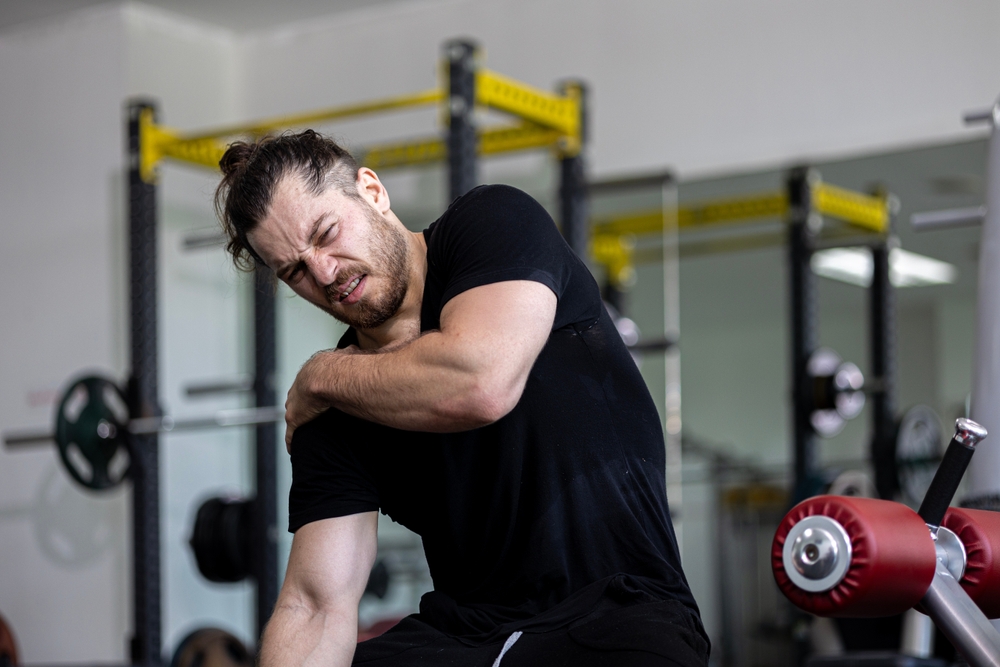
Chronic shoulder pain can significantly limit daily activities—from reaching overhead to simple movements like dressing or sleeping comfortably. For many patients, conservative treatments such as physical therapy, medications, or injections provide only partial or temporary relief.
Shoulder embolization is an advanced, minimally invasive procedure designed to reduce inflammation and relieve pain at its source—without surgery.
At Fox Vein & Vascular in Manhattan, shoulder embolization is performed by David Fox, MD, FACS, RPVI, a board-certified vascular surgeon with over 20 years of experience in image-guided vascular procedures.
👉 Schedule Your Consultation
What Is Shoulder Embolization?
Shoulder embolization is a targeted, image-guided procedure that reduces abnormal blood flow to inflamed tissues in the shoulder joint.
In conditions such as frozen shoulder (adhesive capsulitis) and chronic tendon inflammation, small abnormal blood vessels develop and contribute to persistent inflammation and pain.
By reducing this excess blood flow, shoulder embolization helps:
- Decrease inflammation
- Reduce pain signals
- Improve range of motion
- Support functional recovery
Conditions Treated with Shoulder Embolization
Frozen Shoulder (Adhesive Capsulitis)
- Progressive stiffness and pain
- Limited range of motion
- Often resistant to physical therapy
Chronic Shoulder Tendonitis
- Rotator cuff inflammation
- Overuse injuries
- Persistent pain with movement
Shoulder Pain After Injury
- Lingering inflammation after trauma
- Pain limiting return to activity
👉 Not sure if your shoulder condition qualifies? A consultation can help determine if embolization is appropriate.
How Shoulder Embolization Works
The procedure is performed using real-time imaging (fluoroscopy) to precisely target inflamed areas.
Step-by-step overview:
- Access
A small puncture is made—typically at the wrist or groin—to access the vascular system. - Imaging & Mapping
Contrast imaging identifies abnormal vessels contributing to inflammation. - Targeted Embolization
Microscopic particles are delivered to reduce blood flow to these vessels. - Completion
The catheter is removed, and a small bandage is applied—no stitches required.
Most procedures are completed within 45–90 minutes.
Who Is a Candidate for Shoulder Embolization?
This procedure may be appropriate for patients who:
- Have persistent shoulder pain lasting months
- Have been diagnosed with frozen shoulder or chronic tendonitis
- Have not improved with physical therapy or medications
- Want to avoid or delay surgery
- Experience limited mobility affecting daily life
Who May Not Be a Candidate
Shoulder embolization may not be appropriate for patients with:
- Active infection in the shoulder joint
- Severe structural damage requiring surgical repair
- Certain vascular conditions affecting access or safety
A consultation with Dr. Fox, including imaging review, is the best way to determine candidacy.
Clinical Evidence & Expected Outcomes
Shoulder embolization is part of a growing field of musculoskeletal embolization techniques used internationally.
Clinical experience and published data suggest:
- Reduction in shoulder pain within weeks
- Improved mobility and function
- Sustained relief in many patients
- Low complication rates
Typical recovery timeline:
- 1–3 days: Return to light activity
- 2–6 weeks: Gradual improvement in pain and motion
- 3–6 months: Continued functional recovery
Results vary depending on the severity of the condition.
Benefits of Shoulder Embolization
Patients choose this treatment because it offers:
- Minimally invasive approach (no surgical incisions)
- Outpatient procedure with same-day discharge
- No implants or hardware
- Short recovery time
- Targeted treatment of inflammation
Shoulder Embolization vs. Traditional Treatments
| Treatment | Invasiveness | Duration of Relief | Considerations |
| Shoulder Embolization | Minimally invasive | Often long-lasting | Targets inflammation |
| Physical Therapy | Non-invasive | Variable | Requires time and consistency |
| Steroid Injections | Minimally invasive | Temporary | May require repeat injections |
| Arthroscopic Surgery | Invasive | Long-term | Requires recovery and rehab |
What to Expect During the Procedure
Before the Procedure
- Consultation and evaluation
- Review of imaging and symptoms
- Personalized treatment plan
During the Procedure
- Local anesthesia with optional light sedation
- Image-guided catheter placement
- Targeted embolization of inflamed vessels
After the Procedure
- Short observation period
- Same-day discharge
- Mild soreness or bruising possible
- Most patients resume normal activity within 1–3 days
Risks & Safety
Shoulder embolization is considered safe when performed by experienced specialists.
Potential risks may include:
- Bruising at the access site
- Temporary discomfort or inflammation flare
- Skin discoloration (rare)
- Non-target embolization (rare)
- Allergic reaction to contrast dye (rare)
Dr. Fox’s expertise in vascular imaging and embolization helps ensure precise and safe treatment.
Why Choose Fox Vein & Vascular in Manhattan?
Board-Certified Vascular Expertise
David Fox, MD, FACS, RPVI has extensive experience in minimally invasive vascular procedures.
Advanced Imaging Technology
We use high-resolution fluoroscopy for precise targeting.
Comprehensive Evaluation
We assess both vascular and musculoskeletal factors contributing to pain.
Minimally Invasive Focus
Our goal is effective treatment with minimal disruption to your life.
Personalized Care
Each treatment is tailored to your specific condition and goals.
Related Treatments
Shoulder embolization is part of our broader musculoskeletal embolization program:
- Genicular Artery Embolization (GAE) for knee pain
- Plantar Fasciitis Embolization
- Tendon and soft tissue embolization
👉 Explore all MSK embolization treatments
Frequently Asked Questions
Is shoulder embolization painful?
Most patients experience minimal discomfort due to local anesthesia and optional sedation.
How soon will I regain mobility?
Improvement typically begins within weeks, with continued progress over time.
Is this a permanent solution?
Results are often long-lasting, though outcomes vary depending on the underlying condition.
Can I still have surgery later if needed?
Yes. This procedure does not limit future surgical options.
Schedule a Consultation in Manhattan
A Non-Surgical Option for Shoulder Pain Relief
If shoulder pain or stiffness is limiting your mobility and quality of life, shoulder embolization may offer a minimally invasive alternative to ongoing injections or surgery.
At Fox Vein & Vascular, we provide advanced, image-guided treatments designed to reduce pain and restore function.
👉 Request Your Consultation Today
Leading Manhattan Vascular & Vein Specialist
At Fox Vein Care, we provide state-of-the-art vascular and venous treatments, combining advanced diagnostic technology with minimally invasive procedures that prioritize comfort, safety, and outstanding results.
Contact Us