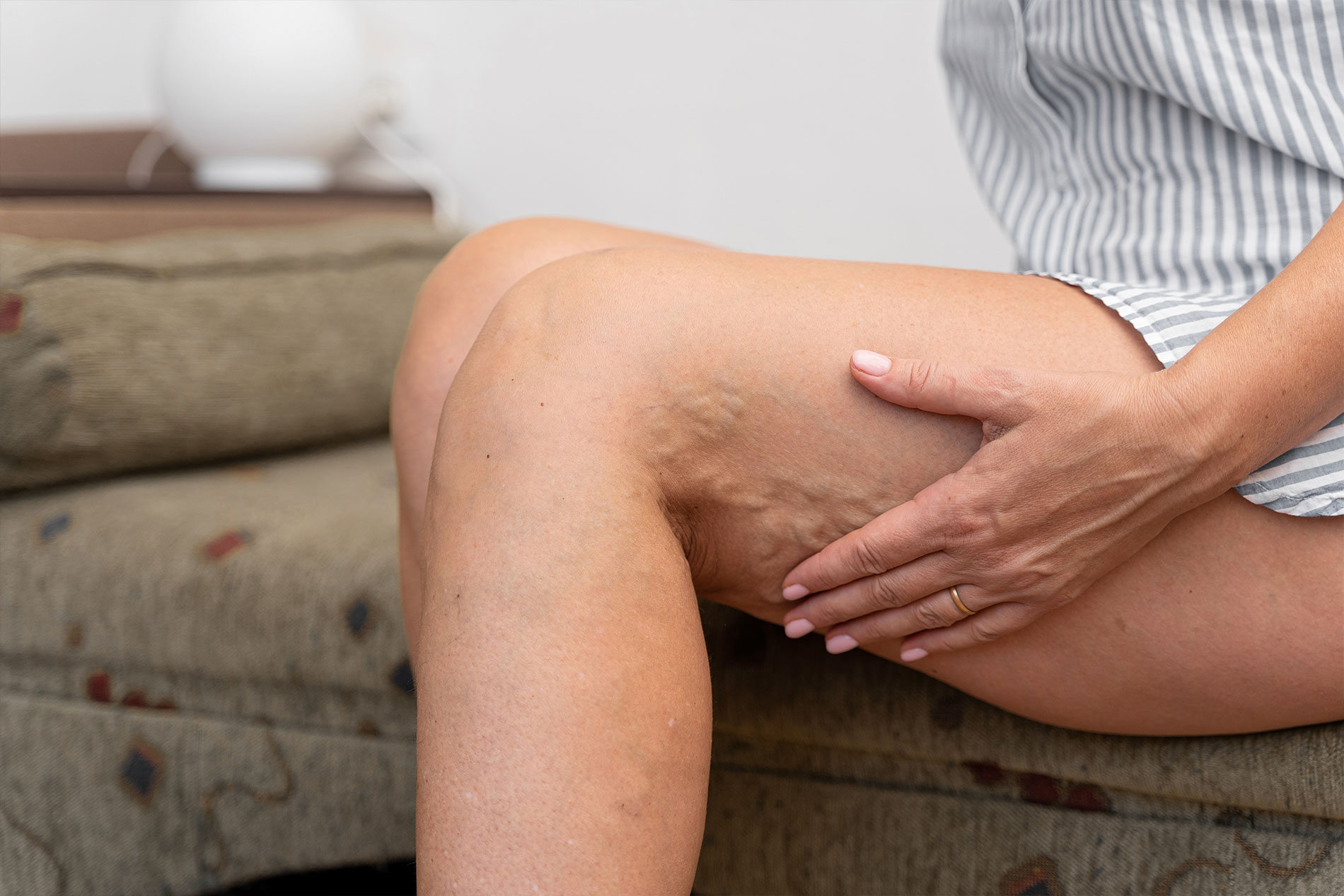

It happens without warning. You are fast asleep, enjoying a peaceful rest, when suddenly, a sharp, searing pain shoots through your calf. Your muscles tighten into a hard knot, and you jolt awake, clutching your leg in agony. You try to flex your foot, massage the muscle, or walk it off, but the lingering soreness can last for hours, ruining your night’s sleep.
If this sounds familiar, you are not alone. Night leg cramps, also known as nocturnal leg cramps, are a common complaint. Many people attribute them to dehydration, low potassium, or simply “getting older.” While these can be factors, there is another, often overlooked culprit hiding beneath the surface: undiagnosed vein disease.
For many sufferers, night cramps are not just a nuisance; they are a red flag for underlying vascular issues like varicose veins or Chronic Venous Insufficiency (CVI). Ignoring them often leads to worsening symptoms and disrupted sleep patterns that affect your overall quality of life.
In this in-depth guide, we will explore why these cramps happen, how they relate to your vascular health, and why seeing a vein specialist in Manhattan patients trust is the first step toward reclaiming a good night’s sleep.
The Anatomy of a Night Cramp
To understand why your veins might be to blame, it helps to understand what is happening physically during a cramp. A muscle cramp is an involuntary, sudden, and forceful contraction of the muscle. It doesn’t relax immediately, leading to intense pain. While they can occur anywhere, they most frequently strike the calf muscles (gastrocnemius and soleus) and the feet.
To learn more about the types of vascular conditions that can lead to chronic cramps, visit our comprehensive vein medical services page.
The Conventional Explanations
Before considering veins, most people run through a mental checklist of common causes:
- Dehydration: Lack of fluids can cause electrolyte imbalances.
- Mineral Deficiency: Low levels of magnesium, potassium, or calcium.
- Overexertion: Exercising muscles too hard without proper recovery.
- Medications: Certain diuretics or statins list cramps as a side effect.
However, if you are drinking plenty of water, eating bananas, and stretching before bed, yet the cramps persist, it is time to look deeper. This is where finding a vein specialist near you becomes an essential step in your health journey.
Connecting the Dots: Vein Disease and Cramping
Your veins have a demanding job. They must carry deoxygenated blood from your feet and legs back up to your heart, fighting gravity every inch of the way. To do this, your leg veins rely on tiny, one-way valves. When your leg muscles contract (like when walking), they squeeze the veins to pump blood up. When the muscle relaxes, the valves close to prevent blood from flowing backward.
For a detailed overview of the vein conditions treated at Fox Vein Care, see our chronic vein conditions page.
When Valves Fail
In people with vein disease, these valves become weak or damaged. They fail to close properly, allowing blood to leak backward and pool in the legs. This condition is known as venous reflux or venous insufficiency.
As blood pools, pressure builds up in the veins (venous hypertension). This increased pressure triggers a cascade of issues:
- Fluid Leakage: Fluid leaks from the veins into the surrounding tissues, causing leg swelling and veins.
- Toxic Buildup: The pooled blood contains metabolic waste products like lactic acid and carbon dioxide that should have been filtered out.
- Oxygen Deprivation: The tissues surrounding the muscles receive less oxygenated blood.
The Trigger for Cramps
This toxic environment is the perfect storm for cramping. The accumulation of deoxygenated blood and metabolic waste irritates the muscle tissue. While you are active during the day, the muscle pump helps mitigate this. But at night, when you are lying still, the muscle pump is inactive. The stagnant, pressurized blood and accumulated toxins irritate the nerves and muscles, triggering that sudden, agonizing contraction known as a night cramp.
If you have noticed bulging veins or fine purple spider veins, alongside your cramps, the link is even stronger. However, it is crucial to note that you can have significant venous reflux deep inside the leg without having visible varicose veins on the surface.
Signs Your Cramps Are Vein-Related
How do you distinguish a “normal” cramp from a venous one? While only a doctor can diagnose you, certain patterns suggest a vascular origin.
1. Frequency and Consistency
Occasional cramps happen to everyone. But if you are experiencing cramps several times a week, or if they are becoming a nightly ritual, this suggests a chronic issue rather than a temporary imbalance.
2. Associated Symptoms
Vein-related cramps rarely travel alone. They are often accompanied by other vein symptoms in legs, such as:
- Heaviness: Your legs feel like heavy weights, especially by the end of the day.
- Swelling: You notice sock marks around your ankles or your shoes feel tight in the evening.
- Restless Legs: An uncontrollable urge to move your legs to get comfortable, often described as a creeping or crawling sensation.
- Aching or Throbbing: A dull ache that improves when you elevate your legs.
3. Relief Patterns
If walking around or elevating your legs helps alleviate the cramp or the residual soreness, it is a sign that you are helping your veins circulate blood, pointing to a vascular cause.
If this profile matches your experience, searching for a chronic vein condition specialist near you is a logical next step.
Find more information about symptoms and what to watch for on our vein care FAQ page.
Why “Wait and See” is Risky
Many people minimize the impact of night cramps. They grit their teeth, suffer through the pain, and go back to sleep. But if vein disease is the root cause, the condition is progressive. Ignoring it won’t make it go away; typically, it gets worse.
The Progression of Vein Disease
What starts as spider veins or occasional cramps can evolve into:
- Severe Varicose Veins: Large, rope-like veins that are painful to the touch.
- Chronic Edema: Permanent swelling in the lower legs.
- Skin Changes: The skin may become discolored (stasis dermatitis), turning a reddish-brown color, or become thick and leathery (lipodermatosclerosis).
- Venous Ulcers: In advanced stages, the poor circulation causes skin to break down into open wounds near the ankle that are incredibly difficult to heal.
Early intervention by a varicose vein doctor in Manhattan can prevent these complications. Treating the underlying venous reflux often eliminates the night cramps entirely, restoring your sleep and protecting your leg health.
Diagnosing the Root Cause
When you visit a specialized clinic, such as Fox Vein Care, the goal is to pinpoint the exact source of your trouble. A general practitioner might prescribe muscle relaxers or advise you to drink tonic water (for the quinine), but a specialist investigates the why.
If you’re curious about what to expect, check our Manhattan Vein Clinic overview for details on specialty consults.
The Physical Exam
A Manhattan vein clinic specialist will examine your legs for visible signs of disease, such as bulging veins, swelling, or skin discoloration. They will ask detailed questions about your sleep, your daily activity, and the nature of your vein pain.
The Diagnostic Ultrasound
This is the most critical tool in the vein specialist’s arsenal. A duplex ultrasound is a non-invasive, painless test that uses sound waves to visualize the veins deep within your leg.
- It measures the speed and direction of blood flow.
- It identifies exactly which valves are failing.
- It rules out other dangerous conditions like Deep Vein Thrombosis (blood clots).
This detailed mapping allows the best vein doctor near you to create a targeted treatment plan. For more on how we diagnose and categorize these issues, you can read about chronic vein conditions.
Effective Treatments for Venous Night Cramps
The era of painful vein stripping surgery is largely over. Modern vein care treatment in Manhattan is minimally invasive, performed in an office setting, and requires little to no downtime. By closing the diseased veins, we stop the backward flow of blood, reduce the pressure in the leg, and flush out the toxins causing your muscles to cramp.
Explore more treatment options on our vein treatments page.
Endovenous Laser Ablation (EVLA)
This is a gold-standard treatment for the saphenous veins (the large veins often responsible for reflux).
- The Procedure: A thin laser fiber is inserted into the problematic vein through a tiny puncture. Laser energy heats and seals the vein closed.
- The Result: Blood is naturally rerouted to healthy veins. The pressure drops, and the cramping signals cease.
- Recovery: Patients walk out of the office and resume normal activities almost immediately.
More details are available on our EVLA and laser therapy page.
Sclerotherapy
For smaller varicose veins and spider veins, sclerotherapy is highly effective.
- The Procedure: A specialized medical solution is injected directly into the vein. This irritates the vein lining, causing it to collapse and eventually be absorbed by the body.
- The Result: Improved circulation and cosmetic appearance. While often used for surface veins, ultrasound-guided sclerotherapy can treat deeper veins that might be contributing to cramps.
VenaSeal™
This advanced system uses a medical adhesive to glue the vein shut.
- The Procedure: A small amount of adhesive is delivered into the diseased vein.
- The Result: Instant closure of the vein. It is unique because it often requires no tumescent anesthesia (multiple needle sticks) and usually eliminates the need for post-procedure compression stockings.
To see if you’re a candidate for these procedures, visit our Manhattan vein treatment section.
When looking for vein care treatment in Manhattan, ensure the clinic offers a full suite of these options so your treatment is tailored to your specific anatomy.
Lifestyle Tips to Manage Cramps While You Wait
While medical treatment is the definitive solution for vein-related cramps, there are steps you can take at home to manage symptoms before your appointment with a vein specialist Manhattan.
1. Elevate Before Sleep
Spend 15 to 20 minutes with your legs elevated above your heart before you go to bed. This uses gravity to drain the pooled blood and fluid that accumulated during the day, reducing the “toxic” load on your muscles.
2. Wear Compression Stockings
Graduated compression socks apply pressure to the lower legs, helping the veins move blood upward. Wearing them during the day can prevent the swelling and pooling that triggers cramps at night.
Learn more about compression therapy options as part of non-surgical vein care.
3. Gentle Stretching
Perform gentle calf stretches before bed. Stand facing a wall, place your hands against it, and step one foot back, keeping the heel on the ground. Hold for 30 seconds. This relaxes the muscle fibers and prepares them for rest.
4. Stay Active
Low-impact exercise like walking, swimming, or cycling engages the calf muscle pump. This natural pumping action is your veins’ best friend. Avoid sitting or standing for prolonged periods without moving.
Discover more vein-friendly lifestyle tips in our patient resources.
5. Hydration and Electrolytes
While not the cure for vein disease, maintaining proper hydration and electrolyte balance ensures your muscles are functioning in the best possible environment.
Why Choose a Specialist in Manhattan?
New York City is a walking city, but it’s also a high-stress environment. Finding the vein treatment near you that fits your busy lifestyle is crucial.
Expertise Matters
Not all doctors who treat veins are vascular specialists. A board-certified vascular surgeon, like Dr. David Fox, has specialized training in the entire vascular system—arteries and veins. This is important because leg pain can sometimes be complex. It might be venous, but it could also be arterial (PAD) or musculoskeletal. A true specialist can tell the difference.
Explore Dr. Fox’s background and philosophy of care on our about the doctor page.
Comprehensive Care
A top-tier Manhattan vein clinic looks at the whole patient. If you have knee pain, for example, they can determine if it’s related to your veins or if you might need a referral to a knee specialist near you. Interestingly, Fox Vein Care offers Genicular Artery Embolization, a treatment for chronic knee pain, demonstrating a deep understanding of how vascular health intersects with orthopedic comfort. Whether you are looking for a chronic knee pain doctor in NYC or a vein expert, understanding the vascular component is key.
Convenience and Technology
The best vein doctor near you will utilize the latest technology, ensuring your diagnosis is accurate and your treatment is as comfortable as possible. Located in the heart of Manhattan, clinics like Fox Vein Care are accessible, allowing you to get treated on your lunch break and get back to your life.
Frequently Asked Questions About Night Cramps and Veins
Can spider veins cause leg cramps?
Spider veins themselves are often cosmetic, but they are frequently the “tip of the iceberg.” They indicate that there is higher pressure in the venous system. So, while the spider vein itself might not be the cause, the underlying venous insufficiency causing the spider vein is often responsible for the cramping.
Will magnesium supplements stop my cramps?
If your cramps are caused by a true magnesium deficiency, yes. However, studies show that for the majority of idiopathic (unexplained) leg cramps, magnesium offers no more relief than a placebo. If magnesium hasn’t worked for you, it is a strong indicator that you need to see a vein specialist near you.
Why do cramps happen mostly at night?
During the day, when you walk and move, your calf muscles pump blood out of your legs, mitigating the pooling. When you lie down to sleep, that pump stops. In a compromised vein, the blood pools and stagnates, allowing toxins to build up and trigger the cramp.
Is vein treatment covered by insurance?
Generally, yes. If you have symptoms like pain, swelling, and cramping that interfere with your daily life, most insurance providers consider vein treatment medically necessary. Varicose veins and CVI are recognized medical conditions. Our office staff can assist in verifying your benefits and guiding your insurance process.
What happens if I ignore the cramps?
Ignoring the cramps means ignoring the underlying vein disease. Over time, the valves will continue to weaken, leading to more severe varicose veins, permanent skin damage, and an increased risk of blood clots. The cramps will likely become more frequent and painful.
I don’t have bulging veins, can I still have vein disease?
Absolutely. Many patients with severe venous reflux have no visible surface veins. The diseased veins can be deeper in the leg, invisible to the naked eye but clear as day on an ultrasound. Do not rule out vein disease just because your legs “look” fine. Find out more with a diagnostic evaluation at Fox Vein Care.
For patients seeking non-surgical knee pain relief, Genicular Artery Embolization (GAE) is one of the most advanced osteoarthritis treatments available today.
Conclusion: Don’t Let Cramps Steal Your Sleep
Sleep is the foundation of health. It is when your body repairs itself, your mind resets, and your energy is restored. Chronic night leg cramps steal this vital time from you, leaving you tired, irritable, and in pain.
You do not have to live with this. The connection between vein symptoms in legs and night cramps is well-established, and the treatments are more effective and accessible than ever before.
If you are tired of waking up in pain, it is time to stop guessing and start healing. Search for a vein specialist Manhattan who understands the vascular origins of your discomfort.
At Fox Vein Care, we are dedicated to helping you achieve not just better-looking legs, but legs that feel healthy, strong, and pain-free. Don’t spend another night fighting your own muscles.
Contact us today to schedule your consultation and take the first step toward a peaceful night’s sleep.
Additional Resources
Understanding Chronic Venous Insufficiency
For a deeper dive into the mechanics of vein failure and the long-term implications of untreated vein disease, visit our dedicated page on chronic vein conditions.
Knee Pain vs. Vein Pain
Sometimes it is hard to tell where the pain is coming from. If you are also experiencing knee discomfort and wondering if you need a knee pain specialist near you, learn about our interventional radiology treatments for knee pain that avoid major surgery.
Meet Dr. David Fox
Learn more about the expertise behind Fox Vein Care. Dr. Fox is a leading vein specialist near you with decades of experience in vascular surgery, providing the highest standard of care in NYC.
Patient Success Stories
Read how others found relief from debilitating cramps and swelling by addressing their vein health. Seeing the transformation in others can be the encouragement you need to seek vein care treatment in Manhattan.
For information on our full range of minimally invasive vascular and musculoskeletal procedures, visit our Services page.
Disclaimer: This content is for informational purposes only and does not constitute medical advice. Always consult with a qualified healthcare provider for diagnosis and treatment of any medical condition.
Leading Manhattan Vascular & Vein Specialist
At Fox Vein Care, we provide state-of-the-art vascular and venous treatments, combining advanced diagnostic technology with minimally invasive procedures that prioritize comfort, safety, and outstanding results.
Contact Us