Investing in spider vein treatment is a significant step toward achieving clearer skin and relieving discomfort. After completing your sessions at a trusted Manhattan vein clinic and seeing the fantastic results, a lingering question often remains: Can spider veins come back? It’s a crucial concern for anyone who has dedicated time and resources to eliminating these unsightly veins.
If you’re curious about the most advanced options and aftercare for spider veins, be sure to review the specialized procedures and resources offered at our Manhattan spider vein treatment page, where you’ll find information on the latest approaches and long-term vein health.
The answer is both simple and complex. The specific spider veins that have been successfully treated are gone for good. However, new spider veins can, and often do, develop over time. This isn’t a failure of the treatment but rather a reflection of the chronic nature of venous disease.
Understanding the difference between recurrence and the development of new veins is key. This guide will explore why you might see new spider veins after treatment, distinguish between true recurrence and new vein formation, and outline the proactive steps you can take to maintain your results for years to come.
Treated Veins vs. New Veins: A Critical Distinction
When a vein specialist successfully treats a spider vein with a procedure like sclerotherapy or laser therapy, the vessel is permanently closed off and absorbed by the body. That specific vein will not grow back or reopen. The treatment effectively eliminates it forever.
So, when patients see new spider veins appear months or years later, they often believe their old veins have “come back.” In reality, they are witnessing the formation of entirely new spider veins in the same or adjacent areas.
Think of it like weeding a garden. You can pull out all the existing weeds, and those specific plants are gone. But the underlying conditions that allow weeds to grow—the soil, sunlight, and dormant seeds—are still there. Without ongoing maintenance, new weeds will eventually sprout. Similarly, treating spider veins removes the current problem, but it doesn’t change the underlying predisposition you have for developing them.
Why Do New Spider Veins Form After Treatment?
The appearance of new spider veins is usually linked to the same factors that caused them in the first place. These risk factors don’t disappear after your treatment course is complete. A top vein specialist near me will explain these contributing factors during your consultation.
1. Underlying Venous Insufficiency
This is the most common medical reason for the development of new veins. Spider veins are often just the visible tip of the iceberg. They can be a symptom of a deeper issue called chronic venous insufficiency (CVI). CVI occurs when the one-way valves in larger, deeper veins (like the saphenous vein in the leg) become weak or damaged.
When these valves fail, gravity causes blood to flow backward and pool in the lower legs. This increases the pressure in the entire venous system of the leg, a condition known as venous hypertension. This constant pressure can force new, tiny surface veins to dilate and become visible as spider veins over time. If the underlying CVI isn’t addressed, the “pressure cooker” environment remains, making the formation of new spider veins highly likely.
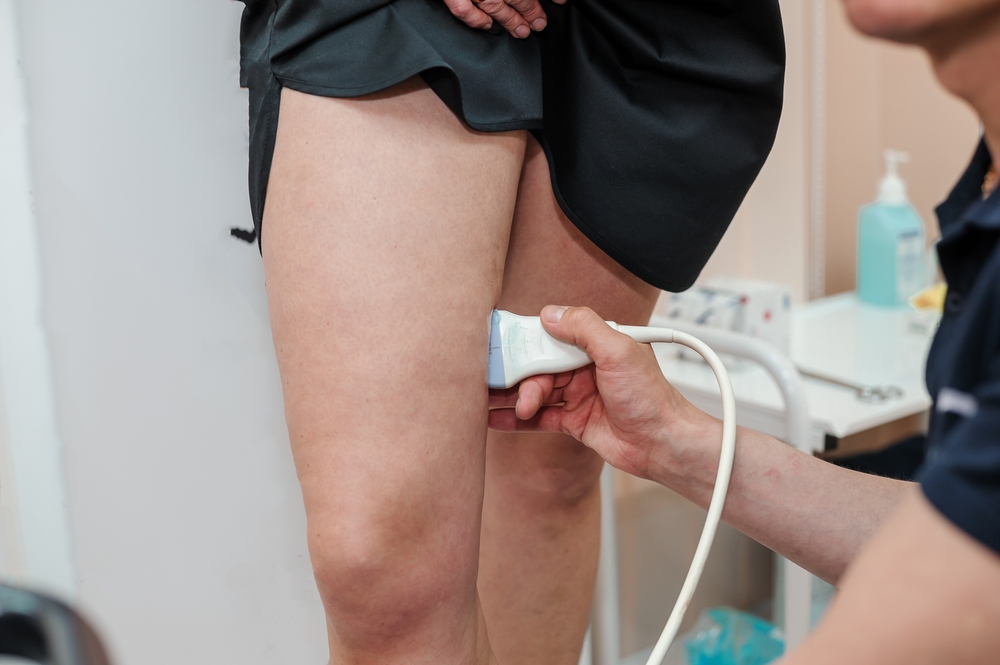
This is why a thorough diagnostic ultrasound at a reputable Manhattan vein clinic is so important before treatment begins. If significant venous insufficiency is found, your doctor will recommend treating the underlying faulty vein first, which can dramatically reduce the chance of new spider veins forming. Learn more about spider vein diagnosis and treatments on our detailed Spider Vein Treatment Manhattan page.
2. Genetic Predisposition
Heredity is one of the most significant and unchangeable risk factors. If your parents or close relatives had spider or varicose veins, you have a much higher likelihood of developing them throughout your life. Your genes can determine the strength of your vein walls and valves. While treatment can erase the current veins, it cannot alter your genetic makeup.
3. Hormonal Fluctuations
Hormones, particularly estrogen and progesterone, play a major role in vein health. These hormones can relax vein walls, making them more susceptible to stretching and dilation. Major life events involving significant hormonal shifts can trigger the development of new spider veins:
- Pregnancy: The combination of hormonal surges, increased blood volume, and the physical pressure of the growing uterus on pelvic veins creates a perfect storm for developing new veins.
- Menopause: The hormonal changes during menopause can also affect vein elasticity and contribute to their appearance.
- Hormonal Medications: Birth control pills and hormone replacement therapy can also be contributing factors for some women.
4. Lifestyle and Occupation
Your daily habits can have a cumulative effect on your vein health.
- Prolonged Standing or Sitting: Jobs that require you to be on your feet all day (like nurses, teachers, or retail workers) or seated for long hours (like office workers or drivers) allow blood to pool in the legs, increasing venous pressure.
- Obesity: Carrying excess weight puts additional, constant pressure on your leg veins, straining the valves and walls.
- Lack of Exercise: Physical activity, especially exercises that engage the calf muscles like walking and running, helps pump blood out of the legs and back to the heart. A sedentary lifestyle weakens this “calf muscle pump” and contributes to venous pooling.
If you’re concerned your lifestyle is increasing your risk, consider scheduling a consultation with a specialist experienced in vein care treatment Manhattan.
5. Incomplete Initial Treatment
In some cases, what appears to be new veins may actually be residual veins from an incomplete initial treatment. This can happen if:
- Underlying Feeder Veins Were Missed: An effective treatment must address not only the visible spider veins but also the slightly larger, underlying reticular “feeder” veins that supply them with blood. If these feeders are not closed off, they will continue to pump blood into the surface capillaries, causing the spider veins to reappear or new ones to form nearby.
- Insufficient Number of Sessions: Achieving full clearance often requires multiple treatment sessions. Ending the treatment course prematurely might leave behind partially treated or untreated veins that can become more visible later.
Choosing a meticulous varicose vein doctor in Manhattan who uses ultrasound guidance and is committed to a comprehensive treatment plan is the best way to avoid this issue.
Questions about your treatment options? Dr. Fox can help.
Book a ConsultationHow to Minimize Recurrence and Maintain Your Results
While you can’t change your genes, you have a great deal of control over managing your risk factors and protecting your investment in vein treatment. A proactive approach can significantly prolong your results and keep your legs looking and feeling great.
1. Wear Compression Stockings
This is one of the most effective tools for maintaining vein health. Medical-grade compression stockings provide external support to your veins, which helps:
- Improve Circulation: The gentle, graduated pressure helps squeeze blood up the legs and toward the heart, preventing pooling.
- Reduce Venous Pressure: By counteracting the effects of gravity, compression reduces the overall pressure in your leg veins.
- Support Vein Walls: The stockings act like an external layer of muscle, supporting your vein walls and preventing them from overstretching.
Your vein specialist may recommend wearing them during long periods of standing or sitting, while traveling by plane, or even just for a few hours each day to give your legs support.
2. Stay Active and Maintain a Healthy Weight
Regular exercise is medicine for your veins.
- Strengthen Your Calf Pump: Activities like walking, jogging, swimming, and cycling actively engage your calf muscles, which are essential for pumping deoxygenated blood out of your legs.
- Promote Healthy Circulation: Exercise improves overall blood flow and cardiovascular health.
- Manage Your Weight: Maintaining a healthy body weight is one of the best things you can do to reduce excess pressure on your leg veins. Even a modest weight loss of 5-10% can make a significant difference.
3. Make Simple Lifestyle Adjustments
Small changes to your daily routine can have a big impact over time.
- Elevate Your Legs: When you are resting, prop your legs up on a few pillows so they are above the level of your heart. This uses gravity to your advantage, helping to drain pooled blood from your legs.
- Avoid Prolonged Static Positions: If you have a desk job, get up and walk around for a few minutes every hour. If you stand all day, take short breaks to sit down and elevate your feet. Simple ankle flexes and calf raises can also be done while seated or standing to activate your calf pump.
- Choose Sensible Footwear: High heels can impair the function of the calf muscle pump. Opt for lower-heeled or flat shoes for daily wear to promote better circulation.
4. Be Proactive During High-Risk Times
If you know you are entering a period of hormonal change, like pregnancy, be extra vigilant. Talk to your doctor about wearing maternity compression stockings and make leg elevation and exercise a priority to mitigate the effects on your veins.
5. Plan for Maintenance “Touch-Up” Treatments
Even with the best preventive care, some people are simply prone to developing new spider veins. For this reason, many patients adopt a maintenance mindset. They plan for a single “touch-up” session every few years to address any new spider veins that may have appeared.
This approach is far easier, quicker, and more cost-effective than waiting for the veins to become extensive again. A quick maintenance session can keep your legs looking clear and prevent the development of significant vein pain or other symptoms.
Choosing the Right Vein Specialist Matters
The long-term success of your vein treatment starts with the quality of your initial care. A thorough, experienced specialist will not only treat your visible veins but will also search for and address the underlying cause. This comprehensive approach is your best defense against early or widespread recurrence. To learn more about advanced treatment options, be sure to visit our Spider Vein Treatment in Manhattan page.
Look for a board-certified specialist at a dedicated vein clinic who:
- Performs a comprehensive diagnostic ultrasound to check for venous insufficiency.
- Is skilled in treating the full spectrum of venous disease, from large varicose veins to the tiniest spider veins.
- Develops a personalized and complete treatment plan.
- Provides detailed education on post-treatment care and long-term maintenance.
Spider vein treatment offers a fantastic and lasting solution for the veins it eliminates. While new veins can form due to genetics, hormones, and lifestyle, you are not powerless. By adopting a proactive maintenance strategy and partnering with an expert in vein care, you can successfully manage your condition and enjoy the confidence of healthier, clearer legs for many years to come.