A minor leg ache at the end of the day or a few small spider veins can seem like trivial issues. It’s easy to dismiss them as a normal part of life, perhaps from spending too much time on your feet. However, these seemingly small symptoms can be the first signs of a chronic vein condition, a progressive disease that, by its very nature, will worsen without intervention. Understanding why and how these conditions deteriorate is the key to preventing serious complications and preserving your long-term health and mobility.
Chronic vein conditions, such as chronic venous insufficiency (CVI), don’t simply appear overnight in their most severe form. They begin with subtle malfunctions in your circulatory system that create a cascade of compounding problems. This guide will explain the progressive nature of vein disease, detailing the physiological chain reaction that causes symptoms to escalate from mild discomfort to debilitating health issues. We will explore why ignoring vein pain is a significant risk and emphasize the importance of seeking timely evaluation from a chronic vein condition specialist near me.
The Foundation: How Healthy Veins Function
To understand why vein conditions worsen, we must first look at a healthy venous system. Your arteries deliver oxygenated blood from the heart to your body, but your veins have the more difficult task: returning that blood to the heart, especially from the legs, against the constant pull of gravity.
This upward journey is made possible by two critical mechanisms:
- The Calf Muscle Pump: When you walk or flex your calf muscles, they squeeze the deep veins in your legs, pushing blood upward.
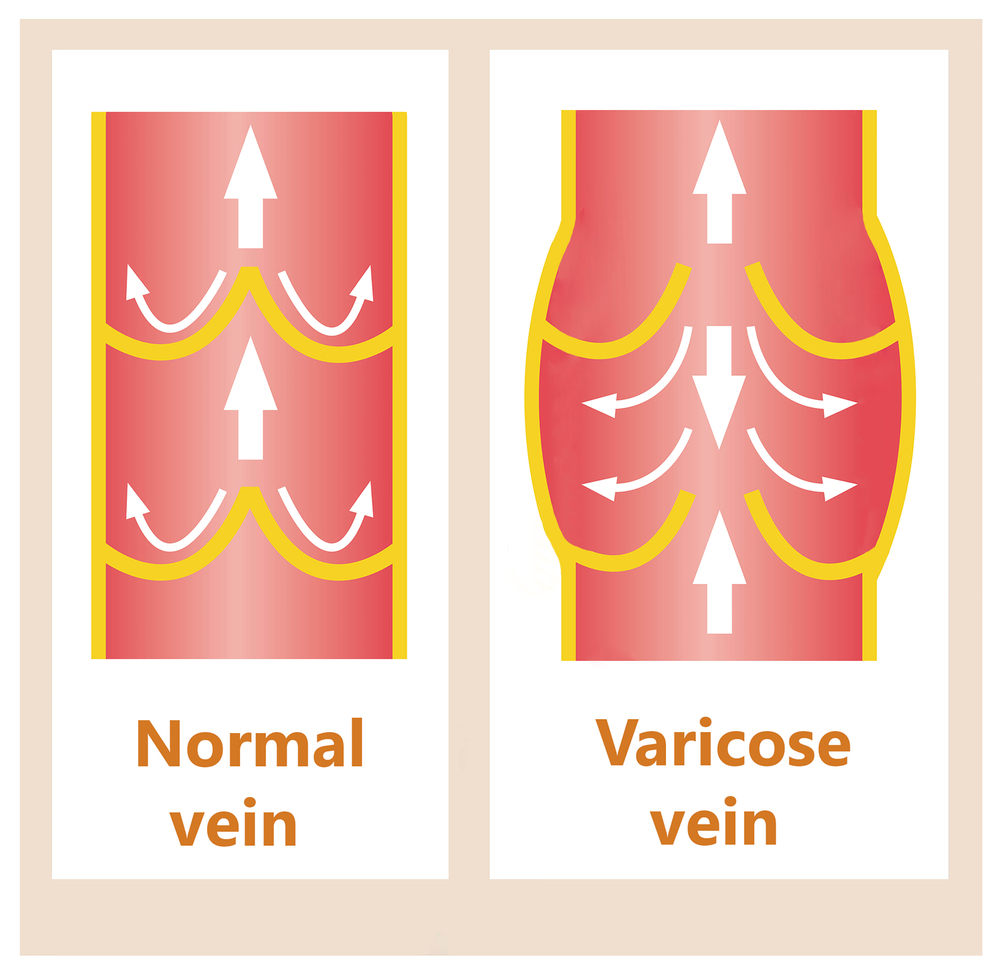
- Venous Valves: Inside your veins are tiny, one-way valves. These delicate flaps of tissue open to allow blood to flow toward the heart and then snap shut to prevent it from flowing backward.
When this system works in harmony, blood circulation is efficient, and your legs feel healthy and light. Chronic vein disease begins when this system fails, specifically when the venous valves become damaged or incompetent.
The Starting Point of Decline: Venous Reflux
The root of almost all chronic vein conditions is a phenomenon called venous reflux. This occurs when the one-way valves in the leg veins weaken and fail to close properly. Instead of creating a tight seal, the damaged valves allow blood to leak backward and pool in the lower legs.
This valve failure doesn’t happen suddenly. It can be due to a variety of factors, including:
- Genetic Predisposition: A family history of varicose veins is a strong indicator.
- Age: Valves can naturally wear out over time.
- Hormonal Changes: Pregnancy and menopause can relax vein walls and affect valve function.
- History of Blood Clots (DVT): A deep vein thrombosis can permanently damage valves.
- Lifestyle: Prolonged periods of sitting or standing reduce the effectiveness of the calf muscle pump.
Once venous reflux begins, even on a small scale, it sets off a domino effect that ensures the condition will progress.
Questions about your treatment options? Dr. Fox can help.
Book a ConsultationThe Vicious Cycle: How Venous Hypertension Drives Progression
The backward flow of blood causes it to accumulate in the lower leg veins, leading to a steady increase in pressure within those vessels. This condition is known as venous hypertension, and it is the primary engine driving the progression of chronic vein disease. Venous hypertension creates a self-perpetuating cycle of damage that makes the condition progressively worse.
Step 1: Vein Wall Distention and Further Valve Damage
The initial increase in pressure begins to stretch the walls of the veins. Vein walls are designed to be flexible, but they are not meant to withstand constant, elevated pressure. As the vein wall stretches and distends, it pulls the valve flaps further apart.
This creates a vicious cycle:
- Damaged valves cause reflux and venous hypertension.
- Venous hypertension stretches the vein walls.
- Stretched vein walls make the valves even more incompetent.
- Worsening valve function leads to more severe reflux and even higher venous pressure.
This escalating pressure is what causes bulging veins to become more prominent over time. A vein that was once only slightly visible can become a large, rope-like varicose vein as the walls continue to weaken and expand under the relentless pressure.
Step 2: Inflammation and Worsening Symptoms
Venous hypertension doesn’t just affect the veins; it triggers a chronic inflammatory response in the surrounding tissues. The stagnant, deoxygenated blood is low in nutrients and high in metabolic waste products. The body recognizes this as an abnormal state and initiates an inflammatory process.
This inflammation is the source of many of the most common symptoms, including vein pain, aching, throbbing, and cramping. Initially, this discomfort may be mild and only occur after a long day. However, as the inflammation becomes more chronic and widespread, the pain can become more constant and severe. This inflammatory state is a key reason why symptoms do not remain static.
Step 3: Fluid Leakage and Chronic Swelling (Edema)
As the pressure inside the veins continues to build, it exceeds the pressure in the surrounding tissues. This forces fluid, proteins, and red blood cells to leak out of the tiny capillaries and into the interstitial space—the tissue surrounding the blood vessels.
This leakage leads to swelling, or edema.
- In the early stages: The swelling is mild and temporary. It might only be noticeable in the ankles at the end of the day and typically resolves overnight as lying flat relieves the pressure.
- As the condition progresses: The leakage becomes more constant. The body’s lymphatic system, which is responsible for clearing excess fluid, becomes overwhelmed. The swelling becomes more persistent, affecting the entire lower leg and no longer disappearing completely overnight. This chronic swelling makes the legs feel heavy and tight and further restricts circulation.
Step 4: Skin Damage and Discoloration (Stasis Dermatitis)
The fluid that leaks into the tissues is not just water. It contains red blood cells and other blood components. When red blood cells break down outside of the vessels, they release iron, which is stored in a compound called hemosiderin. This hemosiderin gets deposited in the skin, acting like a permanent tattoo from the inside out.
This process, known as hemosiderin staining or stasis pigmentation, causes the skin around the ankles and lower legs to develop a brownish or reddish-rust discoloration. This is a clear visual indicator that the vein disease has progressed to a more advanced stage.
At the same time, the chronic inflammation and poor circulation deprive the skin of the oxygen and nutrients it needs to stay healthy. This leads to stasis dermatitis, where the skin becomes:
- Itchy and irritated: Often mistaken for dry skin.
- Red and weepy: The skin can become raw and ooze fluid.
- Brittle and fragile: Making it highly susceptible to injury.
Step 5: Tissue Fibrosis and Hardening (Lipodermatosclerosis)
If chronic venous hypertension and inflammation are left untreated for years, it can lead to a severe condition called lipodermatosclerosis. The chronic inflammation triggers the formation of scar tissue (fibrosis) in the fat layer beneath the skin.
This causes the lower leg, particularly the area above the ankle, to become hard, woody, and painful to the touch. The leg may take on an “inverted champagne bottle” shape, where the calf is swollen and the area just above the ankle becomes narrow and constricted by the fibrotic tissue. This hardening of the tissues severely restricts blood flow and dramatically increases the risk of the final, most severe complication.
Step 6: The Formation of Venous Ulcers
The culmination of this entire progressive process is the development of a venous leg ulcer. This is an open, non-healing sore that typically forms on the inner side of the ankle.
A venous ulcer is the direct result of years of untreated vein disease. The skin has become so fragile, malnourished, and inflamed from chronic venous hypertension that even a minor bump or scratch can break the skin. Because the circulation is so poor, the body cannot mount an effective healing response. The wound remains open and is highly susceptible to infection.
Venous ulcers are notoriously difficult to heal and can persist for months or even years. They cause significant pain, can have a foul-smelling discharge, and severely impact a person’s quality of life and independence. The journey from a mild leg ache to a non-healing ulcer is a long one, but it is a direct and predictable path if the underlying chronic vein conditions are not addressed.
Factors That Accelerate the Progression
While chronic vein disease is inherently progressive, certain factors can speed up its decline:
- Weight Gain: Excess body weight increases abdominal pressure, which hinders blood flow from the legs back to the heart. It also puts direct physical pressure on the leg veins, exacerbating venous hypertension.
- Pregnancy: The hormonal changes, increased blood volume, and pressure from the growing uterus on pelvic veins can significantly worsen existing vein issues or trigger new ones. While some symptoms may improve after delivery, the underlying valve damage often remains, and the condition may progress more rapidly with each subsequent pregnancy.
- Prolonged Inactivity: A sedentary lifestyle or a job that requires long hours of sitting or standing means the calf muscle pump is not being engaged. This allows blood to pool, accelerating the cycle of venous hypertension.
- Ignoring Early Symptoms: Dismissing early signs like aching, swelling, or spider veins allows the underlying disease to advance unchecked. By the time many people seek help, significant damage has already occurred.
The Importance of Timely Treatment
Understanding the progressive nature of vein disease makes one thing clear: waiting is not a viable strategy. The condition will not improve or resolve on its own. Early and effective vein care treatment is the only way to break the vicious cycle of venous hypertension and halt the progression of the disease.
Seeking vein treatment near me at the first sign of a problem offers numerous benefits:
- Prevents Complications: Treating venous reflux early can prevent the development of varicose veins, chronic swelling, skin discoloration, and, most importantly, venous ulcers. Learn more about all chronic vein conditions and treatments available.
- Alleviates Symptoms: Modern treatments effectively eliminate the underlying cause of pain, heaviness, and cramping, restoring your quality of life. Review minimally invasive vein procedures that promote faster recovery.
- Less Invasive Procedures: Early-stage vein disease can often be treated with simpler, office-based procedures. Treating advanced conditions like lipodermatosclerosis or ulcers is a much more complex and lengthy process, highlighting the importance of timely evaluation.
- Improves Overall Health: Healthy circulation is vital for your entire body. By addressing vein disease, you improve the health of your legs and reduce the chronic inflammatory burden on your system. Read about the benefits of managing vein symptoms early.
A consultation with a specialist will typically involve a duplex ultrasound scan. This non-invasive test allows the doctor to visualize your veins, confirm the presence of venous reflux, and pinpoint exactly which valves have failed. This detailed diagnostic map is crucial for creating a targeted and effective treatment plan. Modern treatments, such as endovenous laser therapy (EVLT), radiofrequency ablation, and sclerotherapy, are minimally invasive procedures that close off the diseased veins, rerouting blood to healthy ones and immediately breaking the cycle of venous hypertension.
Chronic vein disease is a journey of decline, but it’s a journey you can get off of. By recognizing that symptoms like vein pain and swelling are not just discomforts but signals of a progressive disease, you can take control. Don’t wait for your symptoms to dictate your life. Schedule an evaluation with a vein specialist to get a proper diagnosis and learn about the treatments that can stop the progression in its tracks, protecting your legs for a healthy and active future.