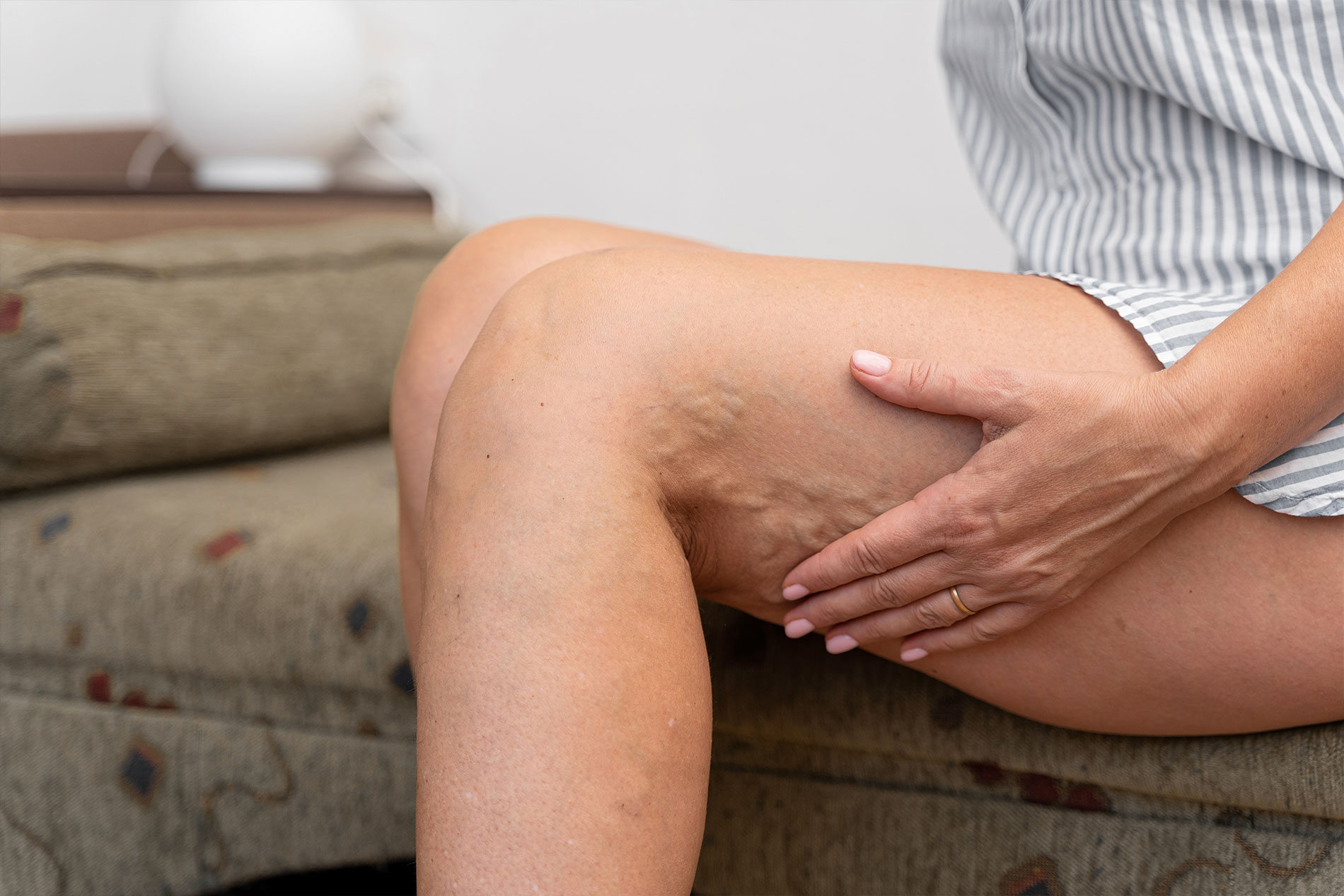
For decades, the phrase “vein surgery” conjured up images of painful procedures, long hospital stays, and significant scarring. Patients suffering from bulging varicose veins or chronic leg swelling often put off treatment, fearing that the cure might be worse than the disease. If this fear has kept you from seeking help, it is time for some good news: the era of vein stripping is largely over.
Today, vascular medicine has undergone a revolution. We have moved away from the operating room and into the comfort of the office. As a leading varicose vein doctor in Manhattan, Dr. David Fox and the team at Fox Vein and Vascular specialize in minimally invasive vein treatments. These modern procedures are safer, faster, and more effective than their historical counterparts, allowing patients to walk out of the office minutes after their treatment is complete.
If you want to explore the range of minimally invasive vein solutions, take a look at the details of our Manhattan vein treatment options to see what approaches might be suited to your needs.
In this comprehensive guide, we will explore the landscape of modern vein care. We will break down exactly how these treatments work, who they are for, and why searching for a “vein treatment near me” today yields far better options than it did twenty years ago.
The Shift from Surgery to Science
To understand the benefits of minimally invasive care, it helps to understand what came before. Traditionally, treating varicose veins involved “ligation and stripping.” This required general anesthesia and large incisions at the groin and ankle. The surgeon would physically pull the diseased vein out of the leg. It was effective, but it was traumatic for the body.
Modern vein care is different. Instead of removing the vein, we seal it. By using advanced technology—lasers, medical foams, or micro-incisions—we can close off the diseased vein from the inside. The body then naturally reroutes blood flow to healthy veins, and the closed vein is eventually reabsorbed by the body.
This approach offers several transformative advantages:
- No General Anesthesia: Most procedures use only local anesthesia (numbing medicine).
- No Hospital Stay: Treatments are performed in our accredited office facility.
- Immediate Mobility: Patients are encouraged to walk immediately after the procedure.
- Minimal Scarring: Incisions, if used at all, are often as small as a needle prick.
Diagnostic Ultrasound: The Foundation of Treatment
Before any minimally invasive procedure takes place, the most critical step is mapping the anatomy. When you visit a chronic vein condition specialist near me, the appointment begins with a duplex ultrasound scan.
This is not just about seeing the surface veins. Varicose veins and spider veins are often just the “tip of the iceberg.” The real problem usually lies deeper in the leg, where valves in the saphenous veins have failed (a condition called venous reflux).
Using ultrasound, Dr. Fox can visualize the blood flow in real-time. This ensures that we treat the root cause of the problem, not just the cosmetic symptoms. A treatment plan is then customized based on your specific anatomy.
Endovenous Laser Therapy (EVLT): The Gold Standard
For large, bulging varicose veins caused by reflux in the Great Saphenous Vein or Small Saphenous Vein, Endovenous Laser Therapy (EVLT) is widely considered the gold standard of care.
How It Works
EVLT is a thermal ablation technique. It uses heat energy to close the vein.
- Access: The leg is cleaned and numbed. Using ultrasound guidance, a thin laser fiber is inserted into the diseased vein through a tiny needle puncture.
- Anesthesia: A dilute local anesthetic solution (tumescent anesthesia) is injected around the vein. This insulates the surrounding tissue from heat and ensures the patient feels no pain.
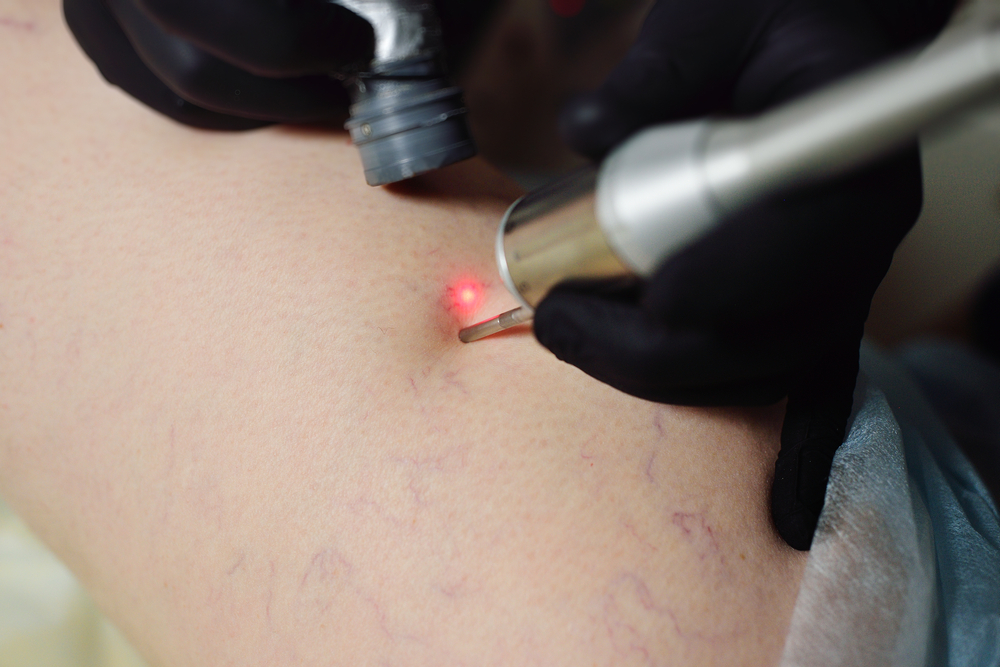
- Ablation: The laser is activated as the fiber is slowly withdrawn. The laser energy heats the vein wall, causing it to collapse and seal shut instantly.
- Completion: The fiber is removed, and a small bandage is applied. No stitches are needed.
Who Is It For?
EVLT is ideal for patients with significant venous insufficiency. If you have leg swelling and veins that bulge like ropes, or if you experience heaviness and fatigue in the legs, EVLT is often the primary treatment step.
What to Expect
The entire process takes less than an hour. Most patients report feeling only the initial prick of the numbing needle and perhaps some mild pressure. Walking immediately after the procedure is required to promote healthy circulation in the deep veins.
Sclerotherapy: The Solution for Spider Veins
While EVLT handles the large underlying veins, sclerotherapy is the go-to treatment for the smaller, visible veins that cause cosmetic distress and localized burning or itching.
How It Works
Sclerotherapy involves injecting a solution (a sclerosant) directly into the vein. This solution irritates the lining of the blood vessel, causing it to stick together and clot. Over time, the vessel turns into scar tissue and fades from view.
There are two main types of sclerotherapy used by a Manhattan vein clinic:
- Liquid Sclerotherapy: Used for tiny spider veins (telangiectasias). The liquid flows easily into these small vessels.
- Foam Sclerotherapy: For slightly larger reticular veins or small varicose veins, the solution is mixed with air to create a foam. The foam displaces blood in the vein, allowing the medication to work more effectively on the vein wall without being diluted.
The “Ultrasound-Guided” Advantage
At Fox Vein and Vascular, we often perform ultrasound-guided sclerotherapy. This allows us to treat veins that are not visible on the surface but are feeding the spider veins you can see. By treating the feeder veins, we get better, longer-lasting results and reduce the chance of recurrence.
What to Expect
Sclerotherapy is often described as feeling like a small mosquito bite. Multiple veins can be treated in a single session. After the treatment, you will wear compression stockings to keep the veins closed while they heal. It is normal for the veins to look worse (bruised or darker) before they look better, so patience is key during the healing process.
Ambulatory Phlebectomy: Removing Bulging Veins
Sometimes, a varicose vein is too large or twisty for sclerotherapy but is too close to the surface for laser treatment. In these cases, Ambulatory Phlebectomy is the preferred method.
How It Works
Despite the scary-sounding name (“phlebectomy” literally means “removing the vein”), this is a gentle, minimally invasive procedure.
- Micro-Incisions: After numbing the area with local anesthesia, tiny punctures (about 1-2mm) are made along the path of the bulging vein.
- Extraction: Dr. Fox uses a special instrument (like a tiny crochet hook) to gently tease the vein out through these small holes.
- Closure: The vein is removed in sections. Because the incisions are so small, no stitches are required. Steri-strips or a simple bandage are all that is needed.
Benefits
The primary benefit of ambulatory phlebectomy is immediate gratification. unlike thermal ablation or sclerotherapy, where you wait for the body to absorb the vein, phlebectomy physically removes it. The bulge is gone the moment you leave the table.
This is often performed in conjunction with EVLT. The laser closes the source of the reflux, and the phlebectomy removes the visible branches, providing a comprehensive “one-and-done” result for many patients.
Genicular Artery Embolization (GAE): Innovation for Knee Pain
While discussing minimally invasive vascular treatments, it is crucial to mention a breakthrough procedure for knee pain treatment Manhattan. Many patients searching for a chronic vein condition specialist near me also suffer from osteoarthritis (OA) of the knee.
At Fox Vein and Vascular, we treat the whole patient. Often, knee pain is driven by inflammation and abnormal blood flow in the lining of the knee (the synovium).
How It Works
Genicular Artery Embolization (GAE) is an advanced non-surgical treatment for knee osteoarthritis that reduces inflammation and chronic knee pain.
- Catheter Access: A tiny catheter is inserted into an artery in the groin or wrist.
- Targeting: Using X-ray guidance, Dr. Fox navigates the catheter to the specific arteries supplying the inflamed knee lining.
- Embolization: Tiny particles are injected to slow down the blood flow to these inflamed areas. This “starves” the inflammation without damaging the healthy bone or cartilage.
Why It Matters
This is a game-changer for patients who are not ready for knee replacement surgery but are tired of relying on painkillers or steroid injections. It is a vascular solution to an orthopedic problem, highlighting why seeing a specialist with broad vascular expertise is so valuable.
Benefits of Minimally Invasive Vein Care
Why should you choose a specialized vein treatment near me over waiting or seeking older surgical methods? The advantages are clear and compelling.
1. High Success Rate
Treatments like EVLT have success rates exceeding 95-98%. Because we use ultrasound to visualize the treatment area, we can ensure the vein is successfully closed before you even leave the room.
2. Safety Profile
The risk of complications with minimally invasive treatments is extremely low. The risk of infection is negligible compared to open surgery, and the use of local anesthesia avoids the risks associated with being “put under.”
3. Cosmetic Excellence
Let’s be honest: appearance matters. Whether you are treating spider veins or large bulging veins, you want your legs to look smooth and clear. Minimally invasive techniques prioritize cosmetic outcomes, leaving little to no scarring.
4. Lifestyle Friendly
We know you are busy. You cannot afford to take two weeks off work to elevate your legs. With modern treatments, most patients return to work the very next day. You can drive yourself to and from the appointment. It fits seamlessly into a busy New York lifestyle.
Addressing “Vein Symptoms in Legs”: It’s Not Just Cosmetic
One of the biggest misconceptions we fight is that vein treatment is purely for vanity. While we love giving patients the confidence to wear shorts again, the medical benefits are equally important.
Untreated venous insufficiency is a progressive disease. What starts as a cosmetic nuisance can evolve into significant health issues.
- Vein Pain: Aching, throbbing, and cramping are signs that your veins are struggling to return blood to the heart.
- Leg Swelling: Chronic edema can damage the lymphatic system and make legs feel heavy and wooden.
- Skin Changes: Over time, high pressure in the veins can cause stasis dermatitis—a red, itchy rash near the ankles.
- Venous Ulcers: In severe cases, the skin can break down, forming open wounds that are difficult to heal.
By seeking a Best vein doctor near me early, you prevent these complications. Minimally invasive treatments stop the progression of the disease, preserving your long-term mobility and skin health.
Peripheral Arterial Disease (PAD): The Other Side of the Coin
Sometimes, leg pain isn’t a vein problem—it’s an artery problem. Veins carry blood to the heart; arteries carry blood away from the heart.
If your arteries are clogged (atherosclerosis), your legs don’t get enough oxygen. This condition, Peripheral Arterial Disease (PAD), can cause cramping while walking or pain in the feet at night.
As a comprehensive vascular practice, Fox Vein and Vascular diagnoses and treats PAD using minimally invasive techniques as well, such as atherectomy (cleaning out the plaque) or angioplasty (opening the vessel with a balloon). This ensures that no matter the source of your leg pain, we have the tools to treat it without major surgery.
What to Expect: The Patient Journey
If you are considering visiting a Manhattan vein clinic, here is a step-by-step look at what your experience will be like.
Step 1: The Consultation
You will meet with Dr. David Fox to discuss your history. Do your legs hurt? Do you have a family history of varicose veins? This conversation sets the stage.
Step 2: The Ultrasound Map
As mentioned, the ultrasound is the roadmap. It is painless, non-invasive, and takes about 20-30 minutes. You will stand or lie down while the technician scans your legs.
Step 3: The Plan
Dr. Fox will review the scan with you. He will explain which veins are refluxing and recommend a tailored plan. This might include EVLT for the main trunk, followed by sclerotherapy for the branches. Our office handles the insurance authorization process for you.
Step 4: The Procedure Day
You arrive at the office, usually wearing loose, comfortable clothing. The room is sterile but comfortable. We often play music to help you relax. The procedure is performed under local anesthesia. You are awake and can chat with the doctor, but you shouldn’t feel pain.
Step 5: The Recovery
Your leg will be wrapped in a bandage or compression stocking. You will be instructed to walk for 15-20 minutes before going home. You will continue to wear compression stockings for about a week. You might have some bruising or a “tight” sensation, but this fades quickly.
Frequently Asked Questions About Minimally Invasive Treatment
Q: Will the treated vein come back?
A: No. Once a vein is ablated (closed) or removed, it cannot come back. However, venous disease is chronic. Your body can develop new varicose veins in other areas over time, which is why periodic check-ups with your vein care treatment Manhattan provider are recommended.
Q: Do I need the vein that you are closing?
A: This is a very common worry. The answer is no. The vein we are treating is diseased—it is not working properly. In fact, it is holding stagnant blood and causing problems. When we close it, your body smartly reroutes the blood into the many healthy deep veins that handle the vast majority of circulation. Your circulation actually improves after treatment because the “traffic jam” is removed.
Q: Is it covered by insurance?
A: If you have symptoms like pain, swelling, or skin changes, most insurance plans (including Medicare) consider vein treatment medically necessary. Purely cosmetic treatments for small spider veins are usually out-of-pocket. Our staff helps you navigate these benefits.
Why Choose Fox Vein and Vascular?
When searching for the “Best vein doctor near me,” credentials matter. Vein treatment is an art and a science. It requires a deep understanding of hemodynamics (how blood flows) and precise technical skill.
Dr. David Fox is a board-certified vascular surgeon with over 20 years of experience. Unlike clinics run by doctors from unrelated fields who merely took a weekend course in veins, Dr. Fox has dedicated his career to the vascular system.
At Fox Vein and Vascular, we combine this surgical expertise with a patient-centered approach.
- Advanced Technology: We utilize the latest lasers and imaging equipment.
- Comprehensive Care: From knee specialist near me inquiries to complex vascular disease, we cover it all.
- Concierge Service: We value your time. We run on schedule and ensure your administrative experience is as smooth as your clinical one.
Non-Surgical Osteoarthritis Knee Pain Treatment
While many patients visit a vein clinic for circulation issues, chronic knee pain can sometimes come from a completely different source: knee osteoarthritis.
At Fox Vein and Vascular, Dr. Fox also performs Genicular Artery Embolization (GAE) — a minimally invasive procedure designed to reduce inflammation in the knee joint and provide non-surgical knee pain relief for patients with arthritis.
If you are exploring osteoarthritis treatment without surgery, learn more about how Genicular Artery Embolization (GAE) works and whether it may be appropriate for your knee pain.
Learn more about non-surgical knee arthritis treatment with GAE.
Conclusion: Take the First Step Toward Relief
Living with bulging veins, leg heaviness, or unsightly spider veins is no longer necessary. The days of painful stripping surgery are behind us. Minimally invasive vein treatments offer a safe, effective, and convenient solution that fits into your busy life.
Whether you need a varicose vein doctor Manhattan for medical reasons or simply want to feel confident in your legs again, the solution is closer than you think.
Don’t wait for your symptoms to worsen. Take control of your vascular health today.
Contact Fox Vein and Vascular at (212) 362-3470 or visit us online to schedule your consultation. Let us show you how easy and effective modern vein care can be.
Leading Manhattan Vascular & Vein Specialist
At Fox Vein Care, we provide state-of-the-art vascular and venous treatments, combining advanced diagnostic technology with minimally invasive procedures that prioritize comfort, safety, and outstanding results.
Contact Us