
Leg ulcers are a serious and often painful condition, representing an advanced stage of underlying vein problems. While many people associate vein issues with cosmetic concerns like spider veins or bulging veins, the reality is far more complex. Chronic Venous Insufficiency (CVI), the root cause of many vein-related symptoms, can progress to a point where it compromises the health of your skin, leading to open sores that are difficult to heal. Understanding the connection between chronic vein disease and leg ulcers is the first step toward effective treatment and prevention.
If you experience vein pain, leg swelling, or have noticed changes in the skin on your lower legs, seeking a specialist’s care is crucial. A varicose vein doctor in Manhattan can diagnose the underlying issue and recommend a course of action before it escalates. This comprehensive guide will explore the link between venous disease and leg ulcers, cover symptoms and risk factors, and detail the advanced treatment options available at a modern Manhattan vein clinic.
Understanding Chronic Venous Insufficiency (CVI)
To grasp why leg ulcers form, we must first understand the circulatory problem that causes them: Chronic Venous Insufficiency. Your arteries carry oxygen-rich blood from your heart to the rest of your body, including your legs. Your veins have the challenging job of returning that blood to the heart, working against gravity. To accomplish this, veins in your legs have tiny, one-way valves that open to let blood flow upward and close to prevent it from flowing back down.
When these valves become weak or damaged, they fail to close properly. This allows blood to leak backward and pool in the lower leg veins, a condition known as venous reflux. This pooling increases the pressure inside the veins, a state called venous hypertension. Over time, this sustained pressure damages the veins, causing them to stretch, twist, and bulge. This entire process is what defines Chronic Venous Insufficiency.
For more information about the conditions that lead to leg ulcers, visit the Vein & Vascular Treatments We Offer and Peripheral Arterial Disease pages.
From CVI to Varicose Veins and Beyond
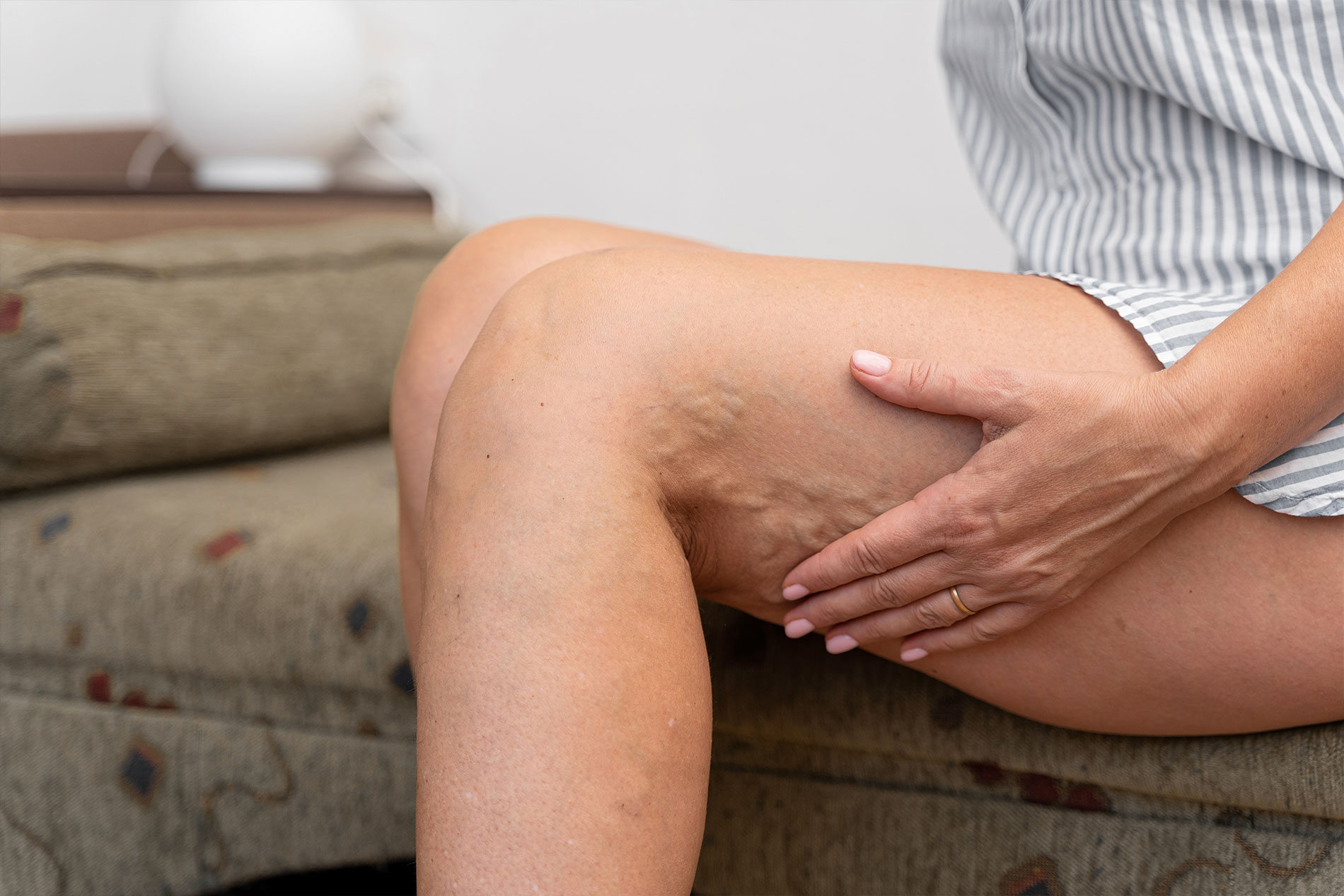
The most visible sign of CVI for many people is the appearance of varicose veins. These are the enlarged, rope-like blue or purple veins that often appear on the legs and feet. While some individuals may only be concerned about their appearance, varicose veins are a clear indicator of underlying venous hypertension and should be evaluated by a vein specialist.
Beyond visible varicose veins, CVI can cause a range of uncomfortable vein symptoms in legs, including:
- Leg Swelling and Veins: Edema, or swelling, is a common symptom. The increased pressure forces fluid from the blood into surrounding tissues, causing the ankles and lower legs to swell, particularly at the end of the day.
- Vein Pain and Discomfort: Many people experience a feeling of heaviness, aching, throbbing, or cramping in their legs. This pain often worsens after long periods of standing or sitting.
- Skin Changes: This is a critical sign that the condition is progressing. The skin around the ankles may become discolored, turning reddish-brown or leathery. It might also become dry, itchy, and thin, a condition known as stasis dermatitis or venous eczema.
- Spider Veins: While often considered cosmetic, the appearance of new clusters of spider veins can also be a sign of deeper venous pressure issues.
When these symptoms are ignored, the chronic pressure and inflammation can severely impair blood circulation in the skin. The skin becomes fragile, malnourished, and unable to heal properly from even minor injuries. This creates the perfect environment for a venous leg ulcer to develop.
What is a Venous Leg Ulcer?
A venous leg ulcer is an open, non-healing sore that typically forms on the lower leg, most often around the inner ankle area. It is a direct result of advanced Chronic Venous Insufficiency. The persistent high pressure in the leg veins (venous hypertension) damages the tiny blood vessels in the skin. This damage prevents oxygen and vital nutrients from reaching the skin tissue, causing cells to die and an ulcer to form.
Unlike a wound from a typical injury that heals within a week or two, a venous ulcer can persist for months or even years if the underlying vein problem is not addressed. These ulcers are often painful, may produce significant drainage, and carry a high risk of infection, which can become a serious systemic health issue. Finding the right vein care treatment in Manhattan is essential to manage the wound and, more importantly, to treat the CVI that is causing it.
For more on advanced wound interventions, visit Genicular Artery Embolization (GAE) and About Fox Vein and Vascular to meet the expert team.
The Stages Leading to a Leg Ulcer
Venous ulcers don’t appear overnight. They are the final stage in a progression of skin damage caused by CVI.
- Edema and Swelling: The initial stage involves persistent swelling in the lower leg and ankle.
- Skin Discoloration: As red blood cells leak from the high-pressure veins, the iron pigment (hemosiderin) gets deposited in the skin, causing a permanent brownish or purplish stain.
- Stasis Dermatitis: The skin becomes inflamed, itchy, scaly, and may weep clear or yellowish fluid. It can resemble a rash and is often misdiagnosed as a simple skin condition.
- Lipodermatosclerosis: In this advanced stage, the soft tissue below the skin becomes hard, firm, and tender. The leg can take on an “inverted champagne bottle” shape, where the upper calf is swollen and the lower leg and ankle are narrow and constricted.
- Ulceration: The skin becomes so fragile that a minor bump, scratch, or even spontaneous breakdown can lead to the formation of an open sore. The ulcer may start small but can grow in size if the venous pressure is not controlled.
Recognizing these earlier signs is critical. If you are searching for a chronic vein condition specialist near me, it is wise to book a consultation when you notice skin changes, rather than waiting for an ulcer to develop.
The Critical Importance of a Proper Diagnosis
One of the greatest challenges with CVI and its complications is misdiagnosis. Symptoms like leg swelling, pain, and skin rashes are common and can be attributed to many other conditions. For example, leg swelling could be mistaken for heart failure or kidney problems. Skin changes are often treated by dermatologists as simple eczema or a skin infection, without addressing the circulatory cause.
This is why consulting a specialist is so important. When you search for the best vein doctor near me, you are looking for a professional who understands the vascular system inside and out. A board-certified vein specialist will perform a comprehensive evaluation that goes beyond a simple visual inspection.
The Role of Ultrasound in Diagnosing Vein Disease
The gold standard for diagnosing CVI is a duplex ultrasound examination. This is a non-invasive, painless test performed in the vein specialist’s office. Using sound waves, the ultrasound machine creates a detailed map of your leg veins. It allows the doctor to:
- Visualize the Veins: The specialist can see the structure of your superficial and deep veins.
- Assess Blood Flow: The “duplex” part of the test measures the direction and speed of blood flow. This is how the doctor can definitively identify venous reflux—the backward flow of blood caused by faulty valves.
- Pinpoint the Problem: The ultrasound identifies exactly which veins and which specific valves are failing. This information is crucial for creating a precise and effective treatment plan.
Learn more about the diagnostic ultrasound process and how it can reveal underlying circulatory issues not seen on the surface.
Without an ultrasound, treatment is just guesswork. By accurately identifying the source of the venous hypertension, a vein specialist can target the root cause of the problem, not just the symptoms. This is the key to successful, long-term healing of venous leg ulcers and preventing their recurrence.
Advanced Treatment for Venous Leg Ulcers and CVI
Treating a venous leg ulcer requires a two-pronged approach. First, the wound itself must be managed to promote healing and prevent infection. Second, and most importantly, the underlying Chronic Venous Insufficiency must be treated to reduce venous pressure and allow the ulcer to heal for good. Simply dressing the wound without addressing the CVI is like bailing water out of a boat without fixing the leak.
Explore additional vein and vascular treatments for comprehensive care at Fox Vein and Vascular.
Wound Care and Compression Therapy
Initial management of a venous ulcer focuses on cleaning the wound, removing any dead tissue (a process called debridement), and applying specialized dressings. The cornerstone of both wound care and CVI management is compression therapy.
By applying external pressure to the leg, compression stockings or bandages help to:
- Squeeze the leg tissues and reduce swelling.
- Support the veins and assist the calf muscle pump in moving blood toward the heart.
- Reduce venous pressure in the lower leg.
- Improve circulation to the skin, aiding in ulcer healing.
A vein specialist will prescribe the appropriate level of compression and teach you how to use it effectively. While compression is essential, it is often not enough on its own to resolve the underlying venous reflux. It is a management tool, not a cure.
Minimally Invasive Vein Treatments
Fortunately, the days of painful, high-risk vein stripping surgery are largely over. Today, a leading Manhattan vein clinic offers a variety of minimally invasive vein procedures designed to close off the diseased veins causing the reflux. These procedures are performed in-office, require only local anesthesia, and allow for a quick return to normal activities.
If you are looking for “vein treatment near me” to address the cause of your leg ulcer, your specialist may recommend one of the following state-of-the-art options:
Endovenous Laser Therapy (EVLT)
EVLT is one of the most common and effective treatments for large, straight veins like the great saphenous vein, which is often the main culprit in CVI.
- How it works: Under ultrasound guidance, the vein specialist inserts a thin laser fiber into the diseased vein through a tiny entry point. As the fiber is slowly withdrawn, it delivers laser energy to the vein wall. This heat causes the vein to collapse and seal shut.
- The result: Once the diseased vein is closed, blood is naturally rerouted to healthy, functional veins. The venous pressure in the lower leg drops significantly, relieving symptoms and allowing ulcers to heal.
Radiofrequency Ablation (RFA)
RFA works on a similar principle to EVLT but uses radiofrequency energy instead of laser energy to heat and close the vein. The choice between EVLT and RFA often depends on the specific characteristics of the vein and the specialist’s expertise. Learn more about treatment technologies.
VenaSeal™ Closure System
The VenaSeal system is a more recent innovation that closes the vein using a medical-grade adhesive. A small amount of the adhesive is delivered into the vein through a catheter, effectively gluing it shut. One of the main advantages of VenaSeal is that it often does not require the use of compression stockings immediately after the procedure.
Sclerotherapy
Sclerotherapy is typically used for smaller varicose veins and spider veins, but it can also be used to treat the refluxing veins that feed a venous ulcer. It involves injecting a medicated solution (a sclerosant) into the vein. This solution irritates the vein lining, causing it to scar and close. For larger veins, a foam version of the sclerosant is often used under ultrasound guidance to ensure precise delivery.
These procedures effectively eliminate the source of the venous hypertension, providing the optimal environment for the leg ulcer to heal and drastically reducing the risk of it coming back. A consultation with a top varicose vein doctor in Manhattan will determine which treatment, or combination of treatments, is best for your specific condition.
Risk Factors and Prevention
While anyone can develop CVI, certain factors increase your risk. Understanding these can help you take preventive measures.
Key Risk Factors:
- Genetics: A family history of varicose veins or CVI is the single strongest predictor.
- Age: The risk increases with age as vein valves naturally weaken over time.
- Gender: Women are more prone to CVI due to hormonal fluctuations related to pregnancy and menopause.
- Pregnancy: The increased blood volume and pressure from the growing uterus on pelvic veins can lead to or worsen vein problems.
- Obesity: Excess weight puts additional pressure on your leg veins.
- Prolonged Standing or Sitting: Occupations that require long periods in one position can hinder blood flow from the legs.
- History of Blood Clots (DVT): A deep vein thrombosis can damage vein valves, leading to a condition called post-thrombotic syndrome, a form of CVI.
For more about risk factors and how they’re managed, visit the Conditions We Treat section.
Can Lifestyle Changes Prevent Leg Ulcers?
While you can’t change your genes, adopting a healthy lifestyle can significantly reduce your risk of developing advanced CVI and leg ulcers, or help manage the condition if you already have it.
- Maintain a Healthy Weight: Losing even a small amount of weight can decrease the pressure on your leg veins.
- Stay Active: Regular exercise, especially walking, running, and cycling, strengthens your calf muscles. The calf muscle acts as a powerful pump, helping to push blood up out of your legs.
- Elevate Your Legs: When resting, elevate your legs above the level of your heart for 15-30 minutes several times a day. This uses gravity to help drain blood from your lower legs and reduce swelling.
- Avoid Prolonged Static Positions: If your job requires a lot of standing or sitting, take frequent breaks to walk around. Flex your ankles and stretch your legs regularly to keep the blood moving.
- Wear Compression Stockings: If you have known risk factors or early symptoms like leg swelling, your doctor may recommend wearing graduated compression stockings, especially during long flights or workdays.
While these steps are beneficial, they may not be enough to reverse existing valve damage. Lifestyle changes are most effective as a preventive strategy or as a complement to medical treatment provided by a chronic vein condition specialist.
Choosing the Right Vein Specialist in Manhattan
Dealing with a chronic condition like CVI, especially when it has progressed to a leg ulcer, requires expert care. You need a medical professional who specializes in the diagnosis and treatment of vascular disease. When searching for a “vein specialist near me“, particularly in a large metropolitan area like New York City, it is important to look for a board-certified vascular surgeon or a physician with dedicated, extensive training in phlebology (the study of veins).
A top-tier Manhattan vein clinic will offer:
- Comprehensive Diagnostic Services: In-house duplex ultrasound performed by experienced technicians.
- A Full Range of Treatment Options: Access to multiple minimally invasive technologies like EVLT, RFA, and VenaSeal, ensuring your treatment plan is tailored to you.
- Experienced Medical Staff: A team led by a recognized vein specialist in Manhattan with a proven track record of successful outcomes.
- Integrated Care: The ability to manage both the underlying vein disease and the associated wound care for leg ulcers.
Don’t just take our word for it—see real patient feedback on our Fox Vein and Vascular reviews.
Do not let vein pain, bulging veins, or leg swelling dictate your quality of life. An untreated venous leg ulcer is not just a skin wound; it is a sign of a serious, progressive circulatory disease. By seeking timely and expert vein care treatment in Manhattan, you can address the root cause of the problem. Modern, minimally invasive procedures can close off faulty veins, restore normal circulation, heal existing ulcers, and prevent them from returning, allowing you to get back on your feet with confidence. If you are concerned about your vein health or are experiencing any of the symptoms discussed, scheduling a consultation with a specialist is the most important step you can take. For more information on complex venous issues, you can learn about chronic vein conditions and the pathways to effective treatment.
Leading Manhattan Vascular & Vein Specialist
At Fox Vein Care, we provide state-of-the-art vascular and venous treatments, combining advanced diagnostic technology with minimally invasive procedures that prioritize comfort, safety, and outstanding results.
Contact Us