Deciding to treat your spider veins is a positive step towards feeling more confident and comfortable. But for many, one major question looms large and can cause hesitation: will the treatment be painful? The fear of pain is a common and completely understandable concern when considering any medical procedure, no matter how minor. The good news is that the days of painful, invasive vein surgeries are largely in the past.
Modern spider vein treatments are specifically designed to be minimally invasive, highly effective, and cause as little discomfort as possible. If you’re searching for “vein treatment near me” and worrying about the potential for pain, this guide is here to provide clarity and peace of mind. We will walk through the most common treatments, explain what you can realistically expect to feel during and after the procedures, and highlight how a top vein specialist in Manhattan prioritizes your comfort every step of the way. For a detailed overview of available options, visit our Spider Vein Treatment page.
Understanding Modern Spider Vein Treatments
Before we can talk about sensation, it’s important to understand the procedures themselves. The two leading treatments for spider veins are Sclerotherapy and Transdermal Laser Therapy. Both are performed in a comfortable office setting and are designed to eliminate unwanted veins with precision and minimal impact on your body.
The goal of these treatments is to close off the small, damaged veins so that the body can naturally absorb them, causing them to fade from sight. This is achieved by either introducing a substance that collapses the vein or using light energy to seal it shut.
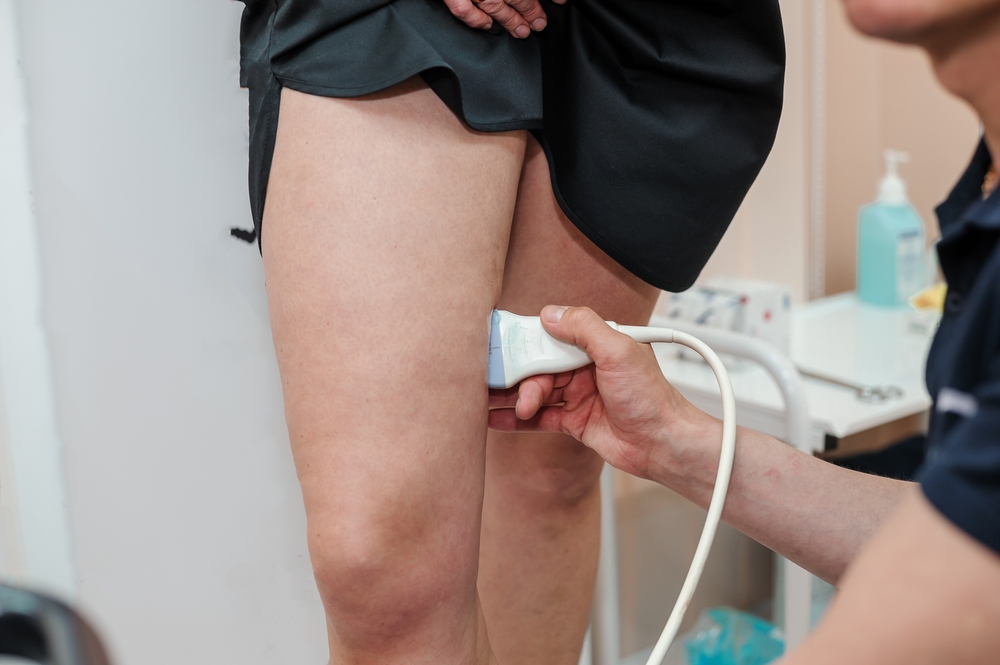
Sclerotherapy: The Gold Standard Treatment
Sclerotherapy is the most widely used and highly effective treatment for spider veins on the legs. It has been used for decades and has been perfected over time to be a safe and well-tolerated procedure. The process involves the injection of a special medicated solution, called a sclerosant, directly into the targeted veins.
To learn more about how sclerotherapy works and what to expect, visit Spider Vein Treatment at Fox Vein Care.
What Does Sclerotherapy Actually Feel Like?
This is the core question for most patients. The experience of sclerotherapy can be broken down into the injection itself and the sensations immediately following.
During the Injections:
- The Needle: One of the biggest sources of anxiety is the needle. It’s important to know that vein specialists use a micro-needle, which is incredibly fine—much smaller than the needles used for vaccinations or drawing blood.
- The Sensation: Most patients describe the initial needle prick as a tiny, quick pinch, similar to an insect bite. For many, it’s so slight they barely notice it.
- The Sclerosant Solution: As the solution is injected, some people report a mild, temporary sensation of tingling, cramping, or burning. This feeling is typically very brief, lasting only a few seconds to a minute as the sclerosant begins to work on the vein wall. The level of sensation can depend on the type of sclerosant used and the patient’s individual sensitivity. Most find this part to be easily manageable.
A single sclerotherapy session can involve anywhere from a few to dozens of injections, depending on the number of spider veins being treated. The entire process is usually completed in 15 to 30 minutes. Your specialist will work efficiently but carefully, ensuring you are comfortable throughout.
What to Expect Immediately After Sclerotherapy
Once the injections are complete, the discomfort typically subsides very quickly. Here’s what you can expect in the minutes and hours following your session:
- Mild Itching or Redness: It is very common to have some localized redness and raised, hive-like bumps at the injection sites. This is a normal inflammatory response and a sign that the treatment is working. It usually fades within an hour or two.
- Temporary Bruising: Bruising is also a common and expected side effect. The extent of bruising varies from person to person. It may be minimal or more noticeable, but it will fade over the following days and weeks just like any other bruise.
- No Significant Pain: You should not experience significant pain after sclerotherapy. Your legs might feel slightly tender or heavy, but you will be able to walk and resume your normal daily activities immediately. In fact, walking is encouraged to help circulate the sclerosant and promote healthy blood flow.
In summary, the vast majority of patients find sclerotherapy to be a very tolerable procedure. The “pain” is more accurately described as a series of minor, fleeting moments of discomfort rather than a sustained, painful experience. When you’re searching for the “best vein doctor near me,” look for a provider who takes the time to explain this process and answer all of your questions, as patient education is key to easing anxiety.
Transdermal Laser Therapy: A Non-Invasive Alternative
Transdermal laser therapy is another excellent option for treating spider veins, especially the very fine, superficial red veins that may be too small to inject with sclerotherapy. This method uses focused beams of light energy that pass through the skin to target the unwanted veins. You can learn more about spider vein treatment options and what to expect on the Spider Vein Treatment page at Fox Vein Care.
What Does Laser Treatment Feel Like?
Because this procedure involves no needles, the sensation is quite different from sclerotherapy.
During the Laser Pulses:
- The Sensation: The most common comparison patients use is the feeling of a small rubber band being snapped against the skin. Each pulse of the laser targets a small area, and the specialist will move the device along the length of the vein, delivering a series of these “snaps.”
- Heat Sensation: You will also feel a sensation of heat with each laser pulse. Advanced laser systems have built-in cooling mechanisms that deliver a burst of cold air to the skin’s surface just before, during, and after each laser pulse. This cooling technology is a game-changer, dramatically improving patient comfort and protecting the skin.
- Procedure Duration: Like sclerotherapy, a laser treatment session is quick, typically lasting between 15 and 30 minutes, depending on the size of the area being treated.
What to Expect Immediately After Laser Treatment
The recovery from laser therapy is also very straightforward, with minimal discomfort.
- Redness and Swelling: The treated area will likely be red and slightly swollen immediately after the procedure, similar to a mild sunburn. This typically resolves within 24-48 hours.
- Temporary Darkening: The treated veins may temporarily appear darker or more prominent before they begin to fade. This is a normal part of the process as the body begins to break down the sealed vessel.
- Minimal Pain: Just like with sclerotherapy, there should be no significant pain following laser treatment. The skin may feel a bit sensitive or tender for a day or two, but this is easily managed and does not interfere with daily activities.
For most people, the discomfort of laser treatment is mild and ends the moment the session is over. The use of advanced cooling systems makes it a far more comfortable experience than older laser technologies.
Questions about your treatment options? Dr. Fox can help.
Book a ConsultationWhat if a Bigger Problem is Found? Treating Venous Insufficiency
Sometimes, a diagnostic evaluation reveals that the visible spider veins are a symptom of a deeper issue called Chronic Venous Insufficiency (CVI). This means a larger, underlying vein has faulty valves. In these cases, a specialist might recommend a procedure like Endovenous Laser Therapy (EVLT) or Radiofrequency Ablation (RFA) to close the diseased “feeder” vein and address the root cause of your spider veins effectively.
It’s natural to assume that a procedure involving a larger vein would be more painful. However, these modern treatments are also designed with patient comfort as a top priority.
Does Endovenous Ablation (EVLT/RFA) Hurt?
These procedures are considered minimally invasive and are performed in-office. Here’s how comfort is managed:
- Local Anesthesia: The entire procedure is performed using local anesthesia. The specialist will first numb the small area on your leg where the thin catheter will be inserted. You may feel a small pinch and a sting from the initial numbing injection, but after that, you won’t feel the catheter being inserted.
- Tumescent Anesthesia: This is the most important step for ensuring a painless procedure. Once the catheter is in place, the specialist will inject a large volume of a special numbing fluid (tumescent anesthesia) all around the vein that is being treated. This fluid serves two purposes: it completely numbs the entire area, so you don’t feel the heat from the laser or radiofrequency energy, and it creates a protective barrier that shields the surrounding tissues. Patients may feel some pressure during these injections, but they should not feel sharp pain.
- During the Ablation: As the specialist activates the laser or radiofrequency energy and slowly withdraws the catheter, you should not feel any pain or heat. The tumescent anesthesia is highly effective. Some patients report feeling an odd sensation of pressure or movement, but not pain.
After the procedure, you’ll be fitted with a compression stocking and will be up and walking immediately. You might experience some mild soreness, tightness, or bruising along the path of the treated vein for a few days, but this is typically well-managed with over-the-counter pain relievers like ibuprofen or acetaminophen. Most patients are back to their normal routines within a day or two.
A consultation with a chronic vein condition specialist near me will involve a thorough explanation of this process, and you can learn even more about your treatment options by visiting our dedicated spider vein treatment page, ensuring you feel fully prepared and confident.
How Your Vein Specialist Prioritizes Your Comfort
A skilled and compassionate vein specialist understands that patient anxiety about pain is real. They employ several strategies to make your treatment experience as comfortable and stress-free as possible.
- Thorough Communication: Before any procedure, your doctor will explain exactly what will happen, what you can expect to feel, and how they will manage any discomfort. Knowing what’s coming is half the battle.
- Topical Numbing Creams: For patients who are particularly anxious about needles, a topical numbing cream can be applied to the skin about 30-60 minutes before sclerotherapy. This can help dull the initial sensation of the injections.
- Advanced Technology: As mentioned, modern lasers have sophisticated cooling systems. Sclerotherapy uses ultra-fine needles. These technological advancements are all geared toward improving the patient experience.
- Efficient and Gentle Technique: An experienced specialist has performed thousands of these procedures. Their technique is refined to be quick, precise, and gentle, minimizing tissue trauma and discomfort.
- Relaxing Environment: Reputable vein clinics are designed to be calm and welcoming, not cold and clinical. The staff is trained to be reassuring and attentive to your needs.
- Offering Sedation Options: While rarely necessary for spider vein treatments, some clinics offer options like oral sedatives or nitrous oxide (“laughing gas”) for patients with significant anxiety. This can help you feel completely relaxed during the procedure.
For a deeper understanding of how a vein specialist can make your experience as comfortable as possible, you can also check out this spider vein treatment resource for more information about patient care.
The Post-Treatment “Pain”: Understanding the Healing Process
It’s important to distinguish between the pain of a procedure and the sensations of the healing process. After spider vein treatment, your body begins the work of breaking down and absorbing the treated veins. This can lead to some temporary side effects, which are normal signs of healing, not complications.
- Bruising: This is the most common side effect and will resolve on its own.
- Tenderness: The treated areas may feel slightly tender to the touch for a few days.
- Trapped Blood: Sometimes, small amounts of blood can get trapped in a treated vein as it closes down, creating a small, tender lump. This is not dangerous and can be easily drained by your specialist during a follow-up visit if it’s causing discomfort.
- Hyperpigmentation: Occasionally, the skin over a treated vein can develop a temporary brownish discoloration. This usually fades over several months.
These are all manageable parts of the healing journey and should not be confused with significant pain. Following your doctor’s post-treatment instructions, especially regarding wearing compression stockings, is the best way to minimize these side effects and promote faster healing.
The Verdict: Pain Should Not Be a Barrier
So, does spider vein treatment hurt? The overwhelming consensus from patients and doctors is no, not in the way people often fear. The experience is more accurately described as a series of mild, temporary, and very manageable sensations.
- For Sclerotherapy: Expect tiny pinpricks and brief moments of tingling.
- For Laser Therapy: Expect a sensation like a rubber band snapping against your skin.
- For Endovenous Ablation: Expect initial numbing injections, followed by a feeling of pressure, but not pain.
The minor discomfort experienced during a 30-minute in-office procedure is a small trade-off for the long-term benefits: the disappearance of unwanted veins, relief from any associated symptoms, and a major boost in confidence.
If fear of pain has been holding you back from seeking care, let this be your reassurance. The technology, techniques, and patient-centered approach used at a premier Manhattan vein clinic are all designed to make your experience as smooth and comfortable as possible. The best first step is to schedule a consultation. Discuss your fears openly with a specialist. A good doctor will listen, provide honest answers, and partner with you to create a treatment plan that not only addresses your spider veins but also puts your mind at ease.