


If you’ve recently learned that you need vein treatment, you’re probably feeling overwhelmed by the options. Sclerotherapy, endovenous laser therapy, radiofrequency ablation—these terms sound complicated, and figuring out which procedure is right for your specific situation can feel daunting. You might be wondering whether one treatment is better than the others, how much downtime to expect, or whether insurance will cover the cost.
The truth is, the best vein treatment depends on the type and severity of your vein disease. There is no single “best” procedure—each treatment excels at addressing specific types of vein problems. In many cases, patients benefit from a combination of approaches tailored to their individual needs. This comprehensive vein treatment comparison guide breaks down the three most common modern treatments—sclerotherapy vs. laser vs. ablation—so you can walk into your consultation informed, confident, and ready to ask the right questions.
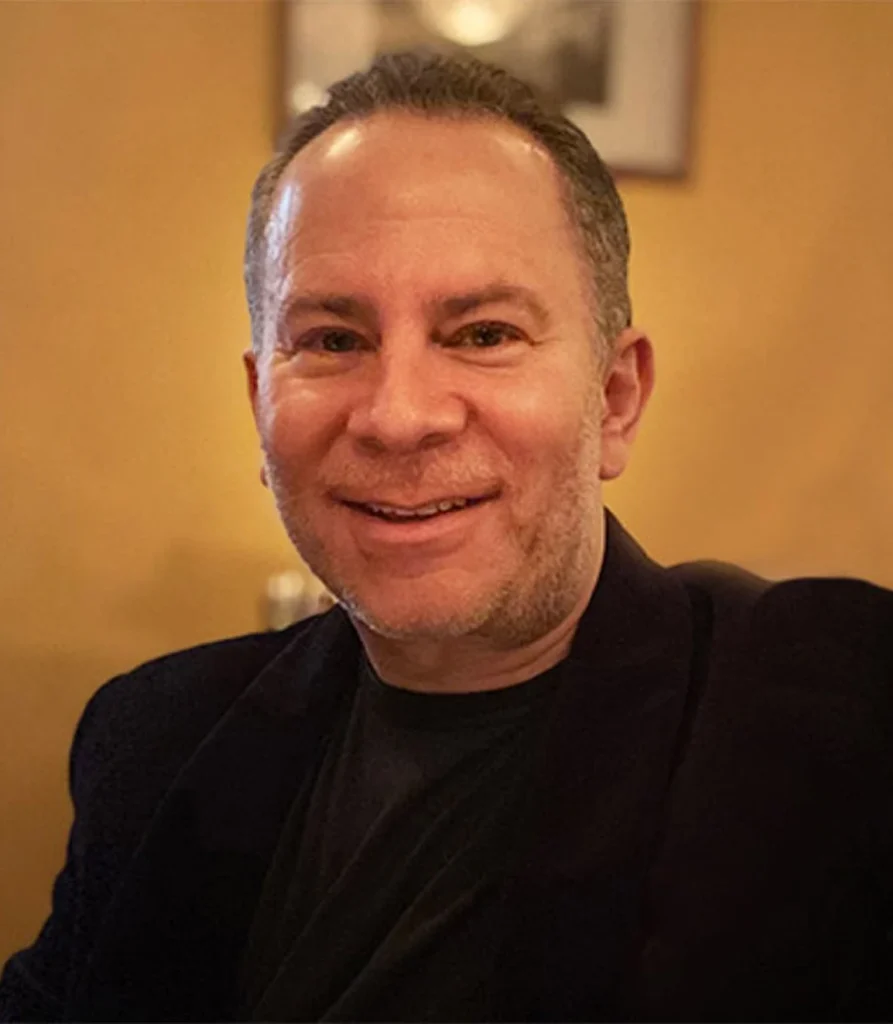
At Fox Vein Care, our goal is to give every patient a clear understanding of their options before treatment begins. Dr. David Fox, a board-certified vascular surgeon with over 20 years of experience, evaluates each case individually and recommends the approach—or combination of approaches—most likely to deliver lasting results.
Why Multiple Vein Treatments Exist
Vein disease isn’t a single condition—it’s a spectrum. A tiny web of purple spider veins on the ankle is a very different problem from a large, ropy varicose vein bulging along the thigh. The underlying cause may be the same—faulty valves allowing blood to pool and flow backward—but the size, depth, and location of the affected veins determine which treatment delivers the best outcome.
Here’s the key principle: different veins require different tools. A technique that works beautifully on spider veins would be ineffective on a large saphenous vein deep beneath the skin, and vice versa. That’s why multiple treatment modalities exist—not because the field hasn’t decided which one is “best,” but because each one fills a different niche in the vascular surgeon’s toolkit.
- Spider veins and reticular veins (small, surface-level) → typically treated with sclerotherapy
- Large varicose veins with underlying reflux (deeper, structural) → typically treated with endovenous laser therapy (EVLT) or radiofrequency ablation (RFA)
- Combination cases (most real-world patients) → a staged approach using multiple treatments
Understanding this framework makes the rest of this sclerotherapy vs. laser vs. ablation comparison much easier to follow.
Sclerotherapy: The Injection-Based Approach
Sclerotherapy is one of the most established and widely performed vein treatments in modern medicine. It involves injecting a specially formulated chemical solution—called a sclerosant—directly into the targeted vein. The solution irritates the inner lining of the vein, causing its walls to swell, stick together, and eventually collapse. Over time, the treated vein is absorbed by the body and fades from view.
How Sclerotherapy Works
During a sclerotherapy for varicose veins or spider veins session, your vascular specialist inserts a very fine needle into the affected vein and slowly injects the sclerosant. For deeper or larger veins, ultrasound guidance may be used to ensure precise placement. The procedure requires no incisions, no general anesthesia, and no stitches.
There are two primary forms of sclerotherapy:
- Liquid sclerotherapy — The traditional form, where a liquid sclerosant solution is injected. Ideal for spider veins and very small varicose veins.
- Foam sclerotherapy — The sclerosant is mixed with air or gas to create a foam that displaces blood and contacts more of the vein wall. This makes it effective for slightly larger veins that liquid alone may not fully treat.
What to Expect: Procedure and Recovery
- Procedure time: 15–45 minutes per session, depending on the number of veins treated
- Anesthesia: None required (the injection itself causes only mild stinging)
- Recovery: Walk immediately after treatment; resume normal activities the same day
- Compression stockings: Worn for 1–2 weeks post-treatment to support healing
- Results timeline: Treated veins begin fading over 3–6 weeks; optimal results appear after 2–3 months
- Number of sessions: Most patients need 2–4 sessions for complete results
Pros and Cons of Sclerotherapy
- ✅ No incisions, no anesthesia, minimal discomfort
- ✅ Quick sessions that fit easily into a busy schedule
- ✅ Excellent for spider veins and small varicose veins
- ✅ Can treat multiple veins in a single session
- ✅ Long track record of safety and effectiveness
- ❌ Not suitable for large, deep varicose veins with significant reflux
- ❌ May require multiple sessions for full results
- ❌ Temporary bruising, swelling, or skin discoloration possible
- ❌ Cosmetic spider vein treatment is often not covered by insurance
Endovenous Laser Therapy (EVLT): The Thermal Approach
Endovenous laser therapy (EVLT) is the gold standard for treating large varicose veins and underlying venous reflux disease. Unlike sclerotherapy, which uses a chemical agent, EVLT uses targeted laser energy—heat—to seal diseased veins shut from the inside. It’s a minimally invasive vein treatment performed in-office under local anesthesia, and it has largely replaced the painful vein stripping surgery of decades past.
How EVLT Works
Under ultrasound guidance, a thin laser fiber is inserted into the diseased vein through a tiny puncture in the skin—usually near the knee. The fiber is advanced to the treatment area, and then slowly withdrawn while emitting laser vein treatment energy. This energy heats the vein wall, causing it to collapse and seal shut. Blood is naturally rerouted through healthier veins, and the sealed vein is gradually absorbed by the body over the following weeks.
What to Expect: Procedure and Recovery
- Best for: Large varicose veins and underlying great saphenous vein (GSV) or small saphenous vein (SSV) reflux
- Procedure time: 30–60 minutes
- Anesthesia: Local anesthesia with tumescent solution (numbing fluid injected around the vein)
- Recovery: Patients walk immediately after the procedure; most return to normal activities within 1–2 days
- Compression stockings: Worn for approximately 1–2 weeks
- Success rate: Greater than 95% closure rate at five years
- Results timeline: Visible improvement within weeks; full results over 2–3 months
Pros and Cons of EVLT
- ✅ Extremely high success rate (95%+)
- ✅ Treats the root cause of varicose veins—underlying venous reflux
- ✅ Minimally invasive; performed in-office, not a hospital
- ✅ Rapid recovery compared to traditional vein stripping
- ✅ Often covered by insurance when medically necessary
- ❌ Not designed for spider veins or very small surface veins
- ❌ Some patients experience mild soreness, tightness, or bruising for a few days
- ❌ Requires local anesthesia (tumescent injection)
- ❌ Slight risk of nerve irritation near treated veins
Radiofrequency Ablation (RFA): The Precision Heat Approach
Radiofrequency ablation (RFA) is often discussed alongside EVLT because it addresses the same category of vein disease: large varicose veins caused by venous reflux. Instead of laser energy, RFA uses radiofrequency energy to heat and close the diseased vein. The two procedures are remarkably similar in concept, execution, and results—but there are subtle differences worth understanding.
How RFA Works
Like EVLT, radiofrequency ablation begins with a small puncture in the skin under ultrasound guidance. A thin catheter with a radiofrequency-emitting tip is inserted into the vein and advanced to the treatment zone. Once in position, the catheter delivers controlled bursts of radiofrequency ablation energy in measured segments, heating the vein wall to a precise temperature. The vein collapses, seals, and is absorbed by the body over time.
The key difference? RFA delivers energy in short, calibrated segments rather than a continuous pull-back. Some studies suggest this approach produces slightly more uniform heating and may result in less post-procedural bruising and discomfort—though the overall outcomes are comparable to EVLT.
What to Expect: Procedure and Recovery
- Best for: Large truncal varicose veins with underlying saphenous vein reflux (same indications as EVLT)
- Procedure time: 30–60 minutes
- Anesthesia: Local tumescent anesthesia
- Recovery: Walk immediately; most patients resume daily activities in 1–2 days
- Compression stockings: 1–2 weeks
- Success rate: Comparable to EVLT—approximately 92–97% closure rate
- Post-procedural discomfort: Potentially less bruising and soreness than EVLT (varies by patient)
Pros and Cons of RFA
- ✅ High success rate comparable to EVLT
- ✅ May cause slightly less post-procedural pain and bruising
- ✅ Precise, segmental energy delivery
- ✅ Minimally invasive; in-office procedure
- ✅ Typically covered by insurance when medically necessary
- ❌ Same limitations as EVLT—not for spider veins
- ❌ Requires local tumescent anesthesia
- ❌ Marginal cost difference from EVLT depending on provider
- ❌ Slightly fewer long-term data points compared to EVLT (though still very strong)
Head-to-Head Vein Treatment Comparison Table
The following table provides a direct sclerotherapy vs. laser vs. ablation comparison across the factors that matter most to patients:
| Feature | Sclerotherapy | EVLT (Laser) | RFA (Radiofrequency) |
| Target Veins | Spider veins, small-to-medium varicose veins | Large varicose veins, saphenous vein reflux | Large varicose veins, saphenous vein reflux |
| Mechanism | Chemical injection collapses vein walls | Laser heat seals vein shut | Radiofrequency heat seals vein shut |
| Anesthesia | None | Local tumescent | Local tumescent |
| Procedure Time | 15–45 minutes | 30–60 minutes | 30–60 minutes |
| Recovery | Immediate; normal activities same day | Walk same day; 1–2 days to full activity | Walk same day; 1–2 days to full activity |
| Success Rate | 80–90% for spider veins | 95%+ closure at 5 years | 92–97% closure |
| Number of Sessions | 2–4 typically | Usually 1 per leg | Usually 1 per leg |
| Pain Level | Mild (needle prick, stinging) | Mild-moderate (pressure, warmth) | Mild (often less than EVLT) |
| Insurance Coverage | Usually not for cosmetic; yes for medical | Yes, when medically necessary | Yes, when medically necessary |
| Post-Treatment | Compression 1–2 weeks; bruising fades | Compression 1–2 weeks; mild soreness | Compression 1–2 weeks; less bruising |
As this comparison shows, the treatments are complementary rather than competing. The right choice—or combination—depends on your specific diagnosis.
When Each Vein Treatment Is Used
In clinical practice, your vascular specialist selects a treatment based on what’s happening beneath the skin’s surface—not just what’s visible. Here’s how the decision typically works:
Spider Veins Only
If your primary concern is cosmetic—clusters of spider veins on the legs, ankles, or face—sclerotherapy is almost always the first-line treatment. These tiny veins respond beautifully to injection therapy, and no thermal procedure is needed.
Large Varicose Veins with Underlying Reflux
When ultrasound reveals that a deeper vein (like the great saphenous vein) has faulty valves causing blood to pool, the treatment plan starts with EVLT or RFA to address the root cause. Treating only the surface varicose veins without correcting the underlying reflux would be like mopping a floor while the faucet is still running.
Combination Therapy: The Real-World Approach
Most patients with varicose veins benefit from a combination of treatments. The typical sequence follows what vascular specialists call the “treat from top down” principle:
- Step 1: Close the refluxing saphenous vein with EVLT or RFA
- Step 2: Remove or treat remaining surface varicose veins (ambulatory phlebectomy or sclerotherapy)
- Step 3: Address residual spider veins with sclerotherapy sessions
This layered approach ensures that the disease is treated at its source before cosmetic concerns are addressed—leading to more durable, long-lasting results. To learn more about whether your vein treatment may be covered by insurance, we encourage you to explore our detailed guide.
Wondering which vein treatment is right for you? Every case is unique. Visit our Manhattan vein treatment page to learn more about the full range of procedures we offer, or call (212) 362-3470 to schedule a personalized consultation with Dr. Fox.
What About Newer Vein Treatment Options?
While sclerotherapy, EVLT, and RFA remain the “big three” of modern vein removal options, several newer technologies have emerged that complement these proven approaches:
VenaSeal (Medical Adhesive Closure)
VenaSeal uses a medical-grade adhesive—sometimes called “vein glue”—to seal the diseased vein shut. Its primary advantage is that it doesn’t require tumescent anesthesia, meaning only a single needle stick is needed. It’s an excellent option for patients who are needle-averse or who want an even faster recovery, though long-term data is still catching up to EVLT and RFA.
ClariVein (Mechanochemical Ablation)
ClariVein combines a rotating wire tip with a sclerosant injection to close veins without thermal energy. Like VenaSeal, it eliminates the need for tumescent anesthesia. It’s best suited for specific clinical scenarios and isn’t universally applicable to all patients.
Ambulatory Phlebectomy
For large, bulging surface varicose veins that remain after treating underlying reflux, ambulatory phlebectomy involves physically removing the vein through tiny micro-incisions (1–3mm). This produces immediate cosmetic improvement and is often performed alongside EVLT or RFA in the same visit.
These newer modalities don’t replace the core trio—they add flexibility and additional minimally invasive vein treatment options. Your vascular specialist may recommend one of them as part of a comprehensive treatment plan tailored to your anatomy and goals.
How Dr. Fox Customizes Your Vein Treatment Plan
Dr. David Fox approaches every patient with one guiding philosophy: treat the disease, not just the visible symptoms. Many patients come to Fox Vein Care focused on the veins they can see—the spider veins, the bulging varicose veins—but the real question is what’s happening deeper, where the valves are failing.
Comprehensive Ultrasound Mapping
Every new patient undergoes a detailed duplex ultrasound examination. This non-invasive imaging study maps the entire venous system in the affected leg, identifying exactly which veins are diseased, which valves have failed, and where reflux is occurring. This diagnostic step is critical—it determines whether you need sclerotherapy alone, thermal ablation first, or a multi-stage combination plan.
A Personalized Combination Approach
With over 20 years of experience performing every major vein treatment modality, Dr. Fox has the expertise to match the right procedure to the right vein. Rather than relying on a one-size-fits-all protocol, he designs a treatment sequence that addresses your condition from the source outward—giving you the best vein treatment options for your unique situation.
Curious about the kind of outcomes you can expect? Browse our before and after gallery to see real patient results from sclerotherapy, laser therapy, and ablation procedures.
What a Typical Consultation Looks Like
- Thorough review of your symptoms, medical history, and concerns
- In-office duplex ultrasound performed by Dr. Fox or his trained vascular technologist
- Clear, jargon-free explanation of your diagnosis and recommended treatment plan
- Discussion of insurance coverage, timeline, and what to expect at every stage
- Opportunity to ask every question—no rushing, no pressure
Take the First Step Toward Vein-Free Legs
Whether you’re dealing with unsightly spider veins, painful varicose veins, or uncomfortable symptoms like leg heaviness and swelling, the right treatment plan can transform your comfort and confidence. The key is getting an accurate diagnosis and a customized approach—not choosing a treatment before you know what’s really going on beneath the surface.
Schedule a consultation with Dr. Fox today. Let us evaluate your veins with advanced ultrasound imaging and design a personalized treatment plan that addresses the root cause of your vein disease—not just the symptoms you see.
📞 Call (212) 362-3470 | 📍 1041 Third Avenue, New York, NY 10065
Contact Fox Vein Care to book your appointment online, or call us directly. We look forward to helping you reclaim healthy, beautiful legs.
Leading Manhattan Vascular & Vein Specialist
At Fox Vein Care, we provide state-of-the-art vascular and venous treatments, combining advanced diagnostic technology with minimally invasive procedures that prioritize comfort, safety, and outstanding results.
Note: This content is for informational purposes and does not constitute medical advice. Always consult with a qualified healthcare provider for personalized recommendations.
Leading Manhattan Vascular & Vein Specialist
At Fox Vein Care, we provide state-of-the-art vascular and venous treatments, combining advanced diagnostic technology with minimally invasive procedures that prioritize comfort, safety, and outstanding results.
Contact Us
