You’ve finally decided to do something about your varicose veins. Maybe they’ve been aching for months, maybe the swelling has become impossible to ignore, or maybe you’re tired of hiding your legs under long pants—even in the heat of a New York summer. Whatever your reason, the varicose vein consultation is arguably the most critical step in the entire process.
Walking into a specialist’s office without knowing what to ask can leave you more confused than when you arrived. Not all vein clinics operate the same way, not all providers are equally qualified, and not every treatment plan is right for every patient. The questions you ask before getting varicose vein treatment directly shape the quality of care you receive—and the results you walk away with.
At Fox Vein Care, we believe informed patients make the best decisions about their health. That’s why we’ve compiled 12 essential questions to ask your vein doctor before committing to any procedure. Whether you’re researching varicose vein treatments for the first time or comparing providers across Manhattan, this list will put you in control during your consultation.
Why These Varicose Vein Treatment Questions Matter
A varicose vein consultation should never feel like a one-sided lecture. It’s a two-way conversation between you and your vein doctor—a chance to share your symptoms, voice your concerns, and gain a clear understanding of the path ahead. Walking in prepared transforms the visit from a passive experience into an active evaluation.
Being prepared helps you:
- Evaluate providers objectively — Compare how different clinics answer the same questions.
- Understand your condition — The right questions force clarity past medical jargon.
- Set realistic expectations — For recovery time, number of sessions, and likely outcomes.
- Protect your wallet — Insurance coverage and out-of-pocket costs vary widely between clinics.
- Avoid subpar care — Not all vein clinics are created equal, and the wrong provider can lead to complications.
“What Type of Vein Disease Do I Have?”
This is one of the most important varicose vein treatment questions you can ask. Varicose veins are a visible symptom, but the underlying disease takes different forms—and the specific diagnosis determines which treatment will work best.
Your vein doctor should explain whether you have:
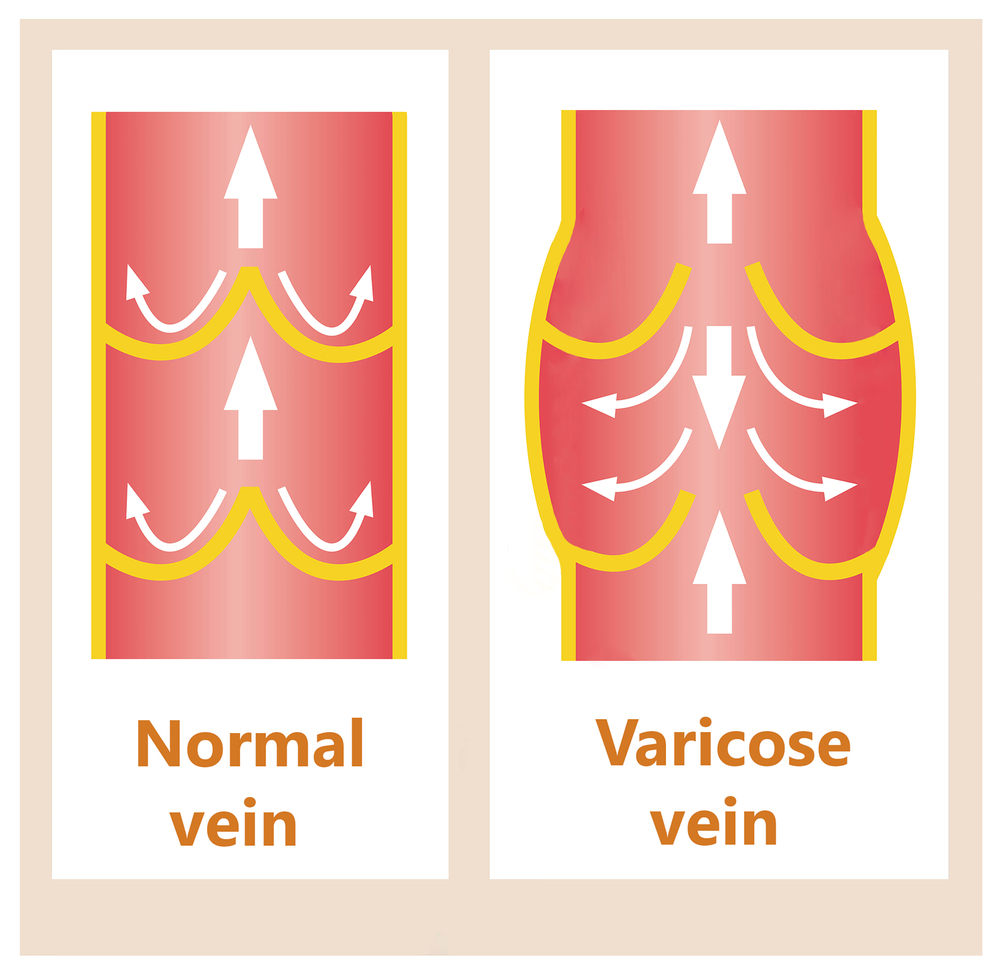
- Superficial venous reflux — The most common cause, where valves in the great or small saphenous veins fail, allowing blood to flow backward and pool in your legs.
- Perforator vein incompetence — Faulty valves in the veins that connect the superficial and deep venous systems.
- Deep vein involvement — Less common but critical to rule out, especially if you have a history of deep vein thrombosis (DVT).
A qualified specialist won’t simply look at the surface. They’ll examine how blood flows through your leg veins to create a treatment plan tailored specifically to your anatomy.
“What Diagnostic Tests Will You Perform?”
The answer should always include duplex ultrasound—the gold standard for diagnosing vein disease. This non-invasive test combines traditional ultrasound with Doppler technology to visualize both vein structure and blood flow direction.
Here’s what to listen for:
- Standing examination — A proper vein ultrasound should be performed with you upright. Gravity causes reflux, so testing while lying flat can miss the problem entirely.
- Mapping of affected veins — The ultrasound should identify which specific veins are refluxing, their diameter, and the extent of disease.
- Deep vein assessment — A thorough scan also checks the deep venous system to rule out blood clots or other complications.
Beware of any clinic that recommends treatment without performing a comprehensive ultrasound first. Treating veins without proper imaging is guesswork that can lead to incomplete treatment or unnecessary procedures.
“Which Varicose Vein Treatment Is Best for MY Condition?”
There is no single best varicose vein treatment—the ideal approach depends on the location of your diseased veins, reflux severity, vein size, and your overall health profile. A reputable doctor recommends what fits your situation, not what’s most convenient for the practice.
Here are the most common varicose vein treatment options you should understand:
| Treatment | How It Works | Best For |
| Endovenous Laser Therapy (EVLT) | Laser energy seals the vein shut from inside | Large saphenous vein reflux |
| Radiofrequency Ablation (RFA) | Radiofrequency energy heats the vein wall to close it | Saphenous vein disease; often preferred for comfort |
| Sclerotherapy | A solution is injected to irritate and close smaller veins | Spider veins and small varicose veins |
| VenaSeal (Glue Closure) | Medical adhesive seals the vein; no heat required | Minimal discomfort, no compression stockings needed |
| Ambulatory Phlebectomy | Tiny micro-incisions remove bulging surface veins | Large, visible bulging varicose veins |
At Fox Vein Care, Dr. David Fox is skilled in all of these techniques, so your treatment plan is designed around what’s best for you—not limited by the equipment or expertise available.
“Is This Medically Necessary or Cosmetic?”
This distinction directly impacts your insurance coverage and out-of-pocket costs. Varicose vein treatment is typically considered medically necessary when:
- You have documented venous reflux on duplex ultrasound.
- You experience symptoms such as pain, swelling, heaviness, skin changes, or ulceration.
- You’ve tried and failed conservative measures like wearing compression stockings for a prescribed period.
Most symptomatic varicose vein treatment is covered by insurance. Purely cosmetic concerns—like isolated spider veins without underlying reflux—typically aren’t covered, but your provider should discuss this transparently. For more details, read our guide on whether varicose vein treatment is covered by insurance.
“Will My Insurance Cover This?”
Even when treatment is medically necessary, different insurance plans have different requirements. Many require prior authorization before procedures are approved. A good vein clinic should handle:
- Insurance verification — Confirming your benefits and coverage before treatment begins.
- Prior authorization — Submitting all required documentation (ultrasound results, symptom history, conservative treatment records) to your insurer.
- Transparent cost estimates — A clear breakdown of what’s covered and any expected out-of-pocket expenses.
At Fox Vein Care, our team handles insurance verification and prior authorization for you, working directly with your provider so there are no billing surprises. It’s one less thing to worry about.
“How Many of These Procedures Have You Performed?”
When it comes to vein treatment, experience matters enormously. The skill of your provider directly impacts your results, comfort, and complication risk. Don’t be shy about asking—this is your body.
Key qualifications to ask about:
- Board certification in vascular surgery or a related specialty
- Fellowship training in vascular medicine beyond residency
- Procedure volume — How many vein procedures does the provider perform each year?
- Complication rates — A confident, experienced doctor will discuss these openly.
Dr. David Fox is a board-certified and fellowship-trained vascular surgeon with over 20 years of experience and thousands of successful vein procedures under his belt.
📞 Ready to ask these questions in person? Schedule a consultation with Dr. Fox at Fox Vein Care and get expert, personalized answers. Call (212) 362-3470 or contact us online.
“What Can I Expect During the Procedure?”
Anxiety about the unknown is natural. Asking your doctor to walk through the procedure step-by-step can ease your nerves significantly. Here’s what a typical varicose vein treatment session looks like:
- Preparation — The treatment area is cleaned and mapped using ultrasound guidance.
- Local anesthesia — A numbing agent is applied. You’ll be awake and comfortable throughout—no general anesthesia needed.
- The treatment — Depending on the technique, the procedure typically takes 30 to 60 minutes.
- Immediately after — You’ll put on a compression stocking, stand up, and walk out of the office on your own.
Patients are often amazed at how quick and comfortable the experience is. There’s no hospital stay, no stitches, and no extended downtime. Most people describe the sensation as mild pressure or warmth.
“What’s the Recovery Like?”
Vein treatment recovery is one of the biggest pleasant surprises for patients. Modern, minimally invasive varicose vein treatments have dramatically shortened recovery compared to the surgical vein-stripping procedures of decades past.
- Same-day return — Most patients resume work and daily routines the same day or next day.
- Compression stockings — Typically worn for 1 to 2 weeks to support healing and optimize results.
- Activity modifications — Avoid heavy lifting and intense exercise for 1 to 2 weeks. Walking is encouraged immediately and actually aids recovery.
- Follow-up ultrasound — Scheduled within 1–2 weeks to confirm the treated vein has closed successfully.
When to Call Your Doctor
While complications are rare, contact your vein specialist if you experience severe or worsening pain, significant swelling or redness, fever, or shortness of breath after the procedure.
“How Many Sessions Will I Need?”
There’s no universal answer, and any provider who gives a definitive number before completing a full evaluation should raise a red flag. The number of sessions depends on:
- The number of affected veins — Some patients have disease in one vein; others have multiple refluxing veins in both legs.
- Severity of disease — More advanced cases may require staged treatments.
- Types of veins involved — Treating large trunk veins differs from addressing smaller branch varicosities.
Some patients achieve excellent results with a single session, while others may need 2 to 4 sessions spread over several weeks. At Fox Vein Care, Dr. Fox maps out a clear, customized treatment timeline during your consultation.
“What Happens If I Don’t Treat My Varicose Veins?”
Too few patients ask this question—but it’s essential. Varicose veins are a progressive disease. Without treatment, they don’t stay the same; they get worse over time.
- Worsening pain and swelling as venous pressure continues to increase
- Skin changes — Discoloration, thickening, or a leathery texture around the ankles (lipodermatosclerosis)
- Venous ulcers — Open sores on the lower legs that are notoriously difficult to heal
- Blood clots — Increased risk of superficial thrombophlebitis and potentially deep vein thrombosis
- Declining quality of life — Chronic leg heaviness, fatigue, and pain affecting mobility and sleep
Treatment is easier and more effective when caught earlier. To learn more, read our guide on whether varicose veins are dangerous.
“Are There Any Risks or Side Effects?”
Is varicose vein treatment safe? Modern minimally invasive treatments carry very low risk profiles—especially when performed by an experienced vascular surgeon.
Common, Temporary Side Effects
- Bruising at or near the treatment site (resolves within 1–2 weeks)
- Mild soreness or a pulling sensation along the treated vein
- Temporary skin numbness near the treated area
Rare Complications
- Deep vein thrombosis (extremely rare; monitored with follow-up ultrasound)
- Nerve injury (typically temporary if it occurs)
- Skin burns or allergic reaction to sclerotherapy solution (uncommon)
Dr. Fox minimizes these risks through meticulous ultrasound-guided technique, precise tumescent anesthesia placement, and decades of hands-on experience.
“What Are Your Before-and-After Results?”
Seeing real patient outcomes is one of the most powerful ways to evaluate a vein specialist. When reviewing results, look for:
- Consistency across multiple patients—not just cherry-picked best cases
- Cases similar to yours — Ask for photos of patients with comparable conditions
- Realistic expectations — Results showing excellent improvement that reflect what’s achievable
- Patient testimonials — Real feedback that provides insight beyond photos alone
View real patient outcomes on our before-and-after gallery to see the improvement our patients experience.
Bonus: Red Flags to Watch For When Choosing a Vein Clinic
As you compare providers and ask these questions to ask your vein doctor, watch for these warning signs:
- No ultrasound before treatment — Any clinic that recommends procedures without comprehensive imaging is cutting corners.
- One-size-fits-all treatment plans — If every patient gets the same procedure regardless of diagnosis, that’s a problem.
- High-pressure sales tactics — Reputable clinics educate and inform; they don’t pressure you into same-day commitments.
- No board-certified vascular surgeon on staff — Vein treatment involves your circulatory system. Demand specialized expertise.
- Reluctance to discuss experience or results — A confident provider shares credentials and outcomes openly.
Questions about your treatment options? Dr. Fox can help.
Book a ConsultationThis article is part of our Insurance Coverage Guide.
Your Varicose Vein Consultation at Fox Vein Care
When you visit Fox Vein Care in Manhattan, you’re not just another appointment on the schedule. Here’s what to expect:
- Thorough medical history review — Dr. Fox takes time to understand your symptoms, their duration, and how they affect your daily life.
- Comprehensive duplex ultrasound — Performed in-office, while standing, to accurately diagnose the source of your vein problems.
- Personalized treatment plan — Dr. Fox explains your diagnosis, recommends the best treatment for your specific condition, and answers every question on this list—and more.
- Insurance guidance — Our team verifies your coverage and handles prior authorization so you can focus on your health.
We serve patients throughout Manhattan, the five boroughs, Nassau and Suffolk counties, southwestern Connecticut, and northeastern New Jersey.
📅 Schedule a consultation with Dr. Fox today. Take the first step toward healthier, pain-free legs. Call (212) 362-3470 or contact us online. Fox Vein Care is located at 1041 Third Avenue, New York, NY 10065.
Leading Manhattan Vascular & Vein Specialist
At Fox Vein Care, we provide state-of-the-art vascular and venous treatments, combining advanced diagnostic technology with minimally invasive procedures that prioritize comfort, safety, and outstanding results.
Note: This content is for informational purposes and does not constitute medical advice. Always consult with a qualified healthcare provider for personalized recommendations.