


For decades, the mere mention of varicose vein treatment was enough to make patients shudder. The procedure known as “vein stripping” was the only option available for those suffering from the pain and unsightly appearance of venous insufficiency. It was a major surgery that involved general anesthesia, hospital stays, significant pain, and long recovery times. It was, for lack of a better word, brutal.
As a result, many people—perhaps even your parents or grandparents—simply chose to live with their bulging veins, enduring the heaviness, swelling, and vein pain rather than facing the scalpel.
However, medicine has evolved dramatically. Today, walking into a Manhattan vein clinic is no longer a prelude to surgery. It is an entry point into the world of minimally invasive care. Vein stripping has largely been relegated to the history books, replaced by advanced technologies that are safer, more effective, and far more comfortable.
In this comprehensive article, we will explore the history of vein stripping, why it fell out of favor, and the cutting-edge treatments that have taken its place. If you have been avoiding a Vein specialist near me because of horror stories from the past, this guide will put your mind at ease and explain why there has never been a better time to seek treatment.
What Was Vein Stripping?
To understand why we moved away from it, we must first understand what vein stripping actually entailed.
Vein stripping and ligation was the gold standard for treating varicose veins for nearly a century. The goal was simple: physically remove the malfunctioning vein (usually the Great Saphenous Vein) from the leg.
The procedure involved:
- General Anesthesia: The patient was put completely to sleep.
- Large Incisions: The surgeon made an incision in the groin (to tie off the vein) and another at the ankle or knee.
- The Stripper: A wire or plastic rod was threaded through the entire length of the vein from the groin to the ankle.
- The “Strip”: A metal cap was attached to the wire, and the surgeon literally ripped the vein out of the leg by pulling the wire through the incisions.
The Aftermath of Stripping
The trauma to the leg was significant. Because the vein was physically torn from the body, it often damaged surrounding tissues, including nerves and lymphatic vessels.
- Pain: Post-operative pain was severe, requiring strong narcotics.
- Bruising: Extensive bruising from the groin to the ankle was inevitable.
- Recovery: Patients often spent days in the hospital and weeks on bed rest. Full recovery could take a month or more.
- Scarring: The incisions left permanent scars.
- Recurrence: Surprisingly, despite the aggressive nature of the surgery, the recurrence rate was high. The body often tried to grow new veins (neovascularization) in the trauma zone, leading to new varicose veins.
It is easy to see why patients were hesitant to undergo this procedure unless their vein symptoms in legs were debilitating.
The Shift to Minimally Invasive Care
The turning point came in the late 1990s and early 2000s with the introduction of endovenous thermal ablation. Doctors realized they didn’t need to remove the vein to stop the reflux; they just needed to close it.
If you can seal the vein shut from the inside, the body naturally reroutes blood to healthy deep veins, and the diseased vein is eventually absorbed by the body. This realization revolutionized the field. It transformed vein care from major surgery into a routine office procedure.
Today, a top Varicose vein doctor Manhattan will rarely, if ever, suggest stripping. Instead, they utilize technologies like lasers, radiofrequency, and medical adhesives.
Why Modern Treatments Are Superior
The advantages of modern techniques over old-school stripping are overwhelming. Here is why vein treatment near me has changed for the better.
1. No General Anesthesia
Modern procedures are performed under local anesthesia (tumescent anesthesia). You are awake and comfortable throughout the process. This eliminates the risks associated with being put to sleep, such as nausea, grogginess, and respiratory complications.
2. No Hospital Stay
Vein stripping required a hospital admission. Today’s treatments are performed right here in our office at Fox Vein Care. You walk in, have the procedure, and walk out usually in under an hour. It is truly “lunch break” medicine.
3. Minimal to No Scarring
Instead of large incisions at the groin and ankle, modern treatments use a simple needle puncture. It is so small that it typically doesn’t even require a stitch—just a small bandage. This means no unsightly scars to remind you of the procedure.
4. Immediate Recovery
This is the biggest game-changer for our patients. With vein stripping, you were off your feet for weeks. With Endovenous Laser Ablation (EVLT), we actually want you to walk immediately. Walking helps promote blood flow in the healthy veins and reduces the risk of clots. Most patients return to work and normal activities within 24 to 48 hours.
5. Higher Success Rates
Studies have consistently shown that thermal ablation techniques have equal or better long-term success rates compared to stripping, with significantly lower recurrence rates.
For those interested in the details of varicose vein treatment, including how today’s minimally invasive solutions compare to vein stripping, visit our comprehensive page on varicose vein treatments here.
The New Gold Standards: What Replaced Stripping?
So, if we don’t strip the veins, what do we do? If you visit a Best vein doctor near me, you will likely be offered one of the following treatments.
Endovenous Laser Ablation (EVLT)
EVLT is the most common replacement for stripping. It targets the Great Saphenous Vein, the root cause of most varicose veins.
- How it works: Using ultrasound guidance, a thin laser fiber is inserted into the vein through a tiny puncture. The laser is activated as the fiber is slowly withdrawn. The heat energy damages the vein wall, causing it to collapse and seal shut.
- The Experience: Patients feel little to no pain during the procedure thanks to the local anesthesia.
- The Result: The bulge disappears over time as the vein is absorbed, and the circulation improves immediately.
At Fox Vein Care, Dr. David Fox is an expert in EVLT, having performed thousands of successful procedures. Learn more about our EVLT services here.
Ultrasound-Guided Sclerotherapy
While stripping only addressed the main trunk, it often missed the branches. Sclerotherapy is versatile.
- How it works: A foam or liquid sclerosant is injected directly into the vein. The chemical irritates the lining of the vein, causing it to stick together and close.
- Best for: It is often used for tortuous veins that a stiff laser fiber cannot navigate, or for cleaning up residual branches after EVLT.
Ambulatory Phlebectomy
This is the closest modern relative to stripping, but it is much gentler.
- How it works: For very large, bulging surface veins, Dr. Fox makes micro-incisions (pinpricks) and uses a small hook to tease out sections of the vein.
- Why it’s different: It is done under local anesthesia, requires no stitches, and leaves virtually no scars. It provides immediate cosmetic gratification because the bulge is physically gone.
The Risks of Avoiding Treatment
Because stripping was so daunting, many people developed a habit of ignoring their veins. “It’s just cosmetic,” they told themselves. “I’ll deal with it when it gets really bad.”
Unfortunately, this mindset persists even though the treatments have changed. Ignoring varicose veins is dangerous. Venous insufficiency is a progressive disease. It does not pause; it gets worse.
If you avoid seeing a chronic vein condition specialist near me, you risk:
- Chronic Pain: The heaviness and vein pain will increase, limiting your mobility.
- Skin Changes: The pressure can cause the skin to turn brown, become leathery (lipodermatosclerosis), and become intensely itchy (venous eczema).
- Venous Ulcers: These are open, weeping wounds near the ankle that are incredibly difficult to heal and prone to infection.
- Blood Clots: Stagnant blood is prone to clotting. You may develop superficial thrombophlebitis (painful clots near the surface) or, more dangerously, Deep Vein Thrombosis (DVT).
Given that modern treatment is so easy and low-risk, there is simply no logic in waiting until you have a non-healing ulcer to seek help.
Choosing the Right Specialist
While the technology has become easier, the skill of the operator is more critical than ever. In the era of stripping, a general surgeon performed the operation. Today, vein care is a specialized field.
When searching for a Vein specialist Manhattan or a Varicose vein doctor Manhattan, you need to ensure they are not just a cosmetic clinic dabbling in veins. You need a board-certified expert.
Why Dr. David Fox?
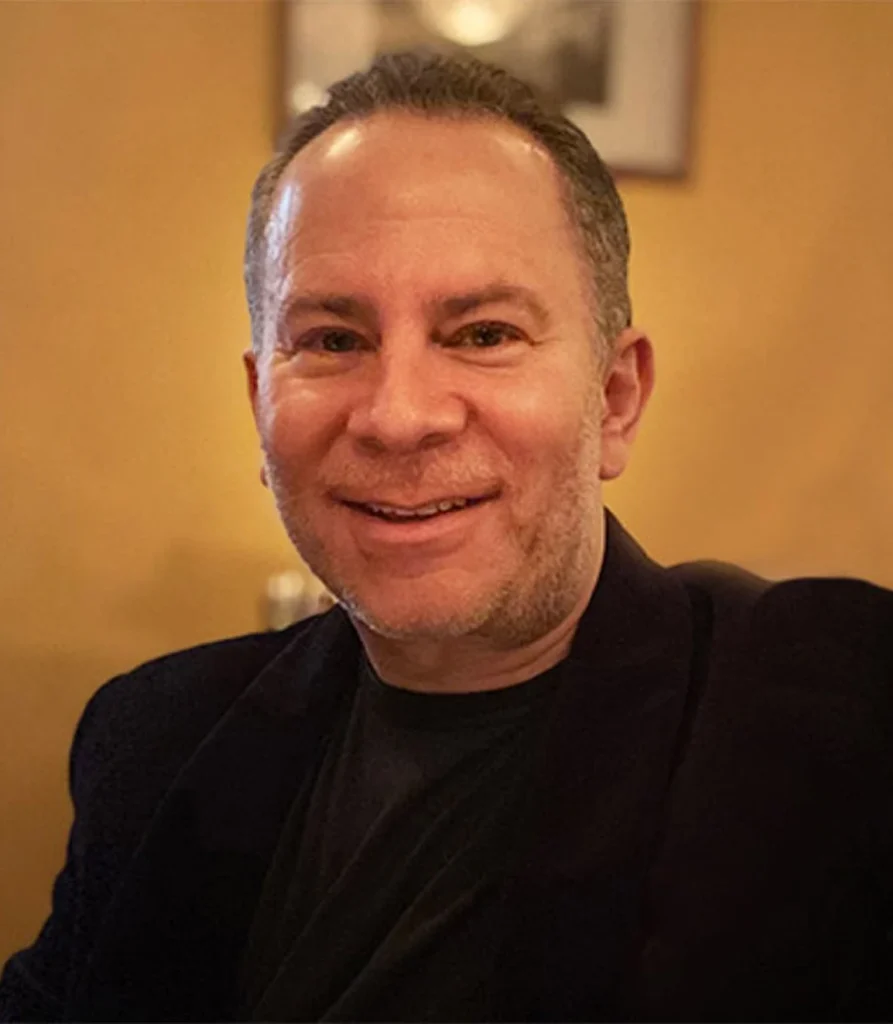
Dr. Fox is a board-certified vascular surgeon. This distinction is vital. Vascular surgeons are the only specialists trained to manage all aspects of the vascular system—arteries and veins.
- He understands the complex hemodynamics of blood flow.
- He can differentiate between vein pain and other issues, such as arterial disease or orthopedic problems.
- He has over 20 years of experience, bridging the gap between the old surgical days and the new minimally invasive era. He knows why we don’t strip veins anymore because he understands the anatomy inside and out.
Read more about Dr. Fox’s extensive qualifications.
It’s Not Always Just Veins: The Knee Connection
One of the benefits of seeing a true vascular specialist like Dr. Fox is his holistic approach to leg pain. Often, patients come in searching for a knee specialist near me or a chronic knee pain doctor NYC, thinking their leg pain is arthritis.
Sometimes, it is. But sometimes, severe varicose veins can cause aching around the knee that mimics joint pain. Conversely, knee inflammation can worsen vein issues. Dr. Fox is unique in that he treats both. He offers Genicular Artery Embolization (GAE) for chronic knee pain alongside his vein treatments.
If you are looking for knee pain treatment Manhattan or an orthopedic knee doctor near me, it is worth getting a vascular evaluation. You might find that treating your veins helps your knees, or that you are a candidate for GAE to treat the knee pain directly without major surgery. Learn about GAE for knee pain here.
What to Expect During Your Consultation
If you are ready to stop living with vein symptoms in legs but are still nervous, here is exactly what happens at a modern Manhattan vein clinic.
- The History: We listen to you. We ask about your leg swelling and veins, your pain levels, and your family history.
- The Physical: Dr. Fox examines your legs to look for signs of advanced disease like skin changes or swelling.
- The Ultrasound: This is the most important part. A painless ultrasound scan allows us to see inside the leg. We map out exactly which valves are leaking. This map guides the entire treatment plan.
- The Plan: We explain your options. We will tell you why you don’t need stripping and explain exactly how EVLT or sclerotherapy will work for your specific anatomy.
Insurance Coverage: Dispelling the Cost Myth
Another reason people avoid treatment is the assumption that it is “cosmetic” and therefore expensive.
Because varicose veins are a medical condition that can lead to ulcers and clots, most insurance plans—including Medicare—cover modern treatments like EVLT when they are medically necessary.
If you have symptoms like vein pain, cramping, or swelling, your treatment is likely covered. Our office staff at Fox Vein Care are experts at navigating insurance approvals to ensure you get the care you need.
Conclusion: A New Era for Your Legs
The era of vein stripping is over. We have traded the scalpel for the laser, the hospital bed for the treatment chair, and the long recovery for an immediate return to life.
There is no badge of honor in suffering from bulging veins. It doesn’t make you tough; it puts your health at risk. If you have been holding onto fear based on outdated information, let this be your permission to let it go.
Modern vein care is gentle, effective, and accessible. Whether you are looking for spider vein removal or treatment for severe insufficiency, Fox Vein Care is your partner in vascular health.
Don’t let the past dictate your future health.
If you are searching for a vein specialist near me, choose the expertise of Dr. David Fox.
Contact us today to schedule your consultation. Let us show you how easy it is to love your legs again.
You and Your Veins
Treatment for painful or embarrassing spider veins and varicose veins is now available without the need for invasive vein surgery. Fox Vein Care, a leading vein treatment center in Manhattan offers a range of minimally invasive, state-of-the-art alternatives to vein surgery, including Transdermal Laser Treatment and sclerotherapy, in the convenience of our Manhattan office.
Learn More

