Deciding to treat your spider veins is an exciting first step toward achieving clearer, smoother skin and renewed confidence. After you’ve searched for the “best vein doctor near me” and scheduled your consultation, one of the most practical questions that arises is: “How many spider vein treatments will I need?” It’s a crucial question, as the answer impacts your timeline, budget, and expectations.
The truth is, there is no single, one-size-fits-all answer. The number of sessions required to eliminate spider veins varies significantly from person to person. It depends on a wide range of factors, including the extent of your veins, your body’s individual response to treatment, and the specific goals you want to achieve. As a premier Manhattan vein clinic, we believe in providing patients with a clear, realistic understanding of the treatment journey from the very beginning.
If you want to learn more about your options for spider vein removal, visit our Spider Vein Treatment page for detailed information on procedures and what to expect.
This comprehensive guide will break down the key factors that determine the number of vein treatment sessions you’ll need. We will explore typical treatment plans for both sclerotherapy and laser therapy, explain why multiple sessions are the norm, and set realistic expectations for your journey to vein-free skin. Understanding this process will help you feel more prepared and confident as you work with your vein specialist.
Why Multiple Treatments Are Usually Necessary
Before diving into the specific factors, it’s important to understand why treating spider veins is rarely a one-and-done procedure. There are several fundamental reasons why a series of treatments is the standard of care for achieving optimal, long-lasting results.
- The Sheer Number of Veins:
Most people have more than just a few isolated spider veins. They often present as intricate, web-like clusters that can cover a significant surface area. A single treatment session is limited by both time and the amount of sclerosant solution (in sclerotherapy) that can be safely administered. A vein specialist will typically treat one or two main areas per session to ensure safety and effectiveness, addressing other areas in subsequent visits. - Treating the Source and the Branches:
Effective vein care isn’t just about zapping the visible surface veins. A skilled specialist will also identify and treat the underlying “feeder” veins (reticular veins) that supply blood to the spider vein clusters. A common approach is to address these deeper feeder veins in the first session. Subsequent sessions are then used to target the remaining superficial spider veins, which may have become more visible after their source was closed off. - The Body’s Healing and Response Rate:
Vein treatments rely on the body’s natural healing processes to break down and absorb the closed-off veins. This process takes time. Spacing treatments several weeks apart allows your body to heal, reduces inflammation, and gives the specialist a clear picture of what veins have successfully resolved and which ones need another round of treatment. Everyone’s body absorbs these collapsed veins at a different rate. - Gradual Fading Process:
Spider veins do not vanish instantly after a treatment session. They fade gradually over several weeks to months. By staging the treatments, your doctor can assess the progress and meticulously target any persistent or newly visible veins in later sessions, ensuring a more thorough and uniform result.
Attempting to treat too many veins in one session can be less effective and increase the risk of side effects. A methodical, multi-session approach is the safest and most reliable path to achieving the best cosmetic outcome.
Key Factors That Influence Your Number of Treatments
When you have your consultation at a trusted vein clinic, your specialist will evaluate several key factors to create a personalized treatment plan and estimate the number of sessions you’ll likely need.
Factor 1: The Extent and Density of Your Spider Veins
This is the single most significant factor. The more veins you have and the larger the area they cover, the more sessions will be required.
- Mild Case: A person with a few small, isolated clusters of spider veins on their calves might achieve their desired results in just 1 to 2 sessions.
- Moderate Case: Someone with more widespread spider veins covering large portions of their thighs and ankles may require 2 to 4 sessions.
- Severe Case: An individual with extensive, dense networks of spider and reticular veins on both legs, a condition that has likely developed over many years, could need 4 to 6 sessions or more to achieve comprehensive clearance.
Factor 2: The Types of Veins Being Treated
The size and depth of your veins play a crucial role. Your treatment plan will likely need to address a mix of vein types, each responding differently.
- Reticular “Feeder” Veins: These slightly larger, bluish-green veins often need to be treated first, usually with sclerotherapy. They tend to respond well, but treating them all may take a dedicated session.
- Standard Spider Veins: These are the classic, smaller red or purple veins that are the primary targets of sclerotherapy.
- Telangiectatic Matting: These are extremely fine, dense patches of veins that can be difficult to treat. They may require multiple, meticulous treatment passes with either sclerotherapy or laser therapy. A combination “Double Injury” approach is often best here.
Factor 3: The Treatment Modality Used
The choice of treatment—sclerotherapy, laser therapy, or a combination—also influences the number of sessions.
- Sclerotherapy: As the gold standard for leg spider veins, sclerotherapy is highly effective and can often treat a larger area in one go. However, because it relies on the body absorbing the treated veins, multiple sessions are still the norm to ensure all veins are addressed.
- Laser Vein Treatment: Laser therapy is excellent for very fine facial veins or superficial leg veins. For leg veins, it is often used as a secondary treatment to “clean up” tiny veins left after sclerotherapy. A single area may require several laser passes, and it is generally less efficient for treating large areas of leg veins compared to sclerotherapy.
Factor 4: Your Body’s Individual Response
Every patient is unique, and so is their healing process.
- Healing Speed: Some individuals heal quickly, with treated veins fading rapidly. Others may experience more bruising or have a slower absorption rate, requiring more time and potentially more touch-up treatments.
- Circulation: Your overall circulatory health can impact how quickly blood is rerouted from the closed veins and how efficiently the collapsed vessels are cleared away.
- Skin Tone and Type: In some cases, skin type can influence treatment. For instance, patients with darker skin tones may require a more conservative approach with lasers to avoid pigmentation changes, potentially spreading the treatment over more sessions.
Factor 5: Your Aesthetic Goals
Your personal goals are a key part of the conversation.
- Significant Improvement: If your goal is simply to reduce the appearance of the most prominent veins and alleviate symptoms like aching or burning, you might be satisfied after just a couple of sessions.
- Complete Clearance: If you are seeking the most flawless, blemish-free result possible, you should be prepared for a higher number of sessions. This involves meticulous follow-up treatments to target even the faintest residual veins. A chronic vein condition specialist near me will work with you to ensure your aesthetic goals are met or you can learn more by visiting Vein Treatment in Manhattan for Spider Veins.
Questions about your treatment options? Dr. Fox can help.
Book a ConsultationTypical Treatment Timelines: What to Expect
To give you a clearer picture, let’s walk through what a typical treatment plan might look like. Remember, these are general estimates, and your plan will be customized by your doctor.
Standard Sclerotherapy Treatment Plan
Sclerotherapy is the most common treatment for leg spider veins.
- Number of Sessions: The average patient requires 2 to 4 sclerotherapy sessions to achieve their desired outcome.
- Session Interval: Treatments are typically spaced 4 to 6 weeks apart. This interval is crucial. It allows the body to heal, inflammation to subside, and the results of the previous session to become apparent. This way, your doctor knows exactly which veins need to be re-treated or which new ones can be targeted.
- Total Duration: A typical course of treatment can therefore span from 2 to 6 months.
Example Timeline:
- Visit 1 (Consultation): Examination, diagnosis, and creation of a treatment plan.
- Visit 2 (Session 1): The first sclerotherapy session, likely targeting the main feeder veins and the densest clusters. You will wear compression stockings afterward.
- Visit 3 (Session 2, 4-6 weeks later): The specialist assesses the fading and performs a second round of injections on remaining or new areas.
- Visit 4 (Session 3, 4-6 weeks later): A follow-up session for any persistent veins and for fine-tuning the cosmetic result. For many patients, this might be the final session.
Laser Vein Treatment Plan
Laser therapy is most common for facial veins or as part of a combination approach for leg veins.
- Number of Sessions: For facial spider veins, 1 to 3 sessions are often sufficient. For leg veins, the number can be similar to or slightly higher than sclerotherapy, depending on the situation.
- Session Interval: Laser sessions are also spaced 4 to 6 weeks apart to allow the skin to heal completely and the treated veins to fade.
Combination Therapy (Double Injury Method)
For patients with a complex mix of vein types, a combination plan leveraging both sclerotherapy and laser therapy may be recommended.
- Session 1-2 (Sclerotherapy): Focus on closing the deeper reticular veins and larger spider veins.
- Session 3-4 (Laser Therapy): After a healing interval, laser treatments are used to erase the remaining very fine, superficial veins that are too small to inject.
This synergistic approach can sometimes lead to a better overall result in a comparable number of total sessions.
Setting Realistic Expectations for Your Vein Treatment
Understanding the treatment process is key to a positive experience. Here are some important points to keep in mind:
- Results Are Not Instantaneous: This is the most important expectation to manage. After a treatment, the area will look worse before it looks better due to bruising and inflammation. The true results—the gradual fading of the veins—will appear over the following weeks.
- Patience is a Virtue: The entire process requires patience. Stick to the recommended treatment schedule and follow all post-procedure instructions, especially regarding compression wear and activity.
- Perfection May Not Be the Goal: While treatments can produce dramatic improvements, the goal is significant cosmetic enhancement, not necessarily the erasure of every single tiny vessel. A good result is one where the legs look clear and healthy from a normal social distance.
- Maintenance May Be Needed: Spider vein treatment is not a permanent cure for the underlying tendency to develop them. While the treated veins are gone for good, your body can still form new ones over time, especially if you have risk factors like heredity or a job that requires prolonged standing. Many patients choose to have a single “touch-up” session every few years to keep their legs looking their best.
Your Consultation: The Most Important Step
While this guide provides a thorough overview, the only way to get a precise answer for your situation is to have a professional evaluation. A consultation with a board-certified varicose vein doctor in Manhattan is your definitive next step. You can start by scheduling a spider vein consultation at this Manhattan vein clinic to receive personalized recommendations from specialists who understand the latest treatments.
During your visit, the specialist will:
- Take a detailed medical history.
- Perform a thorough visual examination of your legs.
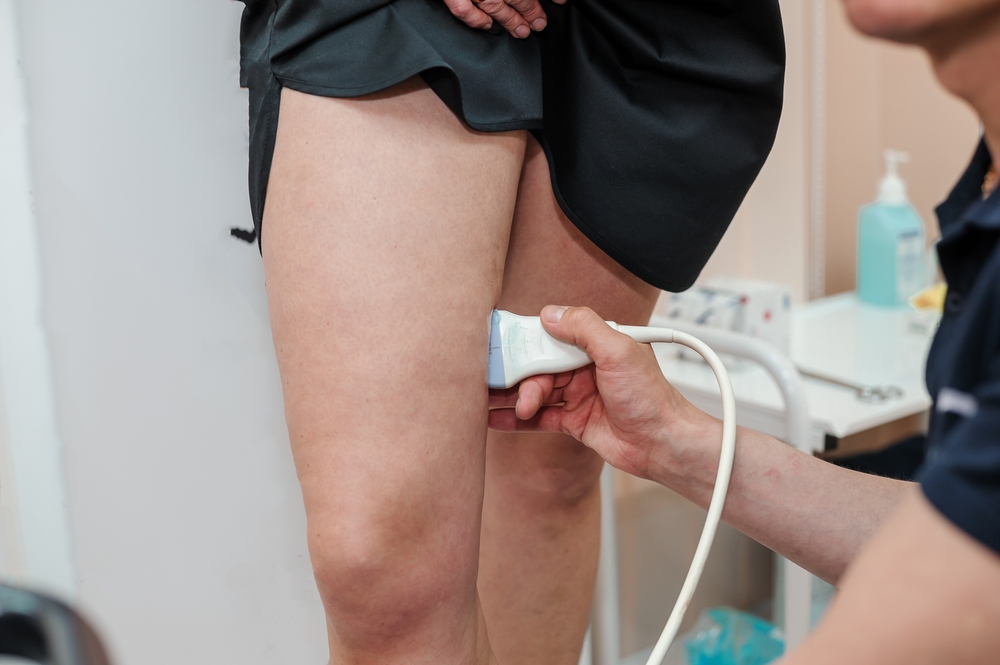
- Potentially use ultrasound imaging (duplex ultrasound) to check for underlying venous insufficiency, the root cause of both spider and varicose veins.
- Discuss your aesthetic goals and concerns.
- Recommend a personalized treatment plan, including the most suitable procedure(s) and an estimated number of sessions.
If you are looking for “vein treatment near me,” choose a dedicated vein clinic with experienced specialists who can offer a range of treatments. This ensures you receive a plan tailored to your needs, not just the one procedure a clinic happens to offer. By investing in expert care, you are investing in a safe, effective, and lasting solution for your spider veins.