One of the most exciting moments for anyone undergoing spider vein treatment is anticipating the final result: smooth, clear, blemish-free skin. After you’ve made the decision, found a “vein specialist near me,” and completed your first session, the next big question is, “How long will it take to see the results?” It’s a natural and important question, as the answer helps you set realistic expectations for the healing journey.
The process of spider veins fading is not instantaneous. It’s a gradual, biological process that unfolds over weeks and sometimes months. The timeline can vary significantly from one person to another, influenced by a host of individual factors. As a leading provider of vein care treatment in Manhattan, we believe in educating our patients about every step of the process, including what happens after the procedure is over.
This guide will provide a detailed timeline of what to expect after spider vein treatment. We’ll explore how procedures like sclerotherapy and laser therapy work to eliminate veins, break down the week-by-week fading process, and discuss the key factors that influence how quickly you will see your final results. Understanding this timeline will empower you to navigate your recovery with confidence and patience.
The Science of Fading: What Happens After Treatment?
To understand the timeline, it’s essential to know what’s happening beneath the skin’s surface after a treatment session. Both sclerotherapy and laser therapy work by closing off the unwanted vein, which then triggers the body’s natural clearing process.
How Sclerotherapy Initiates Fading
Sclerotherapy, the gold standard for leg spider veins, involves injecting a medicated solution called a sclerosant into the targeted veins.
- Vein Irritation and Closure: The sclerosant irritates the inner lining of the vein wall. This controlled injury causes the walls to swell and become sticky.
- Sealing Shut: With the help of post-procedure compression, the walls of the vein press together and seal shut, forming a fibrous cord. Blood can no longer flow through this closed channel and is immediately rerouted to healthier, deeper veins.
- Natural Absorption: The sealed-off vein is now non-functional. The body’s immune system recognizes it as damaged tissue and sends scavenger cells (macrophages) to break it down. This “demolition and cleanup” crew gradually dismantles the vein, and the debris is absorbed and processed by the body.
The fading you see is the direct result of this absorption process. It takes time for the body to fully break down and clear away the collapsed vessel.
How Laser Treatment Initiates Fading
Transdermal laser therapy uses a different mechanism to achieve the same end goal.
- Targeted Heat: The laser emits a specific wavelength of light that is absorbed by the hemoglobin (the red pigment in blood) within the spider vein.
- Coagulation and Collapse: This light energy instantly converts to heat, which coagulates the blood and damages the vein wall, causing it to collapse and seal shut.
- Natural Absorption: Just like with sclerotherapy, the body identifies the collapsed vein as waste. The same process of breaking down and absorbing the vessel begins, leading to its gradual disappearance from the skin’s surface.
For both treatments, the key takeaway is that the procedure itself is just the first step. The visible fading is the result of your body’s own natural, and methodical, healing and clearing response.
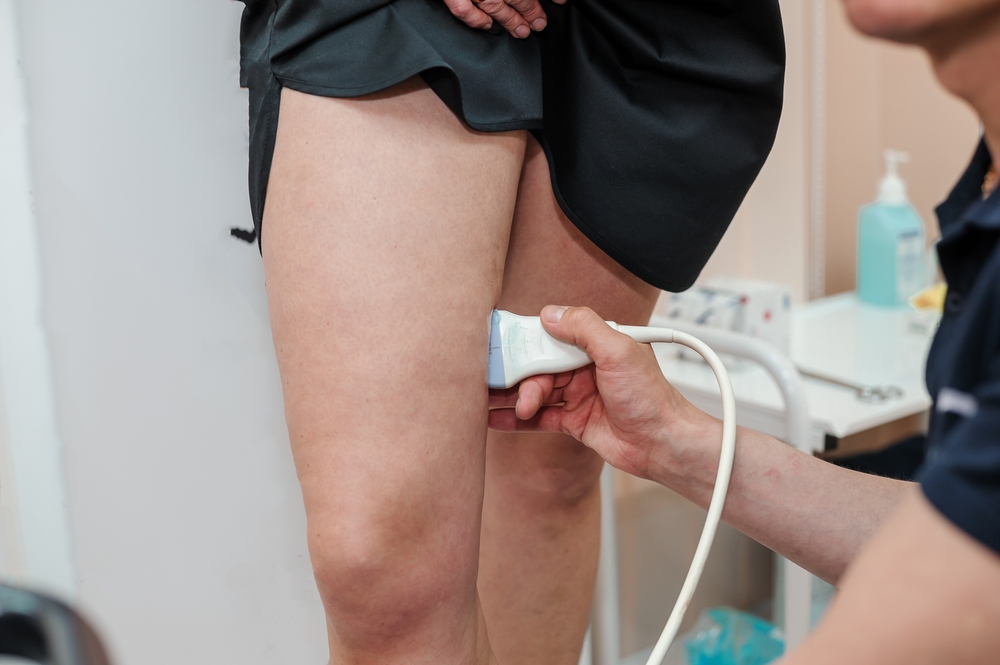
The Fading Timeline: A Week-by-Week Guide
While every patient’s experience is unique, we can outline a general timeline of what to expect after your spider vein treatment session. For more on treatment options and detailed care, visit our Manhattan Spider Vein Treatment page. This timeline primarily reflects the healing process after sclerotherapy, which is the most common treatment for leg spider veins and typically involves a more visible recovery phase.
Immediately After Treatment (Day 1)
Right after your procedure at the Manhattan vein clinic, the treated areas will look worse before they start to look better. This is completely normal.
- Appearance: You may see redness, welts, or small bumps at the injection sites, resembling insect bites. The treated veins might appear darker or more prominent.
- Sensation: You might feel a mild burning or itching sensation, which usually subsides within a few hours.
- Action: You will be fitted with compression stockings, which you’ll be instructed to wear continuously for a set period. Walking is encouraged immediately to promote healthy blood flow.
The First Week (Days 2-7)
This is the peak phase for bruising and initial healing.
- Appearance: Bruising is very common and will likely appear around the treated areas. The color and extent of bruising vary widely. The initial redness and welts will have faded. The treated veins may still look like thin, trapped lines of blood under the skin.
- Sensation: The areas may feel tender or slightly sore to the touch, similar to a muscle ache.
- Action: Continue to wear your compression stockings as directed by your vein specialist. Avoid strenuous, high-impact exercise, but continue with daily walking. You should also avoid hot baths, saunas, and direct sun exposure on the treated areas.
Two to Four Weeks Post-Treatment
During this period, the initial side effects begin to subside, and the first signs of clearing become visible.
- Appearance: Bruising will start to fade, often changing color from dark purple/blue to green and then yellow before disappearing completely. The treated veins themselves will begin to look lighter and less distinct. In some cases, you might notice temporary brownish discoloration (hyperpigmentation) along the path of the treated vein.
- Sensation: Most tenderness should be gone.
- Action: Your doctor may advise that you can reduce the amount of time you wear your compression stockings. You can typically resume all normal activities and exercise.
One to Three Months Post-Treatment
This is when the real magic happens. The fading process accelerates, and you’ll see significant improvement.
- Appearance: The majority of the treated spider veins will have faded considerably or disappeared entirely. The texture of your skin will look smoother. If you experienced any hyperpigmentation, it should be starting to lighten, though this can sometimes take longer.
- Follow-Up: This is typically when you would have your follow-up appointment. Your vein specialist will assess the results of the first session and perform a second treatment on any remaining or new areas. The process then repeats. For more information on the number of treatments you might need, see our in-depth guide on spider vein procedures.
Three to Six Months Post-Treatment
By this point, you are seeing the near-final results from your initial treatment session(s).
- Appearance: The cosmetic results are now very apparent. The treated areas should look much clearer. Any stubborn veins or residual discoloration continues to fade. For most people, the final outcome of a given treatment session is visible around the three-month mark.
- Final Assessment: Your specialist can now make a final assessment of your results and determine if any minor touch-up sessions are needed to achieve your aesthetic goals.
Factors That Influence How Quickly Your Spider Veins Fade
Why does one person see results in six weeks while another takes three months? Several key factors contribute to the speed and quality of your healing process.
1. Vein Size and Type
Larger, darker spider veins and the slightly deeper reticular “feeder” veins often take longer to be absorbed by the body compared to very fine, superficial spider veins. A larger vessel simply contains more material that the body needs to break down and clear away.
2. The Extent of the Treatment
If you have a large number of veins treated in a single session, your body has more “cleanup” work to do. This can lead to more initial bruising and a slightly longer overall timeline for all the vessels to fade completely.
3. Your Body’s Individual Healing Response
This is a major variable. Factors like your age, overall health, and immune system efficiency play a significant role in how quickly your body can process and absorb the collapsed veins. Younger, healthier individuals may heal and clear veins faster than older individuals or those with underlying health conditions.
4. Adherence to Post-Treatment Instructions
Following your doctor’s orders is not optional—it’s critical for a speedy and successful outcome.
- Compression Wear: Wearing your compression stockings as prescribed is the most important thing you can do. Compression helps keep the treated veins sealed shut, prevents blood from re-entering, and minimizes bruising and swelling, all of which accelerate the fading process.
- Activity Level: Following guidelines on activity—avoiding strenuous exercise initially but engaging in regular walking—helps promote healthy circulation and aids the healing process.
- Sun Avoidance: Protecting the treated areas from the sun is crucial for preventing permanent skin discoloration (hyperpigmentation), especially in the early weeks.
5. Skin Tone
In some individuals, particularly those with medium to darker skin tones, there is a higher chance of developing post-inflammatory hyperpigmentation. This is a temporary brownish staining of the skin along the treated vein. While not dangerous, this discoloration can sometimes take several months, or even up to a year in rare cases, to fade completely. An experienced vein specialist will take precautions to minimize this risk.
6. The Skill of the Vein Specialist
The technique and precision of your doctor matter. An experienced specialist who is an expert in vein care treatment in Manhattan will use the appropriate concentration of sclerosant and precise injection techniques to close the vein effectively with minimal irritation to surrounding tissue. This can lead to less bruising and a smoother recovery.
Questions about your treatment options? Dr. Fox can help.
Book a ConsultationWhat to Expect with Multiple Sessions
As discussed, most people require multiple treatment sessions to achieve their desired results. It’s important to understand that the timeline resets with each new session. After your second or third treatment, you will go through the same phases of bruising and gradual fading in the newly treated areas.
The good news is that with each subsequent session, there are typically fewer veins to treat, so the recovery may feel easier. The entire course of treatment, from the first session to the final result, can span anywhere from two to six months, depending on how many sessions you need and the 4-6 week interval between them. This is why it’s often recommended to start your spider vein treatments in the fall or winter if you want your legs to be clear by summer.
When to Be Concerned: Normal vs. Abnormal Side Effects
The vast majority of side effects after spider vein treatment are temporary and part of the normal healing process. These include:
- Bruising, swelling, and redness
- Tenderness or itching
- Temporary hyperpigmentation (brownish discoloration)
- Small bumps or “trapped blood” that the body will absorb
However, you should contact your vein clinic if you experience any rare but more serious symptoms, such as:
- Severe, persistent pain
- Signs of infection like fever, chills, or pus from an injection site
- Sudden, significant swelling of the entire leg
- A skin ulceration at a treatment site
Choosing a board-certified and experienced “varicose vein doctor in Manhattan” significantly minimizes the risk of complications and ensures you are in expert hands throughout your recovery.
Your Journey to Clearer Skin
Patience is the most important virtue on the path to vein-free skin. While modern treatments are incredibly effective, they rely on a biological process that simply cannot be rushed. By understanding the science of fading and the week-by-week timeline, you can set realistic expectations and watch with confidence as your skin gradually transforms.
If you’re ready to begin your journey, the first step is a professional consultation. A specialist can assess your unique condition, create a personalized treatment plan, and give you a more precise estimate of your expected fading timeline. To learn more about your spider vein treatment options in Manhattan, don’t wait any longer to address the vein symptoms in your legs or the cosmetic concerns that hold you back. Beautiful, clearer skin is just a few months away.