If your legs feel heavy by the end of the day, your ankles swell up in the evening, or you find yourself rubbing away persistent aches that just won’t quit, you’re not alone. Millions of Americans experience these symptoms and dismiss them as a normal part of getting older, standing too long at work, or simply being tired. But here’s what most people don’t realize: leg pain and heaviness are often signs of vein disease — a progressive, treatable medical condition called chronic venous insufficiency (CVI).
The truth is, healthy legs shouldn’t ache, swell, or feel like they’re weighed down with sandbags at the end of every day — regardless of your age. When these symptoms become part of your daily routine, your legs are trying to tell you something important. In this article, we’ll walk through five telltale signs your leg pain is actually vein disease, explain why these symptoms occur, and show you exactly what to do about them. If even one of these signs sounds familiar, it may be time to see a vein specialist in Manhattan.
The Hidden Epidemic: Chronic Venous Insufficiency
Chronic venous insufficiency is far more common than most people think. Research suggests that CVI affects up to 40% of adults in the United States, making it one of the most prevalent vascular conditions — yet one of the least recognized. The reason? Its symptoms mimic everyday complaints so closely that most people never connect the dots between their aching, heavy legs and a real medical problem.
How CVI Develops
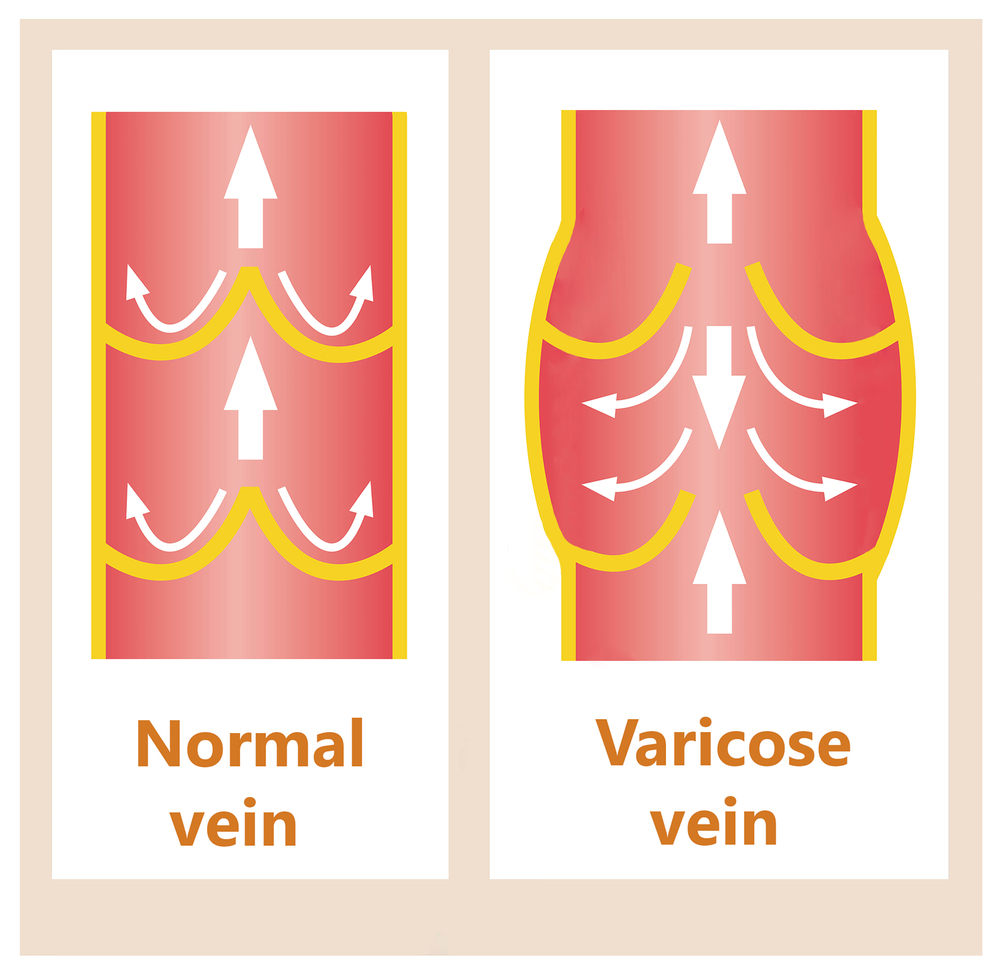
Your veins have a critical job: they carry deoxygenated blood from your legs back up to your heart, fighting gravity every step of the way. Inside these veins, tiny one-way valves open and close with each heartbeat to keep blood flowing in the right direction. When these valves become damaged or weakened, blood begins to leak backward and pool in the lower legs — a process called venous reflux.
This pooling creates a cascade of problems. Pressure builds inside the veins, causing them to stretch and bulge. Fluid leaks into surrounding tissues, leading to swelling and inflammation. Over time, the skin and soft tissues around the ankles begin to break down. The key thing to understand about chronic venous insufficiency symptoms is that they don’t stay the same — they get progressively worse without treatment.
- Early stage: Leg heaviness, mild aching, visible spider veins
- Moderate stage: Swelling, varicose veins, restless legs, cramping
- Advanced stage: Skin discoloration, dermatitis, hardened skin
- Severe stage: Venous ulcers — open wounds that are extremely difficult to heal
Understanding what causes varicose veins and the underlying valve failure is the first step toward getting the right treatment. Now let’s look at the five signs your body may be sending you.
Sign #1: Heavy, Achy Legs by Evening (But Fine in the Morning)
This is the single most common — and most frequently overlooked — symptom of vein disease. You wake up in the morning feeling fine. Your legs are comfortable, light, and pain-free. But as the day progresses, an unmistakable heaviness settles in. By evening, your legs feel like they’re filled with lead, and a deep, dull ache throbs through your calves and thighs.
The “Gravity Test”
We call this the “gravity test” because vein-related leg pain follows a very specific pattern tied to gravity:
- Worse after prolonged standing or sitting: Blood pools in your lower legs when you’re upright or stationary all day
- Worse in the evening: After hours of fighting gravity, faulty valves allow more and more blood to pool
- Better in the morning: A night of sleeping with your legs elevated (or flat) allows blood to drain back toward the heart
- Better with elevation: Propping your legs up for 15–20 minutes provides noticeable relief
If this pattern sounds familiar — symptom-free mornings followed by progressively worse leg heaviness through the day — that’s a classic hallmark of venous insufficiency. Muscle fatigue and joint problems tend to be more consistent throughout the day, but vein disease symptoms in legs follow the gravity-dependent cycle described above.
The relief you feel from elevation is actually a diagnostic clue: when you raise your legs, you’re helping your veins do the job their broken valves can no longer do. It’s not your muscles recovering — it’s your veins draining.
Sign #2 — Your Ankles and Lower Legs Swell (Especially One Side)
Do you notice indentations from your sock elastic when you take off your socks at night? Are your shoes tighter in the evening than they were in the morning? Ankle and lower leg swelling is one of the most visible signs of vein disease, and it’s a clear signal that blood and fluid are accumulating where they shouldn’t be.
Understanding Vein-Related Swelling
When venous valves fail, the increased pressure inside your veins forces fluid out through the vessel walls and into the surrounding tissue. This is called edema, and in venous disease it typically:
- Affects the ankles and lower calves first
- Worsens throughout the day and improves overnight
- Creates visible sock-line marks or shoe tightness
- May be “pitting” edema — if you press a finger into the swollen area for a few seconds, it leaves a temporary dent
One Side or Both?
Vein disease can affect one leg or both, but unilateral swelling (one leg significantly more swollen than the other) is particularly concerning and warrants prompt evaluation. While CVI can cause one-sided swelling, sudden onset of swelling in one leg — especially with pain, warmth, or redness — could indicate deep vein thrombosis (DVT), a blood clot that requires immediate medical attention.
If you experience sudden, unexplained swelling in one leg, especially accompanied by calf tenderness, warmth, or skin redness, seek medical care right away. To learn the difference between various types of leg discomfort, read our guide on leg pain vs. vein pain.
Sign #3 — You See Visible Veins (Varicose or Spider Veins)
Visible veins are perhaps the most recognizable sign of vein disease, but many people make the mistake of thinking they’re purely a cosmetic issue. In reality, both varicose veins and spider veins usually indicate an underlying problem with your venous system.
Varicose Veins
Varicose veins are enlarged, swollen, twisted veins that bulge beneath the skin surface. They often appear as rope-like, blue or purple cords running along the calves and thighs. Varicose veins develop when sustained venous pressure causes the vein walls to stretch and lose their elasticity. They’re more than unsightly — they’re a visible marker that blood is flowing backward through damaged valves. Understanding whether varicose veins are dangerous is crucial to making informed decisions about your health.
Spider Veins
Spider veins are smaller, web-like clusters of red, purple, or blue veins visible just beneath the skin’s surface. While individually they may seem minor, spreading clusters of spider veins — especially on the lower legs and ankles — often signal increasing venous pressure from deeper vein problems.
What If You Have Symptoms but No Visible Veins?
Here’s what surprises many patients: you can have significant vein disease without any visible veins on the surface. Deeper veins — the ones you can’t see — can have valve failure and reflux that produces all the symptoms of CVI (heaviness, swelling, aching) without a single visible varicose or spider vein. That’s why a diagnostic ultrasound is so important. It reveals what’s happening beneath the surface where the eye can’t see.
Are you noticing any of these signs? Don’t wait for symptoms to progress.
Schedule a comprehensive vein evaluation at Fox Vein Care in Manhattan.
Call (212) 362-3470 or visit our contact page to book your consultation.
Sign #4 — Your Legs Feel Restless at Night or You Get Calf Cramps
If you find yourself unable to keep your legs still at night, constantly shifting positions in bed, or waking up with sharp calf cramps, vein disease may be the hidden culprit. These symptoms are among the most disruptive chronic venous insufficiency symptoms because they steal your sleep and leave you exhausted.
The Restless Legs–Vein Disease Connection
Restless legs syndrome (RLS) causes an irresistible urge to move your legs, often accompanied by uncomfortable sensations like crawling, tingling, or throbbing. While RLS has multiple potential causes, research has increasingly demonstrated a strong link between restless legs and underlying venous insufficiency:
- Studies have shown that up to 36% of patients with RLS have underlying venous reflux
- Treating the vein disease with minimally invasive procedures has been shown to significantly reduce or eliminate RLS symptoms in many patients
- The mechanism: blood pooling in the legs irritates nerve endings and creates the uncomfortable sensations associated with restless legs
Nighttime Calf Cramps
Nighttime calf cramps — those sudden, painful charley horses that jolt you awake — are another frequently overlooked symptom of vein disease. When blood pools in your lower legs due to faulty valves, it creates a buildup of metabolic waste products in the muscle tissue, triggering involuntary muscle contractions. If you’re regularly woken by calf cramps and also experience daytime heaviness or swelling, the combination strongly suggests a venous origin.
Questions about your treatment options? Dr. Fox can help.
Book a ConsultationThis article is part of our Leg Symptom Guide.
Sign #5 — Your Skin Is Changing Color Near Your Ankles
Of all the signs of vein disease, skin changes are the most urgent. If you’ve noticed that the skin around your ankles or lower calves is changing color, texture, or appearance, this is your body sending a loud alarm signal that vein disease has progressed to an advanced stage.
Brown or Red Discoloration (Hemosiderin Staining)
When chronically elevated venous pressure forces red blood cells out through weakened capillary walls, the iron in hemoglobin (called hemosiderin) deposits into the skin tissue. This creates a distinctive brownish-red or rusty discoloration around the ankles and lower legs that doesn’t wash off or fade on its own. Once hemosiderin staining develops, it often becomes permanent — even after successful vein treatment — which is why early intervention is so important.
Dry, Itchy, Leathery Skin (Stasis Dermatitis)
Stasis dermatitis occurs when chronic fluid buildup and inflammation damage the skin, causing it to become dry, flaky, intensely itchy, and thickened. Patients often mistake this for eczema or a skin allergy, but topical creams only provide temporary relief because they’re treating the symptom, not the cause — which is the underlying vein disease.
Skin Hardening (Lipodermatosclerosis)
In more advanced cases, the lower leg skin and the fat layer beneath it become hardened and woody — a condition called lipodermatosclerosis. The leg may take on a characteristic “inverted champagne bottle” shape, with the lower calf constricted and tight. This represents significant tissue damage from prolonged venous hypertension.
Venous Ulcers: The Stage Nobody Wants to Reach
If left untreated, the final stage of chronic venous insufficiency is the development of venous ulcers — open, weeping wounds typically located near the inner ankle. Venous ulcers are notoriously slow to heal, prone to infection, and can take months or even years to close without addressing the root vein problem. They significantly impact quality of life and can lead to serious complications.
If you are seeing any skin changes around your ankles — discoloration, itching, hardening, or open wounds — do not delay seeking treatment. These are urgent warning signs that require prompt evaluation by a qualified vein specialist.
What to Do If You Recognize These Signs
If one or more of these five signs resonated with you, the most important thing to know is this: vein disease will not improve on its own. Without treatment, symptoms progressively worsen over months and years. The good news? Modern vein treatment is remarkably effective, minimally invasive, and usually covered by insurance.
Here’s your action plan:
Step 1: Stop Dismissing Your Symptoms
The biggest barrier to treatment is the belief that leg pain, heaviness, and swelling are “just part of aging.” They’re not. They’re medical symptoms with a medical solution. Accepting that something treatable is happening is the critical first step.
Step 2: See a Vein Specialist
While your primary care doctor is a great starting point, a board-certified vein specialist has the advanced training and diagnostic tools to accurately evaluate your venous system. Dr. David Fox, a fellowship-trained vascular surgeon with 28+ years of experience, specializes in diagnosing and treating the full spectrum of venous disease at Fox Vein Care in Manhattan.
Step 3: Get a Duplex Ultrasound
A duplex ultrasound is the gold standard for diagnosing vein disease. This painless, non-invasive test takes approximately 30 minutes and uses sound waves to create detailed images of your veins and blood flow. It reveals exactly which valves are failing, where blood is refluxing, and how severe the condition is — giving your doctor a precise roadmap for treatment.
Step 4: Explore Modern Treatment Options
Today’s vein treatments in Manhattan are nothing like the painful vein-stripping surgeries of the past. Modern procedures are performed in the office, require no general anesthesia, and allow you to return to normal activities the same day or the next.
Modern Vein Treatments: Quick, Effective, Often Covered by Insurance
At Fox Vein Care, we offer the full range of advanced, minimally invasive vein treatments designed to address the underlying cause of your symptoms — not just mask them.
| Treatment | How It Works | Procedure Time | Recovery |
| Endovenous Laser Therapy (EVLT) | Laser energy seals the diseased vein from the inside | 45–60 minutes | Return to activities same day |
| Radiofrequency Ablation (RFA) | Radiofrequency heat closes the damaged vein | 45–60 minutes | Return to activities same day |
| Sclerotherapy | Injection of solution collapses spider and small varicose veins | 15–30 minutes | Immediate return to activities |
| Ambulatory Phlebectomy | Tiny incisions remove surface varicose veins | 30–60 minutes | Light activity within 1–2 days |
All of these procedures are performed right in our Manhattan office — no hospital stay, no general anesthesia, and minimal downtime. Blood naturally reroutes through healthier veins, and symptoms typically begin improving within days to weeks.
Insurance Coverage
One of the most common concerns patients share with us is whether vein treatment is covered by insurance. The answer, in most cases, is yes. When vein disease is medically documented through ultrasound and symptoms are present, most major insurance plans — including Medicare — cover treatment. Learn more about whether varicose vein treatment is covered by insurance. Our team at Fox Vein Care handles insurance verification and pre-authorization so you know your coverage before any procedure.
Don’t Let Vein Disease Steal Your Quality of Life
Your legs carry you through every moment of your day. They deserve to feel light, comfortable, and strong — not heavy, swollen, and painful. If you’ve been living with leg pain, heaviness, swelling, visible veins, restless legs, or skin changes, these are not inevitable consequences of aging. They’re symptoms of a treatable condition, and help is available right here in Manhattan.
Schedule a consultation with Dr. Fox today. With 28+ years of experience as a board-certified vascular surgeon, Dr. Fox and the team at Fox Vein Care will provide a thorough evaluation, accurate diagnosis, and a personalized treatment plan to get you back to the active, comfortable life you deserve.
Fox Vein Care (Fox Vein & Vascular)
📍 1041 Third Avenue, New York, NY 10065
📞 (212) 362-3470
🌐 foxvein.com
Call today or [contact us online](https://foxvein.com/contact-us/ “Contact Us”) to schedule your vein evaluation.
Leading Manhattan Vascular & Vein Specialist
At Fox Vein Care, we provide state-of-the-art vascular and venous treatments, combining advanced diagnostic technology with minimally invasive procedures that prioritize comfort, safety, and outstanding results.
Note: This content is for informational purposes and does not constitute medical advice. Always consult with a qualified healthcare provider for personalized recommendations.