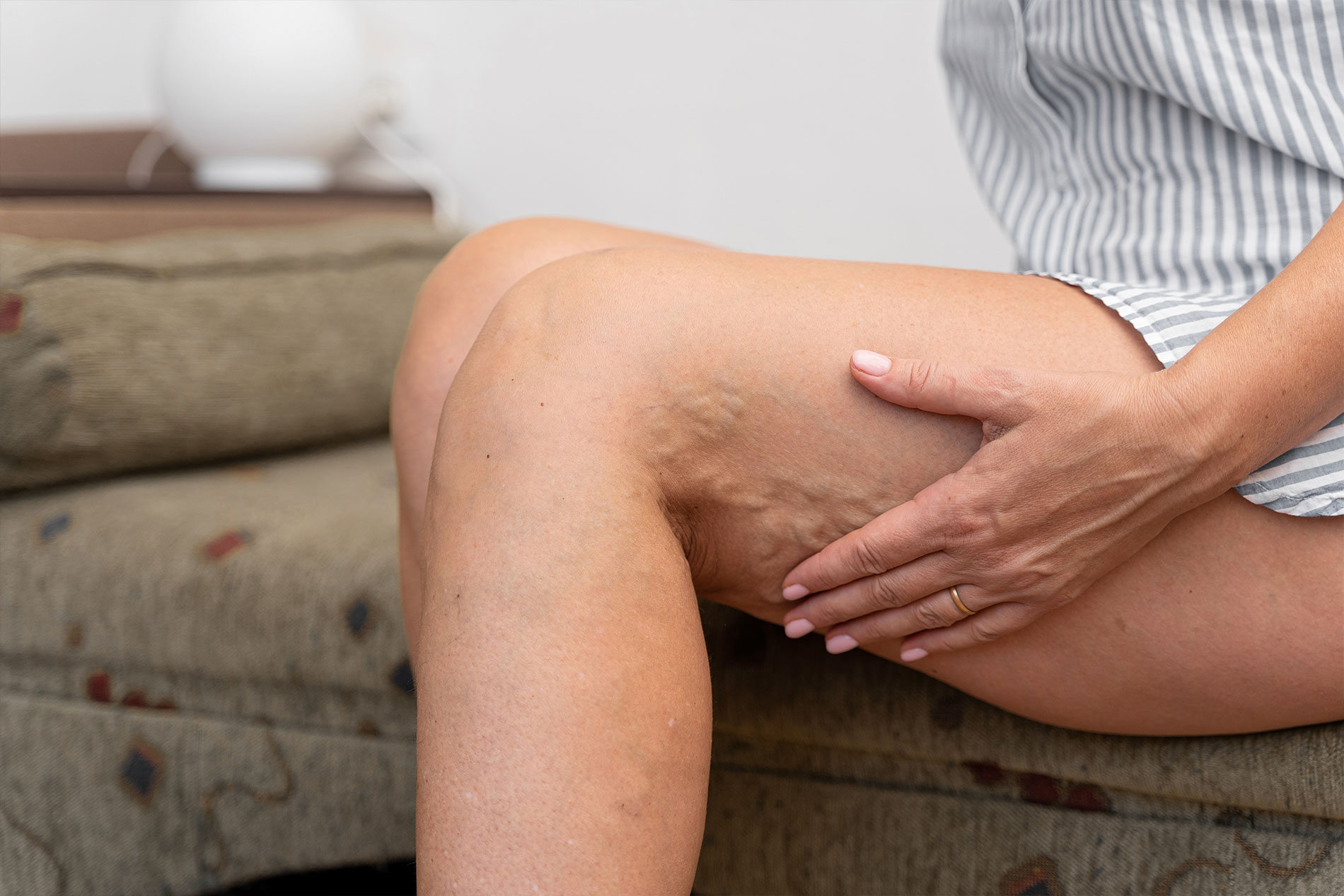

Varicose veins are one of the most common medical conditions affecting adults worldwide. For many, they start as a cosmetic annoyance—a twisting, blue line appearing on the calf or thigh. However, without proper attention, they can evolve into a significant medical issue causing discomfort, pain, and fatigue.
If you have noticed bulging veins on your legs, you might be wondering why they appeared and what is actually happening beneath the surface of your skin. Are they strictly hereditary? Did standing at work cause them? Or is it simply a part of aging?
Understanding the root cause is the first step toward finding relief. Whether you are looking for a Manhattan vein clinic or simply researching symptoms, this comprehensive guide will explore the mechanics of venous insufficiency, the risk factors that contribute to vein disease, and the modern solutions available from a vein specialist near me.
The Mechanics of Circulation: How Veins Work
To understand what goes wrong with varicose veins, we first need to understand how healthy veins operate. Your body has two main types of blood vessels: arteries and veins. Arteries act as the delivery system, pumping oxygen-rich blood from your heart out to the rest of your body. This process is aided by the powerful pumping action of the heart and gravity.
Veins, however, have a much harder job. They are the return system. They must transport deoxygenated blood from your extremities back up to the heart and lungs to be re-oxygenated. When it comes to your legs, your veins are working against gravity to push blood upward.
The Role of Venous Valves
Because the blood in your legs has to travel uphill, your veins are equipped with tiny, one-way valves. These valves act like check-points. As your leg muscles contract (when you walk or move), they squeeze the veins and push the blood upward. When the muscle relaxes, the valves snap shut to prevent the blood from flowing backward toward your feet.
In a healthy venous system, this process is seamless. Blood flows up, valves close, and circulation continues efficiently.
When the System Fails: Venous Reflux
The primary mechanical cause of varicose veins is a condition called venous insufficiency, or venous reflux. This occurs when the walls of the veins stretch and lose their elasticity, or when the valves become weak or damaged.
If a valve fails to close properly, blood leaks backward. This is called reflux. Instead of moving toward the heart, the blood pools in the vein. Over time, this increased pressure causes the vein to expand, twist, and bulge out against the skin’s surface. This is the formation of a varicose vein. While this can happen anywhere in the body, the legs are the most susceptible due to the sheer pressure of gravity and the weight of the body.
For more details on the condition and its advanced treatment options, you can visit Varicose Veins Treatment in Manhattan.
The Primary Culprits: Risk Factors for Vein Disease
While the mechanical cause is valve failure, the reasons why those valves fail are varied. It is rarely just one factor; rather, it is usually a combination of genetics, lifestyle, and physiological changes. If you are searching for a chronic vein condition specialist near me, you likely fall into one or more of the following risk categories.
1. Genetics and Family History
The most significant predictor of whether you will develop varicose veins is your family tree. If your parents or grandparents suffered from vein disease, your odds increase dramatically.
Research suggests that if both parents have varicose veins, you have a roughly 90% chance of developing them. Even if only one parent is affected, your risk is still significantly higher than the general population. This is because you may inherit weaker vein walls or valves that are structurally prone to failure. While you cannot change your genetics, knowing your history is a powerful motivator to seek early assessment from a varicose vein doctor Manhattan.
2. Age-Related Changes
As we age, our bodies undergo natural wear and tear, and our veins are no exception. Over decades, the valves in your veins work tirelessly to pump blood against gravity. Eventually, the elasticity in the vein walls decreases.
The veins become stiffer and less able to snap back into shape. This loss of elasticity allows the veins to stretch, which pulls the valve flaps apart, preventing them from creating a tight seal. Consequently, older adults are much more likely to seek vein care treatment Manhattan than younger individuals, although vein disease can strike at any age.
3. Gender and Hormonal Influences
Women are more likely to develop varicose veins than men. The primary reason for this disparity is hormonal. Female hormones, specifically progesterone and estrogen, play a role in relaxing smooth muscle fibers.
While this relaxation is necessary for various bodily functions, it can also cause the vein walls to relax excessively. When the walls relax, the diameter of the vein increases, making it harder for the valves to close properly. Hormonal fluctuations during puberty, menopause, and while taking birth control pills or hormone replacement therapy can all contribute to the onset of vein issues.
4. Pregnancy
Pregnancy is a “perfect storm” for the development of vein disease. During pregnancy, three major factors converge to put immense stress on the venous system:
- Increased Blood Volume: A pregnant woman’s body produces significantly more blood to support the growing fetus. This increased volume places extra pressure on the veins.
- Hormonal Surges: High levels of progesterone relax the vein walls to accommodate the increased blood flow, but this also makes them prone to stretching.
- Physical Pressure: As the uterus grows, it puts direct pressure on the inferior vena cava (the large vein on the right side of the body). This pressure impedes blood flow from the legs to the heart, increasing pressure in the leg veins.
Many women notice leg swelling and veins appearing for the first time during pregnancy. While some of these veins may improve after childbirth, the damage to the valves is often permanent, requiring a visit to a vein specialist near me later in life.
5. Prolonged Standing or Sitting
Your job could be hurting your veins. Professions that require long periods of standing (like nurses, teachers, hair stylists, and retail workers) or long periods of sitting (office workers, truck drivers) are associated with a higher risk of venous insufficiency.
Remember, the calf muscle acts as the pump for your leg veins. When you walk, the muscle contracts and pumps blood. When you stand still or sit for hours, that pump is inactive. Blood stagnates, pressure builds, and valves are stressed. Over years of such activity, this can lead to chronic venous insufficiency.
6. Obesity and Excess Weight
Carrying excess body weight puts added pressure on your veins. The physical weight of the abdomen can compress the veins in the pelvic area, making it harder for blood to flow up from the legs. This increased intra-abdominal pressure is transmitted down to the leg veins, causing them to dilate and the valves to fail. Losing weight can help alleviate vein symptoms in legs, but it may not reverse damage that has already occurred.
Identifying the Symptoms: Beyond the Bulge
Many people mistakenly believe that if they don’t see massive, rope-like veins, they don’t have a problem. However, vein disease can manifest in various ways. Bulging veins are the most visible sign, but they are often accompanied by other symptoms that affect your quality of life.
If you experience any of the following, it may be time to consult a best vein doctor near me:
Heaviness and Fatigue
A common early sign is a feeling of heaviness or “dead weight” in the legs, particularly at the end of the day. Your legs may feel tired even if you haven’t done strenuous exercise. This is a result of blood pooling in the lower extremities.
Swelling (Edema)
Leg swelling and veins go hand-in-hand. You might notice that your shoes feel tight in the evening or that your ankles disappear after a long day of work. This fluid buildup occurs because the veins are leaking fluid into the surrounding tissues due to high pressure.
Vein Pain and Cramping
Vein pain can manifest as a dull ache, a throbbing sensation, or a burning feeling along the vein. Night cramps, often called “Charley horses,” are also frequently associated with venous insufficiency.
Skin Changes and Itching
When blood pools in the veins, it can cause inflammation in the surrounding skin. This often leads to a condition called venous eczema, characterized by dry, itchy, and red skin, usually around the ankles. In severe cases, the skin can become discolored (turning a brownish-red) and hardened.
Restless Legs
There is a significant correlation between vein disease and Restless Leg Syndrome (RLS). If you feel an uncontrollable urge to move your legs to relieve discomfort, especially when trying to sleep, underlying vein issues could be the cause.
Are Varicose Veins Dangerous?
A common question patients ask at a Manhattan vein clinic is, “Is this just cosmetic?” While varicose veins are unsightly, dismissing them as purely cosmetic can be a mistake.
Left untreated, the high pressure in the veins can lead to more serious complications, including:
- Blood Clots: Blood that isn’t moving efficiently is prone to clotting. This can lead to superficial thrombophlebitis (a clot in a surface vein) or, more rarely, Deep Vein Thrombosis (DVT), which is a serious medical emergency.
- Venous Ulcers: Severe venous disease can break down the skin near the ankles, leading to open wounds that are very difficult to heal.
- Bleeding: Because varicose veins are close to the surface and under high pressure, a minor scratch or bump can cause significant bleeding.
If you are experiencing vein symptoms in legs that affect your daily life, seeking professional vein treatment near me is crucial for preventing these complications.
Diagnosing the Cause
When you visit a specialist like Dr. David Fox at Fox Vein and Vascular, the diagnostic process is thorough but non-invasive.
The Physical Exam
The doctor will examine your legs while you are standing to see how the veins swell under gravity. They will look for signs of swelling, skin discoloration, and the pattern of the veins.
Duplex Ultrasound
The gold standard for diagnosing the cause of varicose veins is a duplex ultrasound. This technology allows the doctor to “see” inside the leg. They can visualize the structure of the veins and, most importantly, watch the blood flow. By squeezing the leg and watching the monitor, the doctor can identify exactly which valves have failed and where the reflux is originating.
This precise mapping is essential for effective vein care treatment Manhattan. It ensures that the root of the problem is treated, rather than just the visible surface veins.
Modern Solutions: How We Treat the Cause
The days of painful “vein stripping” surgeries are largely behind us. Modern medicine offers minimally invasive solutions that treat the root cause of the problem—the refluxing vein—with little to no downtime.
If you are looking for a Varicose vein doctor Manhattan, here are the types of treatments you might encounter at a top-tier facility like Fox Vein and Vascular.
Endovenous Laser Therapy (EVLT)
This is one of the most effective treatments for large varicose veins. During this procedure, a thin laser fiber is inserted into the damaged vein under ultrasound guidance. The laser energy heats and seals the vein shut. Once the diseased vein is closed, the body naturally reroutes the blood flow to healthy veins. The closed vein is eventually absorbed by the body.
For more on this procedure, you can read about Manhattan Vein Treatments.
Sclerotherapy
For smaller varicose veins and spider veins, sclerotherapy is often the treatment of choice. A special solution is injected directly into the vein. This solution irritates the lining of the vein, causing it to collapse and stick together. Over time, the vein fades away.
Ambulatory Phlebectomy
For bulging veins that are too large for sclerotherapy but too tortuous (twisted) for a laser fiber, a phlebectomy may be performed. This involves making tiny, slit-like punctures in the skin to physically remove the problematic veins.
Conservative Management
Before moving to procedures, or in conjunction with them, your Chronic vein condition specialist near me may recommend compression stockings. These tight-fitting socks apply graduated pressure to the legs, helping to squeeze the veins and assist the muscles in pumping blood upward. While stockings won’t cure varicose veins, they can significantly reduce symptoms like swelling and aching.
Prevention: Can You Stop Varicose Veins?
If you have a genetic predisposition to vein disease, you may not be able to prevent varicose veins entirely. However, you can delay their onset and reduce their severity by adopting healthy habits.
- Move Your Body: Walking, swimming, and cycling are excellent for calf muscle strength. A strong calf muscle pumps blood more efficiently.
- Watch Your Weight: Maintaining a healthy weight reduces the pressure on your pelvic and leg veins.
- Elevate Your Legs: When resting, try to elevate your legs above the level of your heart. This uses gravity to help drain the blood out of your legs.
- Change Positions: If you have a desk job, stand up and walk around every hour. If you stand for work, try to shift your weight or do calf raises to keep the blood moving.
- Wear Compression: If you know you will be standing for a long time or flying on a plane, wearing compression socks is a great proactive measure.
Why Choose a Specialist in Manhattan?
When dealing with your circulatory health, precision matters. General practitioners can diagnose varicose veins, but they often lack the specialized tools and training to treat the underlying venous insufficiency effectively.
Searching for a Vein specialist near me connects you with experts who dedicate their entire practice to the vascular system. A dedicated Manhattan vein clinic offers:
- Advanced Diagnostics: Access to high-resolution ultrasound technology for accurate mapping.
- Customized Care: A tailored treatment plan that addresses your specific anatomy and cosmetic goals.
- Safety and Comfort: Procedures performed in a safe, comfortable office setting without the need for hospitalization.
Dr. David Fox: A Leader in Vein Care
At Fox Vein and Vascular, you are under the care of Dr. David Fox, a board-certified vascular surgeon with over 20 years of experience. Unlike aesthetic centers that may only treat the surface appearance of veins, Dr. Fox addresses the medical root of the issue.
Whether you need treatment for spider veins or complex chronic venous insufficiency, his approach combines medical expertise with a commitment to patient comfort. You can learn more about his background and philosophy on the Manhattan Vein Doctor page.
Additionally, Fox Vein and Vascular offers a range of services beyond just vein care, including treatments for arterial conditions and chronic knee pain. Explore the full scope of care on the Services page.
Conclusion: Take the First Step Toward Healthier Legs
Understanding what causes varicose veins is the first step in taking control of your vascular health. It is not just about vanity; it is about maintaining a healthy, active lifestyle free from vein pain and fatigue.
You do not have to live with leg swelling and veins that make you feel self-conscious or uncomfortable. The mechanisms that cause these issues—valve failure, gravity, and genetics—are well understood, and the treatments are more effective and accessible than ever before.
If you are in New York City and looking for the Best vein doctor near me, consider Fox Vein and Vascular. Don’t wait for your symptoms to worsen. Address the root cause today and get back to walking, running, and living with confidence.
Ready to relieve your symptoms?
Contact Fox Vein and Vascular today to schedule your consultation with a leading Manhattan vein clinic. Let us help you achieve healthier, better-looking legs.
Leading Manhattan Vascular & Vein Specialist
At Fox Vein Care, we provide state-of-the-art vascular and venous treatments, combining advanced diagnostic technology with minimally invasive procedures that prioritize comfort, safety, and outstanding results.
Contact Us