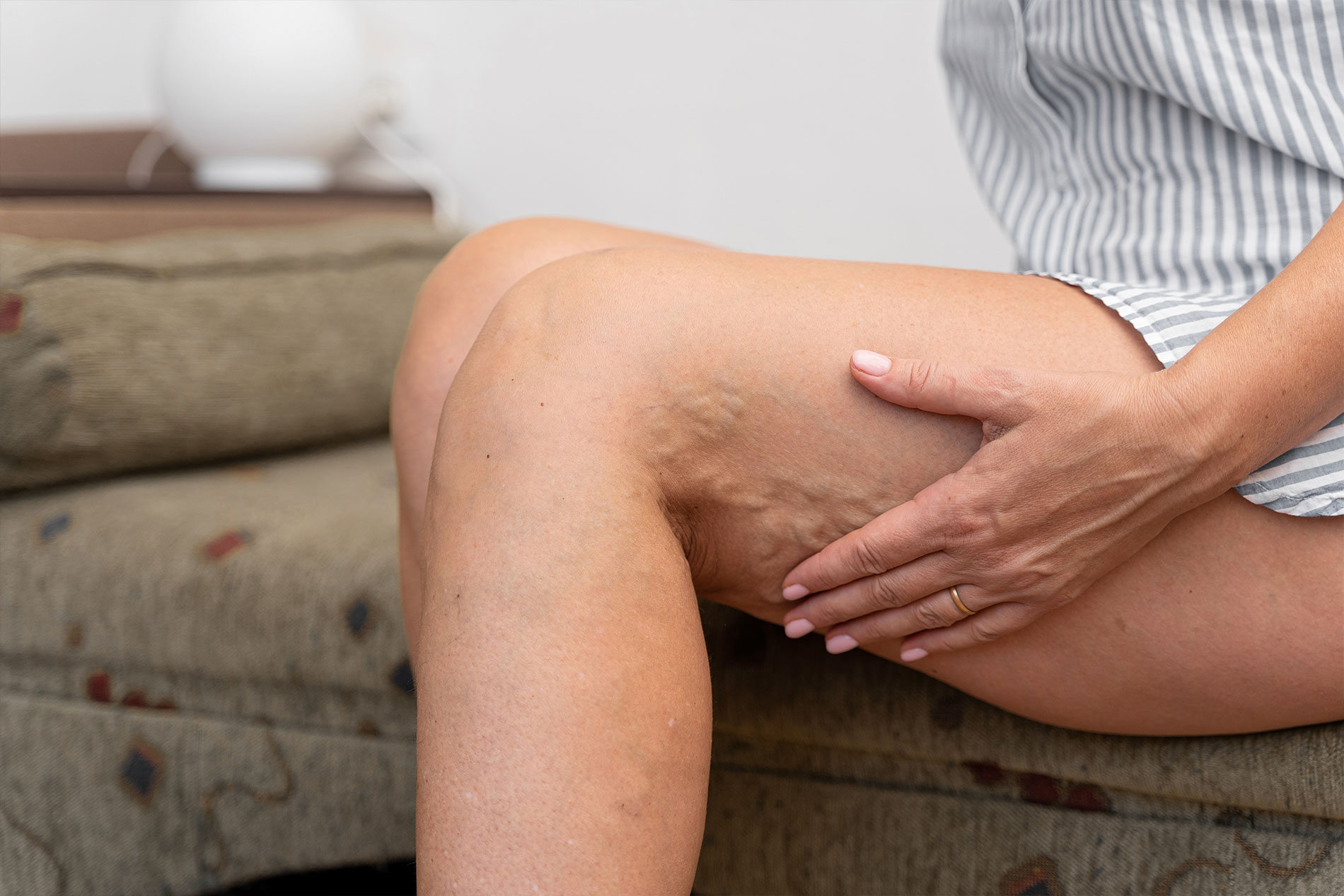
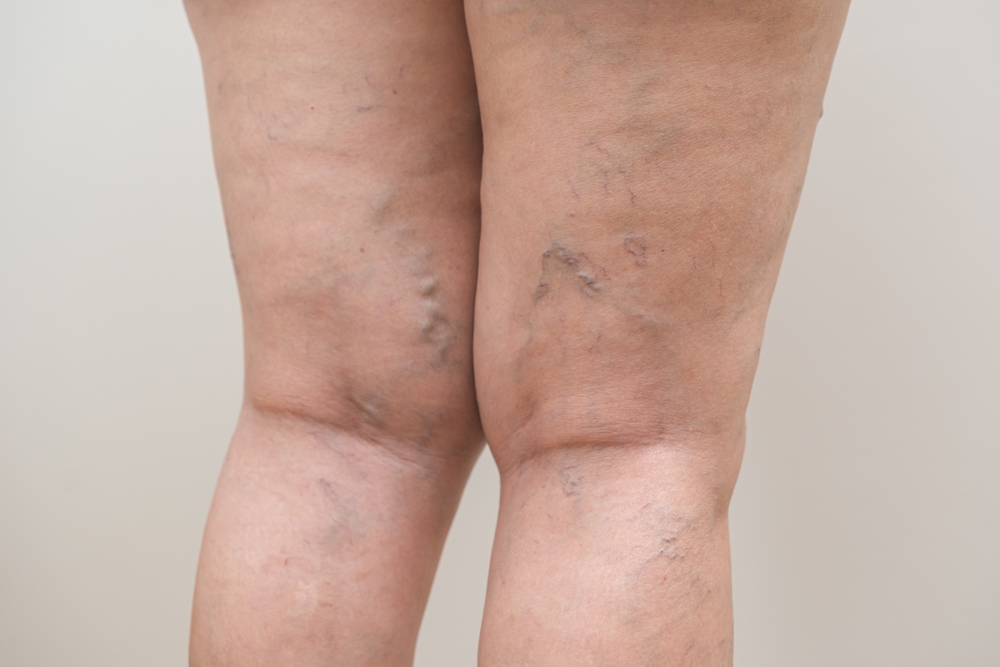
Varicose veins are notoriously deceptive. For many people, they begin as a minor cosmetic nuisance—a few blue lines here, a small bulge there. It is easy to dismiss them as a normal part of aging or the result of a job that keeps you on your feet. You might tell yourself, “They don’t hurt that much,” or “I’ll deal with them later.”
But vein disease is progressive. It does not pause, and it certainly does not reverse itself without medical intervention. What starts as a visual imperfection can slowly evolve into a serious medical condition known as Chronic Venous Insufficiency (CVI).
The changes can be subtle at first, creeping up over months or even years. You might adjust your lifestyle without realizing it—walking less, elevating your legs more, or avoiding certain clothes. However, recognizing the signs that your condition is advancing is critical. Ignoring worsening varicose veins can lead to irreversible skin damage, painful ulcers, and dangerous blood clots.
If you are wondering whether your condition has shifted from “annoying” to “medically significant,” this guide is for you. We will explore the clear indicators that your vein health is deteriorating and why finding a Manhattan vein clinic sooner rather than later is the best decision for your legs.
Understanding the Progression of Vein Disease
To understand why varicose veins get worse, you have to understand the mechanics behind them. Your veins have a difficult job: they must push blood against gravity from your feet back up to your heart. They rely on tiny, one-way valves to prevent the blood from falling back down.
When these valves fail, blood leaks backward (reflux) and pools in the leg veins. This increases the pressure within the vein, causing it to stretch and bulge. This high pressure—venous hypertension—is the engine that drives the disease.
Over time, this sustained pressure damages not just the veins, but the surrounding tissues. It causes inflammation, fluid leakage, and poor oxygenation of the skin and muscles. The signs of worsening disease are essentially the visible results of this chronic, high-pressure environment taking its toll on your body.
If you are already searching for a Vein specialist near me, you likely suspect that something has changed. Here are the key signs to watch for.
Sign #1: Increased Swelling (Edema)
In the early stages of vein disease, you might notice a little puffiness around your ankles after a long flight or a hot day. This is normal for many people. However, as vein disease progresses, swelling becomes more consistent and more severe.
From Occasional to Chronic
If your varicose veins are worsening, the swelling won’t just be an occasional annoyance; it becomes a daily reality. You might wake up with normal-looking ankles, but by 5:00 PM, your socks leave deep indentations in your skin, or you can’t see your ankle bones at all.
This happens because the high pressure in the veins forces fluid out of the blood vessels and into the surrounding tissue. This fluid buildup, called edema, is a classic sign that your venous system is overwhelmed.
Unilateral Swelling
Pay attention to whether one leg is swelling significantly more than the other. While vein disease can affect both legs, it often progresses unevenly. If one leg is suddenly much larger than the other, this could also be a sign of a blockage or a clot, requiring immediate attention from a Varicose vein doctor Manhattan.
Sign #2: Changes in Skin Color and Texture
One of the most alarming signs that your varicose veins are entering a more dangerous phase involves your skin. The skin is the barrier that protects us, but it relies on healthy circulation to stay strong. When blood pools in the legs, it creates a toxic environment for the skin cells.
Redness and Inflammation
You might notice patches of red, irritated skin around your ankles or shins. This is often misdiagnosed as dry skin or simple eczema. However, this is actually stasis dermatitis—inflammation caused by fluid buildup under the skin. No amount of moisturizer will fix it because the problem is vascular, not dermatological.
Hemosiderin Staining (Brown Discoloration)
As red blood cells leak out of the high-pressure veins, they break down in the tissue. One of the byproducts of this breakdown is iron (hemosiderin). This iron permanently stains the skin, leaving rusty-brown or reddish-brown patches, usually around the ankles and lower calves.
This discoloration is a major red flag. It indicates that the veins have been leaking for a long time and that the tissue is suffering. If you see brown stains appearing near your bulging veins, it is time to consult a Chronic vein condition specialist near me immediately.
Hardening of the Skin (Lipodermatosclerosis)
In advanced stages, the skin and the fat layer underneath begin to harden and scar. The skin may feel tight, woody, or leather-like. It can even shrink the lower leg, giving it the appearance of an inverted champagne bottle. This condition, lipodermatosclerosis, is painful and a precursor to ulceration.
Sign #3: Worsening Pain and Discomfort
Pain is subjective, which is why many patients tolerate it for so long. They think, “It’s just a little ache.” But as vein disease worsens, the nature and intensity of the pain often change.
From Aching to Throbbing
Early vein issues might cause a dull ache. Worsening disease often brings a heavy, throbbing sensation that feels like your legs are carrying lead weights. This vein pain is typically worse after standing still and improves when you elevate your legs.
The Itch That Won’t Go Away
Do you find yourself scratching your lower legs constantly? Venous eczema can cause intense itching directly over the varicose veins. This isn’t just dry skin; it is a sign of inflammatory markers building up in the stagnant blood. Scratching this fragile skin is dangerous because it can easily lead to bleeding or infection.
Night Cramps and Restless Legs
If your sleep is being disturbed by sudden, agonizing cramps in your calves (Charley horses) or an uncontrollable urge to move your legs (Restless Leg Syndrome), your vein health may be deteriorating. These symptoms are directly linked to the accumulation of metabolic waste products in the leg muscles due to poor circulation.
Sign #4: Bleeding from the Veins
Spontaneous bleeding is a frightening sign that your varicose veins have reached a critical point. Because these veins are dilated and sit right under the surface of the skin, the vessel walls are paper-thin.
As the pressure builds, the skin over the vein thins out. A minor trauma—bumping into a coffee table, shaving, or even vigorous scratching—can cause the vein to burst. Unlike a normal cut, a venous bleed is under high pressure, meaning it can bleed profusely and be difficult to stop.
If you experience spontaneous bleeding, this is a medical emergency. Apply pressure, elevate the leg, and seek help. Afterward, schedule an appointment with a Best vein doctor near me to treat the underlying vein so it doesn’t happen again.
Sign #5: Venous Leg Ulcers
The most severe complication of untreated vein disease is a venous stasis ulcer. These are open wounds that typically form on the inside of the ankle.
How They Form
Ulcers are the end result of all the changes listed above. The swelling, inflammation, and skin hardening eventually cause the skin to break down completely. Because the circulation is so poor, the tissue doesn’t get enough oxygen or nutrients to heal.
Characteristics
Venous ulcers are shallow, irregularly shaped, and often have a weeping discharge. They are painful and prone to infection. Once an ulcer forms, it is incredibly difficult to heal without correcting the underlying venous reflux.
If you have an open sore on your leg that hasn’t healed in two weeks, do not wait. You need specialized wound care and vein care treatment Manhattan. Visit our Services page to learn how we address these complex conditions.
Why You Shouldn’t Wait: The Risk of Blood Clots
Beyond the visible signs, worsening varicose veins increase your risk of blood clots. When blood pools and stops moving efficiently, it becomes sticky and prone to clotting.
Superficial Thrombophlebitis
This is a clot in a superficial vein (just under the skin). It feels like a hard, warm cord and is often red and tender. While usually not life-threatening, it is painful and a sign that your veins are failing.
Deep Vein Thrombosis (DVT)
This is the silent danger. Severe superficial vein disease is a risk factor for developing a clot in the deep veins. A DVT can break loose and travel to the lungs (Pulmonary Embolism), which can be fatal.
If you have sudden, severe swelling, heat, and deep pain in one leg, seek emergency care immediately.
What Causes Veins to Get Worse?
You might be wondering, “Why is this happening now?” Several factors can accelerate the progression of vein disease:
- Lifestyle Changes: Have you become more sedentary? Less movement means less pumping action from your calf muscles.
- Weight Gain: Extra weight puts extra pressure on the veins in your pelvis and legs.
- Hormonal Shifts: Menopause or hormone replacement therapy can weaken vein walls.
- Aging: The simple passage of time allows gravity to do more damage to already weakened valves.
- Pregnancy: Each pregnancy adds stress to the venous system, and the damage is cumulative.
Diagnosing the Severity
If you recognize any of these signs, the next step is not to panic, but to get a clear picture of what is happening inside your legs. You cannot judge the severity of vein disease just by looking at the surface.
At Fox Vein and Vascular, we use advanced diagnostic tools to map your venous system. The gold standard is the Duplex Ultrasound.
This non-invasive scan allows Dr. David Fox to:
- Visualize the anatomy of your veins.
- Measure the speed and direction of blood flow.
- Identify exactly which valves have failed.
- Check for the presence of clots.
This detailed map is essential for creating a treatment plan that addresses the root cause, not just the symptoms. You can learn more about our diagnostic approach on our Manhattan Vein Doctor page.
If you’re interested in understanding how advanced, targeted therapies are used to manage and treat worsening varicose veins, the varicose vein treatment page provides comprehensive information tailored to your needs.
Modern Treatment Options: Halting the Progression
The good news is that you can stop the progression of vein disease. Modern medicine offers minimally invasive solutions that close off the diseased veins, reroute the blood to healthy vessels, and relieve the pressure causing your symptoms.
When you visit a Manhattan vein clinic like Fox Vein and Vascular, you will find a range of treatments designed to get you back on your feet quickly.
Endovenous Laser Therapy (EVLT)
This is often the first line of defense for worsening varicose veins. A thin laser fiber is inserted into the refluxing vein. The laser energy seals the vein shut from the inside. This eliminates the “leak” that is causing the swelling and skin damage. It is performed under local anesthesia in the office, and you can walk immediately afterward.
Ultrasound-Guided Sclerotherapy
For veins that are twisted or deeper under the skin, we can use ultrasound to guide a needle precisely into the target vein. A foam medication is injected to collapse the vein. This is excellent for treating the “feeder” veins that contribute to skin discoloration and ulcers.
Ambulatory Phlebectomy
If you have large, bulging veins that are painful, they can be physically removed through tiny micro-incisions. This offers immediate relief from the physical bulk of the vein.
Read more about these procedures on our Manhattan Vein Treatment page.
Prevention: Slowing the Slide
While medical treatment is the only way to fix broken valves, you can take steps to slow the worsening of your symptoms while you await treatment or to protect your results afterward.
- Wear Compression Stockings: These apply graduated pressure to help squeeze fluid out of the legs and assist the veins in moving blood upward.
- Elevate Your Legs: Get your feet above heart level for 15-20 minutes a day to drain pooled blood.
- Keep Moving: Walking Flexes the calf pump. Avoid standing or sitting for hours without a break.
- Skin Care: Keep the skin on your legs moisturized to prevent cracking and infection, especially if you have stasis dermatitis.
Finding the Right Help
If your varicose veins are getting worse, you need more than a cosmetic quick fix. You need a medical specialist who understands the hemodynamics of the circulatory system.
Choosing a Vein specialist near me is a critical decision. You want a provider who is board-certified and experienced in vascular surgery, not just someone who dabbles in aesthetics.
Dr. David Fox brings over 20 years of experience to his practice. He understands that treating worsening vein disease requires a comprehensive strategy that prioritizes your long-term health. Whether you are dealing with cosmetic spider veins or complex ulcers, his goal is to restore healthy circulation and improve your quality of life.
Don’t let fear of surgery keep you away. The days of painful vein stripping are over. Today’s vein care treatment Manhattan is fast, effective, and requires little to no downtime.
Conclusion: Listen to Your Legs
Your body is talking to you. That increasing swelling, the deepening ache, and the changing skin color are all distress signals. They are telling you that your veins can no longer cope with the pressure.
Ignoring these signs won’t make them go away; it will only allow the damage to deepen. Worsening varicose veins are a medical condition, and they deserve medical attention.
By seeking help from a Best vein doctor near me now, you can prevent the complications of ulcers and clots later. You can reclaim legs that feel light, energetic, and pain-free.
Take the first step toward relief.
If you have noticed any of these warning signs, do not wait. Contact Fox Vein and Vascular today to schedule a consultation with a leading Manhattan vein clinic. Let us help you halt the progression of vein disease and get back to living your life without limits.
Leading Manhattan Vascular & Vein Specialist
At Fox Vein Care, we provide state-of-the-art vascular and venous treatments, combining advanced diagnostic technology with minimally invasive procedures that prioritize comfort, safety, and outstanding results.
Contact Us