When you notice new, unwelcome lines appearing on your legs, it’s easy to feel concerned. Are they spider veins? Varicose veins? What’s the difference, and should you be worried? While both conditions involve visible, damaged veins, they are not the same. Understanding the distinctions between spider veins and varicose veins is the first step toward seeking the right care and addressing any potential underlying health issues.
Many people use the terms interchangeably, but these two conditions differ significantly in their appearance, symptoms, and medical implications. Distinguishing between them can help you have a more informed conversation with a doctor and choose the best path forward. For anyone seeking clarity, a consultation at a Manhattan vein clinic can provide a definitive diagnosis and a personalized treatment plan. This guide will break down the key differences to help you identify what you might be seeing on your legs.
The Underlying Cause: A Shared Origin
Before diving into the differences, it’s important to understand what spider and varicose veins have in common. Both are typically caused by a condition known as Chronic Venous Insufficiency (CVI).
Your veins have the difficult task of carrying blood from your extremities back to your heart, working against gravity. To do this, they rely on a series of one-way valves that prevent blood from flowing backward. CVI occurs when these valves weaken or become damaged. This allows blood to leak backward and pool in the lower leg veins, a process called venous reflux. This pooling increases pressure within the veins (venous hypertension), causing them to stretch, swell, and become visible.
Think of it like a plumbing system with faulty check valves—the pressure builds up and affects different parts of the network. While the root cause is often the same, the type of “pipe” that is affected determines whether you see a spider vein or a varicose vein. For a detailed overview of spider veins and available treatments, visit Fox Vein Care’s spider vein treatment page.
Appearance: The Most Obvious Difference
The easiest way to start distinguishing between the two is by simply looking at them. Their size, color, and shape are distinctly different.
What Do Spider Veins Look Like?
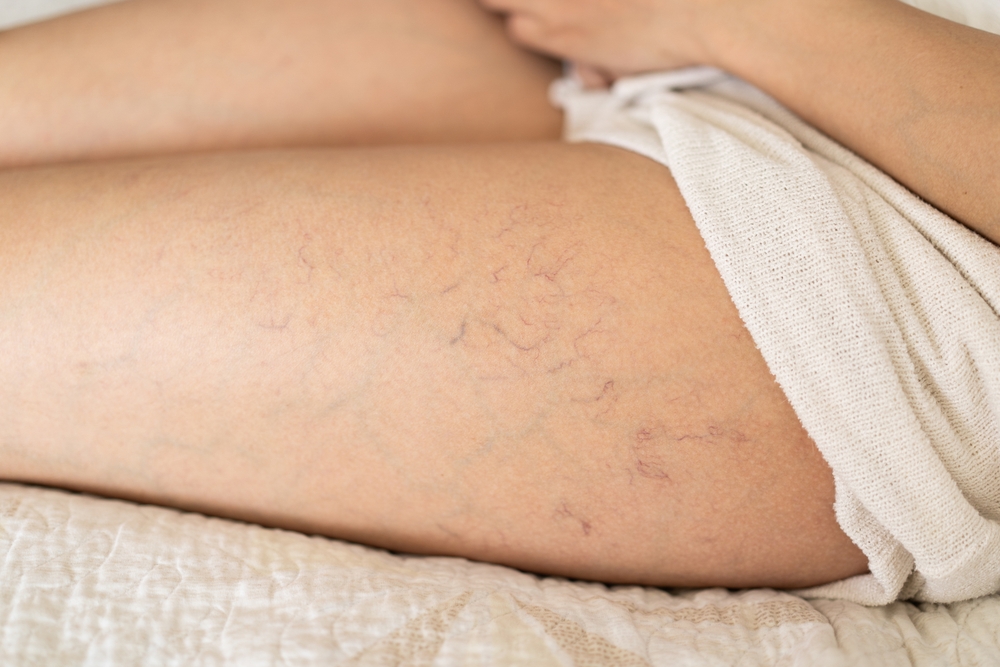
Spider veins, medically known as telangiectasias, are small, fine lines that lie flat against the skin. They don’t cause the skin to bulge out.
- Size: They are tiny, usually less than 1 millimeter in diameter.
- Color: They can be red, purple, or blue.
- Pattern: As their name suggests, they often appear in a web-like or sunburst pattern, branching out from a central point. They can also appear as a series of short, unconnected lines.
- Location: While they are very common on the legs (thighs, ankles, calves) and feet, they can also appear on the face, especially the cheeks and nose.
What Do Varicose Veins Look Like?
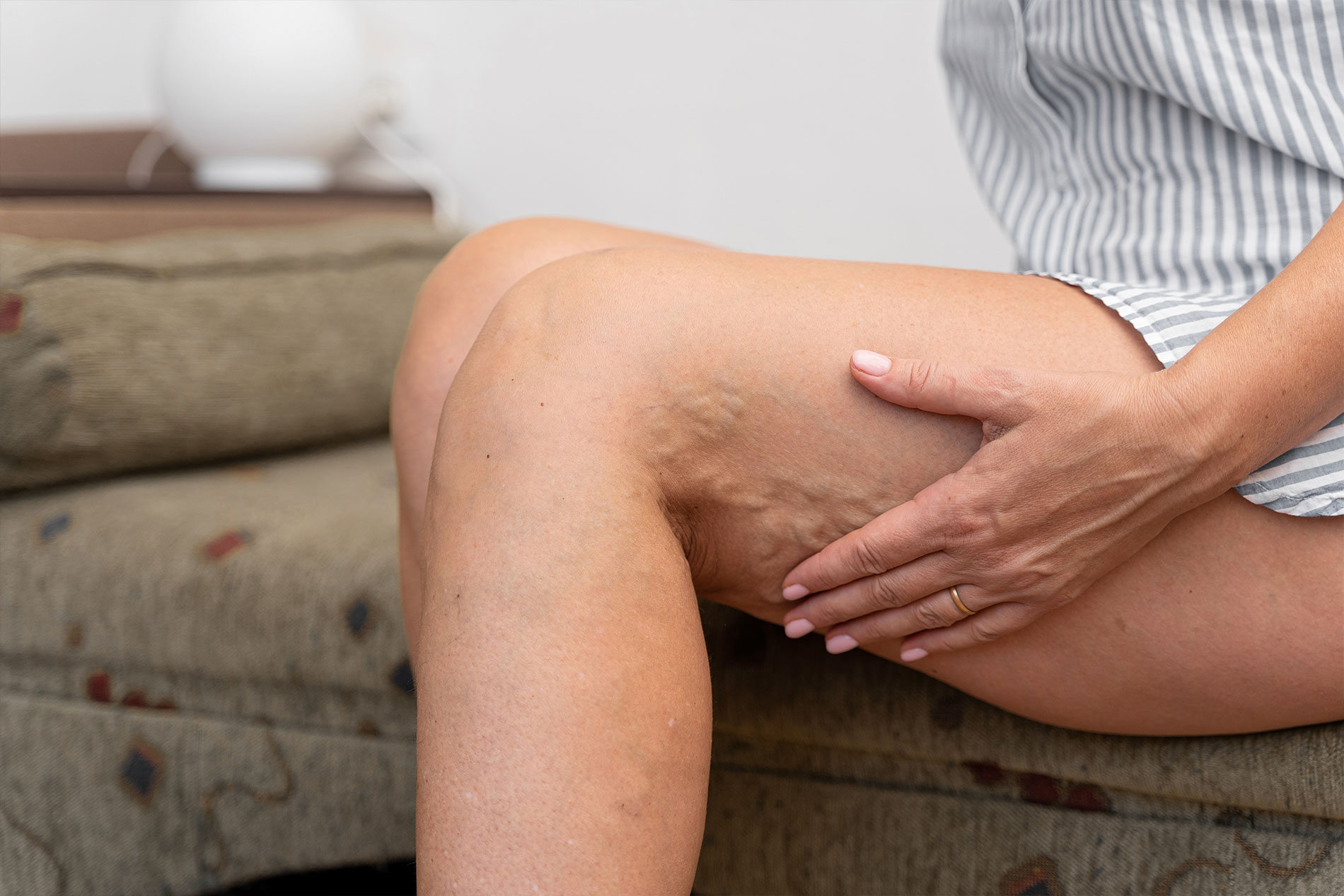
Varicose veins are much larger, more prominent, and have a three-dimensional quality. They are a clear sign of significant venous pressure affecting larger blood vessels.
- Size: They are much thicker than spider veins, typically measuring 3 millimeters or more in diameter.
- Color: They usually appear blue, dark purple, or sometimes skin-colored.
- Pattern and Texture: Varicose veins are characterized by their bulging, twisted, and rope-like appearance. You can often feel them as raised ridges on the skin. They are engorged and protrude, creating a lumpy texture. These are often referred to as bulging veins.
- Location: Varicose veins are almost exclusively found on the legs and feet, as these are the areas most affected by gravity and venous hypertension.
In short: If the vein is small, fine, and flat, it’s likely a spider vein. If it’s large, bulging, and twisted, it’s a varicose vein.
Symptoms: How They Make Your Legs Feel
Another major point of difference is the physical symptoms they cause. While there can be some overlap, varicose veins are far more likely to be associated with physical discomfort and pain.
Symptoms of Spider Veins
For many people, spider veins are entirely asymptomatic, meaning they cause no physical symptoms at all. The primary concern is their cosmetic appearance. However, some individuals with clusters of spider veins may experience localized symptoms, including:
- Itching: A mild to moderate itching sensation over the area.
- Burning: A slight burning or stinging feeling.
- Tingling: A tingling or pins-and-needles sensation.
These symptoms are usually mild and intermittent. Widespread or severe symptoms associated with spider veins often suggest that a deeper, underlying issue like CVI is present, which may also be causing unseen varicose veins. If your main concern is aesthetic, you can explore treatment options for spider veins with a specialist in Manhattan.
Symptoms of Varicose Veins
Varicose veins are much more likely to be symptomatic and are a stronger indicator of underlying Chronic Venous Insufficiency. The vein symptoms in legs associated with varicose veins are a direct result of blood pooling and inflammation. Common symptoms include:
- Pain and Aching: A persistent, dull ache or throbbing vein pain in the legs.
- Heaviness: A feeling that the legs are heavy, tired, or fatigued, especially at the end of the day or after long periods of standing.
- Swelling (Edema): Noticeable leg swelling and veins that are prominent, particularly in the ankles and lower legs. This swelling often subsides overnight and returns during the day.
- Muscle Cramps: Painful cramping, especially at night.
- Restless Legs: An uncomfortable, irresistible urge to move the legs, particularly when trying to rest.
- Itching and Skin Irritation: The skin over varicose veins can become dry, itchy, and irritated (stasis dermatitis).
These symptoms are often relieved by elevating the legs or wearing compression stockings, as both actions help to improve blood flow back to the heart. If you’re experiencing this kind of discomfort, seeking a diagnosis from a vein specialist in Manhattan is highly recommended.
Medical Implications: Cosmetic Concern vs. Medical Condition
The most critical distinction between spider veins and varicose veins lies in their medical significance. While both can be linked to CVI, varicose veins are considered a more advanced stage of the disease and carry a higher risk of complications.
Are Spider Veins Dangerous?
On their own, spider veins are not dangerous. They are damaged capillaries located just under the skin’s surface and do not pose a direct threat to your health. They are primarily a cosmetic issue.
However, as discussed, they can be an early warning sign of underlying venous insufficiency. If spider veins appear in large numbers, are accompanied by symptoms like pain or swelling, or continue to multiply, it’s a strong hint that there might be a “bigger vein problem” that needs to be addressed. Ignoring these signs could allow CVI to progress.
The Risks Associated with Varicose Veins
Varicose veins are a clear sign of moderate to severe venous insufficiency and should be taken more seriously. Because they involve larger veins and more significant blood pooling, they can lead to several medical complications if left untreated:
- Superficial Thrombophlebitis: This is a condition where a blood clot forms in a varicose vein close to the skin’s surface. The area becomes red, warm, tender, and very painful. While not as dangerous as a deep vein clot, it requires medical attention.
- Spontaneous Bleeding: The skin over a varicose vein can become thin and fragile. A minor bump or scratch can cause the vein to rupture and bleed significantly.
- Skin Changes (Lipodermatosclerosis): Chronic venous hypertension from untreated varicose veins can cause severe inflammation in the skin and underlying fat tissue. The skin on the lower leg can become hard, tight, darkened, and painful.
- Venous Ulcers: This is the most severe complication. The poor circulation and high pressure can cause the skin to break down, forming an open sore called a venous ulcer. These ulcers are most common near the inner ankle, are extremely slow to heal, and are prone to infection. They require specialized wound care from a medical professional.
- Deep Vein Thrombosis (DVT): While less common, individuals with severe varicose veins have a higher risk of developing a blood clot in the deep veins of the leg. DVT is a serious medical emergency because the clot can break loose and travel to the lungs, causing a life-threatening pulmonary embolism.
Because of these potential complications, varicose veins are considered a medical condition that warrants professional evaluation and treatment, not just a cosmetic problem.
Who Is at Risk?
The risk factors for developing both spider and varicose veins are largely the same, as they stem from the same underlying venous weakness. Understanding these can help you take preventative measures.
- Heredity: The single most significant risk factor. If your parents had vein problems, you are much more likely to develop them.
- Age: The natural wear and tear on vein valves over time increases risk as you get older.
- Gender: Women are more prone to both conditions due to hormonal fluctuations from puberty, pregnancy, and menopause, as well as the use of hormonal birth control.
- Pregnancy: Increased blood volume, hormonal changes, and the pressure of the uterus on pelvic veins make pregnancy a major trigger.
- Obesity: Excess weight puts added pressure on your leg veins.
- Prolonged Standing or Sitting: Lifestyles or jobs that involve long periods of immobility hinder blood flow from the legs.
Diagnosis: Getting a Definitive Answer
While you can make an educated guess based on appearance and symptoms, the only way to get a definitive diagnosis and understand the full extent of your vein issues is to consult a specialist. A varicose vein doctor in Manhattan will perform a comprehensive evaluation.
This evaluation typically includes:
- A Physical Exam: The doctor will examine your legs visually while you are standing to identify any visible spider veins or varicose veins.
- A Review of Your Symptoms: You will discuss any pain, swelling, aching, or other symptoms you are experiencing.
- A Duplex Ultrasound: This is the most crucial diagnostic tool. It is a painless, non-invasive test that uses sound waves to create a map of your veins. It allows the specialist to see the structure of your veins, check for faulty valves, and actually visualize blood flowing in the wrong direction (venous reflux).
The ultrasound provides a complete picture of your venous health, confirming whether you have CVI and identifying which specific veins are causing the problem. This information is essential for creating an effective treatment plan.
Treatment Options: Different Problems, Different Solutions
Because spider veins and varicose veins are different in scale, their treatments are also different. Modern vein care treatment in Manhattan offers minimally invasive, highly effective options for both. You can learn more about their approach to spider vein treatment by visiting the Spider Veins Treatment page.
Treating Spider Veins
Treatment for spider veins is focused on closing off the small, visible vessels for cosmetic improvement.
- Sclerotherapy: This is the gold standard. A specialist injects a medicated solution (sclerosant) into the spider veins. The solution irritates the vein lining, causing it to collapse and seal shut. The body then gradually absorbs the vein, and it fades from view. Several sessions are often needed for the best results. Learn more about sclerotherapy and other options on our Spider Veins Treatment page.
- Transdermal Laser Therapy: A laser is used to send bursts of light energy through the skin to the vein. The heat from the laser damages the vein, causing it to coagulate and be absorbed by the body. This is often used for very tiny veins that are difficult to inject.
Treating Varicose Veins
Treatment for varicose veins is more medically focused. The goal is to close the underlying diseased vein that is the source of the venous hypertension. This not only improves the appearance of the bulging veins but also relieves the associated symptoms and prevents future complications.
- Endovenous Laser Therapy (EVLT) or Radiofrequency Ablation (RFA): These are the most common and effective treatments. A thin fiber is inserted into the diseased vein (often the great saphenous vein). Laser or radiofrequency energy is then used to heat the inside of the vein, causing it to collapse and seal shut. Blood is automatically rerouted to healthy veins.
- Ambulatory Phlebectomy: This procedure is used to remove large, bulging surface varicose veins. The specialist makes tiny incisions in the skin and removes the vein in sections using a small hook. It is often performed alongside EVLT or RFA for the best cosmetic result.
- Sclerotherapy for Varicose Veins: In some cases, a special type of foam sclerotherapy can be used to treat larger varicose veins.
Often, a combination of treatments is used. For example, a patient might have EVLT to close a main faulty vein, followed by phlebectomy to remove the large bulges, and finally, sclerotherapy to clear up any remaining spider veins.
Summary Table: Spider Veins vs. Varicose Veins at a Glance
| Feature | Spider Veins | Varicose Veins |
| Appearance | Small, fine red, blue, or purple lines; flat | Large, bulging, twisted, rope-like; blue or dark purple |
| Size | Less than 1mm in diameter | 3mm or more in diameter |
| Texture | Smooth, not raised from the skin | Raised, lumpy, and can be felt under the skin |
| Symptoms | Often none; can cause mild itching or burning | Often painful; cause aching, heaviness, swelling, cramping |
| Medical Risk | Primarily cosmetic; can be a sign of CVI | Medical condition; risk of blood clots, ulcers, bleeding |
| Primary Treatment | Sclerotherapy, transdermal laser | Endovenous Ablation (EVLT/RFA), Ambulatory Phlebectomy |
While spider veins and varicose veins may look different, they are two sides of the same coin—venous insufficiency. Spider veins are the small, surface-level result, while varicose veins represent a more significant, deeper problem. Paying attention to how your legs look and feel is key. If you see fine, web-like lines with no discomfort, you are likely dealing with cosmetic spider veins. If you see large, bulging ropes accompanied by pain, swelling, or heaviness, you have varicose veins that require medical attention.
Regardless of what you see, if you are concerned about the veins on your legs, the best action is to schedule a consultation. A visit to a trusted Manhattan vein clinic can provide peace of mind, an accurate diagnosis, and a clear path toward healthier, more comfortable, and better-looking legs.
Leading Manhattan Vascular & Vein Specialist
At Fox Vein Care, we provide state-of-the-art vascular and venous treatments, combining advanced diagnostic technology with minimally invasive procedures that prioritize comfort, safety, and outstanding results.
Contact Us