The appearance of spider veins on the legs is a common experience, leading many to wonder about their options. These fine, web-like patterns of red, blue, or purple veins can be a source of self-consciousness, but are they something that requires medical attention? For those looking to learn more about modern solutions for spider veins, exploring treatment options with a qualified specialist can be a helpful first step. Deciding whether to pursue treatment is a personal choice that involves weighing cosmetic goals, physical symptoms, and potential underlying health factors.
The recommendation for spider vein treatment isn’t a one-size-fits-all answer. For some, the decision is purely aesthetic, driven by a desire for clearer-looking skin. For others, it’s a necessary step to alleviate discomfort or address a more significant circulatory issue. Understanding the different scenarios where treatment is advised can help you make an informed decision about your health and well-being. This guide will explore the key reasons to consider seeking professional vein care treatment in Manhattan and what to expect from the process.
The Three Primary Reasons for Seeking Treatment
The decision to treat spider veins typically falls into one of three main categories: for cosmetic improvement, for the relief of physical symptoms, or as a medically necessary intervention to address an underlying vein disease. Let’s explore each of these motivations in detail.
1. For Cosmetic Improvement: Restoring Confidence in Your Appearance
This is, by far, the most common reason people seek treatment for their spider veins. In many cases, these tiny veins are completely asymptomatic—they cause no pain, swelling, or physical discomfort. Their impact is purely visual.
- Psychological and Social Impact: Feeling self-conscious about the appearance of your legs can have a real impact on your quality of life. You might find yourself avoiding certain clothing, like shorts, skirts, or swimsuits. You may feel hesitant to participate in activities like going to the beach or the gym. This desire to hide your legs can affect your confidence and limit your freedom.
- A Simple, Effective Solution: For those whose primary concern is aesthetic, the good news is that modern treatments are incredibly effective at erasing these unwanted marks. Procedures like sclerotherapy and laser therapy are designed to make spider veins fade away, restoring a clearer, more even skin tone.
- When is Cosmetic Treatment Recommended? Treatment is recommended whenever you feel that the appearance of your spider veins is negatively affecting your confidence and lifestyle. There is no medical “requirement” in this case; the choice is entirely yours. If you are bothered by how your legs look and want to feel more comfortable in your own skin, then seeking a cosmetic consultation with a specialist is a perfectly valid and common reason for treatment.
It’s important to note that treatments performed solely for cosmetic reasons are typically not covered by insurance. However, the boost in self-esteem and the freedom to wear what you want is, for many, a worthwhile investment in their well-being.
2. For Symptom Relief: When Spider Veins Cause Discomfort
While often painless, spider veins can sometimes cause a range of uncomfortable physical symptoms, especially when they appear in large, dense clusters. These symptoms may be mild, but they can be persistent and disruptive to your daily life.
Common symptoms associated with spider veins include:
- Localized Itching: A persistent and sometimes intense itching sensation directly over the veins.
- Burning or Stinging: A sharp, burning feeling in the area where spider veins are present.
- Aching or Heaviness: Even without the presence of larger varicose veins, extensive spider veins can be associated with a general feeling of achiness or heaviness in the legs, particularly at the end of the day.
- Tenderness: The skin over the spider veins may feel tender to the touch.
When is Symptomatic Treatment Recommended? If your spider veins are causing you any level of physical discomfort, treatment is recommended. You don’t have to live with itching, burning, or aching. Addressing the problematic veins can provide significant relief from these irritating symptoms. When you discuss your case with a vein specialist, be sure to mention any and all physical sensations you are experiencing. The presence of symptoms elevates the issue from a purely cosmetic one to a quality-of-life concern. In some cases, if symptoms are well-documented, insurance may offer coverage for treatment, even for spider veins.
3. For Medical Reasons: Addressing Underlying Venous Insufficiency
This is the most critical reason for seeking treatment. Sometimes, spider veins are not just a surface-level issue; they are the tip of the iceberg, signaling a deeper problem known as Chronic Venous Insufficiency (CVI).
CVI is a progressive medical condition where the one-way valves inside your larger, deeper veins fail to close properly. This allows blood to flow backward and pool in your legs, increasing the pressure in the entire venous system. This high pressure, or venous hypertension, is what causes both spider veins and their larger cousins, varicose veins.
Your spider veins could be a sign of CVI if they are accompanied by other, more serious symptoms:
- Significant Leg Swelling (Edema): Your ankles and lower legs are noticeably swollen, especially in the evening.
- Persistent Aching and Pain: Your legs feel heavy, tired, and painful, and the feeling is only relieved by elevating them.
- The Presence of Varicose Veins: You have large, bulging, rope-like veins in addition to your spider veins.
- Skin Changes: The skin around your ankles is becoming discolored (turning reddish-brown), leathery, or dry and irritated.
- Leg Cramps and Restless Legs: You experience frequent muscle cramps at night or an uncontrollable urge to move your legs when at rest.
When is Medically Necessary Treatment Recommended? If you have spider veins along with any of the symptoms of CVI listed above, treatment is not just recommended—it is medically necessary. In this scenario, the goal of treatment is not just to get rid of the visible spider veins. The primary objective is to treat the underlying venous insufficiency to alleviate your symptoms, improve your overall circulatory health, and prevent the disease from progressing to more severe complications like skin breakdown and venous ulcers.
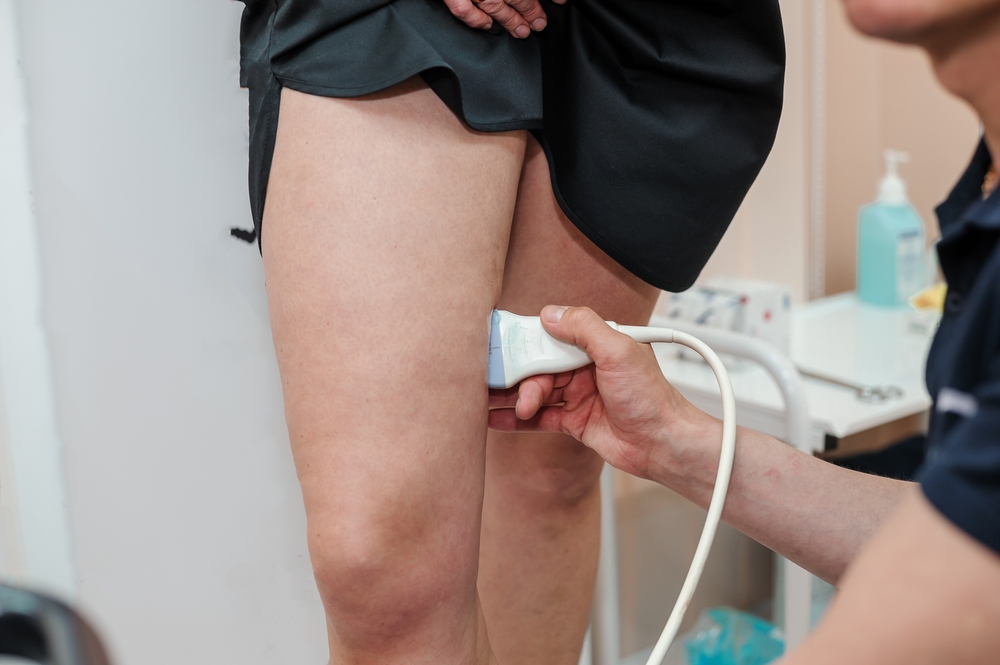
If you suspect you may have CVI, it is crucial to find the best vein doctor near me for a proper diagnosis. A specialist will perform a Duplex ultrasound to map the blood flow in your legs and confirm the presence of venous reflux. Based on this exam, they will create a comprehensive treatment plan that addresses the root cause of the problem.
The Diagnostic Process: Getting a Clear Recommendation
Before any treatment is recommended, a reputable vein specialist will conduct a thorough evaluation. This process is essential for understanding the nature of your vein issues and determining the most appropriate course of action.
Step 1: Initial Consultation and Physical Exam
Your first visit will involve a detailed conversation with the specialist. They will ask about:
- Your primary concerns (cosmetic, symptomatic, or both).
- Any symptoms you are experiencing, their severity, and when they occur.
- Your personal and family medical history, including any history of vein problems.
- Your lifestyle, including your occupation and activity level.
The doctor will then perform a physical examination of your legs, looking for the location and extent of your spider veins, as well as any signs of varicose veins, swelling, or skin changes.
Step 2: The Duplex Ultrasound Exam
If CVI is suspected based on your symptoms or physical exam, the next step is a Duplex ultrasound. This is the gold standard for diagnosing vein disease and is a critical part of determining if treatment is medically necessary.
- How it Works: This painless, non-invasive test uses sound waves to create a live image of your veins and blood flow. A technologist will apply gel to your leg and use a handheld transducer to scan the deep and superficial veins.
- What it Shows: The ultrasound can pinpoint exactly which valves are faulty and measure the amount of blood flowing backward (venous reflux). It provides a detailed “map” of your venous system, identifying the underlying source of the problem.
Step 3: A Personalized Treatment Recommendation
Based on the combined findings from your consultation and ultrasound, the specialist will provide a clear and personalized recommendation.
- If your veins are purely cosmetic: The doctor will confirm that there is no underlying medical issue and discuss your cosmetic treatment options, such as sclerotherapy. They will explain the procedure, the expected results, and the costs involved.
- If you have symptomatic spider veins without major CVI: The recommendation will be to treat the symptomatic veins to improve your quality of life. Sclerotherapy is often the recommended course of action.
- If CVI is diagnosed: The specialist will recommend a comprehensive treatment plan. This plan will first focus on closing the deeper, diseased veins that are the source of the problem (using procedures like EVLT or RFA). Afterward, they will address the visible spider veins on the surface. This approach ensures a lasting solution by fixing the problem at its root.
Questions about your treatment options? Dr. Fox can help.
Book a ConsultationModern, Minimally Invasive Treatment Options
Once treatment is recommended, you will find that modern solutions are a world away from the painful vein stripping surgeries of the past. Today’s procedures are minimally invasive, performed in-office, and require little to no downtime. If you’re looking for vein treatment near me, these are the state-of-the-art options a specialist will likely discuss.
To learn more about available options for spider vein treatment in Manhattan, visit our dedicated service page.
Sclerotherapy: The Gold Standard for Spider Veins
Sclerotherapy is the most common and effective treatment for spider veins and small varicose veins.
- The Procedure: A vein specialist uses a micro-needle to inject a medicated solution, called a sclerosant, directly into the targeted spider veins. This solution irritates the inner lining of the vein, causing it to collapse and seal shut.
- The Results: Over the next several weeks, the body’s natural healing process absorbs the collapsed vein, and it fades from view.
- What to Expect: The procedure is very quick, usually taking 15 to 30 minutes. Most patients report only a mild, temporary stinging or burning sensation. Multiple sessions, spaced 4-6 weeks apart, are typically needed to achieve the desired level of clearance.
Transdermal Laser Therapy
For very fine, superficial spider veins that may be too small to inject, transdermal laser therapy is an excellent alternative or complementary treatment.
- The Procedure: A specialized medical laser delivers focused pulses of light energy through the skin to the targeted vein. The pigment in the blood absorbs the light, which converts to heat. This heat coagulates the blood and damages the vessel wall, causing the vein to close.
- The Results: Like with sclerotherapy, the body absorbs the treated vein over time, and it disappears.
- What to Expect: Patients often describe the sensation as a small rubber band snapping against the skin. No needles or incisions are involved. Several sessions are usually required.
Endovenous Ablation (for underlying CVI)
If your spider veins are determined to be a result of CVI, your treatment plan will start with addressing the deeper diseased vein.
- The Procedure: Endovenous Laser Therapy (EVLT) or Radiofrequency Ablation (RFA) are the leading treatments. Guided by ultrasound, the specialist inserts a thin fiber into the faulty vein. Laser or radiofrequency energy is then delivered through the fiber, which heats and seals the vein closed from the inside. Blood flow is naturally rerouted to healthy veins.
- The Results: This procedure closes the source of the venous pressure, which alleviates symptoms like pain and swelling and prevents the condition from worsening. It creates a healthy foundation for subsequent cosmetic treatment of the surface spider veins.
- What to Expect: This is a minimally invasive, in-office procedure performed with local anesthesia. Patients can walk immediately afterward and typically return to normal activities the next day.
So, When Should You See a Doctor?
To summarize, it is recommended you schedule a consultation for your spider veins if:
- You are unhappy with their appearance: Your confidence is affected, and you want to explore cosmetic solutions.
- They are causing physical symptoms: You are experiencing any itching, burning, aching, or tenderness.
- You have signs of a bigger problem: You notice leg swelling, varicose veins, skin discoloration, or experience significant leg pain and heaviness.
Ultimately, the decision to seek treatment is a proactive step toward better health and improved quality of life. Whether your motivation is cosmetic, symptomatic, or medical, a consultation with a qualified specialist is the best way to get answers. A thorough evaluation at a leading clinic for vein care treatment in Manhattan will provide you with a clear diagnosis and a personalized recommendation, empowering you to choose the best path forward for your legs and your health.