Peripheral Arterial Disease (PAD) often begins quietly. You might dismiss the initial fatigue in your legs as a sign of getting older or being out of shape. That slight cramping during a brisk walk might seem like a simple muscle pull. However, PAD is a progressive condition, and these subtle hints are the early whispers of a problem that can grow much louder and more dangerous over time. Understanding the signs of its progression is not just helpful—it’s critical for protecting your health and mobility.
PAD occurs when atherosclerotic plaque builds up in the arteries that supply blood to your limbs, most commonly the legs. As this narrowing worsens, blood flow decreases, starving muscles and tissues of the oxygen they need to function and heal. While early-stage PAD is manageable, advanced PAD can lead to severe pain, non-healing wounds, and even amputation. Recognizing the shift from mild discomfort to more serious symptoms is your first line of defense.
At Fox Vein and Vascular, under the guidance of Dr. Fox, a board-certified vascular surgeon, we empower patients to understand their condition. This guide will walk you through the distinct stages of PAD, from the earliest warning signs to the critical symptoms that demand immediate medical attention. Knowing these signs can help you seek timely PAD diagnosis and Peripheral Arterial Disease treatment, preserving not just your limb, but your quality of life.
The Spectrum of PAD: From Silent to Severe
PAD doesn’t develop overnight. It progresses through stages, each with its own set of symptoms. The severity of these symptoms directly correlates with how much blood flow is being blocked. Many people have no symptoms in the beginning, a stage known as asymptomatic PAD. However, as the blockages worsen, the body sends clearer and more urgent signals that something is wrong. Let’s break down the progression.
Stage 1: The Early, Often-Missed Signs of Mild PAD
In its mildest form, PAD can be deceptive. The symptoms are often intermittent and easily attributed to other causes. This is why paying close attention to your body’s new patterns is so important.
Leg Fatigue and Heaviness
One of the first things people notice is a general sense of fatigue or heaviness in their leg muscles, particularly in the calves and thighs. This isn’t the normal tiredness you feel after a strenuous workout. It’s a persistent, draining sensation that can make walking feel like a chore. You might find yourself needing to take breaks more often or feeling that your legs are “weighed down” by invisible weights. This is a direct result of your muscles not getting enough oxygen to meet the demands of physical activity.
Claudication: The Classic Symptom
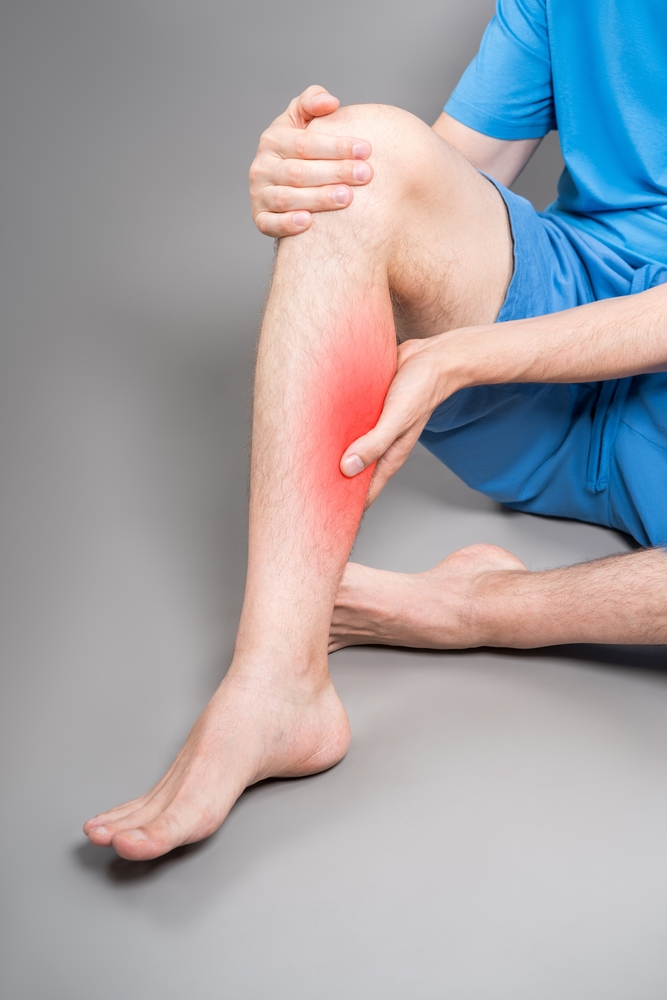
The most classic symptom of early to moderate PAD is claudication. This term describes a specific pattern of muscle pain or cramping that occurs with activity and is relieved by rest.
- What it feels like: Claudication can manifest as a dull ache, a sharp cramp, or a tired, burning sensation in your calves, thighs, or buttocks.
- The pattern: The pain reliably starts after a certain amount of walking or climbing stairs and disappears within a few minutes of stopping. You can walk, the pain starts; you rest, the pain stops. This on/off pattern is the hallmark of claudication.
- Why it happens: When you walk, your leg muscles need more oxygen-rich blood. Blocked arteries can’t deliver it fast enough, causing a buildup of lactic acid and other metabolic byproducts that trigger pain signals. When you rest, the muscles’ oxygen demand drops, and the limited blood flow can catch up, resolving the pain.
Many people mistake claudication for arthritis or normal aging, but it is a clear indicator of poor blood flow in legs. If you experience this predictable pattern of leg pain when walking, it’s a sign you need a vascular evaluation.
Other Subtle Changes
You might also notice:
- Slower Walking Pace: You unconsciously slow down to avoid triggering leg pain.
- Numbness or Tingling: Occasional numbness in your lower legs or feet.
- Cold Feet: One foot might feel noticeably colder than the other, a sign of reduced circulation to that limb.
At this stage, a PAD specialist can often manage the condition with lifestyle changes and medication. The key is to get a diagnosis before the disease progresses further.
Stage 2: Moderate PAD and Its Impact on Daily Life
As atherosclerosis advances, the arterial blockages become more significant. Blood flow is reduced even further, and the symptoms of PAD become more pronounced and intrusive, starting to affect your daily life and mobility.
Worsening Claudication
The most obvious change is in your claudication distance—the distance you can walk before pain forces you to stop.
- Shorter Distances: Where you once could walk several blocks, you may now only manage half a block or even just the length of a grocery store aisle.
- Increased Pain Intensity: The cramping becomes more severe and takes longer to go away after you rest.
- Pain with Less Effort: Activities that were previously painless, like walking around the house, may now trigger discomfort.
This shrinking walking distance is a major red flag. It indicates that your muscles are becoming increasingly starved of oxygen, a clear sign your PAD has progressed.
Changes in Skin and Hair
The skin is the largest organ in the body and a visible indicator of your circulatory health. When blood flow is poor, the skin on your legs and feet will show it.
- Thin, Shiny Skin: The skin on your shins and feet may appear stretched, shiny, and thin.
- Hair Loss: You may notice that the hair on your legs and toes stops growing or falls out. This occurs because the hair follicles are not receiving enough blood to sustain growth.
- Slow-Growing, Brittle Toenails: Your toenails may become thick, yellowed, and grow very slowly.
These are not just cosmetic issues; they are external signs of a serious internal problem with your leg circulation.
Stage 3: Severe PAD and Critical Limb Ischemia (CLI)
When PAD progresses to its most advanced stage, it is no longer just a matter of discomfort or inconvenience—it becomes a limb-threatening and life-altering condition. This stage is known as Critical Limb Ischemia (CLI). CLI occurs when the blood flow is so severely restricted that the tissues cannot survive, even when you are at rest. This is a vascular emergency.
The transition from moderate PAD to CLI is marked by a dramatic shift in symptoms.
Ischemic Rest Pain
This is the defining symptom of CLI and a sign that your PAD has become very serious.
- What it is: Unlike claudication, which occurs with activity, ischemic rest pain happens when you are not moving at all, typically at night when you are lying in bed.
- The experience: Patients often describe it as a severe, persistent burning, aching, or numbness in the toes and the ball of the foot. The pain can be excruciating, often waking people from sleep.
- Why it happens at night: When you lie flat, gravity no longer helps pull blood down into your lower legs and feet. The already compromised circulation is not enough to meet the tissues’ basic metabolic needs, leading to pain. Many people find temporary relief by dangling their foot over the side of the bed, allowing gravity to assist blood flow.
Ischemic rest pain is a desperate cry for help from your tissues. It is a clear warning that tissue death is imminent if blood flow is not restored quickly.
Non-Healing Wounds and Ulcers
In the CLI stage, the skin becomes incredibly fragile. A minor injury that would normally heal in a few days—like a small cut, a blister from a shoe, or even a scratch—can fail to heal and instead develop into an open sore called an ulcer.
- Appearance: These arterial ulcers often appear on the toes, heels, or bony prominences of the foot. They typically look “punched out,” with a pale, gray, or black base, and may or may not be painful (if nerve damage is also present).
- Location: The location of a toe ulcer, foot ulcer, or leg ulcer can give a vascular surgeon in Manhattan clues about which artery is blocked.
- Why they don’t heal: Healing requires oxygen and nutrients, both of which are delivered by blood. With blocked leg arteries, the wound site is starved of these essential building blocks, making it impossible for the body to repair itself. This is especially dangerous for patients with diabetes, who may also have neuropathy (nerve damage) and not feel the initial injury, leading to a diabetic foot ulcer/wound.
A non-healing wound/ulcer of toe, leg, foot in the setting of PAD is a direct path to infection and amputation if not treated urgently.
Gangrene: The Final Stage
If CLI is left untreated, the tissue will begin to die. This is called gangrene.
- What it looks like: The skin in the affected area (usually the toes or foot) will turn dark blue, purple, or black. It becomes dry and shriveled. This is known as dry gangrene. If the area becomes infected, it can lead to wet gangrene, which involves swelling, blisters, and a foul-smelling discharge.
- The risk: Gangrene is irreversible tissue death. It can spread, leading to a systemic infection (sepsis) and is a direct precursor to amputation. The primary goal of treatment at this stage is to save as much of the limb as possible and prevent life-threatening infection.
Recognizing the shift from claudication to rest pain, or noticing a small sore that won’t heal, is your signal to seek immediate help. The progression from rest pain to gangrene can be shockingly rapid.
Why You Cannot Afford to Ignore Worsening PAD
Ignoring the signs of progressive PAD has devastating consequences.
- Increased Risk of Amputation: Each year, thousands of amputations are performed due to complications of PAD. The vast majority of these could have been prevented with timely diagnosis and treatment.
- Systemic Cardiovascular Risk: PAD is rarely an isolated problem. The atherosclerosis that blocks your leg arteries is also present in the arteries of your heart and brain. People with PAD have a significantly higher risk of heart attack and stroke.
- Loss of Independence: Severe leg pain and non-healing wounds rob you of your mobility and independence. Simple activities become monumental challenges, drastically reducing your quality of life.
Questions about your treatment options? Dr. Fox can help.
Book a ConsultationThis article is part of our Leg Symptom Guide.
Diagnosis and Treatment: The Path to Limb Preservation
If you are experiencing any of these advanced symptoms, hope is not lost. Modern vascular care has revolutionized Peripheral Artery Disease treatment. At Fox Vein and Vascular, we specialize in amputation prevention through state-of-the-art diagnostics and minimally invasive procedures.
Advanced Diagnosis at Our Vascular Lab
Accurate diagnosis is the foundation of effective treatment. Our in-office vascular lab Manhattan facility provides a comprehensive workup.
- Ankle-Brachial Index (ABI): A quick, painless test that compares blood pressure in your arms and ankles to assess circulation.
- Duplex Ultrasound: This is a crucial tool that uses sound waves to create real-time images of your arteries. It allows Dr. Fox to see the blood flow, pinpoint blockages, and assess the severity of the plaque without any radiation.
- Advanced Arterial Imaging: For complex cases requiring a detailed roadmap for a procedure, we use CT Angiography (CTA) or MR Angiography (MRA). These scans provide a 3D view of your entire leg’s circulation, allowing for precise planning of minimally invasive treatments for PAD.
Minimally Invasive Treatment Options
The days when major bypass surgery was the only option are long gone. Dr. Fox vascular specialist in New York City focuses on endovascular (catheter-based) techniques that are performed through a tiny puncture in the skin, often in an outpatient setting.
- Angioplasty: A small balloon is guided to the blockage and inflated, pushing the plaque against the artery wall and reopening the vessel.
- Atherectomy: A specialized atherectomy procedure uses a tiny rotating blade or laser to physically remove the plaque from the artery, which is especially useful for hard, calcified blockages.
- Stenting: After an artery is opened, a small metal mesh tube called a stent may be placed inside to act as a scaffold, keeping the artery open long-term.
These procedures are designed to restore direct blood flow to the affected tissues immediately. Patients often experience relief from rest pain almost instantly, and restoring circulation is the first and most critical step in healing a leg ulcer or foot wound.
Taking Control of Your Vascular Health
While a vascular specialist can open blocked arteries, long-term success depends on managing the underlying risk factors for peripheral artery disease.
- Quit Smoking: This is the single most important action you can take. Smoking dramatically accelerates atherosclerosis.
- Manage Diabetes: High blood sugar damages artery walls. Aggressive diabetes control is essential.
- Control Blood Pressure and Cholesterol: These conditions contribute directly to plaque buildup.
- Stay Active: A supervised walking program can help build new, smaller blood vessels (collaterals) that bypass blockages.
At Fox Vein and Vascular, we provide comprehensive care that extends beyond the procedure. We offer guidance on lifestyle changes and work with your other doctors to ensure all aspects of your vascular health are addressed. We serve patients from across the region, including the 5 Boroughs, Nassau, Suffolk, South Western Ct., and North East NJ.
Interestingly, the principles of treating arterial blockages in the legs are expanding to other areas. For instance, Genicular Artery Embolization (GAE) is an innovative GAE knee pain treatment for knee osteoarthritis. It involves blocking tiny arteries that cause inflammation, reducing pain. This highlights the versatility of vascular expertise.
Don’t Wait for the Signs to Get Worse
PAD is a serious disease, but it is treatable. The key is to listen to your body and act on its warnings. Leg pain that limits your walking is not normal. Rest pain is an emergency. A wound that won’t heal is a sign that your limb is in jeopardy.
If you recognize any of the signs of progressing PAD in yourself or a loved one, the time to act is now. Early and expert intervention is the best way to prevent the most devastating consequences of this disease.
Schedule your consultation with Dr. Fox at Fox Vein and Vascular to have your circulation assessed.
Fox Vein and Vascular – Manhattan, NY
📞 (212) 362-3470
🌐 foxvein.com
📍 1041 Third Avenue, New York, NY 10065