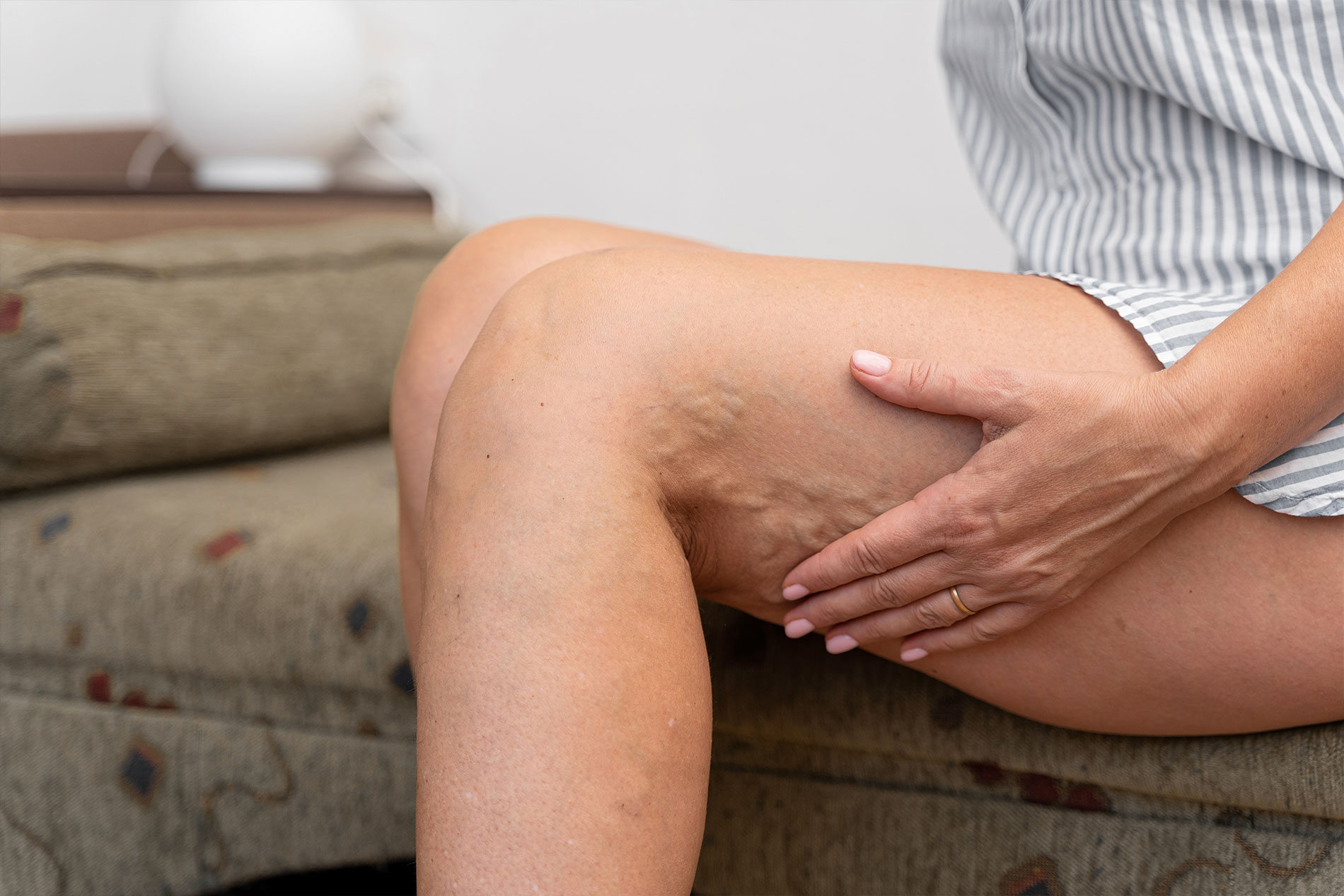
Many people dismiss tired, achy legs as a normal consequence of a busy day or the natural process of aging. It’s easy to overlook subtle changes, assuming they are just minor discomforts that will pass. However, these seemingly insignificant symptoms can be the first whispers of a more serious underlying issue: chronic vein disease. Recognizing the early signs is the most powerful step you can take toward preventing long-term complications and maintaining your leg health.
Chronic vein disease, also known as chronic venous insufficiency (CVI), is a progressive condition affecting the circulation in your legs. It occurs when the tiny valves inside your veins weaken and fail to pump blood back to the heart efficiently. This guide is designed to illuminate the early warnings your body might be sending you. We will explore the subtle vein symptoms in legs that often go unnoticed, explain the mechanics behind them, and highlight why seeking an early diagnosis from the best vein doctor near me can make all the difference in your long-term health and well-being.
Understanding the Foundation of Vein Disease
To appreciate the early signs of vein disease, it’s essential to understand how your leg veins are supposed to work. Your veins have the challenging job of carrying deoxygenated blood from your extremities back to your heart, working directly against gravity. This upward journey is powered by a two-part system: the calf muscle pump and a series of one-way venous valves.
When you walk, your calf muscles contract, squeezing the deep veins and propelling blood upward. To prevent this blood from flowing back down, tiny flaps of tissue inside the veins, called valves, open to let blood pass through and then snap shut. This ensures a steady, one-way flow back to the heart.
Chronic vein disease begins when these valves become damaged or weakened. They no longer close tightly, allowing blood to leak backward and pool in the lower legs—a condition called venous reflux. This pooling increases the pressure within the veins (venous hypertension), which is the root cause of nearly all the symptoms associated with vein disease.
Subtle Early Signs You Might Be Ignoring
The onset of chronic vein disease is often gradual. The initial symptoms are frequently mild and easy to rationalize away. However, paying attention to these early indicators is crucial for proactive management. If you experience any of the following, it might be time to consult a specialist in chronic vein conditions in Manhattan for a thorough evaluation.
1. A Persistent Feeling of Leg Heaviness or Fatigue
One of the most common yet overlooked early symptoms is a sensation of heavy, tired, or “leaden” legs. This feeling typically worsens as the day progresses, especially if you spend long hours standing or sitting. You might find that your legs feel sluggish and require more effort to move, even when you haven’t engaged in strenuous physical activity.
Why it happens: The heaviness is a direct result of blood pooling in your lower legs. The stalled blood increases the volume and pressure within the veins, making your legs feel weighted down. This sensation often subsides with rest or leg elevation because gravity is no longer hindering blood flow, allowing the pooled blood to circulate back toward the heart more easily. For more details on symptoms like these, visit the Manhattan vein treatment resource page.
2. Dull Aching, Throbbing, or Cramping
Do you experience a dull, persistent ache in your legs that you can’t quite pinpoint? Or perhaps you’re waking up at night with painful leg cramps? This type of discomfort is a classic early sign of venous insufficiency. The pain is often described as a deep ache or a throbbing sensation rather than a sharp, acute pain.
Why it happens: Venous hypertension causes the veins to become distended and inflamed. This inflammation, combined with the pressure from pooled blood, irritates surrounding tissues and nerve endings, leading to feelings of pain and cramping. Like leg heaviness, this discomfort tends to intensify after long periods of inactivity (either standing or sitting) and improve with elevation or walking, which activates the calf muscle pump.
3. Minor Swelling in the Ankles and Feet
Have you noticed that your socks leave deep indentations around your ankles at the end of the day? Or maybe your shoes feel tighter in the evening than they did in the morning? This subtle swelling, known as edema, is a tell-tale sign of developing vein disease.
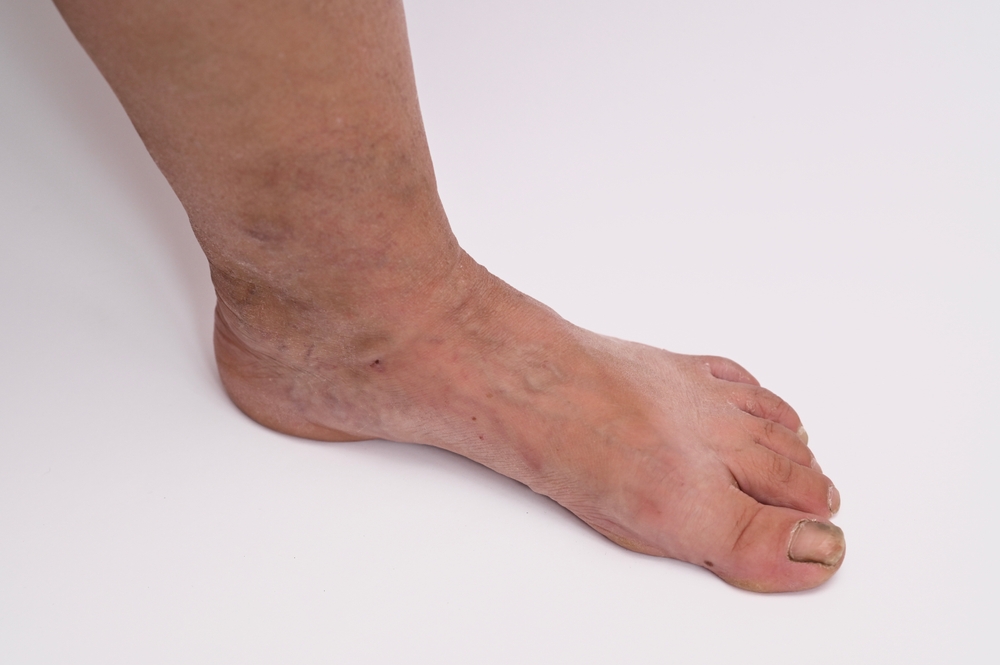
Why it happens: The sustained high pressure inside the leg veins can force tiny amounts of fluid to leak out of the capillaries and into the surrounding tissues. In the early stages, this leg swelling and veins issue is often mild and may only be noticeable after a long day on your feet. It usually resolves overnight after you’ve been lying down for several hours. However, as the condition progresses, the swelling can become more persistent and noticeable throughout the day.
4. Itching or a Tingling Sensation
An unexplained itch, tingling, or “pins-and-needles” sensation on your lower legs, particularly around the ankles, can be an early symptom of vein disease. This is often mistaken for dry skin or an allergic reaction.
Why it happens: The inflammation caused by venous congestion can irritate the superficial nerve endings in the skin, leading to itching (pruritus). Additionally, the buildup of metabolic waste products in the stagnant blood can contribute to this irritating sensation. This symptom is sometimes referred to as stasis dermatitis in its early form. To learn more about these early symptoms, check out our chronic vein conditions page.
5. Restless Legs Syndrome
The uncontrollable urge to move your legs, especially when you are at rest or trying to sleep, is known as Restless Legs Syndrome (RLS). While RLS can have several causes, there is a strong correlation between its symptoms and underlying chronic vein disease. Many patients who experience RLS find significant relief after their venous insufficiency is treated.
Why it happens: The exact link is still being studied, but it is believed that the discomfort from blood pooling and the buildup of waste products in the leg tissues trigger the unpleasant sensations and the overwhelming urge to move the legs to find relief.
6. The Appearance of Spider Veins
Spider veins, or telangiectasias, are small, web-like clusters of red, blue, or purple veins that appear on the skin’s surface. Many people consider them to be purely a cosmetic concern, but they can be an outward sign of deeper venous problems.
Why it happens: While spider veins can occur on their own, they often develop as a result of increased pressure from larger, unseen “feeder” veins located deeper beneath the skin. The pressure from venous reflux in these larger veins can cause the tiny surface capillaries to dilate and become visible. Therefore, the appearance of new or spreading spider veins can indicate that venous pressure is building, signaling the early stages of a chronic vein condition.
Why These Early Symptoms Progress
Chronic vein disease is, by its nature, progressive. If the underlying cause—venous reflux—is not addressed, the symptoms will inevitably worsen over time. The constant pressure takes a cumulative toll on your vascular system and the surrounding tissues.
From Subtle Signs to Visible Problems
What begins as a mild ache or slight evening swelling will slowly evolve. Here is how the progression typically unfolds:
- Development of Varicose Veins: The persistent high pressure stretches the vein walls, causing them to twist, lengthen, and bulge. This leads to the formation of bulging veins, or varicose veins, which are not just a cosmetic issue but a clear sign of significant venous reflux.
- Worsening Pain and Swelling: The occasional ache can become a constant, debilitating pain. The swelling that once resolved overnight may become permanent, making it difficult to fit into shoes and increasing the risk of skin breakdown.
- Skin Discoloration: As venous hypertension continues, red blood cells are forced out of the engorged capillaries and into the skin tissue. As these blood cells break down, the iron pigment (hemosiderin) they contain is deposited in the skin, causing a permanent brownish or reddish-rust discoloration around the ankles. This is known as stasis pigmentation.
- Skin Thickening and Hardening (Lipodermatosclerosis): Chronic inflammation can lead to changes in the texture of the skin and the underlying fatty tissue. The skin on the lower leg can become hard, leathery, and painful to the touch. This makes the leg more susceptible to injury.
- Venous Ulcers: This is the most advanced stage of chronic vein disease. The poor circulation and fragile, nutrient-deprived skin can lead to the formation of an open sore, or ulcer, typically around the inner ankle. Venous ulcers are notoriously difficult to heal, prone to infection, and can severely impact a person’s quality of life.
The Critical Importance of Early Diagnosis
Ignoring the early signs of vein disease is a gamble with your long-term health and mobility. Seeking a diagnosis when symptoms are still mild offers several significant advantages.
- Slowing or Halting Progression: Early intervention can correct the underlying venous reflux before it has a chance to cause irreversible damage to your veins and skin. Treating chronic vein conditions at their source can prevent the development of varicose veins, skin discoloration, and venous ulcers.
- Simpler, Less Invasive Treatments: When caught early, vein disease can often be managed effectively with conservative measures like compression stockings, lifestyle changes, or simpler, office-based procedures. Treating more advanced stages may require more complex interventions. To learn more about available treatment options, visit the Manhattan Vein Treatment page.
- Improved Quality of Life: Why live with discomfort? Early treatment resolves symptoms like pain, heaviness, and swelling, allowing you to get back to your daily activities without being held back by leg fatigue and pain. Find additional resources about symptom relief and vein care treatment in Manhattan.
- Accurate Diagnosis of the Root Cause: Leg pain and swelling can stem from various medical issues, including arterial disease, heart problems, or orthopedic conditions. A thorough evaluation by a vein specialist in Manhattan will provide a definitive diagnosis. A key tool in this process is the duplex ultrasound, a non-invasive scan that maps your veins, visualizes blood flow, and precisely identifies any faulty valves. This ensures that the treatment you receive is targeted to the correct problem.
Taking the First Step: When to See a Doctor
If any of the early vein symptoms in legs described in this article sound familiar, it is time to schedule a consultation. You should consider seeing a vein specialist if:
- You experience regular leg pain, aching, or cramping, especially at the end of the day.
- Your legs frequently feel heavy or fatigued for no apparent reason.
- You have noticeable swelling in your ankles or lower legs.
- You have visible spider veins or small varicose veins.
- You have a family history of varicose veins or vein disease.
- Your lifestyle involves long periods of standing or sitting.
Choosing the right specialist is key. Look for a board-certified vascular surgeon or a physician whose practice is exclusively dedicated to treating venous disorders. A search for the “best vein doctor near me” should lead you to professionals with extensive experience in modern, minimally invasive vein treatments. These specialists are equipped to provide a comprehensive diagnosis and a personalized treatment plan tailored to your specific needs. They can offer a full range of solutions, from conservative management to advanced procedures like endovenous laser therapy (EVLT) and sclerotherapy.
Don’t wait for your symptoms to become severe. Listening to your body’s early warnings is the best defense against the progression of chronic vein conditions. By taking proactive steps today, you can protect your leg health for years to come and continue to live an active, pain-free life.
Leading Manhattan Vascular & Vein Specialist
At Fox Vein Care, we provide state-of-the-art vascular and venous treatments, combining advanced diagnostic technology with minimally invasive procedures that prioritize comfort, safety, and outstanding results.
Contact Us