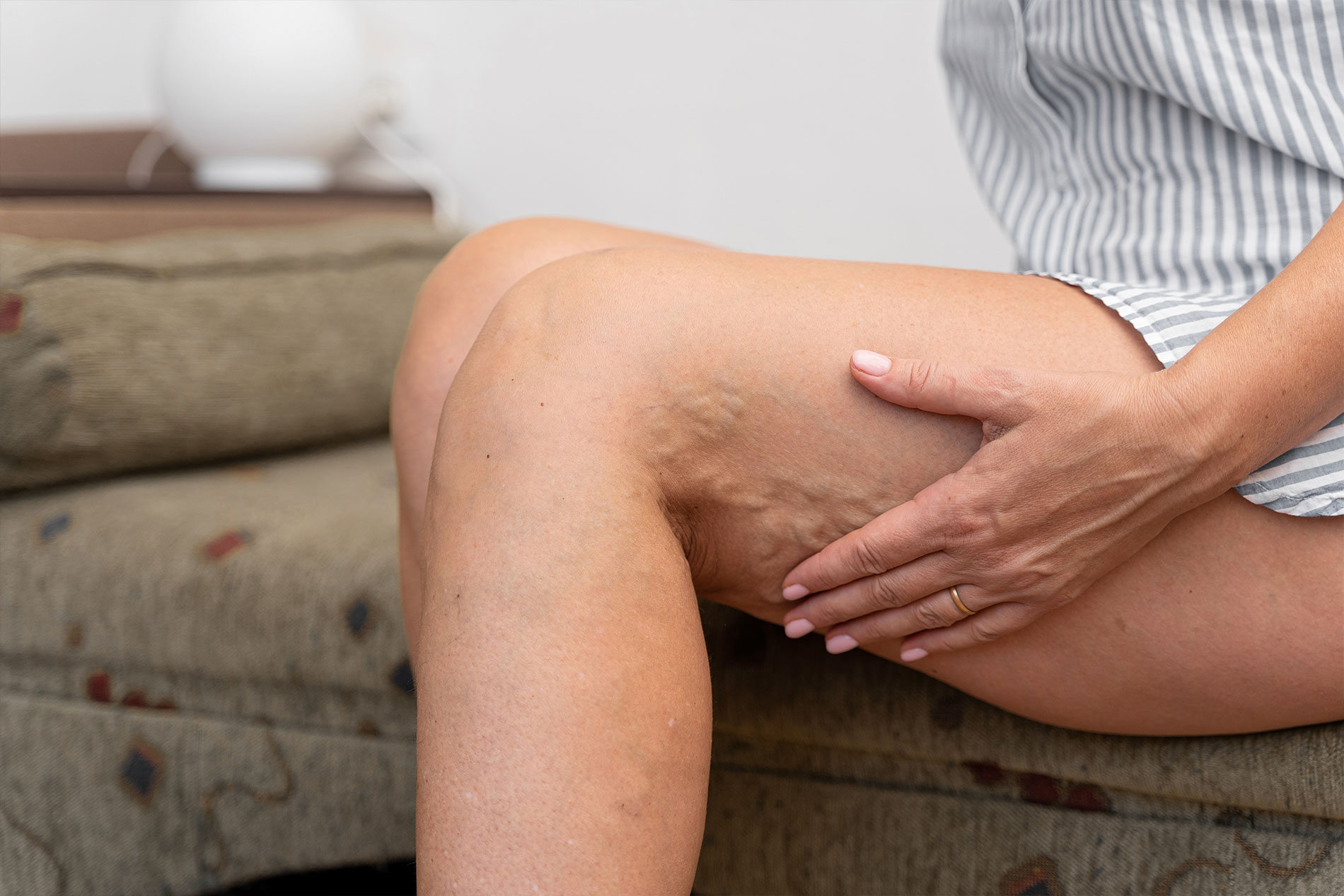
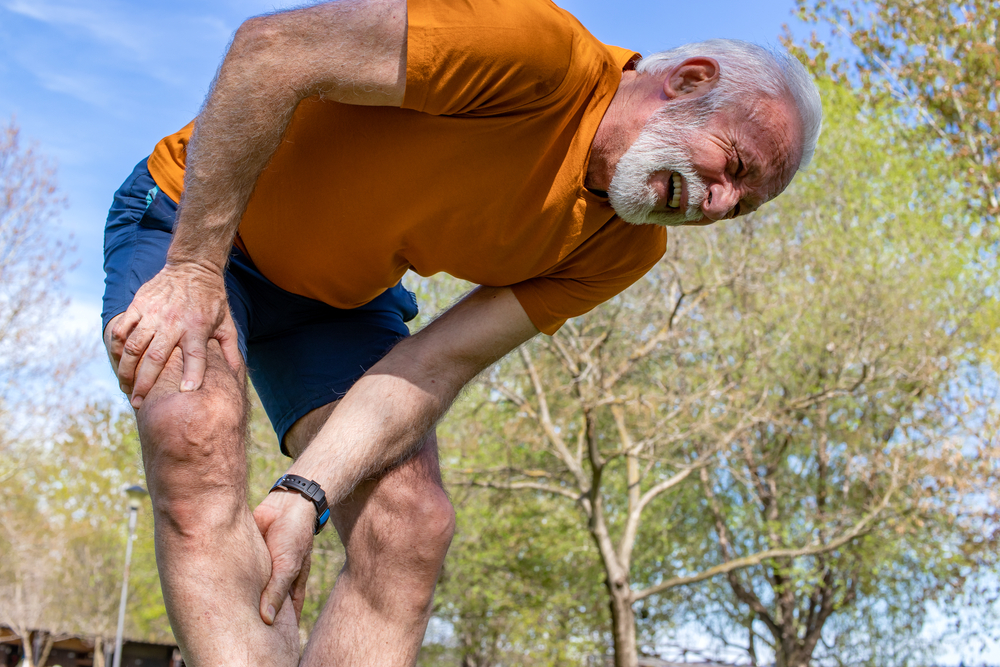
Leg pain is an incredibly common ailment, affecting people of all ages and lifestyles. It can range from a dull, persistent ache to a sharp, debilitating sensation. When your legs hurt, it’s natural to assume you’ve pulled a muscle or that it’s just a sign of getting older. However, the source of leg pain can be complex, and attributing it to the wrong cause can lead to ineffective treatments and prolonged discomfort. A significant, yet often overlooked, cause of chronic leg pain is underlying vein disease.
Distinguishing between musculoskeletal pain and vein pain is crucial for finding the right solution. Is the ache in your leg a simple muscle strain, a problem with your joints, or a sign that your veins are struggling to circulate blood properly? This guide will provide a detailed comparison to help you understand the distinct characteristics of different types of leg pain. We will explore the tell-tale signs of venous issues, contrast them with muscular and nerve pain, and discuss why a correct diagnosis from a specialist is essential for effective relief.
Understanding the Different Sources of Leg Pain
Your legs are complex structures composed of bones, joints, muscles, ligaments, tendons, nerves, and blood vessels (arteries and veins). Pain can originate from any of these components, and each type of pain has a unique “signature” in terms of how it feels, when it occurs, and what makes it better or worse. (To learn more about chronic vein conditions, visit the chronic vein conditions specialist page for an in-depth explanation.) The three most common categories of leg pain are musculoskeletal, neurological, and vascular.
- Musculoskeletal Pain: This is pain originating from the muscles, bones, joints, ligaments, or tendons. It’s often caused by injury, overuse, or degenerative conditions like arthritis.
- Neurological (Nerve) Pain: This pain comes from damage or irritation to the nerves. A classic example is sciatica, where the sciatic nerve is compressed.
- Vascular Pain: This type of pain originates from the blood vessels. It can be arterial (related to poor blood flow to the legs) or venous (related to poor blood flow from the legs back to the heart). This article will focus primarily on venous pain.
Let’s break down the distinct characteristics of each to help you identify the potential source of your discomfort.
The Signature of Vein Pain: What It Feels Like
Vein pain, stemming from conditions like chronic venous insufficiency (CVI), has a very particular set of characteristics. CVI occurs when the one-way valves in your leg veins fail, allowing blood to flow backward and pool in your lower legs. This pooling, called venous reflux, leads to increased pressure in the veins (venous hypertension), which is the root cause of the pain and other symptoms.
Key Characteristics of Vein Pain:
- Type of Sensation: Vein pain is rarely a sharp, stabbing feeling. Instead, it is most often described as:
- A deep, dull ache or throb.
- A feeling of heaviness, as if your legs are weighted down.
- A sense of fatigue or tiredness in the legs.
- A feeling of fullness or pressure.
- Timing of the Pain: This is one of the biggest clues. Vein pain typically gets progressively worse as the day goes on.
- It is often mild or non-existent in the morning after you’ve been lying flat all night.
- It intensifies after long periods of standing or sitting, when gravity makes it harder for your veins to work.
- It is often at its worst in the evening.
- What Makes It Better (Alleviating Factors):
- Elevation: Propping your legs up, especially above the level of your heart, provides significant relief. This allows gravity to help drain the pooled blood from your legs, relieving the pressure.
- Walking or Light Exercise: Activating the calf muscles helps pump blood out of the legs, which can temporarily ease the aching and heaviness.
- What Makes It Worse (Aggravating Factors):
- Prolonged Standing: When you stand still for a long time, the calf muscle pump is inactive, leading to more blood pooling.
- Prolonged Sitting: Similar to standing, sitting for long periods (like at a desk or during travel) allows blood to stagnate.
- Heat: Warm temperatures, such as from hot baths or warm weather, can cause veins to dilate, which can worsen symptoms for some people.
Associated Symptoms of Venous Disease
Vein pain rarely exists in a vacuum. It is usually accompanied by other tell-tale signs of venous insufficiency. If you have leg pain along with any of the following, it’s highly likely that a vein issue is the culprit:
- Leg Swelling (Edema): The most common accompanying symptom is swelling in the ankles and lower legs. You might notice your socks leaving indentations or your shoes feeling tight by the end of the day. This is a direct result of leg swelling and veins leaking fluid into the surrounding tissues due to high pressure.
- Varicose Veins: The presence of large, bulging, twisted varicose veins is a clear external sign of underlying venous reflux and pressure.
- Spider Veins: While often cosmetic, clusters of new or spreading spider veins can also signal deeper venous issues.
- Skin Changes: In more advanced stages, you may notice discoloration (a brownish or reddish tint) around the ankles, or the skin may become dry, itchy, leathery, or fragile.
- Restless Legs and Night Cramps: Many people with vein disease experience an uncontrollable urge to move their legs at night or suffer from painful calf cramps during sleep.
It’s important not to ignore these symptoms. Early diagnosis and intervention can prevent your condition from progressing. For those seeking comprehensive treatment information or advanced care, visit our resource on chronic vein conditions to learn how a vein specialist can help you restore leg health and comfort.
Musculoskeletal Pain: A Different Kind of Ache
Musculoskeletal pain is what most people think of when they have leg pain. It’s caused by stress or injury to the muscles, bones, and joints.
Key Characteristics of Musculoskeletal Pain:
- Type of Sensation: This pain is often more localized and can be sharper than vein pain.
- Muscle Pain (Strain): Often feels like soreness, tightness, or a sharp pull. The pain is located within the muscle belly itself.
- Joint Pain (Arthritis): Typically a deep, grinding, or sharp pain located directly in a joint like the knee or hip. It can be associated with stiffness.
- Tendon/Ligament Pain (Tendonitis/Sprain): A sharp pain that occurs with specific movements that stress the injured tissue.
- Timing of the Pain: The timing is directly related to activity.
- It is often worst during or immediately after the activity that causes the stress (e.g., running, lifting).
- Pain from arthritis might be worst in the morning upon waking (stiffness) or after a period of inactivity, but it also flares up with use.
- What Makes It Better (Alleviating Factors):
- Rest: Unlike vein pain, which is relieved by light activity, musculoskeletal pain from an acute injury is almost always relieved by resting the affected area.
- Ice: Applying ice can reduce inflammation and numb the pain from an injury or arthritis flare-up.
- What Makes It Worse (Aggravating Factors):
- Movement: The pain is reliably reproduced by specific movements. For example, knee arthritis pain worsens when climbing stairs, and a hamstring strain hurts when you straighten your leg.
- Weight-Bearing: Pain from a joint issue or bone injury is typically most intense when you put weight on the leg.
The Knee Pain Puzzle: Orthopedic vs. Venous
Knee pain is a perfect example of how different conditions can cause similar symptoms. Many people who experience aching around the knee automatically assume it’s arthritis or an orthopedic issue. They might search for a “knee specialist near me” or an “orthopedic knee doctor near me” and be surprised when exams and imaging don’t show a clear orthopedic cause.
Orthopedic Knee Pain
This pain originates from the structures within the knee joint itself—cartilage, ligaments, or the bones.
- Feels like: Grinding, clicking, popping, or locking. The pain is sharp and localized to the joint line.
- Triggered by: Bending, squatting, twisting, or climbing stairs.
- Location: Directly in the knee joint (front, back, or sides).
Venous Knee Pain
This is referred pain from venous insufficiency. When blood pools in the veins around the knee, the resulting pressure and inflammation can cause discomfort that mimics an orthopedic problem.
- Feels like: A dull ache, heaviness, or a feeling of pressure around the knee rather than sharply inside it. The entire lower leg may also feel heavy.
- Triggered by: Prolonged standing or sitting. It’s not usually caused by a specific movement like bending.
- Relieved by: Elevating the leg—a key differentiator from most orthopedic pain.
If you have knee pain accompanied by swelling in your ankle, visible varicose veins on your leg, or a feeling of heaviness that gets worse throughout the day, it’s worth considering a venous evaluation. Treating the underlying vein issue can sometimes resolve knee pain that has not responded to traditional orthopedic treatments.
For patients seeking non-surgical knee pain relief, Genicular Artery Embolization (GAE) is one of the most advanced osteoarthritis treatments available today.
Neurological (Nerve) Pain: Sharp and Shooting
Nerve pain has a very distinct and unpleasant quality that sets it apart from both venous and muscular pain. It occurs when a nerve is compressed, irritated, or damaged.
Key Characteristics of Nerve Pain:
- Type of Sensation: Nerve pain is often described as:
- Burning or searing.
- Electric-shock-like or shooting.
- Tingling (pins and needles) or numbness.
- Path of the Pain: Unlike the diffuse ache of vein pain, nerve pain often follows a clear path along the distribution of the affected nerve. A classic example is sciatica, where pain radiates from the lower back, down the buttock, and into the leg and foot.
- Triggers: The pain can be triggered by certain postures or movements that compress the nerve, such as bending forward or sitting in a certain way.
- Associated Symptoms: Nerve pain is often accompanied by numbness, tingling, or muscle weakness in the area supplied by the nerve.
A Comparative Chart: Leg Pain vs. Vein Pain vs. Nerve Pain
| Feature | Vein Pain (Venous Insufficiency) | Musculoskeletal Pain (Muscle/Joint) | Neurological Pain (Nerve) |
| Sensation | Dull ache, throbbing, heaviness, pressure, fatigue | Soreness, sharp pull (muscle), grinding, sharp (joint) | Burning, shooting, electric shock, tingling, numbness |
| Location | Diffuse, often throughout the lower leg; can be around the knee | Localized to a specific muscle or joint | Follows a distinct nerve path (e.g., down the leg) |
| Worse with… | Prolonged standing or sitting, heat, end of the day | Specific movements, weight-bearing, activity | Certain positions, bending, twisting |
| Better with… | Leg elevation, walking, compression stockings | Rest, ice | Changing positions to relieve pressure on the nerve |
| Associated Signs | Swelling (edema), varicose veins, skin discoloration, itching | Swelling at the injury site, bruising, limited range of motion | Muscle weakness, numbness, loss of reflexes |
| Time of Day | Worsens as the day progresses; worst in the evening | Varies with activity; arthritis can be stiff in the morning | Can be constant or intermittent, often worse at night |
The Importance of a Professional Diagnosis
While this guide can help you identify the likely source of your pain, self-diagnosis is not a substitute for a professional medical evaluation. Leg pain can sometimes be a sign of a more serious condition, such as Deep Vein Thrombosis (DVT), which is a blood clot in a deep vein, or Peripheral Arterial Disease (PAD), which is a narrowing of the arteries.
If you suspect your leg pain might be venous, the best course of action is to consult a vein specialist. These doctors are experts in diagnosing and treating vascular conditions. For more details about chronic vein issues and to find the right care, visit the chronic vein conditions page at Fox Vein & Vascular. The diagnostic process is straightforward and non-invasive.
- Physical Exam and History: The specialist will discuss your symptoms in detail, including their nature, timing, and what makes them better or worse. They will also perform a physical examination of your legs, looking for visible signs like varicose veins, swelling, and skin changes.
- Duplex Ultrasound: This is the gold standard for diagnosing vein disease. This painless ultrasound scan allows the doctor to see the veins beneath your skin in real-time. A technician will use a small wand to visualize the veins and measure the direction of blood flow. This test can definitively confirm or rule out venous reflux, identify which specific valves have failed, and check for blood clots.
Based on these findings, the specialist can provide an accurate diagnosis and recommend a personalized treatment plan for your chronic vein conditions.
Modern vein treatments are minimally invasive, performed in an office setting, and require little to no downtime. Procedures like endovenous laser therapy (EVLT), radiofrequency ablation, and sclerotherapy work by closing the diseased, non-functional veins. Blood flow is naturally rerouted to healthy veins, which immediately resolves the venous hypertension and, with it, the pain, swelling, and other symptoms.
Don’t let leg pain dictate your life. By understanding the difference between vein pain and other types of discomfort, you can take the first step toward finding the right help. If your symptoms align with those of venous insufficiency—pain that worsens throughout the day, is relieved by elevation, and is accompanied by swelling or visible veins—it’s time to see a specialist. A proper diagnosis is the key to effective treatment and long-lasting relief.
Leading Manhattan Vascular & Vein Specialist
At Fox Vein Care, we provide state-of-the-art vascular and venous treatments, combining advanced diagnostic technology with minimally invasive procedures that prioritize comfort, safety, and outstanding results.
Contact Us