
Introduction
If you have ever looked down at your legs and noticed a web of blue, red, or purple lines spreading across your skin, you are not alone. Spider veins are a common concern for millions of adults. For many, they are simply an annoyance—a reason to avoid wearing shorts in the summer or to feel self-conscious at the beach. However, for others, these veins come with uncomfortable symptoms like aching, burning, or heaviness.
This brings up a critical question that patients often ask when visiting a Manhattan vein clinic: Is spider vein treatment purely cosmetic, or is it a medical necessity?
The answer is rarely black and white. While spider veins are often associated with aesthetic concerns, they can also be an early indicator of underlying venous insufficiency. Understanding the difference between a cosmetic fix and a medical intervention is crucial for determining insurance coverage, treatment options, and long-term vein health.
In this comprehensive guide, we will explore the dual nature of spider vein treatment. We will break down what spider veins are, why they form, and how a vein specialist near me can help you determine the right path forward. whether you are seeking relief from vein symptoms in legs or simply want to restore the appearance of your skin, understanding your condition is the first step toward healthier legs.
Understanding Spider Veins: More Than Just Skin Deep
What Are Spider Veins?
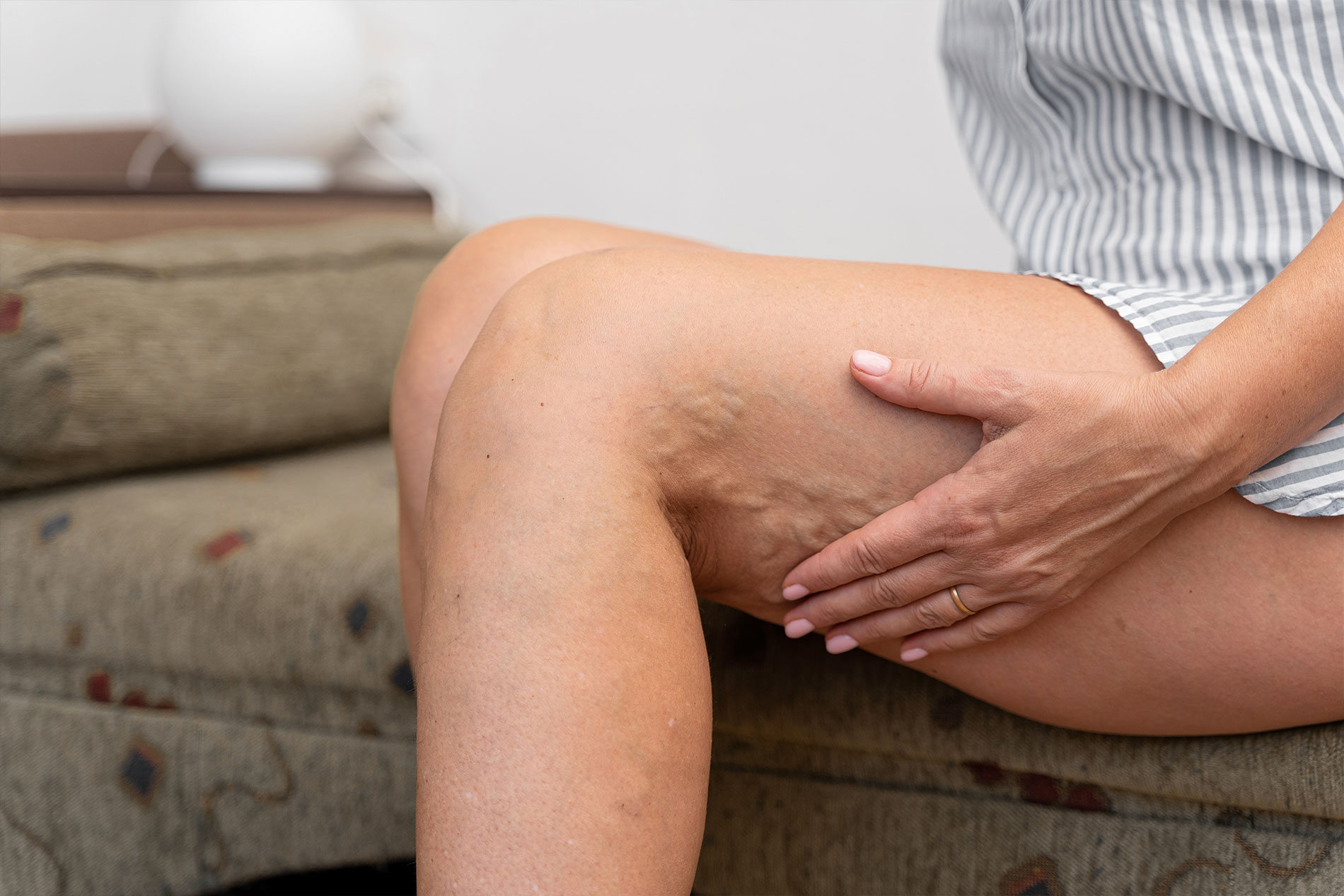
Spider veins, medically known as telangiectasias, are small, dilated blood vessels that appear near the surface of the skin. They often look like tree branches or spider webs—hence the name—and can be red, blue, or purple. While they are most commonly found on the legs and face, they can appear anywhere on the body.
Unlike their larger counterparts, varicose veins, spider veins are usually flush with the skin rather than bulging. They are caused by structural abnormalities of blood vessels. Veins have one-way valves that keep blood flowing toward the heart. If these valves become weak or damaged, blood can flow backward and pool in the vein, causing it to stretch and become visible through the skin. To learn more about the appearance and causes of spider veins, explore our in-depth guide here.
The Underlying Cause: Chronic Venous Insufficiency
While spider veins are small, they often signal a larger problem below the surface. Chronic Venous Insufficiency (CVI) is a condition where the veins in the legs have trouble sending blood back to the heart. When you search for a chronic vein condition specialist near me, you are likely looking for someone who understands that spider veins are often just the “tip of the iceberg.”
If the underlying venous insufficiency is not addressed, treating the surface spider veins might only be a temporary fix. New veins may appear, or existing ones may return. This is why a comprehensive evaluation by a vein specialist Manhattan expert is essential. They can use ultrasound technology to look beneath the skin and see if larger “feeder” veins are malfunctioning. Comprehensive assessment and treatment can be scheduled at a specialized Manhattan vein clinic.
Common Risk Factors
Understanding who gets spider veins can help clarify whether they are medical or cosmetic for your specific situation. Risk factors include:
- Genetics: If your parents had vein issues, you are more likely to develop them.
- Age: As we get older, the valves in our veins naturally weaken.
- Hormonal changes: Puberty, pregnancy, and menopause can contribute, as can birth control pills.
- Pregnancy: Increased blood volume and pressure on leg veins during pregnancy often lead to spider veins.
- Prolonged standing or sitting: Jobs that require long periods of inactivity restrict blood flow.
- Obesity: Extra weight puts additional pressure on veins.
For a closer look at spider veins, comprehensive risk factors, and available solutions, visit our resource on spider vein treatment options in Manhattan.
The Cosmetic Perspective: Aesthetic Goals
Why Patients Seek Cosmetic Treatment
For many patients, the primary motivation for seeking vein treatment near me is appearance. We live in a world where we want to feel confident in our skin. Spider veins can be unsightly, leading people to change their wardrobe or avoid social situations where their legs might be visible.
When the veins are painless and there is no underlying venous reflux (backwards blood flow) found during a diagnostic ultrasound, the condition is typically classified as cosmetic. In these cases, the veins are not harming your physical health, but they may be impacting your mental well-being and self-esteem. If you’re considering cosmetic options, learn more about spider vein treatment options in Manhattan to understand what choices are available.
Treatment Options for Cosmetic Spider Veins
Modern medicine offers fantastic solutions for cosmetic vein removal. A Manhattan vein clinic like Fox Vein Care offers state-of-the-art procedures designed to clear the skin with minimal downtime, and you can find comprehensive details on these treatments on their website.
Sclerotherapy
This is the gold standard for treating spider veins. A solution is injected directly into the vein, irritating the lining of the blood vessel and causing it to collapse and stick together. Over time, the vessel turns into scar tissue that fades from view. You can read about how sclerotherapy works and whether it’s right for you on Fox Vein Care’s spider vein page.
Laser Therapy
For very small veins or veins on the face, laser treatments can be highly effective. Strong bursts of light are sent into the vein, causing it to slowly fade and disappear. Laser therapy options are also detailed on Fox Vein Care’s treatment overview.
Combination Therapy
Often, a vein specialist near me will recommend a combination of sclerotherapy and laser treatments to achieve the best aesthetic results.
It is important to note that if a procedure is deemed purely cosmetic, insurance companies generally will not cover the cost. However, many clinics, including Fox Vein Care, offer payment plans to help patients achieve their aesthetic goals.
The Medical Perspective: When It’s Not Just About Looks
Recognizing Medical Symptoms
The line between cosmetic and medical blurs when symptoms arise. You might start your search looking for a best vein doctor near me because you don’t like the look of your legs, but during your consultation, you might realize you have been ignoring physical symptoms for years.
If you experience any of the following, your spider veins may be considered a medical issue:
- Leg swelling and veins that throb after a long day.
- Vein pain or tenderness around the visible veins.
- Vein symptoms in legs such as heaviness, fatigue, or cramping.
- Itching or burning skin around the veins.
- Restless legs at night.
- Skin changes or darkening near the ankles.
These symptoms suggest that the veins are not functioning correctly and are negatively impacting your quality of life. In this scenario, treatment moves from being “elective” to “medically necessary.” For a complete overview of when vein symptoms become a medical concern, visit Spider Vein Treatment Manhattan.
The Role of Diagnostic Testing
To determine if your condition is medical, a varicose vein doctor Manhattan will perform a duplex ultrasound. This non-invasive test allows the doctor to visualize the structure of your veins and the flow of blood, ensuring that nothing is missed during your evaluation.
If the ultrasound reveals “reflux” (blood flowing backward) in the saphenous veins or other major vessels, it confirms a diagnosis of venous insufficiency. This objective data is what insurance companies look for when deciding whether to cover a procedure. You can learn more about diagnostic and treatment options from our spider vein treatment resources.
Medical Complications of Untreated Veins
Ignoring “medical” spider veins can lead to progression of the disease. While spider veins themselves rarely cause major health crises, the underlying venous insufficiency can lead to:
- Bulging veins (Varicose veins)
- Chronic edema (swelling)
- Venous stasis dermatitis (inflammation of the skin)
- Venous leg ulcers (open sores that are difficult to heal)
- Deep Vein Thrombosis (DVT), although this is more associated with larger deep veins, poor circulation is a risk factor
Treating the condition early prevents these more serious complications. Learn about comprehensive care and why early intervention matters at Fox Vein Care’s Manhattan spider vein page.
The Intersection: Where Cosmetic and Medical Meet
Treating the Source to Improve the Surface
Often, the best cosmetic result requires a medical approach. If you treat surface spider veins without addressing the underlying issues a chronic vein condition specialist near you would diagnose, the pressure from deeper veins will simply cause new spider veins to pop up immediately.
Therefore, a comprehensive vein care treatment in Manhattan plan often involves a two-step process:
- Treat the underlying insufficiency: This might involve procedures like Endovenous Laser Therapy (EVLT) to close off the larger, malfunctioning veins. This is usually covered by insurance if medical necessity criteria are met. You can read more about EVLT and other treatments on Fox Vein Care’s spider vein treatment page.
- Treat the surface veins: Once the “feeder” veins are closed, the remaining spider veins can be cleaned up with sclerotherapy for a smooth, clear appearance.
This comprehensive approach ensures that you not only feel better but look better too. Learn about these steps in detail at the Fox Vein Care Manhattan vein clinic page.
Choosing the Right Provider
Because of this overlap, it is vital to choose a provider who is a true specialist, not just a cosmetic practitioner. A vein specialist in Manhattan like Dr. Fox at Fox Vein Care understands the hemodynamics (blood flow) of the leg. They can differentiate between a stray spider vein and a sign of vascular disease.
Many med-spas offer vein treatments, but without the diagnostic capabilities of a vascular clinic, they may only be treating the symptom, not the cause. For a comprehensive evaluation and to learn more about specific treatment options, visit the Fox Vein Care spider vein treatment page.
Navigating Insurance and Costs
The “Medical Necessity” Criteria
One of the most confusing aspects for patients is insurance coverage. Generally, for a treatment to be covered, you must prove “medical necessity.” Insurance companies usually require:
- Presence of symptoms (pain, swelling, burning) that interfere with daily activities. Learn more about the typical symptoms and vein care: vein symptoms in legs.
- Ultrasound evidence of significant reflux (usually greater than 0.5 seconds).
- A trial of conservative management (wearing compression stockings for 6-12 weeks) that failed to relieve symptoms.
For a breakdown on what’s involved in a spider vein evaluation and how insurance plays a role, visit Spider Vein Treatment in Manhattan.
Does Insurance Cover Spider Veins?
Typically, the treatment of very small spider veins (telangiectasias) is considered cosmetic and is not covered. However, if these spider veins are fed by larger varicose veins or are associated with significant reflux requiring intervention (like EVLT), the treatment of the underlying cause is often covered. For a full overview of covered and cosmetic treatment options, see spider vein treatment options.
Sometimes, after the medical portion is treated and covered by insurance, the remaining surface cleanup is an out-of-pocket expense. A reputable Manhattan vein clinic will provide a clear breakdown of costs and coverage before any treatment begins.
Beyond Veins: Related Leg Pain Issues
Is It Your Veins or Your Knees?
Patients often struggle to pinpoint the source of their leg pain. Is it vein pain, or is it a joint issue? Pain from venous insufficiency often feels like a dull, heavy ache that gets worse as the day goes on and improves with elevation. If you’re noticing these symptoms, a full leg evaluation at a Manhattan vein clinic can help distinguish between vein-related problems and other causes.
However, if your pain is localized specifically to the knee joint, especially when walking or climbing stairs, you might be dealing with osteoarthritis. It is not uncommon for patients to need both a vein specialist near me and a knee specialist near me. It’s important to get a comprehensive assessment so you receive the correct diagnosis and appropriate treatment.
Advanced Treatments for Knee Pain
Interestingly, interventional radiology and vascular care have evolved to treat knee pain as well. If you have been searching for a knee pain specialist near me or a chronic knee pain doctor NYC, you might be surprised to learn that vascular specialists can offer relief through procedures such as Genicular Artery Embolization (GAE).
This minimally invasive treatment reduces inflammation in the knee by blocking blood flow to the lining of the knee joint. It is an excellent option for those with osteoarthritis who want to delay or avoid knee replacement surgery. While searching for an orthopedic knee doctor near me is a standard step, consulting with a vascular specialist can open doors to non-surgical alternatives like GAE.
For patients seeking non-surgical knee pain relief, Genicular Artery Embolization (GAE) is one of the most advanced osteoarthritis treatments available today.
Whether you need knee pain treatment in Manhattan or vein care, the diagnostic process is similar: thorough imaging and a vascular evaluation to determine the root cause of the discomfort.
Prevention and Maintenance
Can You Prevent Spider Veins?
Whether your concerns are medical or cosmetic, prevention is key. While you cannot change your genetics, you can take steps to improve your circulation and reduce the risk of developing new veins. If you’re interested in learning more about prevention and advanced treatments, visit Spider Vein Treatments in Manhattan for an in-depth look at options that suit every need and stage.
- Stay Active: Walking and running pump the calf muscles, which helps push blood back up to the heart. Why walking is great for veins.
- Watch Your Weight: Maintaining a healthy weight reduces pressure on your legs.
- Elevate Your Legs: Raising your legs above your heart for 15 minutes a day can help drain pooled blood.
- Wear Compression Stockings: These apply gentle pressure to the legs, helping veins move blood efficiently. See when compression helps most.
- Avoid Long Periods of Standing/Sitting: If you have a desk job, take breaks to walk around.
Post-Treatment Care
If you do undergo vein care treatment in Manhattan, maintenance is crucial. Follow your doctor’s instructions regarding compression stockings and activity levels. Regular check-ups with your vein specialist in Manhattan ensure that if new issues arise, they are caught early when they are easiest to treat.
Why Choose a Vascular Surgeon?
The Importance of Expertise
When typing vein specialist near me or best vein doctor near me into a search engine, you will find many options, from dermatologists to general surgeons. However, a board-certified vascular surgeon or specialist has specific training in the entire vascular system.
They don’t just look at the skin—they assess the entire “plumbing.” This means they’re equipped to handle complex cases involving varicose veins, deep vein issues, and arterial conditions. These specialists can safely perform a range of procedures, from simple sclerotherapy to advanced ablations, all tailored to your needs.
Personalized Care in Manhattan
At a dedicated Manhattan vein clinic, the approach is truly personalized. Your provider will listen to your concerns—whether you’re worried about the look of spider veins or are dealing with chronic vein conditions like ulcers or severe swelling.
They will create a roadmap that addresses both the medical health of your circulation and the cosmetic appearance of your legs. This holistic approach ensures you aren’t just putting a bandage on a bigger problem. For more on tailored spider vein solutions, visit Spider Vein Treatment in Manhattan.
Conclusion: Taking the First Step
So, is spider vein treatment cosmetic or medical? The answer is: it depends on you.
For some, it is a matter of reclaiming confidence and enjoying smooth, clear skin. For others, it is a necessary medical intervention to stop pain, reduce leg swelling and veins, and prevent future health complications. Often, it is a blend of both.
Do not let confusion about the nature of the condition stop you from seeking help. Modern treatments are minimally invasive, highly effective, and accessible. Whether you are dealing with unsightly spider veins, painful varicose veins, or even searching for knee pain treatment Manhattan, the first step is a consultation.
By visiting a qualified vein specialist near me, you can get a clear diagnosis. They will map your veins, check for reflux, and tell you definitively if your treatment will be medical, cosmetic, or a hybrid of both. Don’t wait until symptoms worsen. Take charge of your vascular health today and walk with confidence again.
Frequently Asked Questions
1. How do I know if my spider veins are dangerous?
Spider veins themselves are rarely dangerous, but they can be a sign of Venous Insufficiency. If you have symptoms like pain, swelling, cramping, or skin changes, you should see a vein specialist near me to rule out underlying issues.
2. Will spider veins go away on their own?
No, spider veins generally do not disappear on their own. In fact, they tend to worsen over time if the underlying cause isn’t addressed. Treatment is required to remove them.
3. Is vein treatment painful?
Most modern vein treatments, including sclerotherapy and laser therapy, are minimally invasive and cause very little discomfort. Patients usually return to normal activities immediately.
4. How long does a consultation take at a Manhattan vein clinic?
A typical consultation, including an ultrasound if necessary, takes about 45 minutes to an hour. It is a thorough process to ensure an accurate diagnosis.
5. Can I treat spider veins if I am pregnant?
It is generally recommended to wait until after pregnancy and breastfeeding to treat spider veins. Hormonal changes during pregnancy can cause new veins to form, so waiting ensures more long-lasting results.
Leading Manhattan Vascular & Vein Specialist
At Fox Vein Care, we provide state-of-the-art vascular and venous treatments, combining advanced diagnostic technology with minimally invasive procedures that prioritize comfort, safety, and outstanding results.
Contact Us