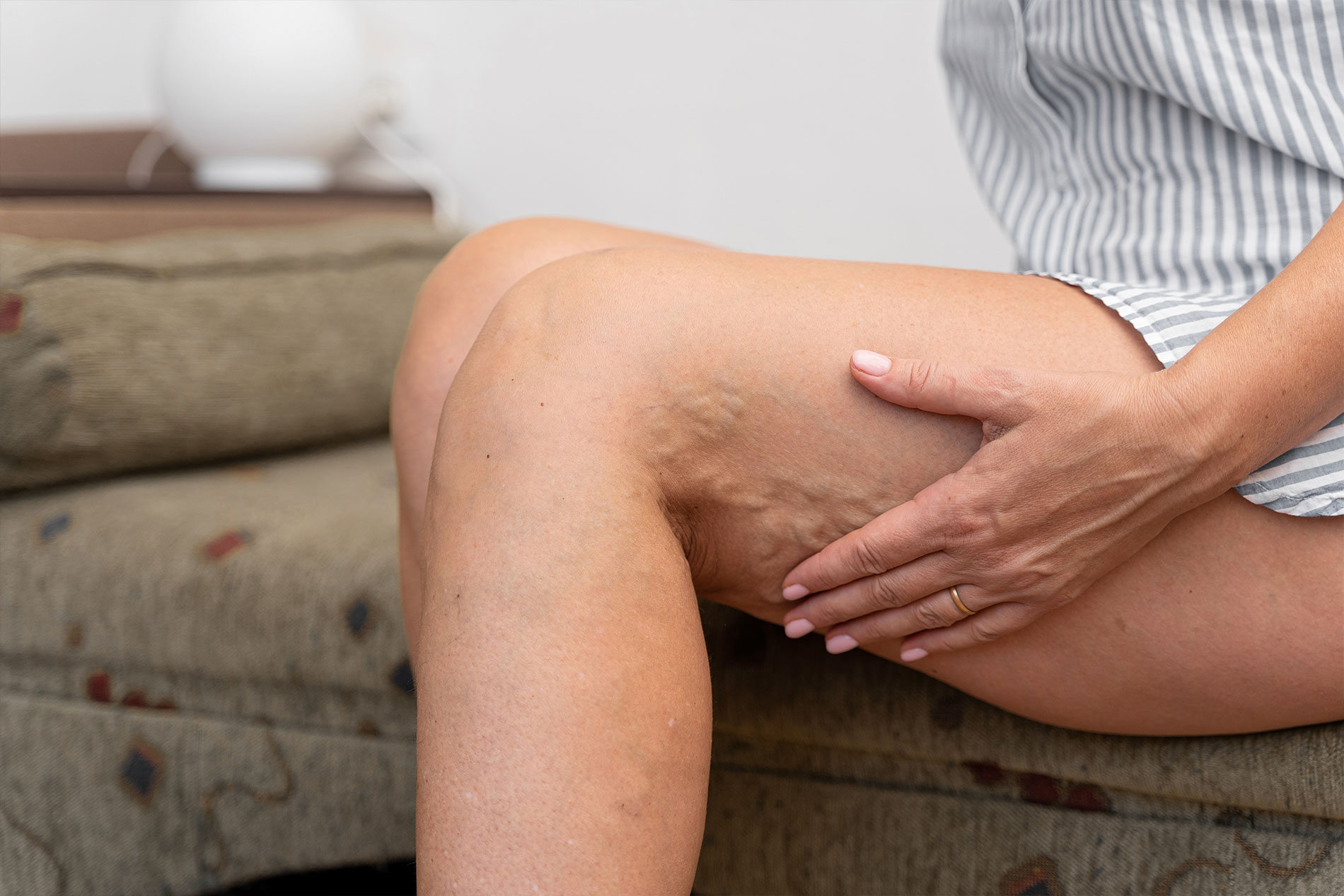

We often take our legs for granted. They carry us through our daily lives, from the moment we step out of bed to the last errand of the day. But when your legs start feeling heavy, tired, or painful, it’s a sign that the complex highway of blood vessels beneath your skin might be struggling. Poor circulation in the legs is more than just an inconvenience; it can be a warning sign of a serious underlying condition known as Peripheral Arterial Disease (PAD). While medical treatments are essential for advanced cases, there is immense power in the daily choices you make. Improving your circulation naturally is not only possible—it is one of the most effective ways to preserve your mobility and vascular health for years to come.
Understanding how to boost blood flow naturally can transform your quality of life. Whether you are experiencing the early signs of leg circulation problems or simply want to be proactive about your health, this comprehensive guide will walk you through the most effective lifestyle changes, exercises, and dietary strategies. We will explore the science behind blood flow, identify the symptoms that shouldn’t be ignored, and help you create a personalized plan to keep your legs healthy and moving.
Understanding the Basics of Leg Circulation
Before diving into solutions, it is helpful to understand the problem. Your circulatory system is a vast network of arteries and veins. Arteries act as delivery trucks, carrying oxygen-rich blood from your heart to your muscles and tissues. Veins are the return vehicles, bringing oxygen-depleted blood back to the heart. When we talk about poor leg circulation in the context of PAD, we are primarily discussing the arterial side of this system.
What Causes Poor Circulation?
The most common culprit behind poor arterial flow is atherosclerosis—a condition where plaque (made of cholesterol, fat, and calcium) builds up on the inner walls of your arteries. As this plaque accumulates, the arteries narrow and stiffen, a process often called “hardening of the arteries.” This narrowing restricts the volume of blood that can pass through, much like a kink in a garden hose.
When your leg muscles are working—say, during a walk—they need more oxygen than usual. If your narrowed arteries can’t deliver that extra blood, your muscles effectively “starve” for oxygen. This results in the classic symptom of PAD known as claudication: a cramping pain in the calves, thighs, or buttocks that stops when you rest. Ignoring poor blood flow in legs can lead to serious complications, including non-healing wounds and tissue damage.
Signs Your Circulation Needs Attention
Your body has a way of telling you when something is wrong. While some symptoms are subtle, paying attention to them early can prevent the progression to severe disease.
- Leg Pain with Activity: Do your calves cramp when you walk up a hill or climb stairs? This is often the first sign of reduced arterial flow.
- Cold Feet: If your feet are persistently cold, even in warm weather or under blankets, it suggests that warm, oxygenated blood isn’t reaching your extremities efficiently.
- Numbness or Tingling: A “pins and needles” sensation or a loss of feeling in the toes or feet can indicate nerve issues related to poor blood supply.
- Skin Changes: Look for shiny skin on your shins, a loss of hair on your legs or toes, or slower-growing toenails. These are signs that the tissues aren’t getting enough nutrients.
- Discoloration: Your feet might turn pale when elevated and then flush red or purple when you hang them down (dependent rubor).
If you notice these signs, starting a natural regimen is excellent, but it should not replace a professional evaluation.
1. Movement is Medicine: Exercise for Circulation
The single most effective natural way to improve arterial circulation is exercise. It sounds counterintuitive—if walking hurts, why should you do more of it? The answer lies in your body’s amazing ability to adapt.
The Power of Walking
Regular walking encourages your body to form new, small blood vessels that bypass the blocked arteries. This process, known as collateral circulation, essentially creates a natural detour for blood flow.
How to Start a Walking Program:
- Walk until it hurts: Walk at a steady pace until you feel mild-to-moderate claudication pain (a 3 or 4 on a scale of 10).
- Rest until it stops: Stop and stand still until the pain subsides completely.
- Repeat: Start walking again. Aim to repeat this cycle for about 30 minutes initially, building up to 45-60 minutes.
- Consistency is Key: Aim to do this at least 3 to 4 times a week.
Over time, you will likely notice that you can walk farther and longer before the pain sets in. This is proof that your circulation is improving.
Other Beneficial Exercises
If walking is difficult due to joint issues like knee osteoarthritis, other forms of exercise can also help without the high impact.
- Cycling: Using a stationary bike is a great way to get the leg muscles pumping and blood flowing without the impact of striking the pavement.
- Swimming: Water supports your weight, relieving pressure on joints while providing resistance that strengthens muscles and aids circulation.
- Leg Lifts and Ankle Pumps: Simple exercises done while lying down or sitting can help move blood. Pump your ankles up and down, or lift your legs straight up to engage the muscles.
Sometimes, joint pain can be a barrier to the very exercise needed for vascular health. If chronic knee pain is preventing you from walking, treatments like Genicular Artery Embolization can help relieve knee pain, allowing you to return to the active lifestyle necessary for maintaining good circulation.
2. Dietary Strategies to Unclog Arteries
What you eat has a direct impact on the plaque buildup in your arteries. A heart-healthy diet can slow the progression of atherosclerosis and even help improve the health of your blood vessels.
Foods That Boost Blood Flow
- Nitrate-Rich Vegetables: Leafy greens like spinach, arugula, and kale, as well as beets, are high in nitrates. Your body converts nitrates into nitric oxide, a molecule that relaxes blood vessels and improves blood flow.
- Omega-3 Fatty Acids: Found in fatty fish like salmon, mackerel, and sardines, as well as in walnuts and flaxseeds. Omega-3s reduce inflammation and make blood less “sticky,” reducing the risk of clots.
- Berries: Blueberries, strawberries, and raspberries are packed with antioxidants and flavonoids, which help dilate arteries and reduce plaque buildup.
- Citrus Fruits: Oranges, lemons, and grapefruits contain antioxidants that lower inflammation and help prevent blood clots.
- Garlic and Onions: These have natural anti-inflammatory properties and have been shown to help relax blood vessels and lower blood pressure.
- Spices: Turmeric (specifically its active compound, curcumin) and cayenne pepper have been linked to improved circulation and reduced inflammation.
Foods to Avoid
Just as important as what you eat is what you avoid. To keep arteries clear, limit your intake of:
- Trans Fats: Found in many processed snacks, baked goods, and fried foods. These are arterial poison.
- Saturated Fats: Limit red meat, butter, and full-fat cheese.
- Excess Sodium: Too much salt raises blood pressure, which damages artery walls.
- Added Sugars: High sugar intake leads to insulin spikes and inflammation, damaging blood vessels.
3. Lifestyle Changes for Vascular Health
Beyond diet and exercise, your daily habits play a massive role in how well your blood circulates.
Quit Smoking: The Non-Negotiable Step
If you smoke, your arteries are under constant attack. Nicotine constricts blood vessels, instantly reducing blood flow. The chemicals in cigarette smoke damage the lining of your arteries, making them sticky and prone to plaque. Quitting smoking is the single most impactful thing you can do to stop the progression of PAD. Within weeks of quitting, your circulation begins to improve.
Manage Stress
Chronic stress triggers the release of hormones like cortisol and adrenaline, which constrict blood vessels and raise blood pressure. Finding ways to manage stress—whether through meditation, deep breathing exercises, yoga, or simply spending time in nature—keeps your blood vessels relaxed and open.
Stay Hydrated
Blood is roughly 50% water. When you are dehydrated, your blood becomes thicker and harder to pump through the body. Staying well-hydrated ensures your blood viscosity remains optimal for circulation. Aim for 8 glasses of water a day, more if you are active or in hot weather.
Elevate Your Legs (With Caution)
If you have swelling in your legs (edema), elevating them can help return venous blood to the heart. However, for those with severe arterial disease, elevation might actually make pain worse because gravity helps pull arterial blood down to the feet. Listen to your body: if elevating your legs causes pain or makes your feet turn pale, keep them flat or slightly dependent.
4. Natural Supplements and Aids
While no pill can replace a healthy lifestyle, certain supplements may support vascular health. Always consult your doctor before starting any supplement regimen, as they can interact with medications.
- Horse Chestnut: Often used for vein health, it may also support overall vessel integrity.
- L-Arginine: An amino acid that the body uses to produce nitric oxide, helping to relax arteries.
- Ginkgo Biloba: Known for improving blood flow, particularly to the brain and extremities.
- Compression Stockings: While primarily used for venous issues (like varicose veins), light compression can sometimes help muscle function. However, people with PAD should use compression stockings with extreme caution and only under a doctor’s advice, as strong compression can cut off arterial blood flow in already narrowed arteries.
When Natural Methods Aren’t Enough: Seeking Medical Help
Natural methods are powerful for prevention and managing mild symptoms. However, PAD is a progressive disease. There comes a point where lifestyle changes alone may not be enough to restore adequate flow or heal a non-healing wound/ulcer of toe, leg, foot.
Red Flags Requiring Immediate Attention
You should see a vascular specialist if:
- You have pain in your feet while resting (ischemic rest pain).
- You have a sore on your leg or foot that isn’t healing after two weeks.
- Your foot changes color (turns black, blue, or very pale).
- You experience sudden, severe leg pain that feels cold.
In these cases, waiting can lead to tissue death (gangrene) and the risk of amputation. Early intervention is key.
Minimally Invasive Solutions
If your circulation needs a boost beyond what diet and exercise can provide, modern medicine offers minimally invasive solutions that don’t require open surgery. Dr. Fox specializes in outpatient procedures that can open blocked arteries and restore flow quickly.
- Angioplasty: A tiny balloon gently widens the narrowed artery.
- Atherectomy: A device cleans out the plaque buildup.
- Stenting: A small mesh tube holds the artery open.
These procedures can often be done in a specialized outpatient lab, allowing you to return home the same day with significantly improved blood flow.
The Role of a Vascular Specialist
Navigating leg circulation issues can be confusing. Is it just aging? Is it arthritis? Or is it a blocked artery? A vascular specialist can provide clarity. Using non-invasive tests like the Ankle-Brachial Index (ABI) and ultrasound, they can map your circulation and tell you exactly how well your blood is flowing.
At Fox Vein and Vascular, we believe in a holistic approach. We encourage natural lifestyle changes as the foundation of vascular health, but we stand ready with advanced technology when nature needs a helping hand. Whether you are dealing with early-stage claudication or are concerned about a diabetic foot ulcer, our team provides the expert care needed to keep you on your feet.
Conclusion: Take the First Step Today
Improving your leg circulation naturally is a journey of small, consistent choices. Choosing a walk over the couch, a salad over a burger, and water over soda adds up to profound changes in your vascular health. Your legs are your vehicle for life—investing in them now ensures they will keep carrying you forward.
However, you don’t have to guess about the health of your arteries. If you have risk factors like smoking, diabetes, or high blood pressure, or if you are already feeling the drag of heavy, painful legs, professional insight is invaluable.
Don’t wait until leg pain stops you in your tracks. Schedule a consultation with Dr. Fox to assess your circulation and build a plan for lifelong vascular health. Contact Fox Vein and Vascular today at (212) 362-3470 or visit us at foxvein.com.
Leading Manhattan Vascular & Vein Specialist
At Fox Vein Care, we provide state-of-the-art vascular and venous treatments, combining advanced diagnostic technology with minimally invasive procedures that prioritize comfort, safety, and outstanding results.
Contact Us