When it comes to cardiovascular health, the conversation has historically centered on men. For decades, the image of a heart attack victim was a middle-aged man clutching his chest. While awareness has grown that heart disease is the leading killer of women, many other vascular conditions remain dangerously misunderstood and underdiagnosed in the female population. One of the most significant of these is Peripheral Arterial Disease (PAD). This condition, caused by blocked arteries in the limbs, affects men and women in roughly equal numbers, yet women often face a more difficult path to diagnosis and treatment.
For women in particular, recognizing PAD symptoms can be challenging because they frequently differ from what is portrayed in most educational materials and can easily be confused with other conditions. Even as minimally invasive treatment options for PAD have advanced—offering more hope for limb preservation and amputation prevention—awareness and early action remain critical to protecting long-term vascular health. If you or a loved one notices unexplained leg fatigue, pain, or non-healing wounds, don’t overlook the possibility of PAD.
The classic symptoms of PAD, such as calf cramping during exercise, are less common in women. Instead, women may experience more subtle or atypical signs, like leg fatigue or burning pain, which can be easily dismissed as normal aging, arthritis, or a side effect of a busy life. This diagnostic gap can lead to significant delays in care, allowing the arterial disease to progress silently until it reaches a severe stage. At that point, women are faced with a higher risk of debilitating pain, non-healing leg ulcers, and even amputation. Understanding how PAD presents differently in women is not just an academic exercise; it’s a critical public health issue that requires urgent attention. This guide will shine a light on the unique aspects of PAD in women, explain why symptoms are so frequently overlooked, and provide the knowledge needed to advocate for your vascular health.
What is Peripheral Arterial Disease (PAD)?
Peripheral Arterial Disease is a circulatory problem in which narrowed arteries reduce blood flow to your limbs. While it can affect any blood vessel outside of the heart and brain, it most commonly impacts the legs. The underlying cause of PAD is almost always atherosclerosis, the gradual buildup of fatty plaque (cholesterol and other substances) on the inner walls of the arteries. This buildup, also known as arteriosclerosis, hardens and narrows the arteries, restricting the flow of oxygen-rich blood to the muscles and tissues downstream. Learn more about the causes and progression of arterial disease or explore the comprehensive evaluation and minimally invasive PAD treatment options available at Fox Vein and Vascular. For details about early warning signs, visit their PAD symptoms page to better understand what to watch for and when to seek help.
Think of your circulatory system as a network of highways. Atherosclerosis is like a slow-motion traffic jam, with lanes closing one by one over many years. In the early stages, there might be enough room for traffic (blood) to get through, so you may not notice any problems. But as the “road” gets narrower, congestion builds up, especially during “rush hour”—when your muscles are working hard and demanding more oxygen, like during a walk. This oxygen deficit is what causes the symptoms of PAD.
Because atherosclerosis is a systemic disease, having PAD is a major warning sign. The same plaque buildup happening in your legs is likely occurring in the arteries supplying your heart and brain, putting you at a significantly higher risk for heart attack and stroke.
Why PAD in Women is a Different Disease
While the underlying mechanism of atherosclerosis is the same for everyone, the manifestation and perception of PAD in women can be vastly different. Historically, much of the foundational research on PAD focused on male subjects. This has created a diagnostic model that doesn’t always fit the female experience, leading to critical delays in care. For women seeking more information on how their symptoms might differ or what early signs to look out for, the PAD in Women resource and the PAD symptoms page are valuable starting points. Additionally, women can explore specialized PAD treatment options tailored for them at Fox Vein and Vascular, ensuring they receive care that considers their unique risk factors and presentation.
Atypical Symptoms are the Norm
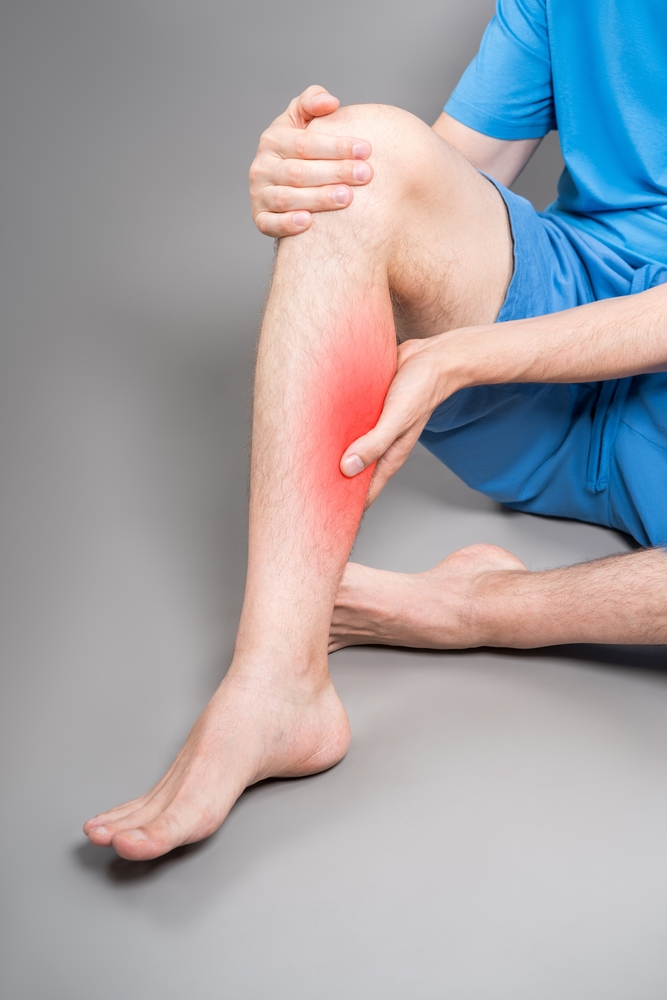
The “classic” symptom of PAD is intermittent claudication: a cramping pain in the calf muscle that occurs predictably with exercise and is relieved by rest. While men with PAD often report this specific symptom, women are more likely to present with atypical signs.
Common PAD Symptoms in Women:
- Leg Fatigue or Heaviness: A profound sense of tiredness in the legs that seems disproportionate to the level of activity.
- Burning or Aching Pain: Instead of a distinct cramp, women may feel a burning sensation or a deep ache in their buttocks, hips, thighs, or feet.
- Pain at Rest: Some women experience pain even when they are not moving. This can manifest as ischemic rest pain—a severe burning or numbness in the feet or toes, especially at night.
- Functional Decline: A woman might not report specific “pain” but will notice she can’t walk as far or as fast as she used to. She may stop activities she once enjoyed, like gardening or shopping, attributing her limitations to getting older or being out of shape.
- Numbness: A feeling of numbness or weakness in the legs can also be a primary complaint.
Because these symptoms are less specific than classic claudication, they are often misdiagnosed. A woman complaining of thigh or buttock pain might be evaluated for sciatica or arthritis, while her underlying vascular problem goes undetected. This misdirection wastes valuable time as the arterial blockages continue to worsen.
The Role of Hormones and Anatomy
Physiological differences between men and women also play a role. Estrogen is believed to have a protective effect on blood vessels, which may be why PAD tends to develop in women about a decade later than in men, on average. However, after menopause, this protection wanes, and the risk for women rises sharply.
Furthermore, women tend to have smaller arteries than men. This means that a similar amount of plaque buildup can cause a more significant blockage in a woman’s artery, potentially leading to more severe symptoms from a seemingly less advanced disease state.
Risk Factors for PAD in Women
The primary risk factors for PAD are shared between the sexes, but some have a more pronounced impact on women.
- Smoking: This is the most powerful and preventable risk factor for PAD. Smoking damages the lining of the arteries and accelerates atherosclerosis. The risk is dose-dependent—the more you smoke, the higher your risk.
- Diabetes: People with diabetes are at extremely high risk for PAD. The condition often appears earlier and is more severe in diabetic patients. Women with diabetes have a higher relative risk for fatal cardiovascular events compared to men with diabetes.
- High Blood Pressure (Hypertension): Chronic high blood pressure damages arterial walls, making them susceptible to plaque. After age 65, hypertension is more common in women than in men.
- High Cholesterol: Excess “bad” LDL cholesterol is a primary component of the plaque that causes blocked leg arteries.
- Age: The risk of PAD increases with age, particularly after menopause for women. Anyone over 60 is considered at higher risk.
- Obesity and Sedentary Lifestyle: These factors contribute to high blood pressure, high cholesterol, and diabetes, all of which drive the progression of PAD.
- Family History: A family history of vascular disease, heart attack, or stroke significantly increases your personal risk.
- Kidney Disease: Chronic kidney disease is a strong independent risk factor for PAD.
For women, the combination of these factors, especially post-menopause, creates a perfect storm for the development of severe arterial disease.
Questions about your treatment options? Dr. Fox can help.
Book a ConsultationAlso in women’s health: our Fibroid Treatment Guide and uterine fibroid embolization (UFE).
The Dangerous Consequences of Delayed Diagnosis
When a woman’s leg pain or fatigue is dismissed or misdiagnosed, the underlying PAD doesn’t go away. It gets worse. The consequences of this delay can be profound and life-altering.
Progression to Critical Limb Ischemia (CLI)
As arterial blockages become more severe, blood flow can become critically low. This stage is known as Critical Limb Ischemia (CLI), a medical emergency. Women with PAD are more likely than men to progress to CLI without ever having received a formal PAD diagnosis. The symptoms of CLI are severe and indicate that the limb is in immediate danger.
Signs of CLI include:
- Ischemic Rest Pain: Severe, persistent pain in the feet or toes, even at rest.
- Non-Healing Wounds: The development of a leg ulcer, foot ulcer, or toe ulcer from a minor injury. Due to the lack of blood flow, the tissue cannot heal, and the wound can grow larger and deeper. A diabetic foot ulcer is especially dangerous.
- Gangrene: The death of tissue due to a complete lack of blood supply. The affected area, often the toes or foot, turns black.
Higher Rates of Amputation
Tragically, a delayed diagnosis often means that by the time PAD is identified in a woman, it is already at an advanced stage. When a patient presents with gangrene or a deep, infected ulcer, treatment options become limited. This results in a devastating statistic: women with PAD have higher rates of major amputation compared to men. Often, an amputation is a woman’s very first diagnosis of PAD—a preventable outcome that underscores the failure to recognize her earlier, more subtle symptoms. Amputation prevention is a primary goal of any vascular specialist, and it starts with early detection.
Increased Cardiovascular Mortality
A PAD diagnosis is a powerful predictor of future heart attacks and strokes. The delayed diagnosis in women means they miss out on the opportunity for aggressive risk factor modification (like starting statins or blood pressure medication) that could protect their entire cardiovascular system. As a result, women with PAD face a higher risk of death from cardiovascular causes.
Taking Control: How to Advocate for Your Vascular Health
Given the challenges women face in getting an accurate and timely PAD diagnosis, it is crucial to be a proactive and informed advocate for your own health. Make use of credible resources such as Fox Vein and Vascular’s PAD symptoms guide and their comprehensive treatment options for women to educate yourself about warning signs, diagnostic tests, and advanced care. By recognizing and acting on these signs early, you can significantly reduce your risk of complications and receive the specialized attention you deserve.
1. Know the Symptoms—Even the Atypical Ones
Do not dismiss persistent leg discomfort. If you are experiencing any of the following, it’s time to consider PAD:
- Unexplained fatigue, heaviness, or weakness in your legs.
- A burning or aching pain in your buttocks, hips, or thighs that occurs with activity.
- Numbness in your legs or feet.
- A noticeable change in your ability to walk or perform daily activities.
- Any wound on your foot or leg that is slow to heal.
2. Know Your Risk Factors
Be aware of your personal risk profile. If you smoke, have diabetes, high blood pressure, high cholesterol, or a family history of vascular disease, your index of suspicion for PAD should be high. Inform your doctor of these risks when discussing your symptoms.
3. Ask for a Specific Test: The Ankle-Brachial Index (ABI)
If you are concerned about PAD, don’t just say “my legs hurt.” Ask your doctor for a specific, non-invasive screening test. The Ankle-Brachial Index (ABI) is a simple, painless test that compares the blood pressure in your ankles to the blood pressure in your arms. A low ABI ratio is a clear indicator of blocked leg arteries. It is an objective measurement that can confirm the presence of PAD even when symptoms are atypical. If your primary care physician is hesitant, insist on a referral to a vascular specialist.
4. Seek Expert Care from a Vascular Specialist
A vascular surgeon is a specialist in diagnosing and treating diseases of the arteries and veins. They have the expertise to interpret your symptoms correctly and perform the necessary diagnostic tests. In a major metropolitan area like NYC, you have access to top-tier experts. A vascular specialist in Manhattan, like Dr. Fox, can provide a comprehensive evaluation and a personalized treatment plan. An office with an advanced vascular lab Manhattan ensures you can get a swift and accurate diagnosis.
Modern PAD Treatment: A Minimally Invasive Approach
Receiving a PAD diagnosis is not a life sentence of pain and disability. Modern medicine has made incredible strides in treatment, moving away from major open surgery toward minimally invasive endovascular procedures. These treatments are highly effective, can be performed in an outpatient setting, and have much shorter recovery times.
- Angioplasty: A tiny balloon is inserted via a catheter into the blocked artery and inflated to widen the channel and restore blood flow.
- Atherectomy: A specialized device is used to scrape, sand, or cut the plaque from the artery walls, physically removing the blockage.
- Stenting: After an artery is opened with angioplasty, a small metal mesh tube called a stent may be placed inside to act as a scaffold, keeping the artery open long-term.
These procedures can provide immediate relief from leg pain, improve walking ability, and, most critically, promote the healing of non-healing wounds to prevent amputation.
It is also important to recognize the breadth of minimally invasive vascular treatments. For instance, some patients suffer from chronic knee pain due to osteoarthritis, another condition that can limit mobility. An innovative procedure called Genicular Artery Embolization (GAE) offers non-surgical knee pain relief by reducing blood flow to the inflamed joint lining. While GAE is a separate treatment from PAD interventions, it exemplifies the modern, targeted, and minimally invasive philosophy that specialists at Fox Vein and Vascular apply to improve patients’ quality of life.
Your Health is Your Priority
PAD in women is a serious, common, and treatable condition. The greatest barrier to successful outcomes is the failure to recognize it. Do not let your symptoms be dismissed as “just getting older” or something you have to live with. Your leg pain is real, your functional decline is significant, and the underlying cause may be a progressive arterial disease that threatens both your limb and your life. By understanding the unique ways PAD affects women and advocating for proper diagnostic testing, you can secure the care you need.
If you are a woman living in the 5 Boroughs, Nassau, Suffolk, or surrounding areas of CT and NJ, and you are experiencing leg pain, fatigue, numbness, or non-healing wounds, it’s time to seek expert help.
Don’t wait for your symptoms to become severe. Schedule a consultation with Dr. Fox, a leading vascular surgeon in Manhattan, to have your circulation evaluated. Contact Fox Vein and Vascular today at (212) 362-3470 or visit us at foxvein.com to take the first step toward a diagnosis and a solution.