Peripheral Artery Disease (PAD) is a condition that can significantly impact mobility and quality of life. It occurs when plaque builds up in the arteries, leading to poor blood flow in legs and other extremities. This reduction in circulation often causes a hallmark symptom known as claudication—pain, cramping, or fatigue in the leg muscles during physical activity. While the idea of walking with leg pain may seem counterintuitive, a structured walking program is one of the most effective non-surgical therapies for managing PAD.
Regular walking helps the body develop new, smaller blood vessels that bypass blocked leg arteries, a process called angiogenesis. This natural bypass improves oxygen delivery to the muscles, reduces pain, and increases walking distance. A supervised or self-directed walking program is a cornerstone of effective Peripheral Artery Disease treatment. It can slow the progression of the disease, alleviate painful PAD symptoms, and enhance overall cardiovascular health.
For individuals facing a PAD diagnosis, starting a walking program is a proactive step toward regaining control. It’s a powerful, low-impact exercise that directly addresses the root cause of claudication: inadequate blood flow. This guide provides a comprehensive overview of how to build the best walking program for your specific needs, from initial steps and warm-ups to overcoming common challenges and knowing when to seek expert guidance from a PAD specialist.
Understanding How Walking Fights PAD
The primary benefit of walking for PAD patients lies in its ability to train the leg muscles to work more efficiently with limited oxygen. When you walk to the point of claudication, the muscles send signals to the body that they need more oxygen-rich blood. Over time, the body responds by growing new, tiny blood vessels, which create a collateral circulation network. This adaptation is crucial for improving leg circulation problems.
Think of it like a road detour. When the main highway (the major artery) is blocked, traffic (blood flow) gets rerouted through smaller local streets (collateral vessels). A consistent walking program encourages the development of these “local streets,” making the detour more efficient.
Beyond improving circulation, walking offers other significant benefits for PAD patients:
- Reduces Claudication: Studies consistently show that supervised walking programs can increase pain-free walking distance by over 100%.
- Improves Cardiovascular Health: Walking lowers blood pressure, helps manage cholesterol levels, and strengthens the heart, reducing the risk of heart attack and stroke, which are elevated in people with PAD.
- Aids in Weight Management: Maintaining a healthy weight reduces the overall strain on your circulatory system and joints.
- Enhances Mood and Energy: Physical activity releases endorphins, which can combat the fatigue and frustration often associated with chronic pain.
A proper PAD diagnosis from a qualified vascular specialist is the first step. Once confirmed, a walking program becomes an essential part of your comprehensive treatment plan, often complementing other therapies like medication or minimally invasive treatments for PAD.
Tailoring a Walking Program to Your Stage of PAD
Peripheral Artery Disease is not a one-size-fits-all condition. Its severity ranges from mild, with few noticeable symptoms, to severe, where pain occurs even at rest (ischemic rest pain). A successful walking program must be tailored to the specific stage of your disease. Pushing too hard can be discouraging and potentially harmful, while not pushing enough may fail to stimulate the necessary circulatory improvements.
Program for Mild PAD
Patients with mild PAD might experience leg heaviness, fatigue, or cramping only during strenuous activities like climbing multiple flights of stairs or walking briskly uphill. Often, they can walk for extended periods on flat ground without significant discomfort.
Goals:
- Prevent disease progression.
- Build a strong exercise foundation.
- Increase overall cardiovascular endurance.
Program Structure:
- Warm-up (5 minutes): Start with gentle stretching, focusing on your calves, hamstrings, and quadriceps. Follow this with a slow-paced walk.
- Walking Phase (30-45 minutes): Walk at a comfortable, steady pace. You should be able to hold a conversation. Aim to complete this 3-5 days per week. The goal is to walk continuously without needing to stop for pain.
- Cool-down (5 minutes): Gradually slow your pace for the last few minutes, then repeat the initial stretches to improve flexibility and reduce muscle soreness.
For mild PAD, consistency is more important than intensity. The aim is to make walking a regular part of your routine to maintain and improve your current level of circulation.
Program for Moderate PAD
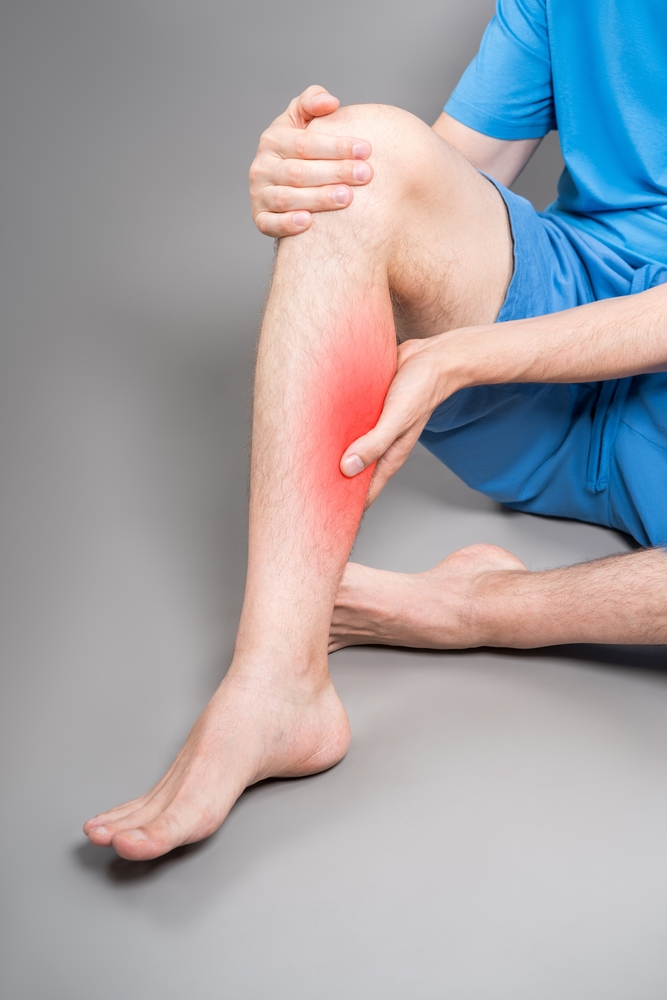
Moderate PAD is characterized by the classic symptom of claudication. Pain, cramping, or tiredness in the calves, thighs, or buttocks appears after walking a predictable distance and is relieved by a short period of rest. The goal here is to gradually extend that pain-free walking distance.
Goals:
- Increase the distance you can walk before pain starts.
- Reduce the time it takes for pain to subside after resting.
- Improve collateral circulation.
Program Structure (Interval Walking):
This program is built on a walk-rest-walk cycle.
- Warm-up (5 minutes): Gentle stretches and a very slow walk to prepare the muscles.
- Walking Phase (30-50 minutes):
- Walk at a moderate pace until you feel mild to moderate pain (a 3 or 4 on a 1-to-5 pain scale). It’s critical to push into the discomfort but stop before the pain becomes severe.
- Stop and rest. Remain standing or sit down until the pain completely disappears. This usually takes 1-3 minutes.
- Resume walking at the same pace.
- Repeat this walk-rest-walk cycle for the duration of your session.
- Cool-down (5 minutes): End with a slow walk and gentle stretching.
Aim for 3-5 sessions per week. Initially, you may only walk for a few minutes before needing to rest, but over weeks and months, you will notice that you can walk longer before the claudication begins.
Program for Severe PAD / Critical Limb Ischemia (CLI)
Patients with severe PAD may experience ischemic rest pain, which is pain in the feet or toes that occurs even when not moving, especially at night. They may also have non-healing leg or foot ulcers. For these individuals, walking can be extremely difficult and painful.
Important Note: Before starting any walking program, patients with severe PAD or CLI must consult with a PAD specialist. Unsupervised exercise could worsen the condition or increase the risk of injury to vulnerable tissues. A specialist at a facility like Fox Vein and Vascular can determine if your circulation is sufficient to begin an exercise program. Often, a minimally invasive procedure to restore blood flow is necessary first.
Goals:
- Improve circulation to support wound healing.
- Gently reintroduce movement to prevent muscle atrophy.
- Manage and reduce rest pain.
Program Structure (Under Medical Supervision):
- Initial Phase: The program may begin with non-weight-bearing exercises like seated leg lifts, ankle pumps, or stationary cycling with no resistance.
- Short Walking Intervals: Once cleared by a specialist, walking will be very limited. This might look like walking for 1-2 minutes at a very slow pace, followed by a prolonged rest period. The focus is on gentle movement, not pushing through pain.
- Frequency: Short, frequent sessions (e.g., 5-10 minutes, several times a day) are often more beneficial than one longer session.
For those with severe PAD, a walking program is a component of a much broader treatment plan that may include advanced wound care and minimally invasive treatments for PAD like angioplasty, atherectomy, or stenting to address the blocked leg arteries.
Step-by-Step Guide to Starting Your Walking Program
Embarking on a new exercise routine can feel daunting, especially when dealing with pain. Breaking it down into manageable steps makes the process approachable and sustainable.
Step 1: Consult Your PAD Specialist
Before you take your first step, talk to your vascular doctor. A specialist can perform a thorough evaluation, including a PAD diagnosis confirmation with tests like the Ankle-Brachial Index (ABI), to determine the severity of your condition. They can provide personalized recommendations and ensure you are ready for exercise. This is also the time to discuss any other health conditions, like heart disease or diabetes, that might affect your ability to walk.
Step 2: Get the Right Gear
You don’t need expensive equipment, but the right shoes are essential. Look for footwear that offers:
- Good Cushioning: To absorb impact and protect your joints.
- Proper Fit: Shoes should be snug but not tight, with enough room in the toe box to prevent rubbing and blisters. This is especially important for individuals with diabetes, as a small sore can develop into a serious foot ulcer.
- Arch Support: To ensure proper foot alignment and reduce strain.
- Breathable Material: To keep feet dry and reduce the risk of fungal infections.
Comfortable, moisture-wicking socks are also important. Avoid cotton socks, which retain sweat and can lead to blisters.
Step 3: The Warm-Up (5 Minutes)
Never start walking with cold muscles. A proper warm-up increases blood flow and prepares your muscles, ligaments, and joints for activity, reducing the risk of injury.
- Dynamic Stretches (2-3 minutes): These involve gentle movement. Try leg swings (forward-backward and side-to-side), ankle circles, and marching in place with high knees.
- Slow Walk (2-3 minutes): Begin walking at a very slow, relaxed pace. This gradually increases your heart rate and eases your body into the main exercise session.
Step 4: The Walking Session (The Core Program)
This is where the walk-rest-walk interval method comes into play, which is the gold standard for PAD walking programs.
- Find Your Pace: Start walking at a pace that feels comfortable but purposeful. You should feel your heart rate increase slightly.
- Walk to Claudication: Continue walking until you feel the onset of your typical leg pain. Rate this pain on a scale of 1 to 5, where 1 is no pain and 5 is severe, unbearable pain. Your goal is to stop when the pain reaches a level 3 or 4 (moderate and uncomfortable, but not excruciating). Pushing to a level 5 is counterproductive.
- Rest and Recover: Stop walking and stand or sit until the pain has completely subsided. Note how long this takes. Early on, it might be a few minutes. As you get fitter, the rest periods will become shorter.
- Repeat: Once the pain is gone, start walking again at the same pace. Repeat this cycle of walking and resting for the total duration of your session.
Duration and Frequency:
- Starting Out: Aim for a 30-minute session, including warm-up and cool-down. If this is too much, start with 15-20 minutes.
- Frequency: Try to walk at least 3 days a week, with a goal of working up to 5 days.
- Progression: As your endurance improves, you’ll find you can walk for longer periods before pain sets in. You can then increase the total duration of your sessions, aiming for 45-60 minutes.
Step 5: The Cool-Down (5 Minutes)
Just as important as the warm-up, a cool-down helps your body transition back to a resting state. It prevents blood from pooling in your legs, reduces dizziness, and can lessen muscle soreness.
- Slow Walk (2-3 minutes): Gradually decrease your walking speed.
- Static Stretches (2-3 minutes): These are stretches you hold in a fixed position. Focus on the major leg muscles:
- Calf Stretch: Stand facing a wall, place your hands on it for support, and step one foot back, keeping the leg straight and the heel on the floor. Hold for 30 seconds and switch legs.
- Hamstring Stretch: Sit on the floor with one leg extended straight and the other bent. Gently lean forward toward the extended foot until you feel a stretch in the back of your thigh. Hold for 30 seconds and switch.
- Quadriceps Stretch: Stand, holding onto a wall or chair for balance. Grab your ankle and gently pull your heel toward your glute. Hold for 30 seconds and switch.
Questions about your treatment options? Dr. Fox can help.
Book a ConsultationOvercoming Common Challenges
A walking program for PAD is a journey, and like any journey, it can have obstacles. Anticipating these challenges and having strategies to deal with them is key to long-term success.
Challenge 1: The Pain of Claudication
It feels unnatural to walk toward pain, but for PAD patients, this is the very mechanism that drives improvement.
- Mindset Shift: Reframe the pain. Instead of seeing it as a signal to stop all activity, view it as a sign that you are reaching the therapeutic threshold needed to stimulate new blood vessel growth.
- Know Your Limit: Use the 1-to-5 pain scale. Consistently stopping at a level 3-4 ensures you are challenging your body without overdoing it.
- Track Your Progress: Keep a simple log. Note how long you can walk before pain starts and how long your rest periods are. Seeing these numbers improve over weeks is a powerful motivator.
Challenge 2: Fatigue and Low Motivation
Living with a chronic condition can be draining, and some days you just won’t feel like walking.
- Schedule It: Treat your walking sessions like an important appointment. Put them in your calendar.
- Find a Partner: Walking with a friend, family member, or neighbor can provide encouragement and accountability.
- Change Your Scenery: Boredom is a motivation killer. Alternate your walking routes. Explore different parks, neighborhoods, or indoor tracks.
- Listen to Music or Podcasts: Engaging audio can be a great distraction from discomfort and make the time pass more quickly.
- Don’t Aim for Perfection: If you’re having a low-energy day, a short, 10-minute walk is far better than no walk at all. Be kind to yourself and celebrate consistency over intensity.
Challenge 3: Fear of Injury or Worsening Symptoms
It’s natural to worry about causing harm, especially if you have other health issues or are concerned about your leg circulation problems.
- Proper Foot Care: Check your feet daily for any cuts, blisters, or sores. If you find anything that isn’t healing, contact your PAD specialist immediately. This is particularly crucial for patients with diabetes.
- Listen to Your Body: Differentiate between claudication pain and other types of pain. Sharp, sudden, or joint-related pain is not normal and is a signal to stop and consult your doctor.
- Stay Connected with Your Doctor: Regular check-ins with your vascular specialist will provide reassurance that your program is safe and effective.
The Role of a Vascular Specialist
While a self-directed walking program can be effective, a program supervised or guided by a vascular specialist offers the highest level of safety and efficacy. A specialist like Dr. Fox at Fox Vein and Vascular in Manhattan plays a vital role in your walking journey.
- Accurate Diagnosis and Staging:
Before you begin, a specialist provides an accurate PAD diagnosis and determines the extent of your blocked leg arteries. This is essential for creating a safe and appropriate starting point for your exercise regimen. - Personalized Program Development:
A PAD specialist can help you create a walking plan that is tailored to your unique health profile, considering your PAD severity, fitness level, and any co-existing conditions like heart disease, diabetes, or arthritis. - Monitoring and Adjustment:
Your specialist will monitor your progress through follow-up appointments and repeat testing (like the ABI). If you are not seeing the expected improvements, or if your symptoms worsen, they can adjust the program. They can also determine if you might benefit from other interventions. For instance, if your claudication remains severe despite a consistent walking effort, you may be a candidate for minimally invasive procedures that can quickly restore blood flow and make your walking program more effective. - Comprehensive Care:
A walking program is just one piece of the puzzle. A vascular specialist manages all aspects of your Peripheral Artery Disease treatment, including medication management (for blood pressure, cholesterol, and blood thinning), lifestyle counseling (like smoking cessation), and advanced therapies for issues like treatment for leg ulcers due to PAD.
Your Path to Better Circulation Starts Today
Living with Peripheral Artery Disease presents daily challenges, but you have the power to actively manage your condition. A structured walking program is a proven, powerful tool for combating leg pain, improving poor blood flow in legs, and enhancing your overall health. By stimulating your body to create its own natural bypasses around blocked arteries, you can walk farther, live with less pain, and reduce your risk of serious complications.
Remember to start slowly, listen to your body, and embrace the therapeutic cycle of walking to the point of claudication and then resting. This process is the key to building a stronger, more efficient circulatory system in your legs.
If you are experiencing PAD symptoms or have received a PAD diagnosis, do not hesitate to seek expert care. A dedicated PAD specialist can provide the guidance, treatment, and support you need to embark on a safe and effective walking program. Dr. David Fox and the team at Fox Vein and Vascular are committed to helping patients in Manhattan, the 5 Boroughs, and surrounding areas of NY, NJ, and CT regain their mobility and improve their vascular health.
For more information, visit foxvein.com or call (212) 362-3470.