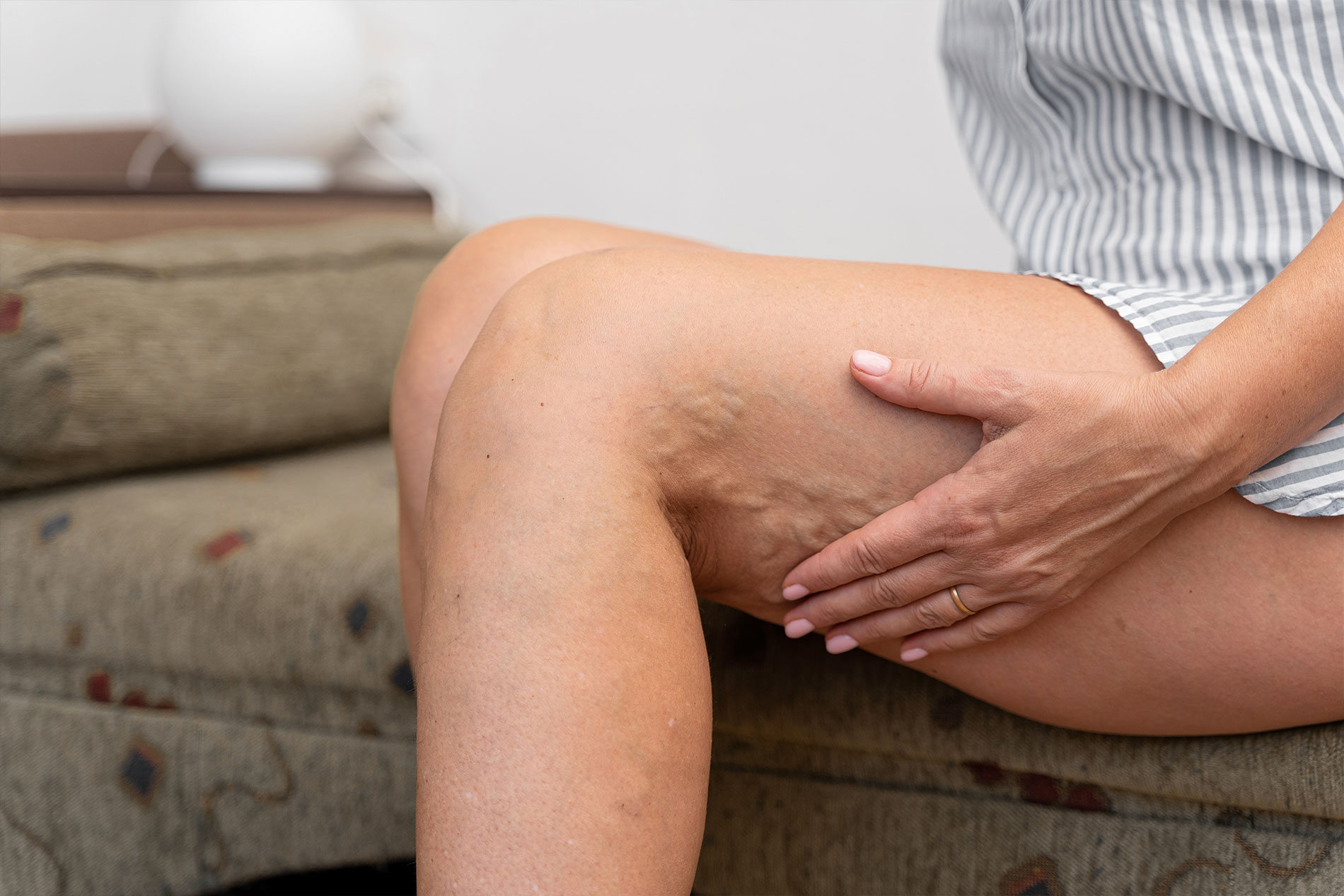

If you have been putting off treating your varicose veins because you are imagining a hospital stay, general anesthesia, and a long, painful recovery, you are not alone. Many people still associate vein treatment with the old-fashioned “stripping” surgeries of the past. The idea of having veins physically pulled out of your legs is enough to make anyone hesitate.
However, the world of vascular medicine has undergone a complete transformation in the last two decades. Today, walking into a Manhattan vein clinic is less like checking into a hospital and more like visiting a dentist or a dermatologist. The procedures are fast, incredibly effective, and involve little to no downtime.
This revolution is thanks to minimally invasive vein treatments. But what exactly does that mean? How can a doctor fix a large, bulging vein without making a large incision? How does the blood know where to go if you close a vein? And most importantly, is it safe?
In this in-depth guide, we will pull back the curtain on modern vein care. We will explain the science behind the treatments, walk you step-by-step through the procedures, and show you why seeing a Vein specialist near me is one of the best decisions you can make for your health.
Learn more about minimally invasive varicose vein treatments here.
The Science: Why We Don’t Need Surgery Anymore
To understand how the treatments work, you first have to understand the problem they are solving. Varicose veins and spider veins are usually symptoms of a condition called Chronic Venous Insufficiency (CVI).
Healthy leg veins have tiny one-way valves that help blood flow against gravity back to the heart. When these valves become damaged or weak, blood leaks backward and pools in the leg. This pooling increases pressure, causing the vein to stretch, twist, and bulge.
The Goal of Treatment: Closure, Not Removal
In the old days of vein stripping, doctors believed the only way to fix the problem was to remove the damaged vein entirely. While effective, it was traumatic.
Modern science discovered a smarter way: Ablation. Instead of ripping the vein out, we simply seal it shut. Once the diseased vein is closed, the body automatically reroutes the blood flow to the many other healthy veins in the leg. The closed vein, now useless tissue, is naturally absorbed by the body over time and disappears.
This shift from removal to closure is what allows us to perform treatments through a tiny needle puncture rather than a surgical incision.
The First Step: Mapping the Terrain
Before any treatment begins, a true chronic vein condition specialist near me will never just look at your skin and start treating. The most critical tool in modern vein care is Duplex Ultrasound.
This non-invasive scan allows the doctor to see inside your leg. It does two things:
- Imaging: It creates a picture of your vein anatomy.
- Doppler: It measures the speed and direction of blood flow.
By using ultrasound, Dr. Fox can identify exactly which valves are failing and where the “leak” starts. Often, the bulging veins you see on your calf are being fed by a refluxing vein higher up in your thigh that isn’t even visible on the surface. Treating the surface vein without fixing the source is like painting over a crack in the wall without fixing the foundation—it will just come back.
This precise mapping ensures that your vein treatment near me is targeted, effective, and tailored to your specific anatomy.
Endovenous Laser Ablation (EVLT): The Gold Standard
For the majority of patients suffering from large varicose veins and significant venous insufficiency, Endovenous Laser Ablation (EVLT) is the treatment of choice. It is the procedure that largely replaced vein stripping.
How It Works
EVLT uses thermal energy (heat) to close the vein. It is typically performed on the Great Saphenous Vein, the large vein that runs from the ankle to the groin, which is often the culprit behind vein symptoms in legs.
The Procedure: Step-by-Step
- Preparation: You lie comfortably on the treatment table. The leg is cleaned and draped.
- Local Anesthesia: Dr. Fox numbs the skin at the entry point (usually near the knee) with a small injection.
- Access: Using ultrasound guidance, a tiny needle is inserted into the vein. A thin laser fiber is then threaded through the needle and up the vein to the top of the thigh. You generally don’t feel this moving inside you.
- Tumescent Anesthesia: This is a crucial step. A dilute local anesthetic solution is injected into the tissue surrounding the vein along its entire length. This serves two purposes: it numbs the vein completely, and it creates a “cushion” of fluid around the vein to protect the surrounding tissues from the heat of the laser.
- Ablation: The laser is turned on. As Dr. Fox slowly withdraws the fiber, the laser tip emits precise bursts of energy. This heat damages the collagen in the vein wall, causing it to shrink and seal shut instantly.
- Completion: The fiber is removed, and a small bandage is placed over the puncture site. No stitches are needed.
Recovery
The entire process usually takes less than an hour. Afterward, your leg is wrapped in a compression bandage or stocking. You are encouraged to walk immediately to promote deep vein blood flow. Most patients return to work the same day or the next. The “recovery” mostly consists of wearing compression stockings for a week or two.
Learn more about EVLT and our other treatments here.
Sclerotherapy: The Solution for Spider Veins
While lasers are great for straight, large veins, they aren’t always suitable for the tiny, twisting networks of spider veins or smaller varicose branches. For these, we use Sclerotherapy. This is often what people are looking for when they search for a varicose vein doctor Manhattan for cosmetic concerns, though it also relieves symptoms.
How It Works
Sclerotherapy involves injecting a chemical solution (a sclerosant) directly into the vein. This solution irritates the lining of the vein vessel, causing it to swell and stick together. Over time, the vessel turns into scar tissue that fades from view.
Types of Sclerotherapy
- Liquid Sclerotherapy: Used for very small spider veins. A tiny needle injects a liquid solution.
- Foam Sclerotherapy: For slightly larger veins, the solution is mixed with air to create a foam. The foam has a thicker consistency, which displaces blood in the vein better than liquid, allowing for maximum contact with the vein wall. This is often done under ultrasound guidance to treat veins that cannot be seen on the surface.
The Procedure: Step-by-Step
- Injection: Using a very fine needle, the doctor injects the solution into the target veins. You may feel a small pinch or a mild stinging sensation, but it is generally well-tolerated.
- Compression: Once injected, the vein may disappear immediately or turn red. Compression is applied specifically to keep the vein walls pressed together so they seal effectively.
- Repeat: Multiple veins can be treated in one session. Depending on the extent of your veins, you may need 2-3 sessions to achieve complete clearance.
Recovery
There is zero downtime. You can go back to your daily life immediately. You will likely have some bruising or redness at the injection sites, which resolves in a few weeks. Avoiding direct sun exposure on the treated area is recommended to prevent skin discoloration.
Ambulatory Phlebectomy: Removing the Bulge
Sometimes, a vein is too large and twisty for a laser fiber to navigate, and too big for sclerotherapy to be effective quickly. These are often the large, ropey bulging veins that sit right on the surface of the skin. For these, we use Ambulatory Phlebectomy.
It sounds like surgery, but it is a micro-procedure performed under local anesthesia.
How It Works
Unlike stripping, which pulls the whole vein out from the groin, phlebectomy only removes the visible, problematic segments through tiny punctures.
The Procedure: Step-by-Step
- Marking: Before you lie down, Dr. Fox marks the bulging veins on your skin while you are standing (since veins flatten when you lie down).
- Numbing: Local anesthesia is injected along the path of the vein.
- Removal: Dr. Fox makes tiny micro-incisions—often as small as a needle tip—along the vein. A special hook tool is used to reach in, grab the vein, and gently tease it out.
- Closure: Because the incisions are so small, no stitches are required. Steri-strips or a simple bandage are applied.
The Results
This treatment offers the most immediate gratification. When you leave the office, the bulge is physically gone. It is excellent for patients who want immediate relief from the unsightly appearance and the physical bulk of the vein.
Mechanochemical Ablation (ClariVein)
Technology is always advancing. One of the newer innovations in vein care treatment Manhattan is Mechanochemical Ablation, often known by the brand name ClariVein.
How It Works
This technique combines mechanical destruction with chemical sclerosis. It is unique because it does not use heat (thermal energy).
- Mechanical: A specialized catheter with a rotating tip is inserted into the vein. The wire rotates at high speed, scratching the inside lining of the vein.
- Chemical: Simultaneously, a sclerosant solution is sprayed from the tip of the catheter.
Why Choose It?
Because it doesn’t use heat, there is no risk of nerve injury from thermal spread. This makes it an excellent option for treating veins in the lower calf where nerves run very close to the vein. It also requires fewer anesthesia injections since the heat-protective “cushion” isn’t needed.
VenaSeal: The “Super Glue” for Veins
Perhaps the most futuristic option available at a top Manhattan vein clinic is the use of medical adhesive, commonly known as VenaSeal.
How It Works
Think of it as super glue for your body. This system delivers a small amount of a proprietary medical adhesive into the diseased vein. The glue permanently bonds the vein walls together, sealing it shut instantly.
The Advantages
- No Heat: Like ClariVein, there is no risk of thermal injury.
- No Tumescent Anesthesia: This is the most comfortable procedure because it only requires one single numbing shot at the access site. You don’t need the multiple injections along the thigh that EVLT requires.
- No Compression Stockings: Because the glue sets instantly, many patients do not need to wear compression stockings afterward. This is a huge selling point during the hot New York summers!
Why Safety Is Our Priority
With any medical procedure, safety is the primary concern. Minimally invasive vein treatments are considered extremely safe, but they are still medical procedures requiring expertise.
Risks vs. Benefits
The risks of untreated varicose veins—such as blood clots (DVT), ulcers, and chronic skin damage—far outweigh the minimal risks of treatment.
Common side effects of treatment are minor:
- Bruising
- Mild soreness
- Temporary numbness
- Sensation of tightness
Serious complications like deep vein clots or infection are very rare, especially when performed by a board-certified vascular surgeon like Dr. Fox.
Choosing the Right Doctor
It is vital to choose a provider who understands the entire vascular system. Searching for a Varicose vein doctor Manhattan will yield many results, but not all are created equal.
Dr. Fox is a board-certified vascular surgeon. This means he has extensive training in the hemodynamics of blood flow. He doesn’t just treat the surface; he treats the system. This expertise is crucial for preventing recurrence and ensuring safety. Read more about Dr. Fox’s qualifications here.
The Holistic Approach: It’s Not Just Veins
Sometimes, patients come to us with vein pain but also complain of knee issues. It is common to confuse vascular pain with orthopedic pain. You might be searching for a knee specialist near me or a chronic knee pain doctor NYC thinking you have arthritis, when in fact, the heaviness from your veins is aggravating your joints.
Conversely, osteoarthritis can cause inflammation that worsens vein symptoms. At Fox Vein Care, we are unique in our ability to treat both. Dr. Fox specializes in Genicular Artery Embolization (GAE), a minimally invasive treatment for chronic knee pain.
If you are looking for knee pain treatment Manhattan or an orthopedic knee doctor near me, it is worth getting a comprehensive evaluation. By treating both the veins and the knee inflammation, we can restore your mobility and quality of life more effectively than treating either in isolation. Learn about GAE for knee pain here.
What to Expect on Treatment Day
If you decide to move forward with a vein specialist near me, here is a typical timeline of what your treatment day looks like:
- Arrival: You arrive at our office. No fasting is required (unless specified for sedation), and you can drive yourself (unless sedation is used).
- Prep: You change into shorts or a gown. We clean the leg and re-scan with ultrasound to mark the veins.
- The Procedure: Depending on the treatment (EVLT, VenaSeal, etc.), the procedure takes 30-60 minutes. You can listen to music or chat with the staff.
- Post-Op: We help you put on your compression stocking. You walk around the office for a few minutes to ensure everything feels good.
- Departure: You walk out the door. We provide you with simple instructions: keep moving, wear your stocking, and avoid heavy lifting for a few days.
It really is that simple. The fear of the procedure is almost always worse than the procedure itself.
Does Insurance Cover It?
A common misconception is that vein treatment is purely cosmetic and therefore not covered by insurance. This is false.
If you have symptoms of venous disease—such as leg swelling and veins, cramping, heaviness, or skin changes—treatment is considered medically necessary. Most major insurance providers, including Medicare, cover procedures like EVLT and medically necessary sclerotherapy.
Treatments for purely cosmetic spider veins (that cause no symptoms) are typically not covered, but we offer transparent pricing and payment options. Our staff is expert at handling insurance authorizations to ensure you get the benefits you are entitled to.
Conclusion: The Future of Your Legs Is Bright
We are living in the golden age of vein care. The days of suffering in silence to avoid painful surgery are over. With minimally invasive options, you can eliminate vein pain, banish unsightly bulging veins, and protect your future health with procedures that fit into your lunch break.
Whether you need EVLT, sclerotherapy, or are interested in advanced options like VenaSeal, Fox Vein Care has the technology and the expertise to help. Don’t let fear of the unknown stop you from reclaiming your comfort and confidence.
Ready to see how easy vein treatment can be?
If you are searching for a Best vein doctor near me or a vein clinic in Manhattan, look no further.
Contact Fox Vein Care today to schedule your consultation. Let us create a personalized treatment plan that works for you.
Leading Manhattan Vascular & Vein Specialist
At Fox Vein Care, we provide state-of-the-art vascular and venous treatments, combining advanced diagnostic technology with minimally invasive procedures that prioritize comfort, safety, and outstanding results.
Contact Us