Living with chronic knee pain often turns into a frustrating cycle of temporary fixes. You might have started with physical therapy, moved on to cortisone shots, and eventually found yourself sitting in a doctor’s office discussing viscosupplementation. At this point, the most pressing question on your mind is simple: how long do gel injections last for knee pain?
When your physician recommends hyaluronic acid injections, the goal is to lubricate the joint and delay surgical interventions. But as many patients discover, the relief provided by these gel shots is rarely permanent. Understanding the realistic timeline for this treatment is crucial for making informed medical decisions.
If you are researching this procedure—or if your previous shots have already stopped working—you need to know exactly what happens next.
The Honest Answer: How Long Will Relief Actually Last?
When considering a new medical procedure, patients deserve straightforward timelines. However, predicting the exact duration of relief from gel shots is complex because osteoarthritis affects every joint differently.
Why some people feel better for months—and others barely notice a difference
For certain individuals, a round of gel injections provides a noticeable reduction in stiffness that lasts for up to six months. These patients typically have mild to moderate cartilage loss and minimal active inflammation. Conversely, others go through the entire injection series only to find their pain returning within a few weeks. This stark contrast occurs because gel shots address the mechanical friction in the joint, but they do poorly against aggressive, chronic inflammation.
The difference between temporary relief and meaningful long-term improvement
Temporary relief allows you to get through a family vacation or a few months of golf with reduced discomfort. Meaningful long-term improvement changes the trajectory of your joint health. While gel injections can offer a valuable window of comfort, they are ultimately a maintenance strategy. They do not reverse arthritis or heal damaged tissue.
What Gel Injections Are Actually Designed to Do
To understand how long knee gel injections last, you have to understand how they function inside the body. They are not painkillers in the traditional sense, nor are they a cure for degenerative joint disease.
How hyaluronic acid helps cushion and lubricate the knee joint
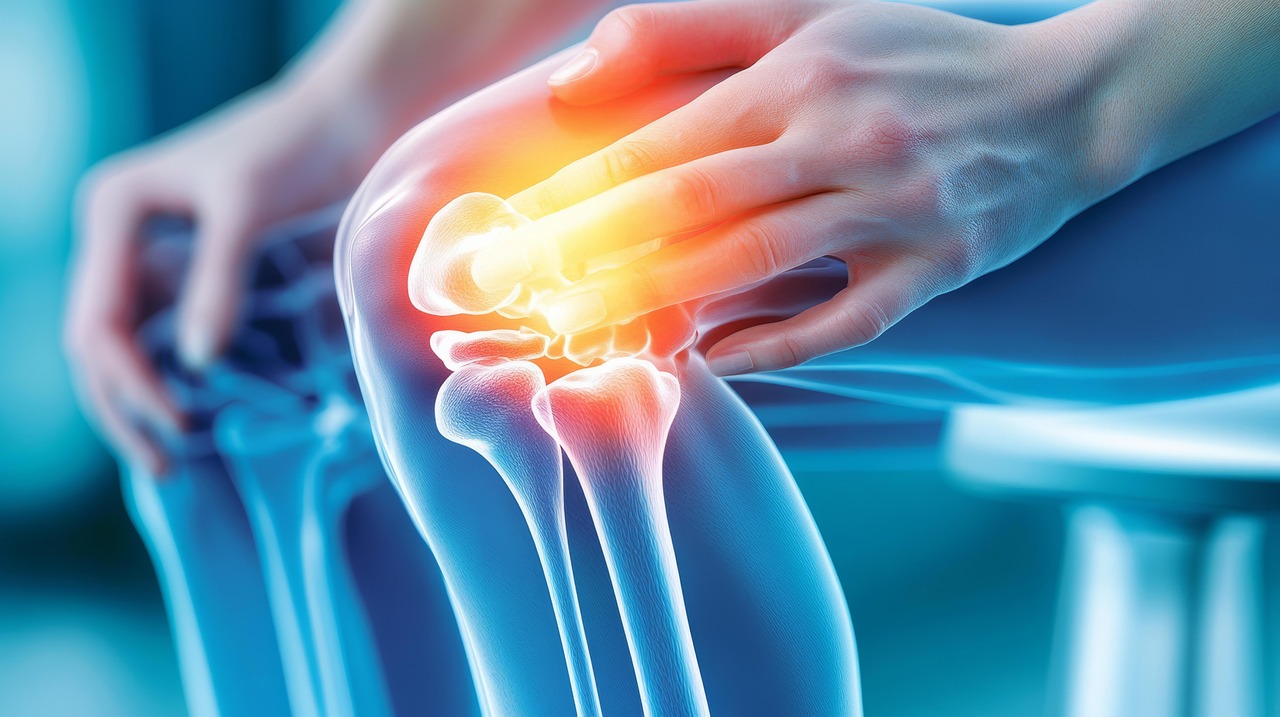
Healthy knees contain a thick substance called synovial fluid, which naturally includes high concentrations of hyaluronic acid. This fluid coats the cartilage, absorbing shock and allowing the bones to glide smoothly. As osteoarthritis progresses, the natural hyaluronic acid breaks down. Gel injections for knee pain attempt to artificially replace this lost fluid, acting like oil in a squeaky hinge.
Why gel shots are usually recommended after cortisone injections or physical therapy
Medical guidelines typically position hyaluronic acid as a middle-tier knee arthritis pain treatment. Cortisone is often used first because it acts rapidly to suppress acute flare-ups, but repeated steroid use can deteriorate cartilage over time. Physical therapy builds supportive muscle, but it hurts to exercise a bone-on-bone joint. Gel shots bridge the gap, providing mechanical lubrication safely after cortisone is no longer a viable option.
How Long Gel Shots Typically Last for Knee Arthritis
Setting realistic expectations is the best way to evaluate whether this treatment is worth your time, energy, and out-of-pocket costs.
Average timelines for symptom relief after viscosupplementation
On average, successful gel shots for knee pain wear off between four to six months after the final injection. The relief is rarely immediate. Most patients need to wait three to five weeks after their final syringe to feel the maximum benefit. Once the peak lubrication is achieved, the body slowly absorbs and breaks down the synthetic hyaluronic acid, leading to a gradual return of stiffness and aching.
Why results vary so much from one patient to the next
Your unique timeline depends heavily on the severity of your arthritis, your daily activity level, and your body’s metabolic rate. A patient who runs on hard pavement will likely wear through the benefits faster than someone who prefers swimming. Furthermore, heavier patients place more mechanical stress on the newly lubricated joint, which can shorten the duration of the relief.
Why Gel Injections Sometimes Stop Working Faster Than Expected
It is incredibly discouraging when a treatment that worked beautifully last year suddenly fails to make a dent in your pain today. There are specific medical reasons why this happens.
When arthritis pain is driven more by inflammation than lubrication
Osteoarthritis is often misunderstood as purely a “wear and tear” disease. In reality, it is a highly inflammatory condition. As cartilage breaks down, the joint lining (synovium) becomes irritated and forms abnormal, microscopic blood vessels. These vessels pump inflammatory chemicals directly into the knee. If your pain is driven by this abnormal blood flow and inflammation, adding a lubricating gel will not resolve the underlying chemical fire.
Why repeat injections often produce weaker results over time
Many patients find that their first gel injection lasts six months, the second lasts three months, and the third barely works at all. As osteoarthritis progresses naturally, the joint space narrows further and inflammation becomes more deeply rooted. Viscosupplementation—how long does it last when the joint is severely degraded? The answer is unfortunately very brief.
Signs Your Gel Injections Are No Longer the Right Treatment
Recognizing when to move on from a failing treatment is essential for preserving your mobility and quality of life.
Pain returns quickly after injections
If you are asking “how long does hyaluronic acid injection last in knee?” because your pain returned just weeks after your last appointment, the therapy is no longer viable. A rapid return of symptoms indicates that mechanical friction is no longer your primary issue.
Walking, stairs, and sleep are getting worse again
When you can no longer navigate a flight of stairs comfortably, or when a deep ache wakes you up in the middle of the night despite recent injections, your arthritis has outpaced the capabilities of hyaluronic acid.
Your doctor starts mentioning knee replacement
Often, when gel injections stop working, orthopedic surgeons view it as the end of the line for conservative care. If your doctor suggests clearing your schedule for a major joint replacement surgery, it means they believe injections have reached their maximum clinical benefit.
Questions about your treatment options? Dr. Fox can help.
Book a ConsultationThis article is part of our Knee Pain Treatments Compared guide.
What Comes After Gel Injections Stop Working?
The moment viscosupplementation fails, patients often feel trapped between living with debilitating pain and undergoing an invasive surgery they aren’t ready for.
More injections vs stronger treatment: what actually makes sense
Repeating a failed treatment hoping for a different outcome only wastes time and money. While some patients blindly continue getting shots every six months, a smarter approach involves stepping up to a stronger, targeted therapy that addresses the root cause of the chronic pain: inflammation.
Why many patients start looking at GAE before surgery
Before accepting a total knee arthroplasty, a growing number of patients are turning to Genicular Artery Embolization. GAE is a minimally invasive procedure designed specifically for patients who have failed conservative therapies but want to avoid the scalpel. It targets the abnormal blood vessels driving the inflammatory pain, offering a sophisticated alternative to knee replacement in NYC.
How GAE Differs From Gel Shots
Understanding the mechanical differences between these two treatments can help you make a confident choice about your next steps. You can explore a detailed breakdown of GAE vs hyaluronic acid gel to see exactly how their mechanisms vary.
Gel injections add cushioning
As established, gel shots are a mechanical approach. They attempt to physically pad the joint to reduce the grinding sensation. They do not address the vascular changes happening in the joint lining.
GAE treats the inflammation causing chronic pain
Genicular Artery Embolization (GAE) is a vascular approach to orthopedic pain. An interventional radiologist pinpoints the exact abnormal blood vessels feeding the inflammation in your knee. By selectively blocking these specific vessels, GAE shuts down the inflammatory process at its source. The body absorbs the excess fluid, the swelling decreases, and the chronic nerve irritation fades away.
Why this matters for patients trying to avoid knee replacement
Because GAE directly alters the inflammatory environment of the knee, the pain relief can last for years rather than months. It requires no large incisions, no physical therapy rehabilitation, and allows patients to go home the same day with a band-aid.
When to Talk to a Specialist About Better Options
You do not have to settle for diminishing returns from temporary treatments.
Patients who may be good candidates for GAE
You might be an excellent candidate for GAE if you have mild to moderate osteoarthritis, persistent pain that limits your daily activities, and a history of failed cortisone or gel injections. To find out if this procedure aligns with your specific medical history, you can review the criteria to see is GAE right for you.
When “just trying another injection” stops being the best plan
There is a profound difference between managing your health and simply putting a band-aid on a worsening problem. When gel shots for knee pain wear off faster than they take effect, it is time to consult with an interventional specialist who understands the vascular components of chronic joint pain.
FAQs About How Long Gel Injections Last
Can gel injections last longer the second time?
Rarely. Because osteoarthritis is a progressive, degenerative disease, the joint environment generally worsens over time. Most patients find that subsequent rounds of gel injections provide shorter durations of relief compared to their initial experience.
Do gel shots work for bone-on-bone knees?
Gel injections are significantly less effective for severe, bone-on-bone arthritis. Without adequate joint space, the hyaluronic acid cannot distribute properly, and the extreme mechanical grinding often overshadows any minor lubricating benefits the gel might offer.
Is GAE better than repeating injections?
For patients with inflammation-driven pain who are experiencing diminishing returns from gel shots, GAE offers a fundamentally different and often highly superior approach. Instead of temporarily lubricating the joint, GAE reduces the inflammatory blood flow causing the pain, typically resulting in much longer-lasting relief.
Find Long-Term Relief
If you are tired of wondering what happens after gel injections stop working, it is time to explore a more permanent solution. At Fox Vein & Vascular, we specialize in helping Manhattan patients break free from the cycle of temporary injections. Contact our clinic today to schedule a comprehensive consultation and discover how Genicular Artery Embolization can help you reclaim your mobility.