For anyone experiencing the discomfort of leg swelling, aching, or the visible signs of varicose veins, compression therapy is often the first line of defense recommended by doctors. These specialized stockings and bandages are a cornerstone of conservative vein care, offering significant relief from many common symptoms. But what exactly is compression therapy, how does it work, and what are its limits? While it is an invaluable tool, understanding its role as a management strategy rather than a cure is essential for long-term vein health.
If you are dealing with vein pain or other vein symptoms in your legs, you’ve likely considered or been told to try compression. This guide will provide a comprehensive overview of compression therapy, detailing its powerful benefits, explaining the different types available, and clarifying its limitations. We will also explore why, for many people, it serves as a crucial bridge to more definitive treatments offered at a leading Manhattan vein clinic.
Understanding the Problem: Why Legs Need Support
To grasp the benefits of compression, it’s important to understand the underlying condition it aims to manage: Chronic Venous Insufficiency (CVI). Your leg veins are designed with a remarkable feature to combat gravity—tiny, one-way valves. As blood flows upward toward the heart, these valves open. They then snap shut to prevent blood from flowing backward.
In CVI, these valves become damaged or weakened. They fail to close properly, allowing blood to leak backward and pool in the lower legs. This process, known as venous reflux, dramatically increases the pressure inside the veins—a state called venous hypertension. This sustained high pressure is the root cause of nearly all vein-related issues, including:
- Leg Swelling and Veins: The high pressure forces fluid out of the veins and into the surrounding tissues, causing edema (swelling), especially in the ankles and lower legs.
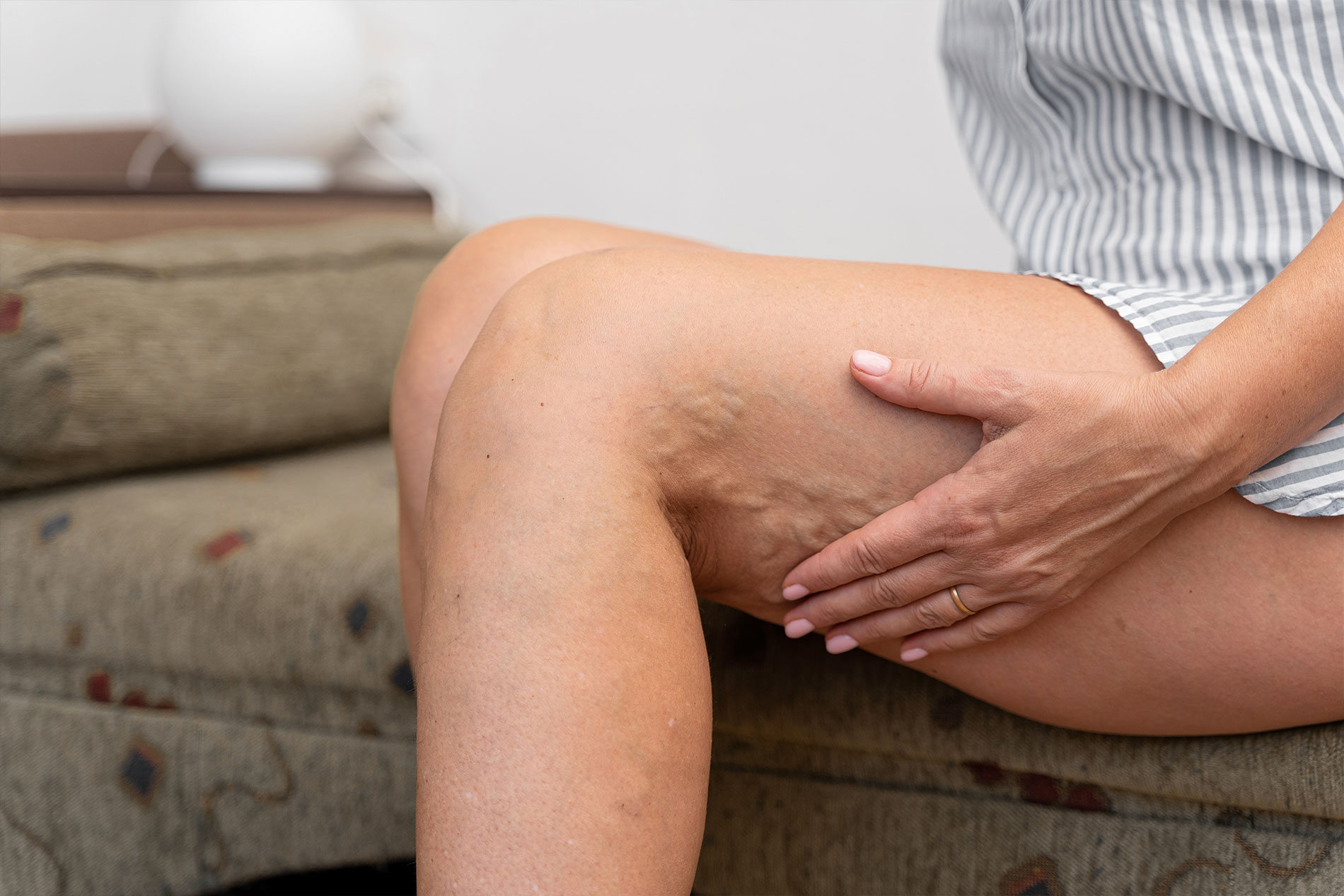
- Varicose Veins: Superficial veins stretch, twist, and bulge under the pressure, creating visible and often painful varicose veins.
- Vein Pain and Discomfort: The pooling and pressure lead to feelings of heaviness, aching, throbbing, cramping, and fatigue in the legs.
- Spider Veins: While smaller, these can also be a sign of underlying venous pressure.
- Skin Damage: Over time, the high pressure can damage the skin, causing discoloration, inflammation (stasis dermatitis), and even open sores known as venous ulcers.
Compression therapy works by applying external pressure to the leg, counteracting the internal pressure caused by CVI.
The Core Benefits of Compression Therapy
When used correctly, graduated compression therapy provides a range of significant benefits by physically supporting your venous system. It acts as an external layer of muscle, helping your veins do their job more effectively.
1. Reduces Swelling (Edema)
This is often the most immediate and noticeable benefit. The external pressure of the stocking or bandage squeezes the leg tissues, making it more difficult for fluid to leak out of the veins. It also helps push the fluid that has already accumulated in the tissues back into the lymphatic and venous systems to be carried away. For individuals who experience significant ankle and leg swelling by the end of the day, putting on compression stockings in the morning can make a world of difference.
2. Improves Venous Blood Flow
The graduated pressure—tightest at the ankle and decreasing up the leg—helps to narrow the diameter of the veins. When the veins are narrower, the velocity of blood flow increases, helping to move it more efficiently toward the heart. This improved circulation also helps the weakened vein valves function better, as the valve flaps are brought closer together, reducing the amount of backward leakage (reflux).
3. Alleviates Pain and Discomfort
By reducing swelling and improving circulation, compression therapy directly addresses the sources of vein pain. The constant, gentle pressure provides support to the tired, aching muscles and veins. Many people report that their legs feel lighter, less heavy, and more energized when they wear their compression garments. This can dramatically improve quality of life, especially for those who spend long hours on their feet.
4. Slows the Progression of Vein Disease
While compression cannot repair damaged valves, it can help slow down the progression of CVI. By controlling venous hypertension, compression therapy reduces the constant stress on the vein walls. This can help prevent existing varicose veins from worsening and may delay the appearance of new ones. It is a key strategy in preventing the transition from mild symptoms to more severe complications like skin discoloration and venous ulcers.
5. Aids in Healing and Preventing Venous Ulcers
For patients with advanced CVI, compression therapy is non-negotiable. It is the cornerstone of treatment for venous leg ulcers. By improving circulation to the skin and reducing the intense pressure around the ankle, compression provides the necessary environment for an open sore to heal. Once an ulcer has healed, continued use of compression is the single most effective measure to prevent it from recurring.
Types of Compression Therapy
When a varicose vein doctor in Manhattan recommends compression, they will specify a particular type and pressure level based on your individual needs. The term “compression therapy” can refer to several different products.
Graduated Compression Stockings
These are the most common form of compression therapy. They are designed to be worn daily and come in a variety of styles, materials, and pressure levels.
Styles:
- Knee-high: The most common style, suitable for most cases of swelling and varicose veins below the knee.
- Thigh-high: Recommended when varicose veins or swelling extend above the knee.
- Pantyhose/Waist-high: Offer full-leg compression and are sometimes preferred for preventing the stockings from rolling down.
Pressure Levels (measured in millimeters of mercury, or mmHg):
- Mild (8-15 mmHg): Over-the-counter stockings suitable for tired, achy legs or for preventing swelling during travel.
- Moderate (15-20 mmHg): The most common starting point for managing mild varicose veins and swelling. Often available over-the-counter or by prescription.
- Firm (20-30 mmHg): Prescription-grade compression used for more significant varicose veins, moderate to severe swelling, post-procedure healing, and managing DVT.
- Extra-Firm (30-40 mmHg and above): High-level prescription compression used for severe CVI, lymphedema, and healing venous ulcers.
It is crucial to be professionally measured and fitted for prescription-grade stockings. An ill-fitting garment can be ineffective or even harmful, potentially cutting off circulation if it is too tight in the wrong places.
Compression Bandages and Wraps
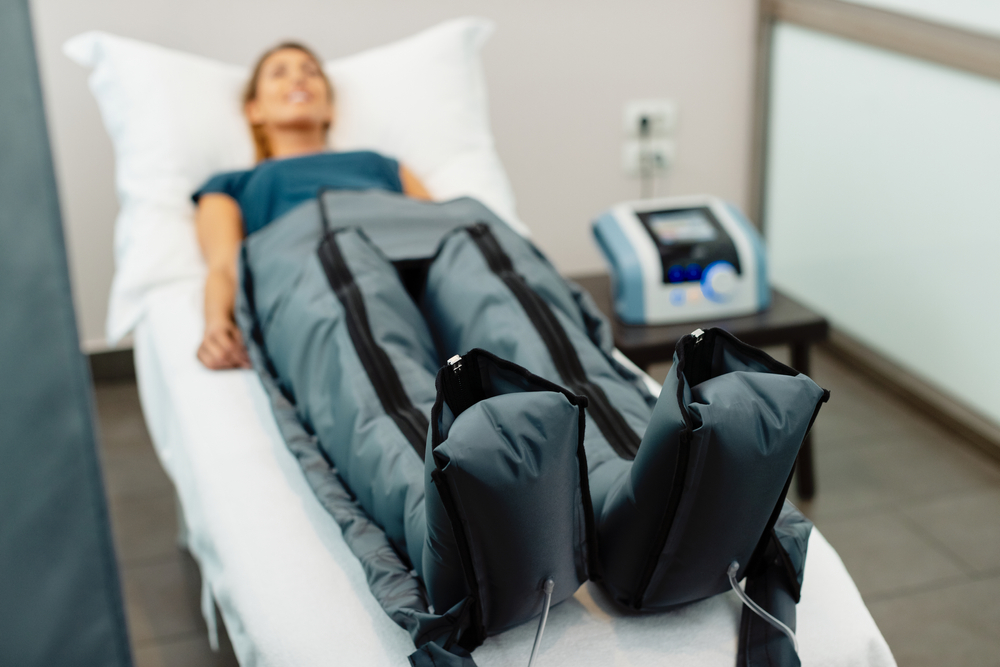
In cases of severe swelling or for the initial treatment of a venous ulcer, a vein specialist may use multi-layer compression bandaging. This involves applying several layers of different types of bandages to create a high level of sustained compression. These are typically applied by a healthcare professional and changed every few days.
Adjustable compression wraps with Velcro straps are another option. They allow the user to set the level of compression themselves and are often easier to put on and take off than high-pressure stockings.
The Critical Limitation: Compression Manages, It Does Not Cure
This is the most important concept to understand about compression therapy. It is an incredibly effective management tool, but it does not fix the underlying mechanical problem of faulty vein valves.
Think of it like wearing glasses for poor vision. The glasses help you see clearly, but they don’t cure your nearsightedness. When you take the glasses off, your vision is still blurry. Similarly, compression stockings provide immense benefits while you are wearing them. They reduce swelling, ease pain, and improve blood flow. But when you take them off at night, the underlying venous reflux and high pressure return. The symptoms will come back the next day if you do not put the stockings back on.
This is a critical distinction because relying solely on compression therapy for a progressive disease means you are only ever treating the symptoms. You are not addressing the root cause. For individuals with significant venous reflux, this can lead to a lifetime of dependency on compression garments without ever resolving the underlying issue. If you are looking for a chronic vein condition specialist near me, you are likely seeking a more permanent solution than simply managing symptoms day after day.
When is Compression Therapy Not Enough?
While compression is a vital part of vein care, there are clear signs that it may be time to seek more definitive “vein treatment near me.” A consultation at a Manhattan vein clinic is warranted when:
- Symptoms Persist or Worsen: If you are wearing your prescribed compression stockings diligently but still experience significant leg pain, swelling, or aching, it’s a sign that the underlying venous hypertension is too severe to be controlled by compression alone.
- Your Varicose Veins Are Progressing: If your bulging veins are becoming larger, more numerous, or more painful despite wearing compression, the disease is actively progressing.
- You Develop Skin Complications: The appearance of skin discoloration (brown or reddish patches), a rash-like inflammation (stasis dermatitis), or hardening of the skin around the ankle are red flags. These indicate that CVI is advancing and putting your skin at risk for ulceration.
- The Inconvenience is Unmanageable: Let’s be practical. High-pressure compression stockings can be difficult to put on, hot to wear in the summer, and can be a daily hassle. For many, the desire for a life free from this daily ritual is a perfectly valid reason to seek a more permanent treatment.
- You Want a Definitive Solution: If you prefer to fix the source of the problem rather than just manage the symptoms indefinitely, it’s time to explore modern, minimally invasive procedures.
The Bridge to a Cure: Modern Vein Treatments
Fortunately, advancements in medical technology mean that patients are no longer limited to a lifetime of compression therapy. The best vein doctor near me can offer a range of office-based, minimally invasive procedures designed to eliminate the source of venous reflux permanently.
These procedures work by closing off the diseased, non-functional veins. Once closed, blood is naturally and immediately rerouted through the many other healthy veins in the leg. This resolves the venous hypertension, which in turn resolves the symptoms. The goal of these treatments is to eliminate the need for daily compression therapy for CVI.
After a thorough duplex ultrasound exam to map your veins, a specialist may recommend:
- Endovenous Laser Therapy (EVLT): Uses laser energy to heat and seal the main refluxing vein, such as the great saphenous vein.
- Radiofrequency Ablation (RFA): Uses radiofrequency energy to achieve the same goal of closing the diseased vein.
- VenaSeal™ Medical Adhesive: A newer technique that uses a medical-grade “glue” to seal the vein shut, often without the need for post-procedure compression stockings.
- Sclerotherapy: The injection of a medicated solution to close smaller varicose veins and spider veins. Ultrasound-guided foam sclerotherapy can be used for larger, more complex veins.
After these procedures, many patients find that their leg swelling, pain, and discomfort are resolved, and they no longer need to wear compression stockings for their CVI. It’s important to note that compression stockings are still a crucial part of the immediate post-procedure recovery for thermal ablation and are always recommended for long-distance travel to prevent blood clots.
The Verdict: A Powerful Partner, Not a Panacea
So, what is the final word on compression therapy? It is an indispensable, powerful, and highly effective tool in the management of Chronic Venous Insufficiency. It provides millions of people with daily relief from uncomfortable and painful symptoms, improves their quality of life, and plays a critical role in healing and preventing serious complications like venous ulcers. For anyone starting their journey with vein care treatment in Manhattan, compression is an essential first step.
However, its limitations are just as important to understand. It is a management strategy, not a cure. It only works while you are wearing it and does not repair the underlying damaged vein valves. Relying on it exclusively when your disease is progressing can mean missing the window for a more definitive, simpler fix.
The best approach to vein health is a comprehensive one. Use compression therapy to manage your symptoms and protect your legs, but also seek a proper diagnosis from a qualified vein specialist. An expert evaluation can determine the true extent of your condition and help you understand all of your options. For many, the ultimate goal is to move beyond daily management to a permanent solution. Modern vein treatments provide a path to that goal, offering a way to fix the problem at its source and free you from the limitations of both vein disease and a lifetime of compression.
If you are ready to explore solutions beyond compression, start by learning about the full range of chronic vein conditions and their definitive treatments. You can also explore specific, minimally invasive procedures like Endovenous Laser Therapy (EVLT), Radiofrequency Ablation (RFA), and VenaSeal™ Closure System available at Fox Vein Care. For a comprehensive look at all advanced therapies, visit our main services page to discover how personalized vein care can help you achieve lasting relief.
Leading Manhattan Vascular & Vein Specialist
At Fox Vein Care, we provide state-of-the-art vascular and venous treatments, combining advanced diagnostic technology with minimally invasive procedures that prioritize comfort, safety, and outstanding results.
Contact Us