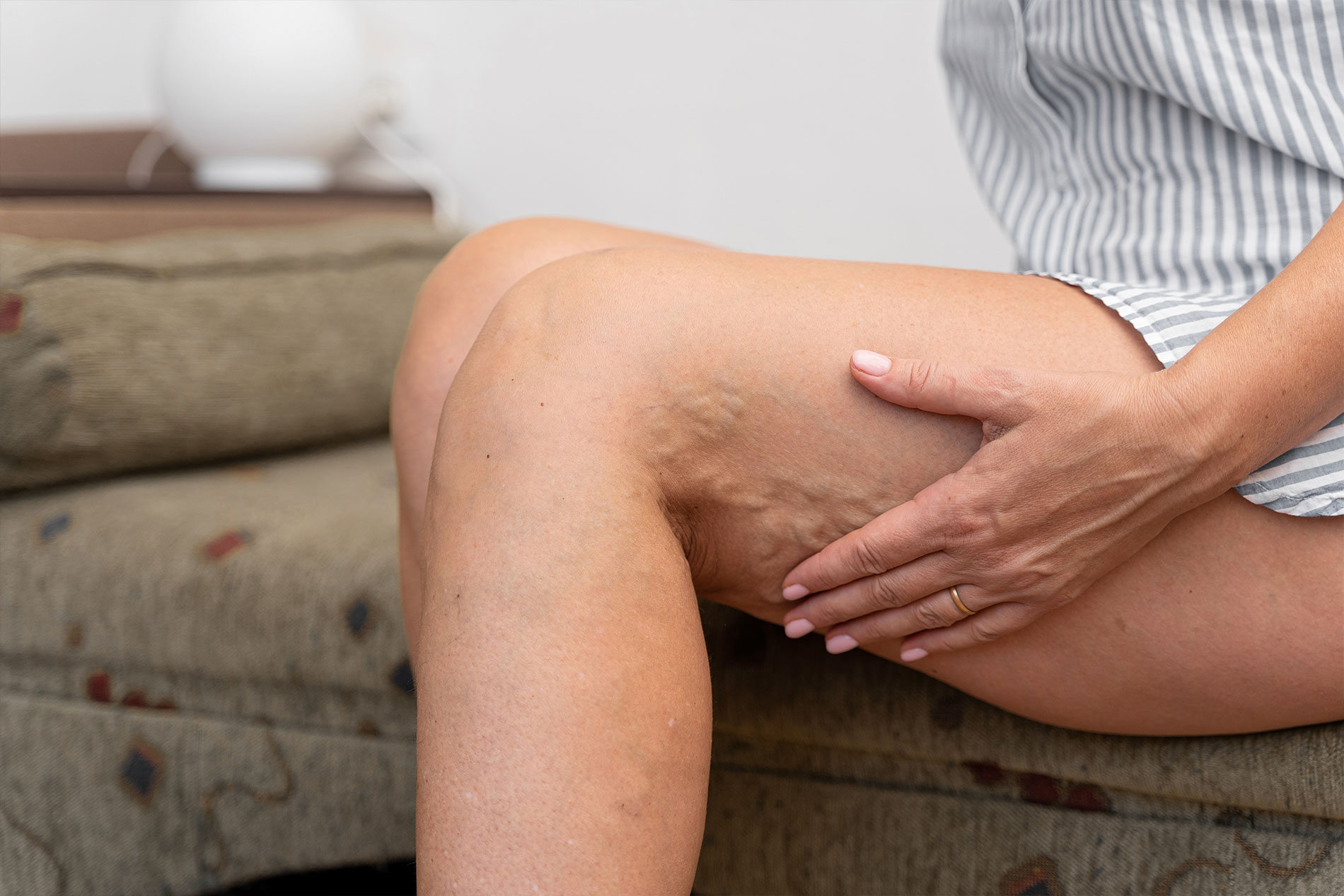

Varicose veins are often seen as a cosmetic nuisance, characterized by their twisted, bulging appearance on the surface of the legs. While many people are concerned about how these veins look, a more pressing question often arises: are they dangerous? Specifically, many wonder if there is a link between varicose veins and the development of blood clots. The short answer is yes, the presence of varicose veins can increase your risk for certain types of blood clots. Understanding this connection is vital for your health and for making informed decisions about your care.
The circulatory issues that cause varicose veins can create an environment where blood clots are more likely to form. This guide will explore the relationship between varicose veins and blood clots in detail. We will examine the different types of clots, explain why varicose veins increase the risk, identify the warning signs, and discuss the importance of seeking professional evaluation from a varicose vein doctor in Manhattan. Knowing the facts can help you take proactive steps to protect your vascular health.
The Foundation: Understanding Varicose Veins
To grasp how varicose veins can lead to blood clots, it’s essential to first understand the underlying condition that causes them: chronic venous insufficiency. Your circulatory system is a complex network of arteries and veins. Arteries carry oxygenated blood from the heart to the rest of the body, while veins are responsible for returning deoxygenated blood back to the heart. In your legs, this return trip is an uphill battle against gravity.
To aid this process, veins are equipped with tiny, one-way valves. These valves open to allow blood to flow upward toward the heart and then snap shut to prevent it from flowing backward. Chronic venous insufficiency occurs when these valves become weak, damaged, or fail to close properly. This malfunction allows blood to flow backward and pool in the lower veins, a condition known as venous reflux.
The pooling blood significantly increases the pressure inside the affected veins. This elevated pressure, or venous hypertension, causes the vein walls to stretch, twist, and enlarge, creating the visible bulging veins we identify as varicose veins.
Several factors contribute to the development of varicose veins, including:
- Heredity: A family history is the most significant risk factor.
- Age: Vein valves can weaken with age.
- Gender: Hormonal fluctuations in women can affect vein walls.
- Pregnancy: Increased blood volume and pressure on pelvic veins contribute to the condition.
- Obesity: Excess weight adds pressure to leg veins.
- Prolonged Standing or Sitting: Inactivity hinders proper blood circulation.
These varicose veins are not just a cosmetic issue; they are a sign of a malfunctioning circulatory system, which sets the stage for more serious complications, including blood clots. To learn more about the nature of varicose veins and the distinct vein conditions that affect the legs, visit Varicose Veins – Manhattan Vein Treatment. If you’re interested in learning more about advanced care options and treatments for varicose veins, you can find comprehensive details at Manhattan Vein Treatment.
The Two Main Types of Blood Clots Linked to Varicose Veins
When people talk about blood clots, they are generally referring to thrombosis, which is the formation of a clot (thrombus) inside a blood vessel. In the context of venous disease, there are two primary types of clots to be aware of: Superficial Thrombophlebitis and Deep Vein Thrombosis (DVT).
Superficial Thrombophlebitis (SVT)
Superficial thrombophlebitis is a blood clot that forms in a vein close to the surface of the skin. This condition is frequently associated with varicose veins. The slow, sluggish blood flow within the twisted, enlarged varicose veins creates an ideal environment for a clot to develop. SVT is often accompanied by inflammation of the vein wall (phlebitis).
Symptoms of Superficial Thrombophlebitis:
- Localized Pain and Tenderness: The area directly over the affected vein becomes painful to the touch.
- Redness and Inflammation: The skin over the vein may appear red and feel warm.
- A Firm, Hard Cord: You may be able to feel the clotted vein as a hard, tender lump or cord beneath the skin.
- Swelling: Some localized swelling may occur around the affected area.
While SVT is generally considered less dangerous than a deep vein clot because it occurs in surface veins, it should never be ignored. It causes significant vein pain and discomfort, and more importantly, it can be a warning sign. Studies have shown that a significant percentage of patients with SVT also have a concurrent, more dangerous Deep Vein Thrombosis. Therefore, anyone experiencing symptoms of SVT should seek immediate medical evaluation from a vein specialist near me.
Deep Vein Thrombosis (DVT)
Deep Vein Thrombosis is a much more serious condition. A DVT is a blood clot that forms in one of the large, deep veins of the body, most commonly in the leg. These are the primary veins responsible for transporting large volumes of blood back to the heart.
The link between varicose veins and DVT is well-established. Research indicates that individuals with varicose veins have a five to six times higher risk of developing a DVT compared to those without. The sluggish blood flow and inflammation associated with chronic venous insufficiency are major contributing factors to this increased risk.
The Dangers of DVT:
The primary danger of a DVT is the risk of a pulmonary embolism (PE). This occurs when a piece of the blood clot breaks off, travels through the bloodstream to the heart, and then gets lodged in the pulmonary arteries, which supply blood to the lungs. A pulmonary embolism is a life-threatening medical emergency that can block blood flow to the lungs and be fatal.
Symptoms of Deep Vein Thrombosis:
DVT symptoms can be subtle, and in some cases, there are no symptoms at all. However, common warning signs include:
- Swelling in One Leg: Unilateral swelling is a classic sign of DVT. The entire leg, or just the calf, may become swollen.
- Leg Pain or Tenderness: The pain is often described as a cramp or soreness, similar to a pulled muscle. It can occur in the calf or thigh.
- Warmth in the Affected Area: The skin of the affected leg may feel warmer than the other leg.
- Skin Discoloration: The leg may appear reddish or bluish.
Symptoms of a Pulmonary Embolism (PE):
If a DVT has led to a PE, you may experience:
- Sudden shortness of breath
- Sharp chest pain, especially when you take a deep breath
- A rapid heart rate
- Unexplained cough, sometimes with bloody mucus
- Dizziness or fainting
If you experience any symptoms of DVT or PE, you must seek emergency medical attention immediately.
How Do Varicose Veins Increase the Risk of Blood Clots?
The connection between varicose veins and blood clots is rooted in a principle known as Virchow’s Triad. This medical concept, described in the 19th century, outlines the three primary factors that contribute to thrombosis:
- Venous Stasis (Sluggish Blood Flow): In healthy veins, blood flows smoothly and consistently. In varicose veins, the faulty valves and twisted vessel shape cause blood to pool and become stagnant. This slow-moving blood is much more likely to clot than blood that is circulating properly.
- Endothelial Damage (Injury to the Vein Wall): The constant high pressure and inflammation inside varicose veins can damage the endothelium, which is the smooth, delicate inner lining of the vein. A damaged vein wall can trigger the body’s clotting response, leading to the formation of a thrombus.
- Hypercoagulability (Changes in Blood Composition): While less directly caused by varicose veins themselves, conditions that make the blood “thicker” or more prone to clotting can compound the risk. The inflammation associated with severe venous disease can contribute to a hypercoagulable state.
Varicose veins directly contribute to at least two of these three factors—venous stasis and endothelial damage—creating a high-risk environment for both SVT and DVT. This is why having your varicose veins evaluated by a chronic vein condition specialist near me is not just about cosmetics; it’s about managing a significant health risk.
When to Consult a Vein Specialist in Manhattan
Given the risks, it is crucial not to self-diagnose or ignore vein symptoms in legs. If you have varicose veins, especially if they are accompanied by pain, swelling, or skin changes, it’s time to schedule a consultation at a reputable Manhattan vein clinic.
You should seek professional advice if you notice:
- Visible, bulging veins on your legs.
- Persistent vein pain, aching, throbbing, or cramping in your legs.
- Swelling in your ankles or lower legs, particularly at the end of the day.
- Any signs of superficial thrombophlebitis, such as a red, hard, tender cord under the skin.
- Symptoms of DVT, including unilateral leg swelling and calf pain (seek immediate care).
An experienced vascular specialist can provide a definitive diagnosis and assess your overall risk.
The Diagnostic Process: What to Expect
A thorough evaluation for venous disease is non-invasive and painless. When you visit a top varicose vein doctor in Manhattan, the process will typically involve:
- Medical History and Physical Exam: Your doctor will discuss your symptoms, risk factors, and family history. They will then conduct a visual and physical examination of your legs to assess the extent of your varicose veins and check for signs of complications.
- Vascular Ultrasound (Duplex Scan): This is the most important diagnostic tool. A vascular ultrasound uses sound waves to create a detailed map of your venous system. It allows the specialist to visualize the veins, identify faulty valves, measure the amount of venous reflux, and, most importantly, check for the presence of blood clots in both the superficial and deep veins.
This comprehensive evaluation provides all the information needed to determine the severity of your condition and to create an effective, personalized treatment plan.
Modern Vein Treatment: Reducing Your Risk and Relieving Symptoms
The primary goal of varicose vein treatment is to eliminate venous reflux. By closing off the diseased veins, blood flow is redirected to healthy veins, which restores normal circulation. This not only alleviates painful symptoms like aching and swelling but also significantly reduces the risk of future complications, including blood clots.
Modern vein care treatment in Manhattan has moved away from traditional, invasive vein stripping. Today’s procedures are minimally invasive, performed in an office setting, and require little to no downtime.
Leading-Edge Treatment Options
A specialized Manhattan vein clinic like Fox Vein Care will offer a variety of advanced treatments tailored to your specific needs.
Endovenous Laser Treatment (EVLT)
EVLT is the gold standard for treating the underlying cause of large varicose veins. A vascular surgeon uses ultrasound guidance to insert a very thin laser fiber into the malfunctioning vein. The laser delivers controlled heat, which seals the vein closed from the inside. Blood is then naturally rerouted to healthy veins. The procedure is done with local anesthetic and takes less than an hour.
Sclerotherapy
Sclerotherapy is a highly effective treatment for both spider veins and smaller varicose veins. A specialized solution, called a sclerosant, is injected into the vein. This solution irritates the vein lining, causing it to collapse and be absorbed by the body. For deeper feeder veins, the specialist may use ultrasound-guided foam sclerotherapy to ensure precise delivery of the medication.
Ambulatory Phlebectomy
This procedure is used to remove large, bulging surface veins that are visible on the leg. The doctor makes tiny micro-incisions (so small they often don’t require stitches) and removes the problem vein in small segments. It provides immediate cosmetic improvement and is often performed in conjunction with EVLT.
By seeking vein treatment near me, you are taking a crucial step toward not only improving the look and feel of your legs but also protecting yourself from the serious risks associated with blood clots.
Proactive Steps for Vein Health
While professional treatment is the most effective way to manage varicose veins and their associated risks, there are several lifestyle measures you can adopt to support your vein health:
- Stay Active: Regular exercise, especially walking, swimming, and cycling, helps pump blood out of the legs and improves circulation.
- Maintain a Healthy Weight: Losing excess weight reduces the pressure on your leg veins.
- Elevate Your Legs: When resting, prop your legs up above the level of your heart to help gravity drain blood from your lower legs.
- Avoid Prolonged Inactivity: If your job requires long periods of sitting or standing, take frequent breaks to walk around and stretch.
- Wear Compression Stockings: Medical-grade compression stockings provide external support to your veins, helping to improve blood flow and reduce swelling. A vein specialist can recommend the appropriate compression level for you.
Your Health Is Too Important to Ignore
The connection between varicose veins and blood clots is real and backed by medical science. While not every person with varicose veins will develop a blood clot, the risk is significantly elevated. Treating varicose veins is a medical necessity, not just a cosmetic choice. It is a proactive measure to prevent serious, and potentially life-threatening, conditions like DVT and pulmonary embolism.
If you have bulging veins, leg pain, or other vein-related symptoms, don’t wait for a complication to arise. Schedule a consultation with a qualified vein specialist near me. A thorough evaluation will give you peace of mind and a clear plan to restore your vascular health, so you can live an active, pain-free life with confidence.
Leading Manhattan Vascular & Vein Specialist
At Fox Vein Care, we provide state-of-the-art vascular and venous treatments, combining advanced diagnostic technology with minimally invasive procedures that prioritize comfort, safety, and outstanding results.
Contact Us