Introduction
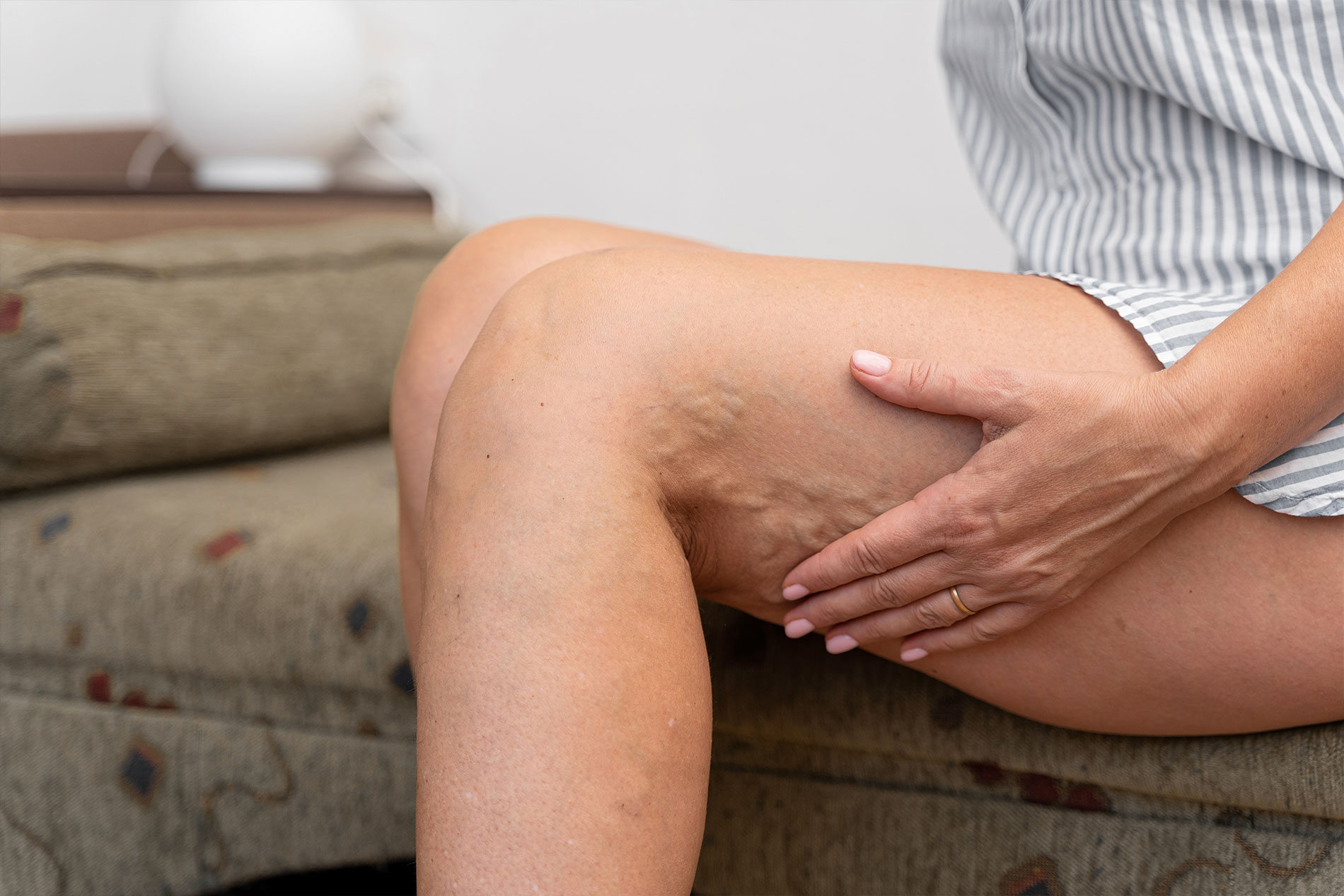
As the temperatures drop and the layers of clothing pile on, most people put the thought of their legs on the back burner. It is easy to ignore spider veins when they are hidden behind denim jeans, thick tights, or wool trousers. We often wait until the first warm day of spring to look in the mirror and realize we aren’t quite ready for shorts season.
However, if you ask any Manhattan vein clinic expert, they will tell you that the cold months are actually the “prime time” for vein care. While it might seem counterintuitive to think about bare legs when there is snow on the ground, strategic timing is the secret to achieving flawless results by summer.
Deciding to undergo a cosmetic or medical procedure requires planning. Unlike getting a haircut or a manicure, treating spider veins and varicose veins involves a biological healing process that takes time. The results are not instantaneous.
If you’re considering treatment or want more information about your options, you can visit the Fox Vein Care Spider Vein Treatment page for details on procedures, recovery, and what to expect.
In this guide, we will explore why timing matters so much for vein treatment. We will discuss the impact of sunlight, the necessity of compression garments, and the timeline required to heal. Whether you are looking for a vein specialist near me to treat cosmetic blemishes or a chronic vein condition specialist near me to address painful symptoms, understanding the “vein season” is the first step toward healthier, better-looking legs.
The Unspoken Rule of Vein Care: Start in Winter
Why “Vein Season” Exists
In the world of aesthetics and vascular medicine, autumn and winter are affectionately known as “vein season.” This isn’t just a marketing term; it is based on the practical realities of recovery and skin biology.
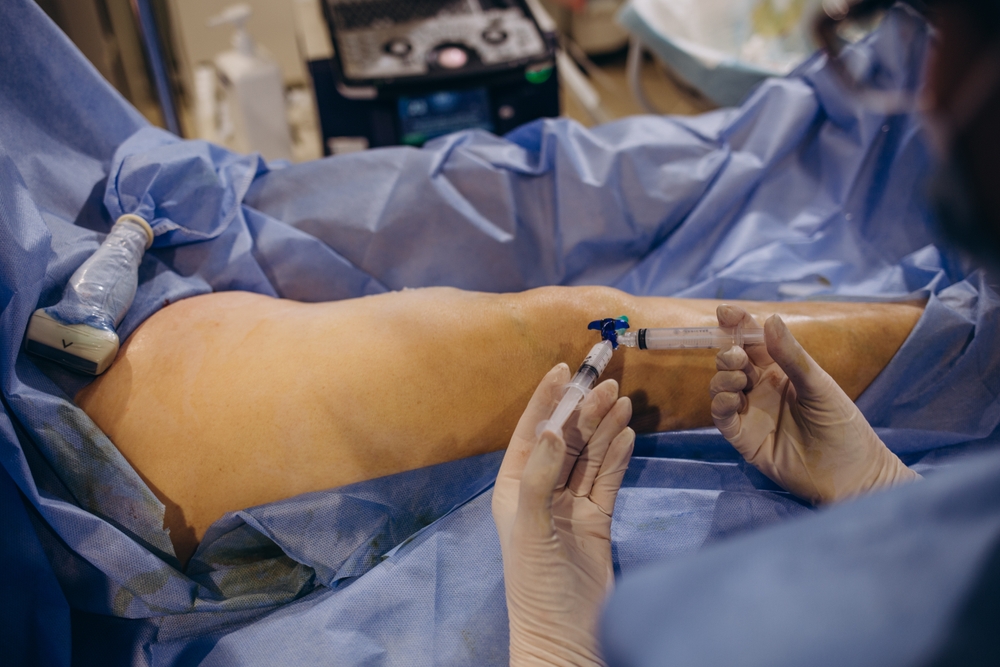
When you treat spider veins—whether through sclerotherapy or laser treatments—you are essentially damaging the vein to destroy it. This process triggers an inflammatory response. Your body needs time to absorb the treated vessel and heal the surrounding tissue. This healing process is far easier to manage when the weather is cool and your social calendar involves more indoor dinners than beach parties.
Hiding the Evidence
One of the primary reasons patients choose to visit a vein specialist Manhattan in the winter is discretion. Immediately after treatment, your legs will likely look worse before they look better. You may experience:
- Bruising at the injection sites.
- Redness or inflammation.
- Trapped blood that looks like dark lumps.
- Tape marks or cotton ball impressions from post-procedure dressing.
If you undergo treatment in July, hiding these temporary side effects requires long pants in sweltering heat. In January or February, however, you are likely already wearing pants or opaque tights. This allows you to undergo your sessions discreetly, without anyone knowing you are in the midst of a transformation.
The Comfort of Compression
Almost every effective vein care treatment Manhattan protocol involves the use of compression stockings. These tight, elastic garments are crucial for success. They compress the treated veins, preventing blood from rushing back in and reopening them. They also reduce bruising and lower the risk of complications like Deep Vein Thrombosis (DVT).
Wearing medical-grade compression stockings in 90-degree New York City humidity is, to put it mildly, uncomfortable. They are thick, warm, and difficult to put on. In the winter, however, they serve a dual purpose: providing the necessary medical pressure for your veins and adding an extra layer of warmth against the chill. Most patients find that complying with compression protocols is significantly easier during the cooler months.
Sunlight and Your Skin: A Critical Factor
The Risk of Hyperpigmentation
If you are searching for a best vein doctor near me, you need someone who understands dermatology as well as vascular health. One of the biggest risks of treating veins during the summer is sun exposure.
After sclerotherapy or laser treatment, the skin is highly sensitive. If UV rays hit the treated areas while they are inflamed or bruising, it can lead to hyperpigmentation. This is a darkening of the skin that can be permanent or take months to fade.
The inflammatory process causes iron pigments (hemosiderin) from the blood to settle in the skin. Sun exposure “bakes” this pigment in, similar to a tattoo. By scheduling your treatments in the winter, when your legs are naturally covered and UV levels are lower, you drastically reduce the risk of staining your skin.
Avoiding “Tan” Bans
Furthermore, many laser treatments cannot be performed on tanned skin. Lasers target pigment (melanin) or hemoglobin. If you have a fresh tan—whether from the sun or a bottle—the laser might target the melanin in your skin instead of the vein, leading to burns or hypopigmentation (white spots).
A vein specialist near me will often refuse to treat patients who have recently been tanning to ensure safety. Treating in the winter ensures your skin is at its palest, which is the safest baseline for laser energy.
The Timeline of Results: Patience is Key
It is Not a “One-Done” Deal
A common misconception is that you can walk into a varicose vein doctor Manhattan office in May and have perfect legs by Memorial Day. Unfortunately, vein treatment is a process, not an event.
Depending on the severity of your spider veins or bulging veins, you may need multiple sessions spaced several weeks apart.
- Session 1: Initial treatment.
- Wait Period: 4-6 weeks for healing.
- Session 2: treating remaining veins or stubborn areas.
- Wait Period: Another 4-6 weeks.
- Final Fading: The body continues to absorb the treated veins for months.
If you start in November or December, you have ample time to complete 3 to 4 cycles of treatment and let the fading process finalize before swimsuit season arrives.
The “Ugly Duckling” Phase
We briefly mentioned that legs look worse before they look better, but it is worth emphasizing. After sclerotherapy, the veins may darken and look more prominent for a few weeks. This is the “ugly duckling” phase.
If you treat your veins in the summer, you might feel self-conscious exposing your legs during this phase. By treating in the winter, the “ugly duckling” phase happens entirely undercover. By the time you are ready to reveal your legs, the swan has already emerged.
Can You Treat Veins in the Summer?
It is Not Impossible, Just Requires Care
Does this mean you are forbidden from seeing a vein specialist near me in July? Absolutely not. While winter is ideal, summer treatments are possible if you are willing to follow strict guidelines.
If you are suffering from vein pain, leg swelling and veins, or vein symptoms in legs like heaviness and cramping, you should never delay medical treatment due to the season. Medical necessity always trumps cosmetic timing.
However, for summer treatments, you must be vigilant:
- Strict Sun Avoidance: You must keep the treated area completely covered or use high-SPF zinc oxide sunscreen religiously.
- Cool Environments: You will need to stay in air conditioning to tolerate the compression stockings.
- No Swimming: You typically cannot submerge your legs in pools, lakes, or oceans for a week or two after injections to prevent infection. This can put a damper on summer vacations.
Medical vs. Cosmetic Urgency
If your condition involves varicose veins that are causing chronic vein condition specialist near me level symptoms—such as ulcers or severe edema—the “best time” is immediately. Waiting for winter could allow the condition to progress, leading to more damage.
Large, ropey veins are a sign of significant venous insufficiency. In these cases, the cosmetic outcome is secondary to vascular health. A Manhattan vein clinic can perform procedures like Endovenous Laser Ablation (EVLA) year-round. Since this procedure is done internally on deeper veins, sun exposure is slightly less of a concern than with surface spider veins, though compression stockings are still required.
The Psychological Benefit of Early Action
Confidence Takes Preparation
There is a psychological component to feeling “beach ready.” Many of us experience anxiety as summer approaches, worrying about how we will look in lighter clothing. Dealing with spider veins early in the year eliminates one major source of that anxiety.
Knowing your legs are cleared and healed allows you to shop for summer clothes with excitement rather than dread. It removes the panic of trying to find a vein treatment near me appointment in April, when clinics are often fully booked with procrastinators.
Budgeting for Treatment
Starting early also helps with financial planning. Since cosmetic vein treatments are often out-of-pocket expenses, spreading sessions out over the winter months can make the cost more manageable compared to paying for a rushed cluster of treatments in the spring.
Choosing the Right Specialist: Why Expertise Matters Year-Round
Beyond the Season
While timing is important, the most critical factor in your success is the skill of your provider. You might find plenty of spas offering vein zapping, but finding a board-certified vein specialist Manhattan ensures you are getting medical-grade care.
A true specialist understands the complex architecture of the venous system. They know that a tiny spider vein on the surface might be fed by a larger, invisible reticular vein. Treating the surface without addressing the feeder is like painting over a crack in the wall without fixing the foundation—it will just come back.
To understand the full spectrum of care a professional specialist offers, consider exploring the comprehensive spider vein treatment options in Manhattan. This resource outlines why expertise and a thorough approach matter for both effective medical and cosmetic results.
Diagnostic Precision
When you search for Vein treatment near me, look for clinics that offer comprehensive diagnostic ultrasound. This tool allows the doctor to see beneath the skin.
Sometimes, what looks like a cosmetic issue is actually a medical one. If you have vein symptoms in legs like aching or throbbing, insurance might cover your treatment. A qualified varicose vein doctor Manhattan will be able to navigate the insurance landscape for you, distinguishing between medical necessity and aesthetic desire.
For a deeper dive into how specialists diagnose and treat these issues, you can review specific treatment protocols here: https://foxvein.com/manhattan-vein-treatment/spider-veins/.
Related Concerns: When Leg Pain Isn’t Veins
The Orthopedic Overlap
It is also worth noting that winter is a common time for joint pain to flare up. Cold weather often aggravates arthritis. Patients frequently visit a doctor complaining of “leg pain,” unsure if it is their veins or their knees.
If you have been searching for a knee specialist near me or a knee pain specialist near me, it is helpful to know that vascular specialists and orthopedic issues often overlap. Osteoarthritis pain can sometimes be treated vascularly through Genicular Artery Embolization (GAE), a procedure that reduces inflammation in the knee.
For patients seeking non-surgical knee pain relief, Genicular Artery Embolization (GAE) is one of the most advanced osteoarthritis treatments available today.
While you are addressing your veins during the winter downtime, it is an excellent opportunity to evaluate other sources of leg pain. Whether you need a chronic knee pain doctor NYC or a vein expert, comprehensive vascular clinics often have the diagnostic tools to differentiate between venous insufficiency and joint issues. So, if you are looking for knee pain treatment Manhattan or an orthopedic knee doctor near me, consider that a vascular evaluation might provide surprising answers.
Preparing for Your Appointment
What to Expect
Once you decide to take advantage of the winter months, here is how to prepare for your visit to a Manhattan vein clinic:
- Avoid lotions: Do not apply moisturizer to your legs on the day of the appointment; it makes the skin slippery and hard to clean.
- Bring shorts: You will need to expose your legs for the procedure.
- Hydrate: Well-hydrated veins are easier to access.
- Bring your stockings: If you have already been prescribed compression stockings, bring them with you to put on immediately after the procedure.
The Consultation
Your first visit will involve a mapping of your veins. The doctor will determine if you are a candidate for sclerotherapy (injections), laser, or a combination of both. They will outline a treatment plan that fits into your winter schedule, ensuring you are healed by the time the temperature rises.
Conclusion: Don’t Wait for the Thaw
While you can treat veins at any time of year, the smartest patients choose the path of least resistance: winter treatment.
By acting now, you leverage the cold weather to your advantage. You can hide the bruising, comfortably wear the compression, and avoid the sun without altering your lifestyle. Most importantly, you give your body the time it needs to heal naturally and fully.
If you are tired of hiding your legs, do not wait until you want to show them off to seek help. Search for a vein specialist near me today and book your consultation. Use the winter months to invest in yourself, so when summer arrives, the only thing you have to worry about is which swimsuit to buy.
Whether you are dealing with spider veins, bulging veins, or general vein pain, a Manhattan vein clinic can customize a plan that works for your timeline. Want to learn more about your options or discover which treatment might be best for you? Read about spider vein treatments in detail at Fox Vein Care’s dedicated spider veins page. Get started now, and step into spring with confidence.
Frequently Asked Questions
1. How long does it take for spider veins to fade after treatment?
Results vary, but typically, spider veins begin to fade within 3 to 6 weeks after treatment. However, complete clearing can take several months, which is why starting in winter is recommended.
2. Can I fly after vein treatment?
For minor spider vein treatments, short flights are usually fine. However, for longer flights or more extensive vein procedures, your doctor may advise waiting a few days to reduce the risk of blood clots (DVT). Always consult your vein specialist near me before travel.
3. Is winter dry skin a problem for treatment?
Dry skin is common in winter, but it doesn’t prevent treatment. However, you should avoid applying lotion on the day of your appointment. After the procedure, keeping the skin moisturized (once the puncture sites heal) is beneficial.
4. If I treat them now, will they come back by summer?
The treated veins are destroyed permanently and will not come back. However, if you are prone to them, new veins can form over time. treating them in winter ensures the current batch is gone by summer.
5. Does insurance cover spider vein removal?
Generally, spider vein treatment is considered cosmetic and is not covered. However, if you have vein symptoms in legs like pain or swelling caused by underlying venous insufficiency, the medical portion of the treatment might be covered. A varicose vein doctor Manhattan can help verify your benefits.
Leading Manhattan Vascular & Vein Specialist
At Fox Vein Care, we provide state-of-the-art vascular and venous treatments, combining advanced diagnostic technology with minimally invasive procedures that prioritize comfort, safety, and outstanding results.
Contact Us