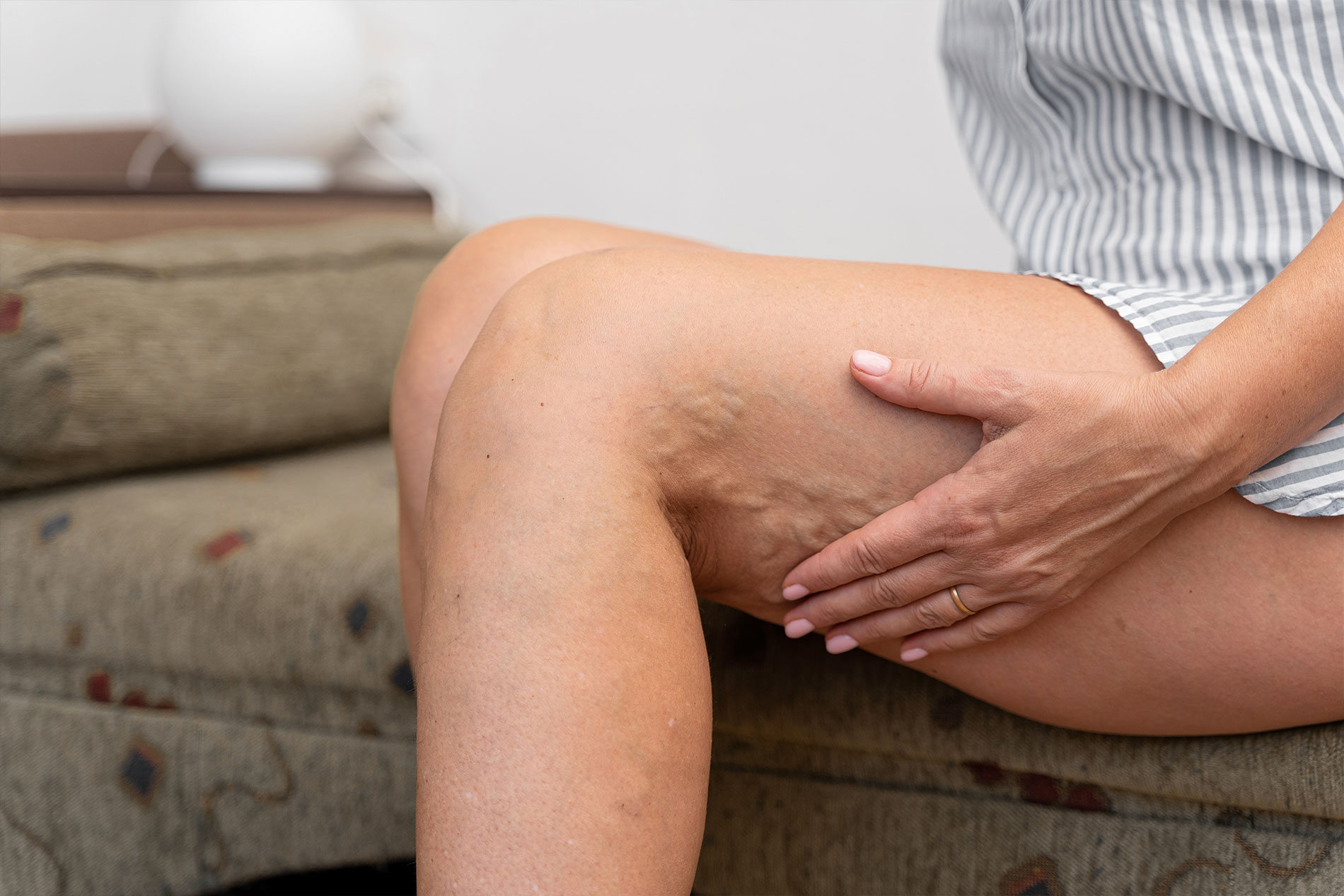

When facing a diagnosis of Peripheral Artery Disease (PAD), the single most important decision you will make is choosing the right doctor. This choice is not just about finding medical care; it’s about finding a dedicated partner who has the specialized expertise to manage your condition, alleviate your symptoms, and protect your long-term health. The right PAD specialist can mean the difference between a life limited by leg pain and a future of improved mobility and well-being.
PAD is a complex circulatory condition caused by blocked leg arteries, leading to poor blood flow in legs and potentially severe complications. The expertise of the physician guiding your Peripheral Artery Disease treatment directly impacts your outcome. In a city as large as New York, the options can seem overwhelming, but knowing what to look for can empower you to select a specialist who can provide the highest standard of care.
This guide will walk you through the essential criteria for choosing the best PAD specialist in NYC. We will cover the critical qualifications, the importance of advanced technology, and the personal attributes that define a truly great vascular doctor. Your health and mobility are invaluable, and finding the right expert is the first and most crucial step in preserving them.
The Foundation of Excellence: Essential Qualifications of a Top PAD Specialist
Not all doctors who treat vascular issues have the same level of training or focus. When your health is on the line, you need a true expert. Here are the non-negotiable qualifications to look for in a top-tier PAD specialist.
1. Board Certification in Vascular Surgery
This is the gold standard and the most important credential to verify. Board certification is a rigorous process that goes far beyond a medical license.
- What it means: A board-certified vascular surgeon has completed years of intensive, specialized training focused exclusively on the body’s complex network of arteries and veins. They have passed comprehensive written and oral examinations administered by a national board, such as the American Board of Surgery, demonstrating their mastery of the field.
- Why it matters for PAD: PAD is an arterial disease. A vascular surgeon has an in-depth understanding of arterial anatomy, the progression of atherosclerosis, and the full spectrum of treatment options, from medical management to the most complex surgical and endovascular procedures. This ensures they can handle any situation that arises, from simple blockages to limb-threatening emergencies. Choosing a board-certified vascular surgeon in Manhattan guarantees a level of expertise that is critical for optimal outcomes.
2. Extensive Experience and a Focus on PAD
Within the specialty of vascular surgery, look for a doctor who has a dedicated focus on treating PAD.
- What to look for: Ask about the doctor’s experience. How many PAD patients do they see each year? How many minimally invasive procedures, like angioplasty or atherectomy, do they perform? A specialist who dedicates a significant portion of their practice to PAD will have encountered a wide range of cases and will be adept at handling both straightforward and complex scenarios.
- Why experience matters: Repetition builds mastery. A high-volume PAD specialist is more likely to be up-to-date on the latest techniques, have better technical skills, and possess the nuanced judgment that comes only from years of hands-on experience. This experience is invaluable when it comes to navigating tricky blockages or making critical decisions during a procedure.
3. Expertise in Minimally Invasive Treatments
The field of PAD treatment has been revolutionized by endovascular (catheter-based) techniques. The best PAD specialists are masters of these modern, less invasive approaches.
- What it means: An expert in minimally invasive treatments for PAD is proficient in procedures like balloon angioplasty, atherectomy, and stenting. These techniques allow the doctor to fix blocked arteries from the inside, using tiny catheters inserted through a small puncture in the skin.
- Why it matters: These procedures offer significant benefits over traditional open surgery, including less pain, lower risk of complications, and a much faster recovery. A specialist committed to a minimally invasive philosophy will always try to solve the problem in the least disruptive way possible, reserving open surgery only for cases where it is absolutely necessary. This approach prioritizes your comfort and quick return to normal life.
4. A Commitment to Limb Preservation
For patients with advanced PAD, the risk of amputation is a serious concern. A top specialist should have a proven track record and a stated commitment to limb preservation.
- What it means: This is a philosophy of care that prioritizes saving a limb, even in the face of severe disease, such as non-healing ulcers or gangrene. A limb-salvage expert will exhaust every available option to restore blood flow and promote healing. This requires advanced skills in treating complex blockages in the small arteries below the knee.
- Why it matters: A specialist focused on limb preservation will not give up easily. They understand the profound impact that amputation has on a person’s life and are dedicated to preventing it. This commitment drives them to use the most advanced techniques available to save at-risk limbs, often successfully treating patients who were told elsewhere that amputation was their only option.
The Importance of Advanced Technology and In-House Diagnostics
The best doctors need the best tools. A specialist’s ability to diagnose and treat your PAD effectively is heavily dependent on the technology they have at their disposal. Choosing a practice that has invested in state-of-the-art equipment is a key indicator of quality.
In-House Vascular Laboratory for Rapid PAD Diagnosis
A practice with an integrated, accredited vascular laboratory offers a tremendous advantage in convenience and quality of care.
- What it is: An in-house vascular lab provides all the necessary non-invasive diagnostic testing right on site. This includes crucial tests like the Ankle-Brachial Index (ABI) to screen for PAD and Duplex Ultrasound to map the specific location and severity of blocked leg arteries.
- Why it matters: Having these services in-house streamlines the entire diagnostic process. You can often have your initial consultation, diagnostic tests, and a discussion about your PAD diagnosis all in a single visit. This eliminates the need for multiple appointments at different locations, saving you time and expediting your path to treatment. It also ensures that the specialist who is treating you has direct oversight of the quality and interpretation of your diagnostic tests.
Access to State-of-the-Art Treatment Facilities
Whether the procedures are performed in an office-based lab or a hospital, the facility should be equipped with the latest technology.
- What to look for: Look for facilities with advanced imaging systems (like digital subtraction angiography) that provide crystal-clear, real-time views of the arteries. The specialist should also have access to a wide array of modern tools, including different types of balloons, stents (including drug-eluting stents), and atherectomy devices.
- Why it matters: Having a full arsenal of tools allows the PAD specialist to tailor the procedure to your specific anatomy and type of blockage. It’s not a one-size-fits-all situation. The ability to choose between a laser atherectomy device for hard, calcified plaque or a flexible balloon for a winding artery can significantly improve the success and durability of the treatment.
A practice like Fox Vein and Vascular, which combines expert care with an advanced in-office diagnostic lab, offers a seamless and highly effective patient experience from diagnosis to treatment.
Evaluating Your Doctor: Tips for Making the Right Choice
Once you’ve identified potential specialists who meet the technical qualifications, the next step is to evaluate if they are the right fit for you personally. The doctor-patient relationship is a partnership, and you should feel comfortable, respected, and confident in your care.
1. Research Their Reputation and Patient Reviews
In the digital age, it’s easier than ever to get a sense of a doctor’s reputation.
- What to do: Look at online review platforms (like Google, Healthgrades, Vitals) to read about other patients’ experiences. While individual reviews should be taken with a grain of salt, look for consistent themes. Do patients frequently mention that the doctor is a good listener? Do they feel their questions were answered? Do they praise the office staff and the overall experience?
- Why it matters: Patient reviews provide a window into the “soft skills” of a doctor and their practice. A technically brilliant surgeon who has a poor bedside manner or an inefficient office may not provide the supportive experience you need when dealing with a chronic condition.
2. The Initial Consultation: Ask the Right Questions
Your first appointment is a two-way interview. It’s your opportunity to assess the doctor’s approach and communication style. Come prepared with questions.
- Questions to ask:
- “What is your philosophy on treating PAD?” (Listen for a commitment to minimally invasive techniques and personalized care).
- “What treatment options do you think are best for my specific PAD symptoms?”
- “How many procedures like the one you are recommending do you perform each year?”
- “What is your approach to long-term care after a procedure?”
- “Who can I contact if I have questions or concerns?”
- Why it matters: The answers to these questions are important, but so is how they are answered. Does the doctor take the time to explain things clearly, without jargon? Do they listen to your concerns and answer your questions patiently? You should leave the consultation feeling informed and empowered, not confused or rushed.
3. Assess Their Approach to Care: Is it Personalized?
PAD affects every patient differently. A top specialist will create a treatment plan tailored specifically to you.
- What to look for: The doctor should consider your overall health, the severity of your symptoms (e.g., claudication vs. ischemic rest pain), your lifestyle and activity goals, and the specific details of your arterial blockages. A personalized plan integrates lifestyle advice, medication management, and, if necessary, a precisely chosen procedure.
- Why it matters: A cookie-cutter approach is rarely effective for a complex condition like PAD. For example, the right treatment for a 55-year-old active smoker with a short blockage will be very different from the right treatment for an 80-year-old diabetic with multiple blockages and a non-healing foot ulcer. A personalized strategy ensures you get the most appropriate and effective care for your unique situation. This is a hallmark of excellent Peripheral Artery Disease treatment.
4. The Importance of a Coordinated Care Team
Effective PAD management often requires collaboration with other healthcare professionals.
- What to look for: A great PAD specialist acts as the “quarterback” of your care team. They should be willing to communicate and coordinate with your primary care physician, cardiologist, endocrinologist (if you have diabetes), and podiatrist.
- Why it matters: This coordinated approach ensures that all aspects of your health are being managed in harmony. For instance, optimizing your blood sugar control is crucial for preventing complications, and effective wound care from a podiatrist is essential for healing a treatment for leg ulcers due to PAD. A specialist who embraces this team approach provides truly comprehensive care.
Why Choose Dr. Fox as Your PAD Specialist in NYC?
When you apply these rigorous criteria, Dr. David Fox emerges as a leading choice for PAD care in New York City. He embodies the combination of elite qualifications, advanced technology, and patient-centered care that defines the best PAD specialist.
- Unmatched Qualifications: Dr. Fox is a board-certified vascular surgeon with extensive experience in diagnosing and treating the full spectrum of arterial and venous diseases. His practice is dedicated to providing expert care for PAD, from initial diagnosis to complex, limb-saving procedures.
- Minimally Invasive Philosophy: Dr. Fox is an expert in endovascular techniques, utilizing the latest minimally invasive procedures to restore blood flow with less risk and faster recovery for his patients.
- State-of-the-Art In-Office Capabilities: The Fox Vein and Vascular facility features a modern, accredited vascular lab for immediate, on-site diagnostics, as well as a state-of-the-art procedural suite for performing many treatments in a comfortable outpatient setting.
- Patient-Centered and Personalized Care: Dr. Fox is known for his compassionate approach and his commitment to creating individualized treatment plans. He takes the time to educate his patients, answer their questions, and partner with them to achieve the best possible outcomes.
Choosing the right doctor is the most critical decision you will make in your fight against Peripheral Artery Disease. By prioritizing board certification, extensive experience, a minimally invasive approach, and a commitment to personalized care, you can find a specialist who will not only treat your disease but will also support you as a partner in health.
If you are experiencing leg circulation problems, leg pain, or other symptoms of PAD, we encourage you to schedule a consultation. Take the first step toward better circulation and a better quality of life.
For more information, visit foxvein.com or call (212) 362-3470.
Leading Manhattan Vascular & Vein Specialist
At Fox Vein Care, we provide state-of-the-art vascular and venous treatments, combining advanced diagnostic technology with minimally invasive procedures that prioritize comfort, safety, and outstanding results.
Contact Us