


When to See a Vein Specialist for Chronic Symptoms: Don’t Ignore the Signs

January 9, 2026
Best vein doctor near me

We often get used to the little aches and pains of daily life. Maybe your legs feel a bit heavy after a long day at work, or you notice a new purple line on your calf and shrug it off as “just aging.” It is easy to normalize discomfort, especially when it comes on gradually. But when does a minor nuisance turn into a medical concern?

For millions of adults, chronic leg symptoms are not just signs of a busy lifestyle; they are indicators of underlying vein disease. While spider veins might seem like a cosmetic annoyance, they can be the “canary in the coal mine” for a circulatory system that is struggling. Ignoring these signs can lead to worsening pain, skin damage, and even serious health risks like blood clots.

Knowing when to seek professional help is the key to preventing long-term damage. In this comprehensive guide, we will break down the subtle and not-so-subtle warning signs that it is time to search for a vein specialist near me. We will explore the progression of vein disease, what a visit to a Manhattan vein clinic entails, and why early intervention is your best defense against chronic pain.

The “Normal” vs. The Problematic: Listening to Your Legs

The first step in knowing when to see a doctor is understanding what healthy legs should feel like. Healthy legs should carry you through the day without significant complaint. They shouldn’t throb when you try to sleep. They shouldn’t swell so much that your shoes don’t fit by 5 PM.

If you find yourself constantly shifting your weight, propping your legs up, or avoiding shorts because of how your legs look or feel, your body is trying to tell you something.

The Mechanics of Venous Insufficiency

To understand the symptoms, you need to understand the mechanics. Your arteries pump oxygen-rich blood from your heart to your legs. Your veins have the tougher job: pumping that blood back up to the heart against gravity. They rely on tiny one-way valves to stop blood from flowing backward.

When these valves become damaged or weak—due to genetics, pregnancy, age, or lifestyle—blood leaks backward and pools in the legs. This is called Chronic Venous Insufficiency (CVI). The pressure builds up (venous hypertension), leading to the symptoms that should send you to a vein specialist Manhattan residents trust.

The Red Flags: 7 Signs It Is Time to Make an Appointment

If you experience any of the following symptoms regularly, it is time to stop guessing and start diagnosing.

1. Visible Varicose Veins

This is the most obvious sign. Varicose veins are enlarged, twisted veins that bulge above the surface of the skin. They often look like blue or purple ropes.

  • Why see a specialist? While some people think these are just cosmetic, bulging veins are a sign of significant valve failure. They can be painful, warm to the touch, and prone to spontaneous bleeding if bumped. A varicose vein doctor Manhattan can determine if these surface veins are connected to deeper issues.

2. Persistent Leg Swelling (Edema)

Do you wake up with normal-sized ankles but go to bed with “cankles”? Leg swelling and veins go hand-in-hand. When veins fail, fluid leaks into the surrounding tissue.

  • Why see a specialist? Chronic swelling stretches the skin and can lead to permanent tissue damage. If one leg swells significantly more than the other, it could be a sign of a blood clot (DVT), requiring immediate attention.

3. Heaviness and Fatigue

Patients often describe this as “lead legs.” You might feel like you are dragging weights around your ankles. This sensation usually worsens as the day progresses and improves if you lie down with your legs elevated.

4. Skin Changes and Discoloration

Have you noticed the skin around your ankles turning a reddish-brown color? This is called hemosiderin staining. It happens when red blood cells leak from the veins and break down, leaving iron deposits in the skin. You might also notice dry, itchy, or flaky skin (stasis dermatitis).

  • Why see a specialist? These skin changes are a sign of advanced vein disease. Without treatment, this fragile skin can break down into a venous leg ulcer—an open wound that is incredibly difficult to heal.

5. Spider Veins

Spider veins are small, thread-like veins that look like a web or a sunburst. They are red, blue, or purple.

  • Why see a specialist? While often cosmetic, a sudden cluster of spider veins near the inner ankle (corona phlebectastica) is a specific sign of high venous pressure. Treating them often requires addressing the “feeder” veins underneath.

6. Restless Legs and Cramping

Do your legs twitch or ache at night? Do you get sudden “charley horse” cramps that wake you up?

  • Why see a specialist? While often misdiagnosed, restless legs and night cramps are classic vein symptoms in legs. The buildup of toxins and fluid during the day irritates the nerves and muscles at night.

7. Pain That Affects Your Life

If vein pain is stopping you from exercising, standing at work, or playing with your kids, it is a medical necessity to get it checked. Pain can manifest as throbbing, burning, or a dull ache.

The Dangers of “Waiting It Out”

A common misconception is that if you can tolerate the pain, you don’t need a doctor. This “wait and see” approach is dangerous with vascular disease because it is a progressive condition. It does not get better on its own; it gets worse.

The Progression Ladder

  1. Stage 1: Spider veins and mild heaviness.
  2. Stage 2: Varicose veins and occasional swelling.
  3. Stage 3: Persistent edema (swelling).
  4. Stage 4: Skin changes (discoloration, hardening of the skin).
  5. Stage 5 & 6: Healed or active venous ulcers.

By waiting until you have a wound on your leg, you make the treatment more complex and the recovery longer. Seeking out the best vein doctor near me at Stage 1 or 2 allows for simpler, preventative treatments.

What to Expect at Your First Appointment

The idea of seeing a specialist can be intimidating if you don’t know what to expect. At a modern Manhattan vein clinic like Fox Vein Care, the process is designed to be comfortable and non-invasive.

The Consultation

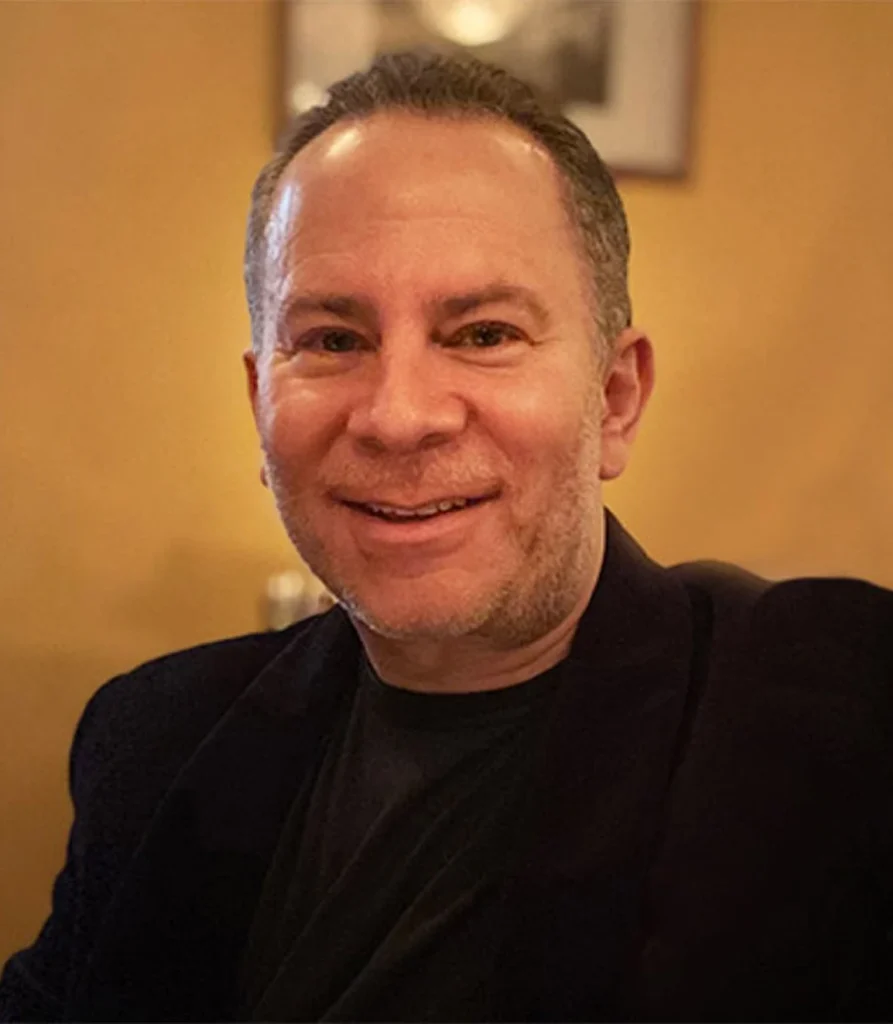
You will sit down with a board-certified specialist, like Dr. David Fox. He will discuss your medical history, your lifestyle, and your symptoms.

  • Key Questions: He might ask: “Do your legs feel better in the morning?” “Do you stand a lot for work?” “Did your mother have varicose veins?”

The Physical Exam

The doctor will examine your legs while you are standing (since gravity makes the veins fill). He will look for bulging veins, swelling, and skin texture changes.

The Ultrasound: The Gold Standard

This is the most important part of the visit. A vascular ultrasound is painless and uses sound waves to see inside your leg.

  • What it reveals: It shows the doctor the direction of blood flow. It can pinpoint exactly which valves are leaking and measure the size of the enlarged veins.
  • Why it matters: You cannot treat what you cannot see. The ultrasound creates the “roadmap” for your treatment plan.

For more on how we diagnose these issues, visit our page on chronic vein conditions.

Treatment Options: It’s Not Like It Used To Be

If you are avoiding the doctor because you remember your grandmother’s painful “vein stripping” surgery, it is time to update your knowledge. Modern vein care treatment Manhattan is minimally invasive.

  • No Hospital Stay: Procedures are done right in the office.
  • Local Anesthesia: You are awake and comfortable; no general anesthesia risks.
  • Walk In, Walk Out: Most patients resume normal activities the same day or the next day.

Common Treatments You Might Discuss:

  • Endovenous Laser Ablation (EVLA): Using laser energy to close the faulty vein from the inside.
  • Sclerotherapy: Injecting a solution to collapse spider and varicose veins.
  • VenaSeal™: Using a medical adhesive to glue the vein shut.
  • Ambulatory Phlebectomy: Removing bulging veins through tiny pinhole punctures.

A vein treatment near me search should lead you to a clinic that offers a full range of these options, allowing for a customized plan.

Choosing the Right Specialist: Why Credentials Matter

When you type “Vein specialist near me” into a search engine, you will get thousands of results. How do you choose?

Vascular Surgeon vs. Generalist

Vein treatment has become popular, and doctors from various backgrounds (dermatologists, radiologists, even dentists) sometimes offer sclerotherapy. However, for chronic, underlying vein disease, you want a specialist with deep training in the vascular system.

  • Dr. David Fox is a Board-Certified Vascular Surgeon. This means he has years of dedicated surgical training specifically on blood vessels. He understands not just the cosmetic surface, but the complex hemodynamics (blood flow) underneath.

Comprehensive Care

The best vein doctor near me looks at the whole picture. They won’t just zap a spider vein without checking the underlying valves. If they did, the spider vein would likely just come back.

Furthermore, a true specialist can distinguish between vein pain and other types of leg pain. For example, many patients come in with leg pain that is actually related to their knees. At Fox Vein Care, we specialize in distinguishing these issues. If you have been seeing a knee pain specialist near me without relief, it might be vascular. Conversely, if your vein exam is normal, we can offer treatments like Genicular Artery Embolization for chronic knee pain, bridging the gap between vascular and orthopedic care.

Who Is Most at Risk?

Should you be more vigilant than others? Certain risk factors increase your likelihood of needing a chronic vein condition specialist near me.

  • Genetics: If your parents had it, you have a high chance of having it.
  • Pregnancy: The increased blood volume and hormones of pregnancy stress the veins.
  • Occupation: Jobs that require prolonged standing (nurses, teachers, hair stylists, chefs) or prolonged sitting (truck drivers, office workers).
  • Age: The risk increases as we get older and veins lose elasticity.
  • History of DVT: If you have had a blood clot in the past, your veins may have permanent damage.

The Insurance Question

“Will insurance cover this?” This is usually the second question patients ask.

  • The Good News: Most insurance plans, including Medicare, cover treatment for symptomatic vein disease.
  • The Criteria: If you have pain, swelling, or skin changes, and your ultrasound shows “reflux,” it is generally considered a medical necessity.
  • Cosmetic Exception: Treatment purely for spider veins that do not cause symptoms is often considered cosmetic and paid out-of-pocket.

A reputable Manhattan vein clinic will have an administrative team that handles the pre-authorization process for you, verifying your benefits before you commit to any procedure.

Don’t Let Fear Hold You Back

Many people delay seeing a vein specialist Manhattan because of anxiety.

  • Fear of Pain: Modern treatments involve very little discomfort. Most patients describe it as a slight pinch or pressure.
  • Fear of Downtime: You don’t have time to take off work. With modern techniques, you likely won’t have to. You can have a procedure on a Friday and be back to work on Monday (or even have it on a lunch break!).
  • Fear of Cost: With insurance coverage for medical necessity, the cost is often limited to your standard specialist co-pay and deductible.

Conclusion: Prioritize Your Leg Health Today

Your legs are your foundation. They carry you through life’s milestones. If they are heavy, painful, or swollen, they are asking for help.

Knowing when to see a vein specialist is simple: if your symptoms are affecting your quality of life, it is time. You do not have to “live with it.” You do not have to hide your legs.

By seeking help from a qualified Varicose vein doctor Manhattan, you can halt the progression of vein disease, improve the appearance of your legs, and most importantly, feel light and energetic again.

If you are searching for vein treatment near me or need a definitive diagnosis for your chronic symptoms, Fox Vein Care is here to help. Dr. David Fox and his team combine surgical expertise with compassionate care to get you back on your feet.

Don’t wait for the symptoms to worsen. Visit our Chronic Vein Conditions page to learn more or schedule your consultation today.

Frequently Asked Questions

Do I need a referral to see a vein specialist?

This depends on your specific insurance plan. HMOs usually require a referral from your primary care doctor. PPOs usually allow you to book directly with a specialist. It is best to check with your insurance provider or call our office for guidance.

Can men get vein disease?

Absolutely. While women are more prone due to hormones and pregnancy, nearly 45% of men will develop vein issues in their lifetime. Men often wait longer to see a vein specialist near me because they hide their legs under pants, leading to more advanced disease when they finally seek help.

What happens if I don’t treat my varicose veins?

They will likely get larger and more painful. You risk developing permanent skin discoloration, chronic swelling, and potentially dangerous blood clots (DVT) or venous ulcers.

Is walking good for my veins?

Yes! Walking is the best exercise for vein health. It activates the calf muscle pump, which helps push blood out of the legs and back to the heart. However, walking alone cannot fix a broken valve; it only helps manage the symptoms.

Can I fly after vein treatment?

We generally recommend waiting a few days to a week before flying, depending on the procedure. Long flights increase the risk of clots, so checking with your doctor is essential.

Why do my legs hurt more at night?

During the day, walking helps pump fluid out of the legs. When you lie down, that pump stops, but the inflammatory fluids that accumulated all day are still there, irritating the nerves and causing cramping or restlessness. This is a classic sign to see a chronic vein condition specialist near me.

I have knee pain; could it be my veins?

It is possible. Vein disease can cause referred pain or heaviness around the knee. Additionally, if you have osteoarthritis, we offer non-surgical knee pain treatment Manhattan options like Genicular Artery Embolization. A consultation can help distinguish the root cause of your pain.


You and Your Veins

Treatment for painful or embarrassing spider veins and varicose veins is now available without the need for invasive vein surgery. Fox Vein Care, a leading vein treatment center in Manhattan offers a range of minimally invasive, state-of-the-art alternatives to vein surgery, including Transdermal Laser Treatment and sclerotherapy, in the convenience of our Manhattan office.

Learn More
Blog post Image
Blog post Image
Book Online
Close

Book Online