


Deciding to treat your varicose veins is a significant step toward better health and renewed confidence. For many patients, however, the decision is clouded by uncertainty. You might have seen dramatic “before and after” photos online—legs transformed from roadmap-like networks of bulging veins to smooth, flawless skin—and wondered, “Is that really possible for me?”
While modern vein care offers incredible results, it is essential to separate marketing magic from medical reality. Managing your expectations is key to a satisfying experience. The journey from chronic vein pain to relief involves a process of diagnosis, treatment, and healing that varies for everyone.
At Fox Vein and Vascular, a premier Manhattan vein clinic, we believe in transparency. We don’t just want you to be happy with your results; we want you to feel prepared and supported every step of the way. In this comprehensive guide, we will walk you through the entire timeline of vein treatment—from the initial consultation to the final cosmetic outcome—so you know exactly what to expect before you even walk through our doors.
Part 1: The “Before” – Understanding the Baseline
Before we discuss the transformation, we need to understand the starting point. Most patients seeking a vein specialist near me aren’t just looking for cosmetic improvements; they are seeking relief from physical symptoms that impact their daily lives.
The Physical Toll of Vein Disease
Varicose veins are rarely just a visual nuisance. They are often the visible sign of an underlying condition called chronic venous insufficiency. This means the valves in your leg veins are failing to pump blood back to your heart effectively. By the time patients search for a chronic vein condition specialist near me, they are often experiencing:
- Heaviness and Fatigue: Legs that feel like lead weights by the end of the day.
- Swelling: Leg swelling and veins often go hand-in-hand, with puffiness around the ankles (edema) worsening in the evening.
- Pain and Cramping: Throbbing aches or sudden “charley horses” at night.
- Skin Changes: Dryness, itching, or discoloration around the lower legs.
The “before” state is characterized by discomfort and a desire to hide your legs. You might avoid wearing shorts in the summer or skip activities that require standing for long periods.
The Diagnostic Phase
Your journey begins with a consultation. A reputable Manhattan vein doctor will not just glance at your legs and schedule a procedure. At Fox Vein and Vascular, we start with a comprehensive ultrasound mapping.
This is a critical “before” step. The ultrasound allows us to see beneath the surface. You might have small spider veins that bother you cosmetically, but the ultrasound might reveal a large, underlying saphenous vein that is refluxing (leaking) and feeding those smaller veins. Treating the spider veins without fixing the source would lead to poor results and quick recurrence.
To better understand the types of varicose veins and treatment options available, you can review this page on varicose vein treatment in Manhattan.
Realistic Expectation #1: Do not expect to be treated on the very first visit. A proper diagnosis is necessary to create a customized treatment plan that ensures long-term success.
Part 2: The Treatment Day – What Really Happens?
Gone are the days of general anesthesia and hospital stays. Modern vein care treatment Manhattan is minimally invasive, performed right in our office, and typically takes less than an hour.
The Procedure Experience
Whether you are undergoing Endovenous Laser Ablation (EVLA), Radiofrequency Ablation (RFA), or VenaSeal, the experience is similar.
- Preparation: You will change into shorts or a gown. We will clean the leg and map the veins on your skin with a marker.
- Anesthesia: This is the part patients fear most, but it is surprisingly manageable. We use local anesthesia (numbing medicine). You might feel a few small pinches as we numb the area around the vein, but you will be awake and comfortable. There is no “going under.”
- The Treatment: Once the area is numb, you won’t feel pain. You might feel some pressure or movement, but the actual closure of the vein is painless.
- Completion: We apply a bandage or compression stocking, and you stand up and walk out.
Realistic Expectation #2: You will be able to walk immediately. In fact, we encourage it! Walking activates your calf muscles and helps prevent blood clots. You can drive yourself home or take public transportation.
Part 3: The Immediate “After” – The First 48 Hours
The first few days after treatment are crucial for healing, but they might not look like the “after” photos you’ve seen just yet.
What You Will Feel
- Tightness: It is common to feel a sensation of tightness along the treated vein. This is actually a good sign—it means the vein is shrinking and closing as intended.
- Mild Soreness: You may experience some bruising or tenderness, similar to a pulled muscle. This is usually manageable with over-the-counter anti-inflammatories like ibuprofen.
- Numbness: Occasionally, there may be slight numbness near the treatment site, which typically resolves on its own.
What You Will See
- Bruising: It is completely normal to have bruising along the path of the treated vein. If you had a phlebectomy (removal of bulging veins), you might have small pieces of tape (Steri-Strips) over tiny incision points.
- The Stocking: You will likely be wearing a compression stocking. While not the most fashionable accessory, it is vital for compressing the treated veins and ensuring they seal shut permanently.
Realistic Expectation #3: Your legs might look worse before they look better. Bruising is a natural part of the healing process. Don’t panic if your legs look colorful for a week or two.
Part 4: The Recovery Timeline – Weeks 1 to 4
This is the phase where patience is required. Your body is doing the hard work of reabsorbing the treated tissue and rerouting blood flow.
Week 1: Adjusting to the New Normal
Most patients return to work the very next day. You can resume light exercise, like walking or elliptical training. However, you should avoid heavy lifting and high-impact activities like running or jumping for a week or so.
You will continue to wear your compression stockings during the day. This helps reduce leg swelling and veins that are healing. You might still feel some “cords” or hard lumps under the skin where the vein was treated. This is trapped blood within the closed vein and is harmless; body will absorb it over time.
Weeks 2-4: Seeing the Shift
By the second week, the bruising usually fades significantly. The deep ache or heaviness you felt before treatment often disappears remarkably fast. Many patients report that their legs feel lighter and more energized, even if the cosmetic results aren’t fully visible yet.
If you had spider veins treated with sclerotherapy, they might look darker or redder initially. This is a reaction to the sclerosant medication and will fade.
Realistic Expectation #4: Symptom relief often comes before cosmetic perfection. You will likely feel better physically before your legs look perfect aesthetically.
Part 5: The Long-Term Results – Months 1 to 6
This is when the magic happens. Over several months, your body naturally breaks down and absorbs the closed veins.
Cosmetic Improvement
- Varicose Veins: The large, ropey veins that were treated should be flat and invisible.
- Spider Veins: These fade more slowly. It can take 3 to 6 months for the body to fully clear the pigment from treated spider veins. Multiple sessions are often required for significant clearing.
- Scars: Because modern treatments use pinhole punctures, scarring is virtually non-existent. Any tiny marks from a phlebectomy typically vanish completely.
Symptom Resolution
For most patients, the vein symptoms in legs—the night cramps, the swelling, the heaviness—are gone. Circulation is actually improved because the blood is no longer pooling in broken veins but is flowing efficiently through healthy deep veins.
Realistic Expectation #5: Perfection takes time. Don’t judge
your final results at 3 weeks. Give your body the full 3 to 6 months to complete the healing process.
Why Multiple Treatments Might Be Needed
One of the most common misconceptions is that “one and done” applies to everyone. While we can often treat the main underlying reflux in one session, achieving a flawless cosmetic result usually requires a staged approach.
- Stage 1: Treat the underlying “feeder” veins (venous reflux) using laser ablation (EVLA).
- Stage 2: Address visible bulging veins through phlebectomy or foam sclerotherapy.
- Stage 3: “Clean up” the surface spider veins with visual sclerotherapy.
If you try to treat the spider veins without fixing the underlying reflux first, they will just come back. Finding a Varicose vein doctor Manhattan who understands this hierarchy of treatment is crucial.
Addressing Fears: Will They Come Back?
This is the most common question we hear at our Manhattan vein clinic.
The specific veins we treat—typically the Great Saphenous Vein or Small Saphenous Vein—are permanently closed. They will not come back.
However, venous disease is chronic and often genetic. If you are predisposed to weak vein valves, you may develop new varicose veins in other areas of the leg over time. This isn’t a failure of the initial treatment; it’s simply the nature of the condition.
Realistic Expectation #6: Think of vein care like dental care. You fix the cavity you have now, but you still need to brush your teeth and get checkups to prevent new ones. We recommend periodic follow-ups with your vein specialist near me to monitor your vein health.
The Fox Vein and Vascular Difference
Choosing the right provider significantly impacts your “before and after” experience. You need more than just a technician; you need a vascular expert.
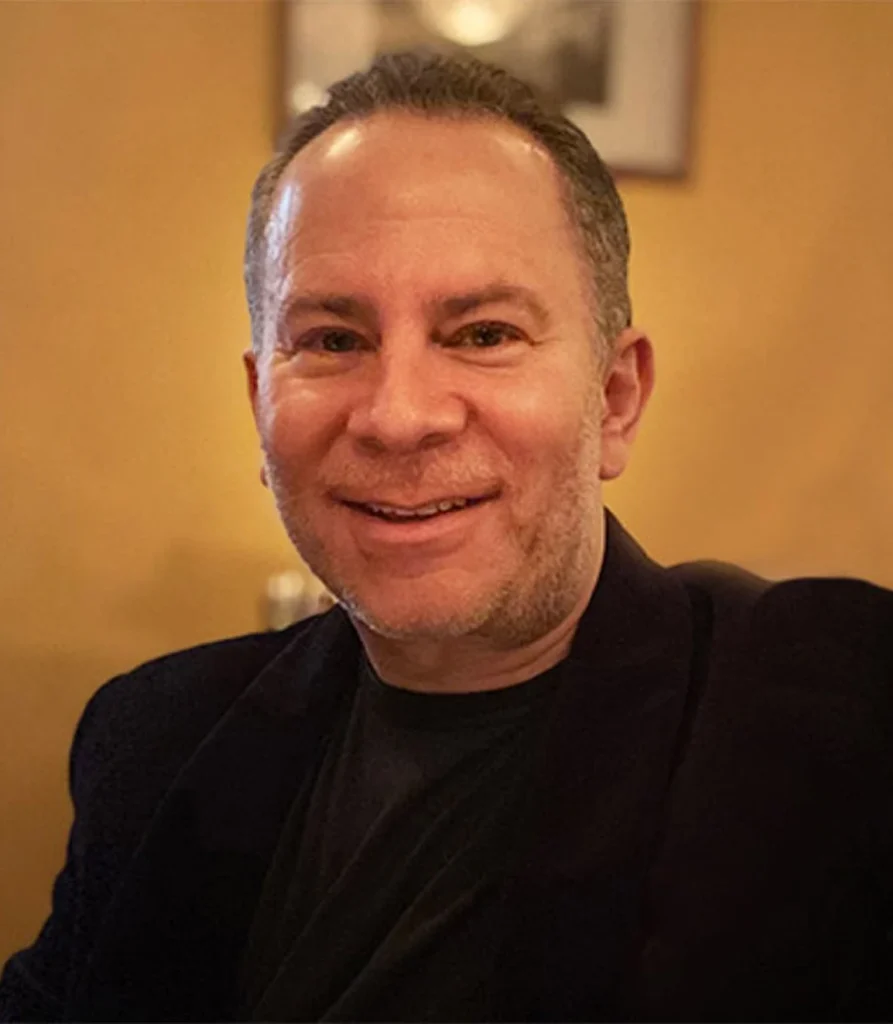
Dr. David Fox is a board-certified vascular surgeon with over 20 years of experience. Unlike cosmetic clinics that dabble in veins, our practice is dedicated to the comprehensive health of your vascular system.
Why Choose a Vascular Surgeon?
Leg pain can be tricky. Sometimes what looks like vein pain is actually related to the knee joint or arteries. Because Dr. Fox specializes in both veins and arteries, as well as innovative treatments for chronic knee pain like Genicular Artery Embolization, you get a holistic diagnosis. We ensure we are treating the cause of your pain, not just a symptom.
Learn more about our expertise on our About Page.
Preparing for Your “Before”
If you are ready to start your journey, here are a few tips to prepare for your treatment and ensure the best “after”:
- Hydrate: Drinking plenty of water helps with the ultrasound mapping and vein access.
- Avoid Sun: Tanned skin can make laser treatments for spider veins more difficult or risky.
- Bring Shorts: Wear loose, comfortable clothing to your appointment.
- Walk: Stay active in the weeks leading up to your procedure to keep your deep veins healthy.
Managing Expectations for Spider Veins Specifically
Spider veins are notoriously stubborn. They are small, high-pressure networks that require patience.
- It takes multiple sessions: Most patients need 3-5 sessions of sclerotherapy to see 80-90% improvement.
- They look worse before better: As mentioned, they can look angry and red immediately after injection.
- Matting: Occasionally, a flush of tiny new vessels (matting) appears after treatment. This usually resolves on its own or with further treatment.
If you are looking for the best vein doctor near me to handle these delicate cosmetic issues, ensure they have extensive experience with sclerotherapy dosing and techniques.
The Cost of Transformation
A common worry is the cost. Is the “after” worth the investment?
For treatments deemed medically necessary—those addressing vein pain, swelling, or skin changes caused by reflux—insurance often covers the bulk of the cost. This typically includes the ultrasound, laser ablation, and sometimes phlebectomy.
Purely cosmetic treatments for asymptomatic spider veins are usually out-of-pocket. However, many patients find that treating the underlying medical issue (covered by insurance) significantly improves the appearance of the leg, reducing the amount of cosmetic work needed later.
At Fox Vein and Vascular, we help you navigate the insurance landscape. We provide a clear breakdown of costs before any treatment begins, so there are no surprises.
Real Patient Stories: What “After” Feels Like
The most rewarding part of our work isn’t just seeing the legs look better; it’s hearing the stories of lifestyle changes.
- The grandmother who can finally chase her grandkids without her legs aching.
- The chef who can stand through a double shift without swelling.
- The teacher who isn’t distracted by throbbing pain in the classroom.
- The young professional who finally feels confident wearing a swimsuit on vacation.
These are the real “after” results that matter. The freedom from vein symptoms in legs allows you to engage with life fully again.
Conclusion: Your Journey Starts Today
The journey from “before” to “after” is a process, but it is one worth taking. By setting realistic expectations, you shield yourself from disappointment and prepare yourself for a successful recovery.
Remember:
- Healing takes time: Give your body months, not days, to show the final result.
- Function comes first: Relief from pain often precedes cosmetic perfection.
- Expertise matters: Who holds the laser makes a difference in your outcome.
If you are tired of hiding your legs or living with vein pain, it is time to consult a vein treatment near me provider who prioritizes transparency and excellence.
At Fox Vein and Vascular, we are committed to guiding you through every step of this transformation. From the initial ultrasound to the final follow-up, you are in expert hands.
Ready to see your own “After”?
Don’t wait for your symptoms to worsen. Contact us today to schedule your comprehensive evaluation.
- Call Us: (212) 362-3470
- Visit Us: 1041 Third Avenue, New York, NY 10065
- Book Online: Visit our Contact Page
Let us help you achieve the healthy, beautiful legs you deserve.
Frequently Asked Questions
How long does it take to see results after vein treatment?
Relief from symptoms like heaviness and aching is often noticed within a week. Cosmetic improvement takes longer. Bulging veins may flatten immediately but take weeks to fully disappear as inflammation subsides. Spider veins take 3-6 months to fade significantly.
Will I have scars after the procedure?
Treatments like EVLA and sclerotherapy are performed through needle punctures and leave no scars. Ambulatory phlebectomy uses micro-incisions that are so small (2-3mm) they typically do not require stitches and heal with virtually invisible marks.
Can I exercise after varicose vein treatment?
Walking is encouraged immediately! You should walk for at least 30 minutes a day. Strenuous workouts, heavy lifting, and high-impact cardio should be avoided for roughly 7-10 days to allow the treated veins to heal properly.
Why do my legs hurt more at night before treatment?
This is a classic sign of venous insufficiency. Throughout the day, gravity causes blood to pool in your legs. By the time you lie down at night, the pressure and fluid accumulation are at their peak, causing cramping and throbbing. Treatment fixes the valve failure, preventing this buildup.
Is vein treatment covered by insurance?
If you have symptoms (pain, swelling, skin changes) and an ultrasound confirms venous reflux, most insurance plans cover the primary treatments (EVLA, medical sclerotherapy). Treatments done solely for cosmetic reasons (like spider veins without symptoms) are typically not covered. Our staff can help verify your benefits.
How do I choose the best vein doctor near me?
Look for a board-certified vascular surgeon or a diplomate of the American Board of Venous and Lymphatic Medicine. Check for before-and-after photos of actual patients and read reviews regarding their bedside manner and follow-up care. Fox Vein and Vascular is a trusted choice for vein care treatment Manhattan.
You and Your Veins
Treatment for painful or embarrassing spider veins and varicose veins is now available without the need for invasive vein surgery. Fox Vein Care, a leading vein treatment center in Manhattan offers a range of minimally invasive, state-of-the-art alternatives to vein surgery, including Transdermal Laser Treatment and sclerotherapy, in the convenience of our Manhattan office.
Learn More

