


Are Varicose Veins Dangerous or Just Cosmetic?

January 9, 2026
Chronic knee pain doctor NYC

For millions of people, the appearance of purple, twisting lines on their legs is a source of frustration. It dictates wardrobe choices, leading to long pants in the summer and a reluctance to visit the beach. The prevailing narrative around these bulging veins is often centered on vanity. We are told they are “unsightly,” “aging,” or “embarrassing.” Consequently, many people assume that treating them is purely an aesthetic decision, similar to getting Botox for wrinkles or whitening your teeth.

However, this dismissal of varicose veins as merely cosmetic is a dangerous misconception. While they certainly affect the appearance of the legs, they are fundamentally a sign of a mechanical failure within your circulatory system. Beneath the surface, these veins are signaling that your body is struggling to return blood to the heart efficiently.

If you have been ignoring your veins because you think they are “just ugly,” it is time to look deeper. The reality is that untreated vein disease can progress from a visual annoyance to a debilitating medical condition with serious complications. Whether you are actively searching for a Manhattan vein clinic or just beginning to research your symptoms, understanding the medical reality of varicose veins is the first step toward protecting your long-term health.

The “Cosmetic” Myth: Why We Dismiss Vein Issues

Why do we treat vein issues differently than other medical conditions? If you had a persistent cough, you would likely see a doctor. If you had a swollen knee, you would seek an orthopedic specialist. Yet, when people experience vein symptoms in legs—heaviness, throbbing, or visible bulging—they often delay seeking help for years, sometimes decades.

This hesitation stems from the “cosmetic myth.” Insurance companies and popular culture have historically framed vein treatments as elective procedures for those who simply want “prettier legs.” This stigma can make patients feel guilty or vain for seeking help from a vein specialist near me.

However, the medical community recognizes varicose veins as a manifestation of Chronic Venous Insufficiency (CVI). CVI is a progressive disease. It does not pause or get better on its own; without intervention, it inevitably worsens. What starts as a small spider vein can evolve into a large varicose vein, which can then lead to skin changes, chronic pain, and even ulcers. Recognizing that you are dealing with a legitimate medical condition is crucial for getting the vein treatment near me that you need.

Understanding the Mechanics: It’s More Than Skin Deep

To understand why varicose veins can be dangerous, we must look at what is happening inside the leg. Your veins have a difficult job: they must push deoxygenated blood from your feet back up to your heart, working against the pull of gravity.

To accomplish this, your leg veins rely on the calf muscle pump and a series of tiny, one-way valves. When you walk, the muscle squeezes the vein, pushing blood up. When you relax, the valves snap shut to catch the blood and prevent it from falling back down.

The Failure Point: Venous Reflux

In patients with varicose veins, these valves have become damaged or weakened. They no longer seal tightly. As a result, blood leaks backward—a process known as venous reflux. This reflux causes blood to pool in the lower leg veins.

Imagine a balloon being overfilled with water. As the pressure builds, the balloon stretches. Similarly, as blood pools in your veins, the pressure increases (venous hypertension). The vein walls stretch, twist, and bulge outward to accommodate the excess fluid. This is the bulging vein you see on the surface.

While the bulge is what you see, the high pressure is what you feel—and what causes the damage. This chronic high pressure stresses the surrounding tissues, inflames the skin, and creates a stagnant environment where blood flow is sluggish. This stagnation is the breeding ground for the dangerous complications discussed below.

Physical Signs That It’s Not Just Cosmetic

Long before major complications arise, your body will give you warning signs that your condition is more than just skin-deep. Many patients get so used to living with discomfort that they normalize it, assuming it is just a part of aging.

If you are experiencing any of the following, your condition has likely progressed beyond a cosmetic concern, and you should consider consulting a Chronic vein condition specialist near me:

1. Persistent Heaviness and Fatigue

Do your legs feel like lead weights by the end of the day? This sensation of heaviness is a classic sign of venous insufficiency. It occurs because you are literally carrying around extra fluid and stagnant blood in your lower extremities.

2. Edema (Swelling)

Swelling around the ankles and calves is a direct result of fluid leaking from the high-pressure veins into the surrounding tissue. If your socks leave deep indentations or you can’t see your ankle bones in the evening, your circulation is compromised.

3. Throbbing and Aching

Vein pain is often described as a dull, deep ache that worsens after prolonged standing or sitting. It usually improves when you elevate your legs, as gravity helps drain the pooled blood.

4. Night Cramps and Restless Legs

Sudden, painful spasms in the calf muscles at night are frequently linked to vein disease. Furthermore, there is a strong correlation between venous insufficiency and Restless Leg Syndrome (RLS), an uncontrollable urge to move the legs to relieve discomfort.

5. Itching and Burning

When blood pools, inflammatory markers build up. This can cause the skin over the vein to feel itchy, hot, or burning. Many patients mistake this for dry skin, but no amount of lotion will fix it because the problem is vascular, not dermatological.

The Real Dangers of Untreated Varicose Veins

If the symptoms above are ignored, the sustained high pressure in the veins can lead to severe medical complications. This is where the answer to “Are varicose veins dangerous?” becomes a resounding “Yes.”

When searching for the Best vein doctor near me, it is often these risks that finally drive patients to schedule an appointment.

1. Superficial Thrombophlebitis (Blood Clots)

Varicose veins are tortuous (twisted) and dilated. Blood flow through these twisted vessels is turbulent and slow. Stagnant blood is prone to clotting.

Superficial thrombophlebitis occurs when a blood clot forms in a vein just below the surface of the skin. Unlike a deep vein clot, this is usually not life-threatening immediately, but it is incredibly painful. The area becomes red, hot, tender to the touch, and the vein may feel like a hard cord. While treatable, it is a clear signal that your vascular system is failing and requires attention from a Varicose vein doctor Manhattan.

2. Deep Vein Thrombosis (DVT)

This is the most feared complication of vein disease. While varicose veins are superficial, severe untreated superficial vein disease can increase the risk of developing a clot in the deep venous system.

A Deep Vein Thrombosis (DVT) is a clot in the deep veins of the leg. It is a medical emergency. If a piece of this clot breaks off, it can travel through the heart and lodge in the lungs, causing a Pulmonary Embolism (PE), which can be fatal.

Symptoms of DVT include sudden, severe swelling in one leg, deep pain, warmth, and redness. If you have a history of varicose veins and experience these symptoms, you need emergency care. Regular check-ups at a Manhattan vein clinic can help monitor your risk and manage your vein health before it reaches this critical stage.

3. Spontaneous Bleeding

Because varicose veins are enlarged and sit just beneath the surface of the skin, the vessel walls are incredibly thin and under high pressure. Even a minor trauma—bumping into a coffee table or scratching an itch—can cause the vein to rupture.

Unlike a normal cut, a ruptured varicose vein can bleed profusely due to the high pressure within the vessel. This can be frightening and dangerous if not controlled quickly.

4. Lipodermatosclerosis

Over time, chronic inflammation from high venous pressure causes changes to the skin and fat in the lower leg. The skin may become discolored (reddish-brown) and the fat underneath can harden. This condition, known as lipodermatosclerosis, makes the skin feel woody or leather-like. It creates a “champagne bottle” shape to the lower leg as the tissue constricts. This is a sign of advanced chronic venous insufficiency.

5. Venous Stasis Ulcers

The most severe complication of untreated varicose veins is the formation of venous stasis ulcers. These are open wounds that typically form on the inner ankle.

Because the tissue in the leg is swollen and poorly oxygenated due to the stagnant blood, the skin breaks down easily. Once an ulcer forms, it is incredibly difficult to heal because the underlying circulation issue remains. These ulcers are painful, prone to infection, and can significantly impact a person’s mobility and quality of life. Treating the underlying vein disease is often the only way to get these ulcers to close permanently.

Risk Factors: Are You Vulnerable?

Understanding if you are at high risk for these complications can help you decide when to seek vein care treatment Manhattan. While anyone can develop varicose veins, certain factors increase your likelihood of developing severe disease.

  • Genetics: If your parents had varicose veins, you are highly likely to have them. Genetic weakness in the vein walls is the primary driver.
  • Occupation: Jobs that require standing (nurses, teachers, chefs) or sitting (drivers, office workers) for long periods prevent the calf pump from working, increasing pressure in the legs.
  • Pregnancy: The increased blood volume and hormonal changes of pregnancy put immense stress on veins. Multiple pregnancies increase the risk of permanent vein damage.
  • Age: As we age, the valves naturally wear out.
  • Obesity: Excess weight puts added pressure on the abdominal veins, which transmits down to the legs.

Diagnosing the Severity: It Starts with Ultrasound

How do you know if your veins are just cosmetic or a ticking time bomb? You cannot tell simply by looking at them. Some small spider veins can be symptomatic of major underlying reflux, while some large bulging veins might be surprisingly asymptomatic.

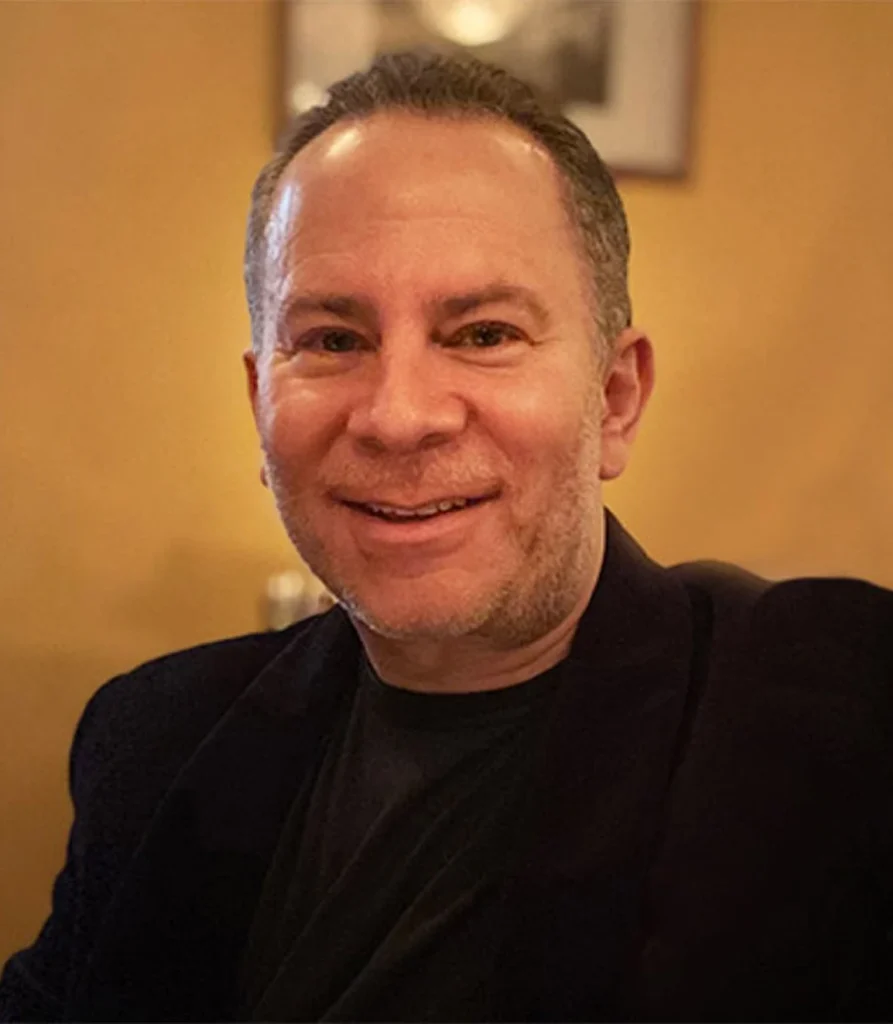
The only way to know for sure is to visit a specialist for a diagnostic ultrasound. At Fox Vein and Vascular, we use state-of-the-art duplex ultrasound technology. This allows Dr. David Fox to visualize the anatomy of your veins and, more importantly, the physiology of the blood flow.

This non-invasive scan maps out exactly where the valves have failed and measures the severity of the reflux. It changes the conversation from “I don’t like how my legs look” to “I have significant reflux in the Great Saphenous Vein that requires medical intervention.”

You can learn more about the comprehensive diagnostic approach used by Dr. Fox by visiting the Services page.

For readers seeking even more details on targeted solutions for varicose veins, Fox Vein and Vascular offers a dedicated overview of varicose vein treatment options in Manhattan.

Modern Treatments: Medical Solutions for a Medical Problem

The good news is that if your varicose veins are determined to be a medical issue, the treatments are highly effective and far less invasive than they were in the past. Gone are the days of “vein stripping,” which required general anesthesia and long recovery times.

Today, a vein specialist near me can treat the root cause of the disease—the refluxing vein—right in the office, usually in under an hour.

Endovenous Laser Therapy (EVLT)

This is the gold standard for treating the underlying cause of varicose veins. Under local anesthesia, a thin laser fiber is inserted into the diseased vein. The laser energy heats and seals the vein shut. Once the vein is closed, the body automatically reroutes the blood to healthy, deep veins. The closed vein is eventually absorbed by the body. This eliminates the reflux and the high pressure that causes complications.

For detailed information on EVLT and other procedures, explore the Manhattan Vein Treatment page.

Sclerotherapy

For smaller varicose veins and spider veins, sclerotherapy is often used. A solution is injected into the vein, causing it to collapse and fade. While often used for cosmetic improvement, it also plays a role in treating symptoms like burning and itching associated with smaller veins.

Ambulatory Phlebectomy

For those large, ropey veins that are too big for sclerotherapy but too twisted for a laser, a phlebectomy allows the doctor to physically remove the vein through micro-incisions. This offers immediate relief from the bulk and discomfort of the vein.

Why You Need a Specialist

Because varicose veins are a medical condition with potential for serious complications, who you choose to treat them matters. While some dermatologists or general practitioners may offer basic sclerotherapy, they often lack the training to diagnose and treat the underlying venous insufficiency.

Treating the surface veins without addressing the underlying valve failure is like painting over a crack in the wall without fixing the foundation—the problem will just come back.

A dedicated vascular specialist, like Dr. David Fox, has the expertise to manage the entire spectrum of vein disease, from the initial diagnosis to complex interventions. Finding a Varicose vein doctor Manhattan who is board-certified in vascular surgery ensures that you are receiving care that prioritizes your safety and long-term vascular health.

Dr. Fox’s extensive experience in vascular surgery allows him to handle not just vein aesthetics, but the complex hemodynamics of the circulatory system. You can read more about his qualifications on the Manhattan Vein Doctor page.

The Psychological Toll of “Just Cosmetic”

It is also worth noting that the “danger” of varicose veins isn’t purely physical. The psychological impact of living with visible vein disease is significant and often overlooked.

Many patients report a decline in self-confidence. They avoid social activities that require swimwear or shorts. They may withdraw from exercise because their legs hurt or they feel self-conscious at the gym. This lack of activity then exacerbates the vein issues and contributes to other health problems like weight gain and cardiovascular decline.

By treating your veins, you aren’t just preventing blood clots or ulcers; you are reclaiming your active lifestyle and your confidence. You are removing a barrier that stops you from living your life fully.

When Should You See a Doctor?

If you are still on the fence about whether to seek help, ask yourself these questions:

  1. Do my legs hurt after a long day of work?
  2. Have I stopped wearing shorts because of my veins?
  3. Do I notice swelling in my ankles?
  4. Is the skin around my ankles changing color or texture?
  5. Am I worried about my family history of vein problems?

If you answered yes to any of these, your condition is likely not “just cosmetic.” It is a medical concern deserving of professional attention.

Conclusion: Prioritize Your Vascular Health

The verdict is clear: Varicose veins are far more than a cosmetic nuisance. They are the visible sign of a chronic, progressive medical condition that can lead to pain, swelling, skin damage, and dangerous blood clots.

Dismissing bulging veins as a vanity issue prevents millions of people from seeking the care they need. Don’t wait for a complication to force you into the doctor’s office. Early intervention is the key to preventing irreversible damage and maintaining healthy, pain-free legs.

If you are ready to take your leg health seriously, finding a Best vein doctor near me is your next step. At Fox Vein and Vascular, we specialize in distinguishing between cosmetic concerns and medical necessities, providing you with a customized treatment plan that addresses both.

Don’t let the “cosmetic myth” gamble with your health. Vein care treatment Manhattan is accessible, effective, and covered by most insurance plans when medical necessity is established.

Ready to evaluate your vein health?
Contact Fox Vein and Vascular today to schedule a comprehensive evaluation. Let us help you understand the true state of your venous health and provide the relief you deserve.


You and Your Veins

Treatment for painful or embarrassing spider veins and varicose veins is now available without the need for invasive vein surgery. Fox Vein Care, a leading vein treatment center in Manhattan offers a range of minimally invasive, state-of-the-art alternatives to vein surgery, including Transdermal Laser Treatment and sclerotherapy, in the convenience of our Manhattan office.

Learn More
Blog post Image
Blog post Image
Book Online
Close

Book Online