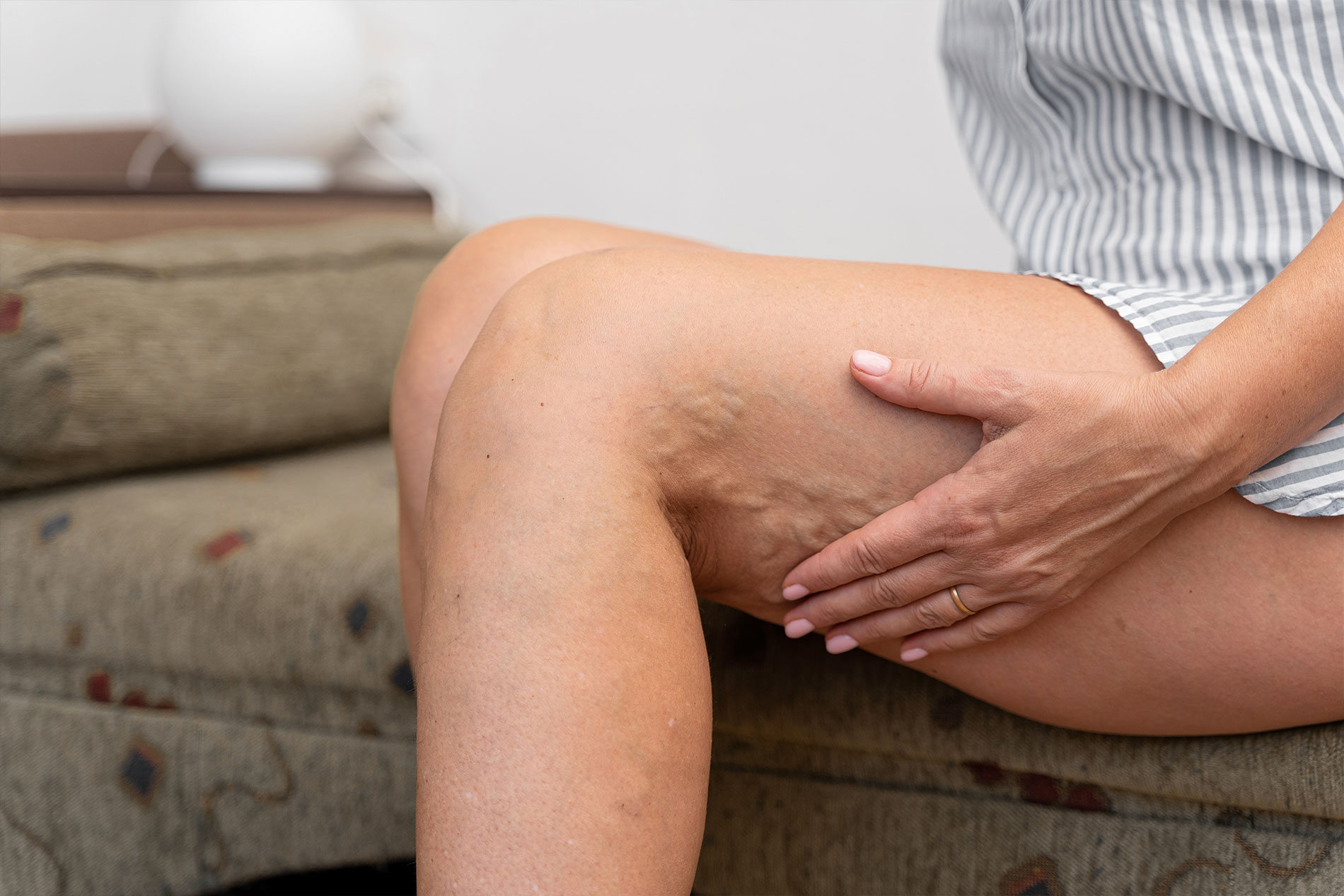
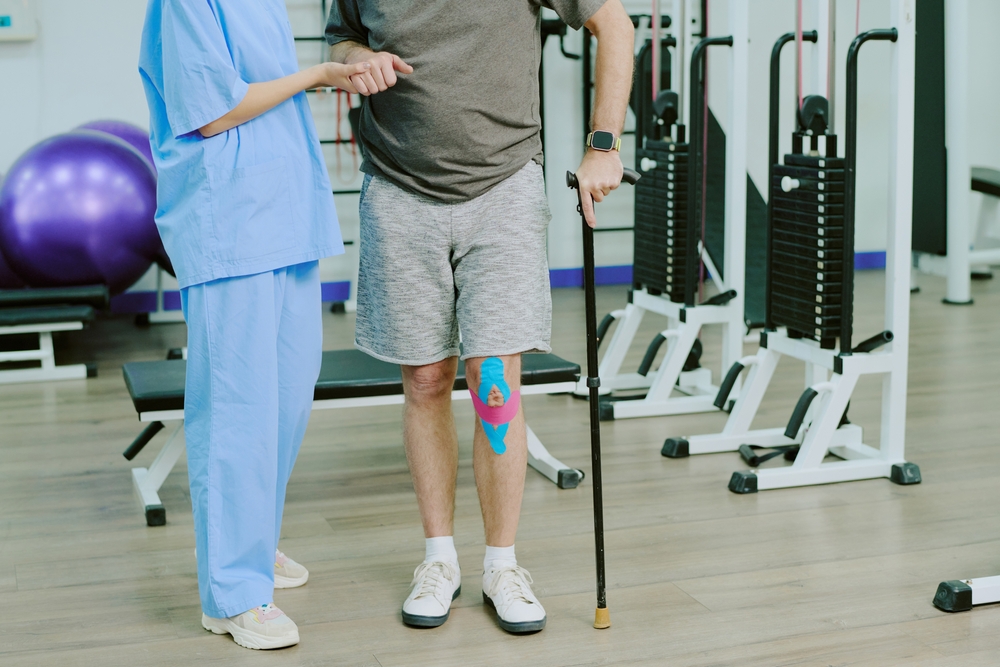
A diagnosis of Peripheral Arterial Disease (PAD) often brings with it a wave of anxiety. For many patients, the immediate fear is not just about the pain in their legs, but about the treatment itself. Does a diagnosis of blocked arteries mean major surgery? Will I need a bypass? Is amputation a possibility? These questions are daunting, but the landscape of vascular care has changed dramatically in recent years. The days when “surgery” was the only option for blocked arteries are largely behind us. Today, we live in an era of minimally invasive innovation, where the vast majority of PAD cases can be managed effectively without a scalpel ever touching the skin.
However, determining the right path—whether it is conservative management, a minimally invasive procedure, or traditional surgery—requires a nuanced understanding of the disease’s progression. PAD is not a one-size-fits-all condition. It exists on a spectrum ranging from mild, asymptomatic narrowing to severe, limb-threatening blockages.
If you or a loved one is grappling with leg pain, cramping, or non-healing wounds, understanding when intervention becomes necessary is the first step toward reclaiming your mobility. This comprehensive guide will walk you through the decision-making process used by a top-tier vascular specialist, helping you understand the warning signs that indicate it’s time to move beyond lifestyle changes and seek medical intervention for PAD treatment.
Understanding the Enemy: What Is PAD?
To understand the treatment, you must first understand the disease. Peripheral Arterial Disease is a circulatory problem in which narrowed arteries reduce blood flow to your limbs. While it can occur in the arms, it is most common in the legs. The underlying cause is almost always atherosclerosis—a condition where fatty deposits called plaque build up on the inner walls of the arteries.
Imagine a garden hose that has been stepped on. The water (blood) still flows, but the pressure is lower, and the volume reaching the nozzle (your feet) is reduced. When the muscles in your legs are at rest, the trickle of blood might be enough. But when you start walking and your muscles demand more oxygen, the narrowed arteries simply cannot deliver it. This supply-and-demand mismatch causes the classic symptom of PAD: claudication, a cramping pain in the calves, thighs, or buttocks that stops when you rest.
As the plaque continues to build, the “hose” becomes more and more obstructed. Eventually, the blood flow may become so restricted that the tissues in your feet are starved of oxygen even when you are sitting still. This is the tipping point where the conversation shifts from management to intervention.
The First Line of Defense: Conservative Management
It is important to clarify a common misconception: Having PAD does not automatically mean you need surgery. In fact, for many patients diagnosed in the early stages, the scalpel is the last resort.
If your symptoms are mild to moderate—meaning you experience some leg pain when walking but it doesn’t severely limit your daily life, and you have no wounds or pain at rest—Dr. Fox will likely recommend a conservative approach first. The goal here is to stop the progression of the disease and improve your symptoms naturally.
1. Lifestyle Modification
This is the foundation of all vascular health.
- Smoking Cessation: This is non-negotiable. Smoking damages the lining of the arteries and accelerates plaque growth. Quitting is the single most effective way to stop PAD from getting worse.
- Dietary Changes: A heart-healthy diet low in saturated fats and sodium helps control cholesterol and blood pressure, the two main drivers of arterial plaque.
- Diabetes Control: High blood sugar is toxic to blood vessels. keeping glucose levels in check is vital.
2. Structured Walking Programs
It sounds counterintuitive to walk when it hurts, but walking is actually the best therapy for claudication. Regular walking forces your body to adapt. It encourages the growth of collateral vessels—tiny natural bypasses that form around the blockage to deliver blood to the muscles.
3. Medical Therapy
Medications don’t unclog the arteries, but they prevent heart attacks and strokes (which PAD patients are at high risk for) and can help you walk further.
- Statins: To lower cholesterol and stabilize plaque.
- Antiplatelets: Drugs like aspirin or clopidogrel to prevent blood clots.
- Blood Pressure Meds: To reduce strain on the vessel walls.
For many patients, this combination is enough to manage the disease for years. However, PAD is progressive. If these measures fail, or if the disease is caught at a later stage, we must move up the ladder of intervention.
The Turning Point: When Intervention Is Necessary
So, when does the conversation switch from “let’s watch this” to “we need to fix this”? Intervention—whether minimally invasive or surgical—is generally reserved for two specific scenarios: Lifestyle-Limiting Claudication and Critical Limb Ischemia (CLI).
Scenario 1: Lifestyle-Limiting Claudication
This occurs when the pain in your legs is so severe that it prevents you from working, caring for yourself, or doing the things you love.
- Can you no longer walk to the mailbox?
- Have you stopped going to the grocery store because the aisles are too long?
- Is your job performance suffering because you can’t stand or walk?
When the disease strips away your independence and quality of life, and a supervised exercise program hasn’t helped, revascularization (restoring blood flow) becomes a necessary step to give you your life back.
Scenario 2: Critical Limb Ischemia (CLI)
This is the red zone. CLI is the most advanced stage of PAD and represents a direct threat to the limb. In these cases, surgery or endovascular therapy is not elective; it is urgent amputation prevention.
Signs of Critical Limb Ischemia:
- Ischemic Rest Pain: This is a severe burning or aching pain in the toes or feet that occurs when you are lying down. Gravity helps blood flow, so when you lie flat, the trickle of blood stops, and the nerves scream out in pain. Patients often report sleeping in a recliner or hanging their foot over the bed to get relief.
- Non-Healing Wounds: A sore, ulcer, or cut on the foot or toe that does not heal within two weeks is a major warning sign. Without blood flow, the tissue cannot repair itself.
- Gangrene: If blood flow is completely cut off, the tissue dies and turns black. This is gangrene.
If you have any signs of CLI, the question isn’t if you need treatment, but how soon can we do it.
The Evolution of “Surgery”: Minimally Invasive Options
When we talk about “intervention” today, we rarely mean open surgery with long incisions and hospital stays. The vast majority of PAD cases at Fox Vein and Vascular are treated using endovascular therapy.
“Endo” means “inside” and “vascular” means “blood vessel.” These procedures are performed inside the artery using catheters (thin, flexible tubes) inserted through a tiny puncture in the groin or wrist. This approach is minimally invasive, requires only local anesthesia or mild sedation, and typically allows patients to go home the same day.
Here are the primary tools Dr. Fox uses to restore flow without major surgery:
1. Angiography: The Roadmap
Before we treat, we must see. An angiogram involves injecting a contrast dye into the arteries and using X-ray imaging to create a detailed roadmap of your circulation. This shows us exactly where the blockages are and how severe they are.
2. Angioplasty: Opening the Channel
This is the most common procedure for PAD. A catheter with a tiny, deflated balloon at the tip is threaded through the artery to the site of the blockage. Once in place, the balloon is inflated.
- How it works: The pressure of the balloon pushes the plaque against the artery wall, widening the channel and restoring blood flow.
- Drug-Coated Balloons: Modern balloons are often coated with a medication that is absorbed into the artery wall to prevent scar tissue from forming and narrowing the artery again in the future.
3. Stenting: The Scaffold
Sometimes, the artery is like an old, stiff pipe—if you expand it with a balloon, it might recoil or collapse back down once the balloon is removed. In these cases, a stent is used.
- How it works: A stent is a tiny metal mesh tube. It is mounted on a balloon and inserted into the blocked area. When the balloon inflates, the stent expands and locks into place. It acts as a permanent scaffold, holding the artery open to ensure long-term blood flow.
- Bioabsorbable Stents: In some cases, technology allows for scaffolds that dissolve over time, leaving the artery open without permanent metal hardware.
4. Atherectomy: Cleaning the Pipe
While angioplasty pushes plaque aside, atherectomy actually removes it. This is particularly useful for calcified (hardened) plaque that is too stiff to be compressed by a balloon.
- How it works: A specialized catheter is equipped with a tiny cutting, grinding, or sanding device at the tip. As it rotates, it shaves the plaque off the artery walls. The debris is either trapped in a filter or aspirated (sucked out) through the catheter.
- The Benefit: By physically removing the blockage, atherectomy can debulk the artery, making it easier to treat with a balloon or stent afterward and reducing the risk of the blockage returning.
These endovascular techniques have revolutionized PAD treatment. They offer lower risks, less pain, and faster recovery than traditional surgery. For high-risk patients—such as the elderly or those with heart conditions—these procedures are often life-saving alternatives to open operations they might not survive.
When Traditional Open Surgery Is Still Necessary
Despite the advances in endovascular therapy, there are still instances where traditional open surgery is the best or only option. A vascular surgeon must have the judgment to know when minimally invasive techniques have reached their limit.
Open surgery is typically considered when:
- The Blockage is Too Long or Complex: If an artery is completely blocked (occluded) for a long segment—for example, from the thigh down to the knee—wires and catheters may not be able to pass through it.
- Endovascular Failure: If angioplasty or stenting has been tried and failed, or if the artery keeps narrowing again (restenosis) shortly after treatment.
- Anatomy: Sometimes the location of the blockage (such as at a branch point of major arteries) makes stenting difficult or risky.
The Bypass Graft
The most common open surgery for PAD is a bypass graft.
- The Concept: Think of a highway detour. If the main road is blocked, traffic is routed around it. In a bypass, the surgeon creates a new path for blood to flow around the blocked artery.
- The Procedure: The surgeon uses a graft—which can be a healthy vein harvested from your own leg or a synthetic tube—and sews it above and below the blockage. Blood flows through this new graft, bypassing the obstruction entirely.
- Recovery: This is a major surgery requiring general anesthesia, hospital admission, and a recovery period of several weeks. However, bypasses are incredibly durable and can provide excellent long-term blood flow for active patients.
Endarterectomy
In this procedure, the surgeon makes an incision directly over the blocked artery, opens it up, and surgically peels the plaque away from the inner lining. This is most commonly done in the carotid arteries (neck) or the common femoral artery (groin), where plaque tends to be bulky and hard.
The Importance of Amputation Prevention
The driving force behind all these treatments—from walking programs to complex bypasses—is amputation prevention.
Peripheral Arterial Disease is the leading cause of limb loss in the United States. The statistics are sobering: nearly 50% of patients who undergo an amputation due to vascular disease will die within five years. This is a mortality rate higher than many cancers.
The tragedy is that many amputations are preventable. They often occur because patients wait too long to seek help. They ignore the leg pain, assuming it is arthritis. They ignore the small sore on their toe, assuming it will heal eventually. By the time they see a doctor, gangrene has set in, and the window for saving the limb has closed.
This highlights the critical role of the vascular specialist. Dr. Fox specializes in “limb salvage.” This means using every tool available—angiography, stents, atherectomy—to restore flow to a limb that others might consider “too far gone.” Even in cases of advanced necrosis (tissue death), restoring blood flow can allow the rest of the foot to heal, limiting amputation to just a toe rather than the whole leg.
Recovering from PAD Procedures
One of the major advantages of the shift toward minimally invasive PAD treatment is the recovery experience.
Endovascular Recovery:
- Hospital Stay: Usually none. You go home the same day.
- Pain: Minimal. Usually just some soreness at the puncture site in the groin.
- Activity: You can walk immediately. Most patients return to normal light activities within 24-48 hours.
- Follow-up: Ultrasound imaging is done periodically to ensure the artery stays open.
Surgical Recovery:
- Hospital Stay: Typically 3 to 5 days.
- Pain: Moderate. Incisions in the leg require pain management.
- Activity: Walking is encouraged immediately to prevent clots, but full recovery takes weeks.
- Wound Care: Incisions must be kept clean and dry.
regardless of the procedure, the “surgery” is not a cure. Atherosclerosis is a chronic, systemic disease. If you continue to smoke, eat poorly, or ignore your blood sugar after the procedure, the plaque will come back. The procedure buys you time and flow; your lifestyle maintains it.
Making the Decision: Why You Need a Specialist
Deciding between conservative care, angioplasty, or surgery is complex. It requires a detailed anatomical map of your arteries, an assessment of your overall health, and a clear understanding of your goals.
- Are you an 80-year-old with rest pain? The goal is to stop the pain and save the leg with the least invasive method possible.
- Are you a 50-year-old construction worker with claudication? The goal is a durable fix that lets you stay on the job for years to come.
This personalized decision-making is why seeing a board-certified vascular surgeon is essential. Unlike general cardiologists or interventional radiologists, vascular surgeons are trained in the full spectrum of care—medical, endovascular, and surgical. They don’t just have a hammer (angioplasty); they have the whole toolbox.
Dr. Fox at Fox Vein and Vascular provides this comprehensive expertise in a state-of-the-art outpatient setting. With an accredited vascular lab on-site, diagnosis is swift and accurate. The focus is always on the least invasive option that provides the best long-term result.
Conclusion: Don’t Fear the Treatment, Fear the Delay
If you have been diagnosed with PAD, the prospect of “surgery” should not keep you from seeking care. In fact, avoiding the doctor is the surest way to end up needing a major operation—or worse, an amputation.
Modern medicine allows us to fix blocked arteries through a pinhole. We can clear plaque, open vessels, and restore life-giving blood flow to your legs, often over a lunch break. But we can only do this if we catch the disease before the tissue dies.
If you have leg pain when walking, pain in your feet at night, or wounds that won’t heal, it is time to have a conversation about your options. Whether it is a walking program or a stent, the right treatment is the one that keeps you moving.
Don’t wait until surgery is your only option. Schedule a consultation with Dr. Fox at Fox Vein and Vascular to discuss your PAD treatment plan. Contact us today at (212) 362-3470 or visit foxvein.com to take the first step toward better vascular health.
Leading Manhattan Vascular & Vein Specialist
At Fox Vein Care, we provide state-of-the-art vascular and venous treatments, combining advanced diagnostic technology with minimally invasive procedures that prioritize comfort, safety, and outstanding results.
Contact Us