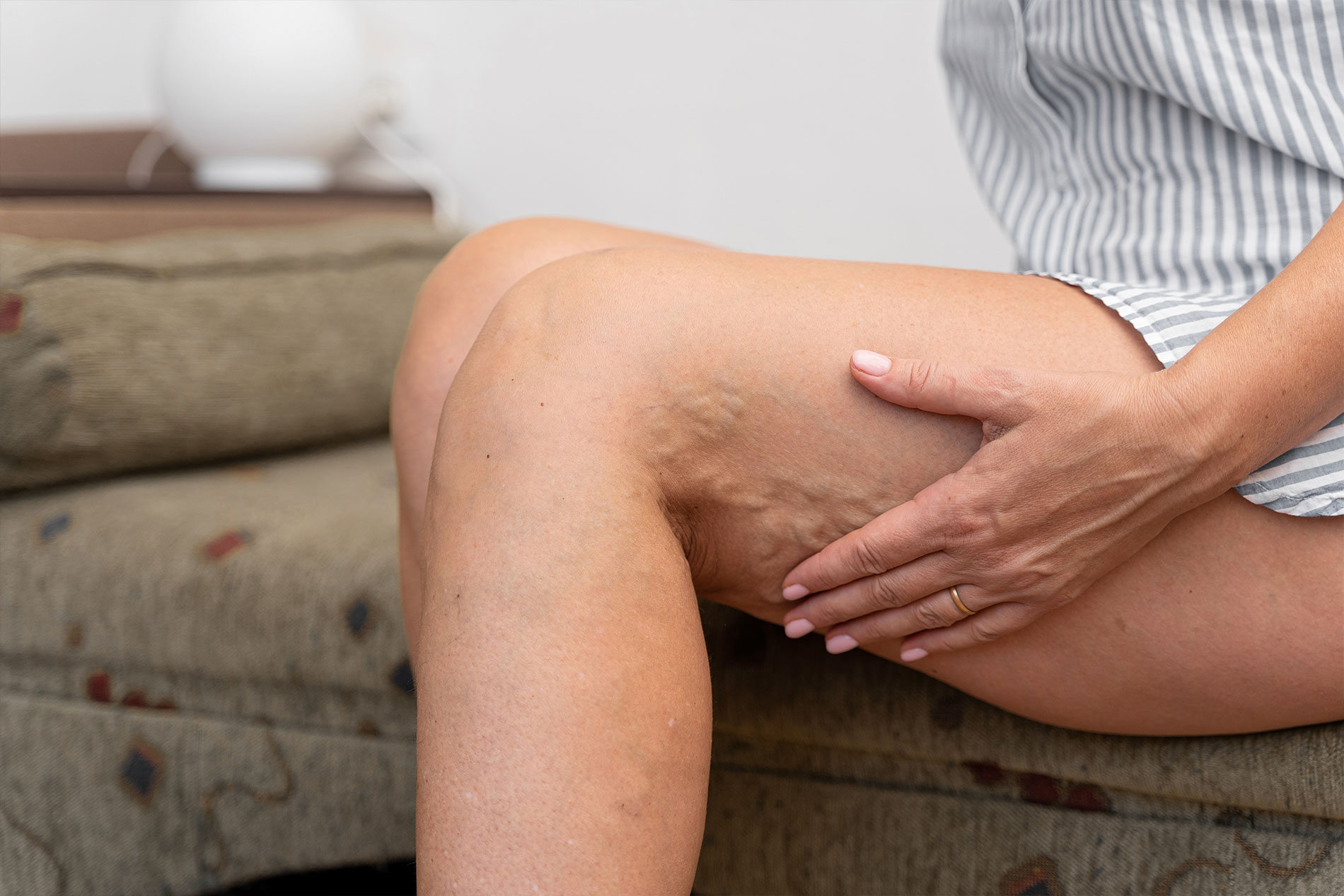
When you experience discomfort from bulging veins, persistent leg swelling, or the appearance of spider veins, your first instinct is often to search for a vein specialist near me. But what exactly does it mean for a doctor to be a qualified vein specialist? The field of phlebology (the study of veins) is complex, and not all physicians offering vein treatments have the same level of training, experience, or credentials. Making an informed choice is critical for ensuring you receive safe, effective, and lasting relief.
Finding the right varicose vein doctor in Manhattan involves looking beyond a simple advertisement or a convenient location. It requires a deeper understanding of the specific qualifications that set a true expert apart. This guide will walk you through the essential credentials, skills, and practice characteristics that define a highly qualified vein specialist. By knowing what to look for, you can confidently select the best vein doctor near me and take the first step toward healthier legs and improved quality of life with a trusted Manhattan vein clinic.
If you want to learn more about the specific treatment options available in the city, be sure to visit the detailed Manhattan Vein Treatment page for an in-depth look at advanced procedures and patient-focused care.
The Foundation of Expertise: Board Certification
The single most important factor in determining a physician’s qualifications is their board certification. This is an official recognition that a doctor has not only completed their required medical training but has also passed rigorous exams demonstrating their expertise in a particular specialty. When it comes to vein care, not all certifications are created equal. For a summary of minimally invasive vein procedures, you can explore the vein treatment options offered here.
Why Vascular Surgery is the Gold Standard
The premier credential for a vein specialist is board certification in vascular surgery. A vascular surgeon is a specialist who is expertly trained to treat diseases of the entire vascular system, which includes arteries, veins, and lymphatic circulation. Their training is comprehensive, covering everything from simple spider veins to complex arterial blockages and aneurysms.
Here’s why choosing a board-certified vascular surgeon for your vein care treatment in Manhattan is a significant advantage:
- Comprehensive Understanding: Vascular surgeons have an unparalleled understanding of hemodynamics—the principles of blood flow. They know how issues in one part of the circulatory system can affect another. This holistic view is crucial because symptoms like leg swelling and veins can sometimes stem from more complex issues than just superficial venous insufficiency. A vascular surgeon is equipped to diagnose the true root cause of your vein symptoms in legs.
- Full Spectrum of Treatment: These specialists are trained in the complete range of treatment options, including conservative management (like compression therapy), minimally invasive procedures (such as laser therapy and sclerotherapy), and traditional open surgery. While open surgery for varicose veins is rare today, their surgical background gives them an anatomical precision and technical skill that is invaluable during minimally invasive procedures.
- Ability to Handle Complications: Although modern vein treatments are very safe, complications can occur. A vascular surgeon is uniquely qualified to manage any potential issue, from a simple blood clot (thrombophlebitis) to more serious, albeit rare, complications. Their extensive training provides a level of safety and preparedness that other practitioners cannot match.
When you see a physician like Dr. David Fox, a board-certified vascular surgeon with over 20 years of experience, you are placing your trust in a doctor who has reached the pinnacle of vascular medical training.
Other Relevant Certifications
While vascular surgery is the ideal specialization, other physicians may also treat veins. You might encounter doctors board-certified in interventional radiology or cardiology. These specialists also work with blood vessels and use image-guided techniques. However, their primary focus is often on the arterial system, heart, or other organ systems.
Some general surgeons or dermatologists may also offer cosmetic treatments for spider veins. While they may be skilled in specific procedures, they typically lack the comprehensive understanding of venous disease that a vascular surgeon possesses. For any condition beyond minor, cosmetic spider veins, seeking a chronic vein condition specialist near me with a vascular surgery background is the safest and most effective choice.
The Role of Experience and Specialization
Beyond credentials, a specialist’s day-to-day experience is a powerful indicator of their qualification. A doctor who dedicates their practice primarily to the diagnosis and treatment of vein disease will have a level of proficiency that a generalist cannot achieve. Learn more about common vein and vascular conditions that require specialized diagnostics and care.
Why a Dedicated Vein Clinic Matters
A practice that is exclusively focused on vein care, like a dedicated Manhattan vein clinic, offers a superior level of service. The entire team, from the administrative staff to the clinical assistants and the physician, is attuned to the needs of patients with venous disorders.
- High Volume of Procedures: A specialist who performs hundreds of vein procedures, such as Endovenous Laser Therapy (EVLT) or sclerotherapy, each year has encountered a wide variety of anatomical variations and clinical scenarios. This high volume hones their technical skills, leading to better outcomes, higher success rates, and a lower risk of complications. Discover more about advanced options like endovenous laser therapy and patient experiences.
- Refined Techniques: Experience allows a vein specialist to refine their techniques for maximum effectiveness and patient comfort. They learn the subtle nuances of each procedure, such as the optimal amount of laser energy to use or the best type of sclerosant for a particular vein, to achieve superior medical and cosmetic results.
- Focus on Patient-Centered Care: A dedicated clinic understands the common concerns and anxieties of patients seeking vein treatment. They have developed a workflow and communication style that is reassuring and educational. The focus is not just on treating bulging veins, but on improving the patient’s overall well-being and confidence.
When searching for “vein treatment near me”, ask about the focus of the practice. A doctor who offers vein treatment as one of a long list of unrelated services is unlikely to have the same depth of expertise as a dedicated specialist.
Advanced Diagnostic Capabilities: Seeing Beneath the Surface
Accurate treatment begins with an accurate diagnosis. A qualified vein specialist understands that what is visible on the surface is often just the tip of the iceberg. Symptoms like vein pain and visible varicose veins are typically caused by underlying chronic venous insufficiency, where the valves inside the veins are not functioning correctly. To identify this, a specialist needs advanced diagnostic tools.
The Critical Importance of Duplex Ultrasound
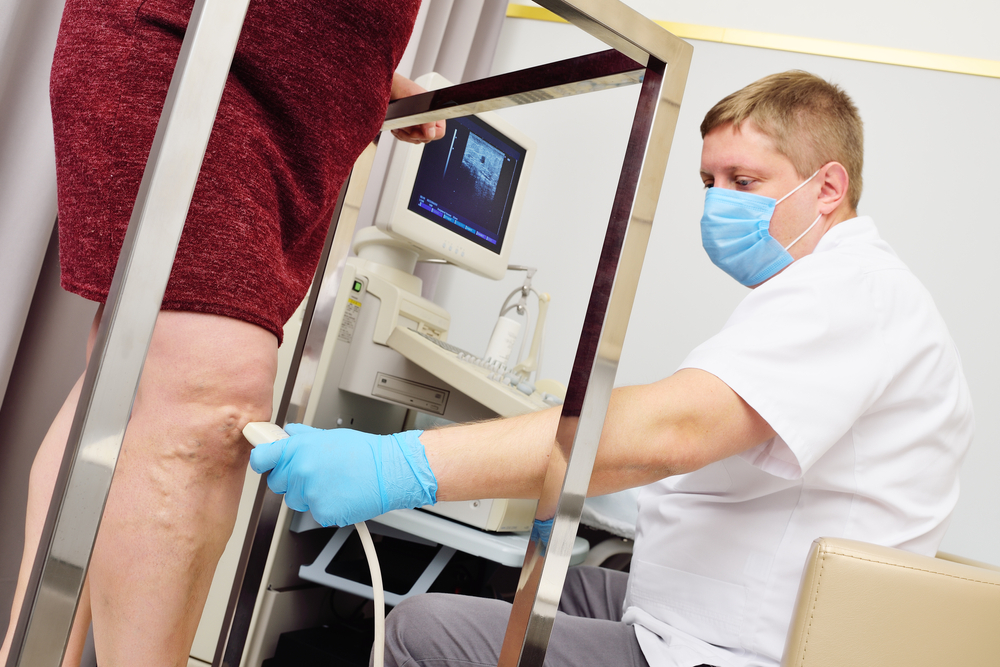
The cornerstone of modern vein diagnosis is the duplex ultrasound examination. This is a non-invasive, painless test that uses sound waves to create a real-time map of your veins. It allows the specialist to:
- Visualize Blood Flow: The “duplex” part of the name refers to its two functions: creating an image of the vein structure and simultaneously measuring the speed and direction of blood flow within it.
- Identify Venous Reflux: By observing the blood flow as they gently squeeze your calf, the specialist can see if blood is flowing backward (refluxing) through faulty valves. This is the primary cause of varicose veins and other symptoms.
- Map the Venous System: The ultrasound creates a detailed map of your superficial and deep veins, identifying the specific veins that are diseased and need treatment. This map is essential for planning a precise and effective procedure.
- Rule Out Other Conditions: An ultrasound can also help rule out other potential causes of leg pain and swelling, such as a deep vein thrombosis (DVT), which is a blood clot in a deep vein that requires immediate medical attention.
A top-tier vein clinic will have its own in-house vascular laboratory with registered vascular technologists (RVTs) who specialize in performing these exams. When the specialist who will perform your treatment is directly involved in interpreting your ultrasound, it ensures the most accurate and personalized treatment plan.
Mastery of a Full Range of Modern Treatments
The field of vein treatment has evolved dramatically. The painful, hospital-based vein stripping surgeries of the past have been replaced by highly effective, minimally invasive procedures that can be performed in a comfortable office setting with little to no downtime. A qualified vein specialist must be proficient in all of these modern techniques to offer you the best possible solution for your unique condition. Find out what to expect from the modern vein treatments available in Manhattan.
A specialist who only offers one type of treatment may try to fit every patient to that single solution, which may not be the most appropriate approach. A true expert has a full toolbox and customizes the treatment plan to the patient.
Key Minimally Invasive Procedures
A qualified varicose vein doctor in Manhattan should be an expert in the following state-of-the-art treatments:
- Endovenous Thermal Ablation (EVTA): This is the gold-standard treatment for incompetent saphenous veins, the large superficial veins that are often the root cause of varicose veins. The procedure involves inserting a thin catheter into the diseased vein under ultrasound guidance. Heat, delivered either by a laser (EVLT – Endovenous Laser Therapy) or radiofrequency energy (RFA – Radiofrequency Ablation), is used to seal the vein shut. The body then naturally reroutes blood flow to healthy veins. This is a highly effective, office-based procedure with a quick recovery.
- Sclerotherapy: This is the preferred treatment for spider veins and smaller varicose veins. A specialized solution, called a sclerosant, is injected directly into the vein. The solution irritates the lining of the vein, causing it to collapse, stick together, and eventually be absorbed by the body. For deeper or more complex veins, the specialist may use ultrasound-guided sclerotherapy to ensure the medication is delivered with pinpoint accuracy.
- Ambulatory Phlebectomy: This technique is used to remove large, bulging varicose veins that are close to the skin’s surface. The specialist makes tiny micro-incisions (so small they often don’t require stitches) and uses a small hook to remove the problematic vein segment by segment. It provides immediate cosmetic improvement and is often performed in conjunction with EVLT.
- Combination Therapy: The most qualified specialists understand that the best results often come from a combination of treatments. A patient might first have an EVLT procedure to close the underlying source vein and then return for sclerotherapy or ambulatory phlebectomy to eliminate the remaining surface veins. This comprehensive approach addresses the entire problem, from the root cause to the visible symptoms.
A specialist’s ability to expertly perform and combine these treatments is a hallmark of their qualification and commitment to providing the best vein care treatment in Manhattan.
Evaluating the Doctor and the Practice
Once you have identified a specialist with the right credentials and experience, the final step is to evaluate them on a personal level during your consultation. The quality of the patient experience is just as important as the medical expertise. Read more about what sets Fox Vein and Vascular apart and why patient experience matters.
Questions to Ask During Your Consultation
Your initial consultation is your opportunity to interview the doctor and their team. A qualified specialist will welcome your questions and provide clear, honest answers. Come prepared with a list:
- About Their Qualifications: “Are you a board-certified vascular surgeon?” “How many vein procedures like the one you are recommending for me do you perform each year?”
- About Your Diagnosis: “Based on my ultrasound, what is the specific cause of my vein symptoms?” “Can you show me on the screen where the problem is?”
- About Your Treatment Plan: “Why are you recommending this specific procedure for me?” “What are the alternatives?” “What are the success rates for this treatment?” “What are the potential risks or side effects?”
- About the Experience: “Will the procedure be performed here in the office?” “What kind of anesthesia or sedation is used?” “What can I expect during recovery?” “How many follow-up visits will I need?”
- About the Clinic: “Is your vascular lab accredited?” “Does your staff have experience with insurance pre-authorizations?”
Pay close attention not just to what they say, but how they say it. Do you feel rushed? Are your concerns dismissed? Or does the doctor take the time to educate you and make you feel like a partner in your own care?
Red Flags to Watch For
While searching for the best vein specialist in Manhattan, be wary of certain red flags:
- High-Pressure Sales Tactics: A medical consultation should be about health, not sales. Be cautious of clinics that pressure you to book a procedure on the spot or offer “limited-time deals.”
- Vague or Evasive Answers: A qualified specialist should be able to answer your questions about their credentials, experience, and recommended treatments directly and confidently.
- A “One-Size-Fits-All” Approach: If a clinic seems to push the same exact procedure on every patient, they may not be offering truly personalized care.
- Lack of a Thorough Initial Exam: A proper consultation must include a detailed medical history, a physical exam, and, in most cases, a duplex ultrasound. A doctor who recommends treatment without this comprehensive evaluation is not following the standard of care.
The Fox Vein and Vascular Difference
Choosing a qualified vein specialist is the most important decision you will make on your journey to healthier veins. At Fox Vein and Vascular, you will find a practice that embodies all the qualities of a top-tier vein center. Led by Dr. David Fox, a board-certified vascular surgeon with decades of dedicated experience, the clinic is committed to providing the highest standard of patient care.
Our approach is built on a foundation of expert diagnosis using our state-of-the-art in-office vascular laboratory. We offer a full spectrum of advanced, minimally invasive treatments, including EVLT, sclerotherapy, and ambulatory phlebectomy. Every treatment plan is meticulously customized to the individual patient’s needs to ensure optimal results.
Most importantly, we believe in a patient-first philosophy. We take the time to educate you about your condition and involve you in every decision. Our welcoming staff and comfortable environment are designed to make your experience as positive and stress-free as possible. When you choose Fox Vein and Vascular, you are choosing a partner in your long-term vascular health.
Leading Manhattan Vascular & Vein Specialist
At Fox Vein Care, we provide state-of-the-art vascular and venous treatments, combining advanced diagnostic technology with minimally invasive procedures that prioritize comfort, safety, and outstanding results.
Contact Us