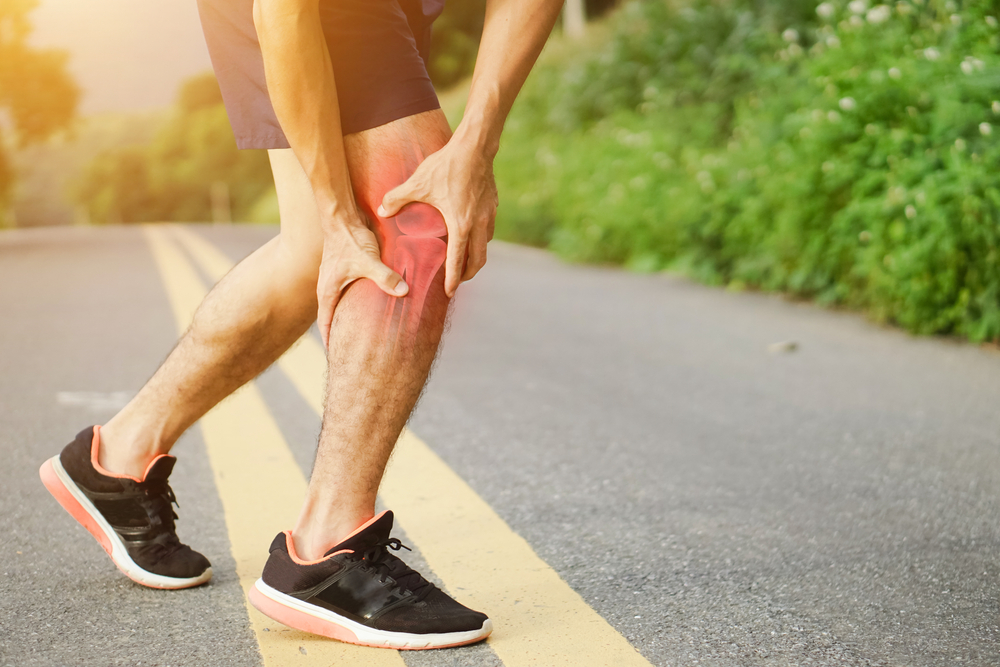
It starts innocently enough. You decide to take a walk around your neighborhood or hurry to catch a bus in Manhattan. Suddenly, a cramping pain grips your calf. It feels tight, heavy, perhaps even like a charley horse. You stop, rub your leg, and wait a few minutes. The pain fades away as if it never happened. You shrug it off, assuming you’re just a bit out of shape or dehydrated.
But then it happens again. And again. Over time, you notice a pattern: you can walk exactly two blocks before the pain strikes. Eventually, it becomes one block. Then, halfway down the street.
This consistent, exercise-induced leg pain has a name: claudication. It is not a sign of aging, nor is it a simple muscle cramp. It is the most common early warning sign of Peripheral Arterial Disease (PAD), a serious circulatory condition that affects millions of Americans. Ignoring claudication doesn’t just limit your mobility; it allows a progressive disease to worsen, potentially leading to critical complications like gangrene or amputation.
At Fox Vein and Vascular, we see claudication as a critical window of opportunity. It is your body’s way of sounding the alarm before permanent damage occurs. In this comprehensive guide, we will explore exactly what claudication is, how it progresses through stages, and why scheduling a PAD evaluation in Manhattan with Dr. David Fox could be the most important step you take for your vascular health.
What Is Claudication?
Claudication (technically called intermittent claudication) is pain caused by too little blood flow to your muscles during exercise. The word comes from the Latin claudicare, meaning “to limp”—which is exactly what this condition forces many patients to do.
While claudication can technically occur in the arms, it is overwhelmingly found in the legs. It affects the muscle groups that are working the hardest during walking: the calves, thighs, hips, or buttocks.
The Mechanism: Supply vs. Demand
To understand claudication, you have to understand the basic mechanics of your circulatory system. Your arteries are the highways that deliver oxygen-rich blood from your heart to your limbs. When you are resting, your leg muscles don’t require a massive amount of fuel (oxygen). Even if your arteries are narrowed by atherosclerosis (plaque buildup), the trickle of blood getting through is usually sufficient to keep the tissue happy at rest.
However, as soon as you start walking, your muscles act like engines revving up. They demand significantly more oxygen to function. In a healthy person, the arteries dilate to deliver this extra blood. But in a person with Peripheral Arterial Disease (PAD), the arteries are stiff and narrowed by cholesterol and calcium deposits. They cannot deliver the increased volume of blood the muscles need.
This supply-demand mismatch causes ischemia—a localized lack of oxygen. The muscles begin to starve, leading to the buildup of lactic acid and other metabolic waste products. This manifests as the cramping pain known as leg pain when walking (claudication).
The “Angina” of the Legs
Cardiologists often explain claudication as “angina of the legs.” Just as a blocked heart artery causes chest pain when you exert yourself (angina), a blocked leg artery causes leg pain when you walk. This parallel is important because if you have claudication, you are at a much higher risk for heart attack and stroke. It is a systemic signal that your vascular health needs attention.
Symptoms: How to Identify Claudication
Claudication is unique because it follows a very specific pattern. It is not a random ache that comes and goes; it is predictable. Recognizing this pattern is key to distinguishing it from arthritis or sciatica.
The Classic Pattern
- Exertion: The pain begins after walking a certain distance. This distance is often consistent (e.g., always after 200 yards).
- Symptoms: You experience cramping, aching, heaviness, fatigue, or burning.
- Relief: You stop walking and stand still.
- Recovery: The pain subsides completely within a few minutes of rest.
- Repeat: If you start walking again, the pain returns at roughly the same distance.
Where Does It Hurt?
The location of your pain gives Dr. Fox clues about where your blockage is located:
- Buttock and Hip Pain: Suggests blockages in the aorta or iliac arteries (the large vessels in your abdomen and pelvis). This may also be accompanied by erectile dysfunction in men.
- Thigh Pain: Suggests blockages in the femoral artery (the main artery of the thigh).
- Calf Pain: The most common location, suggesting blockages in the superficial femoral or popliteal arteries (around the knee).
- Foot Pain: Suggests blockages in the tibial or peroneal arteries (lower leg).
Beyond the Cramp
While pain is the primary symptom, claudication often comes with other signs of poor blood flow in legs:
- Leg fatigue or heaviness: Your legs feel like lead weights.
- Cold feet: One foot feels colder than the other.
- Skin changes: Shiny, hairless skin on the shins or toes.
- Weak pulses: You may not be able to find a pulse in your foot.
If you are experiencing these symptoms, you may be dealing with blocked leg arteries. It is crucial to consult a vascular specialist like Dr. Fox rather than assuming it is just muscular strain.
The Stages of PAD and Claudication
Peripheral Arterial Disease is a progressive condition. Doctors often use a classification system (like the Fontaine or Rutherford classifications) to stage the severity of the disease. Claudication represents the earlier, more manageable stages, but without treatment, it can advance dangerously.
Stage 1: Asymptomatic
At this stage, you may have significant plaque buildup in your arteries, but your body has compensated enough (or you aren’t active enough) to feel symptoms. However, a PAD screening Manhattan using an Ankle-Brachial Index (ABI) would still detect the blockage. This is why screening is vital for high-risk groups like smokers and diabetics.
Stage 2: Mild Claudication
You experience pain after walking a significant distance (e.g., more than two blocks). It is annoying but doesn’t severely impact your daily life. Many patients ignore this stage or simply stop taking long walks.
Stage 3: Moderate to Severe Claudication
The pain now starts after a very short distance—walking to the mailbox or even across the room. This is disabling. It limits your ability to work, socialize, or perform household chores. You are now experiencing a significant loss of independence. Your walking speed decreases, and you may find yourself avoiding movement altogether to prevent pain.
Stage 4: Ischemic Rest Pain
This is a critical turning point. The blood flow is now so restricted that your muscles cannot get enough oxygen even when you are sitting or lying in bed.
- Symptoms: Severe burning pain in the toes or forefoot, often worse at night. Gravity helps blood flow, so lying flat makes it worse. Patients often sleep in a recliner or dangle their leg off the side of the bed to get relief.
- Implication: This is no longer simple claudication; it is Critical Limb Ischemia (CLI). The tissue is in danger of dying.
Stage 5: Minor Tissue Loss
Non-healing sores or ulcers appear on the feet or toes. Because of the lack of blood flow, a tiny cut from trimming your toenails or a blister from a tight shoe turns into a leg ulcer or foot wound that refuses to heal.
Stage 6: Major Tissue Loss
This is the final stage. The tissue dies and turns black (gangrene). At this point, amputation prevention is the primary goal, but the risk of limb loss is extremely high.
The takeaway is clear: Don’t wait for Stage 4. Treating claudication at Stage 2 or 3 is much simpler, less invasive, and more effective.
Why Claudication Is Often Misdiagnosed
Despite being common, claudication is frequently missed. Why?
- “It’s Just Old Age”: Many patients—and some doctors—dismiss leg pain and slower walking as inevitable consequences of aging.
- Confusion with Arthritis: Osteoarthritis of the knee or hip causes pain with movement. However, arthritis pain often hurts when you start moving and persists or worsens the longer you stand. Claudication specifically forces you to stop and is relieved by standing still.
- Spinal Stenosis: Compression of the nerves in the back (neurogenic claudication) can mimic vascular claudication. The key difference is that neurogenic pain is often relieved by sitting or bending forward (like leaning on a shopping cart), whereas vascular claudication is relieved just by stopping, even if you remain standing.
- Silent Symptoms: Diabetics with neuropathy may not feel the pain as intensely because of nerve damage, masking the severity of the blockage until a diabetic foot ulcer/wound appears.
This confusion highlights the need for a specialized evaluation. Dr. Fox is an expert in differentiating between musculoskeletal issues and vascular disease. Interestingly, if your pain is determined to be knee osteoarthritis, Fox Vein and Vascular offers Genicular Artery Embolization (GAE), a minimally invasive knee pain treatment that can be an alternative to knee replacement.
Learn more about GAE knee pain treatment here.
How We Diagnose Claudication at Fox Vein Care
At our Manhattan facility, we don’t rely on guesswork. We use advanced technology to visualize your circulation and pinpoint the problem.
The Physical Exam
Dr. Fox will check for weak pulses in your groin, behind your knee, and on your feet. He will listen for “bruits”—whooshing sounds that indicate turbulent blood flow through a narrowed artery. He will also inspect your feet for color changes, hair loss, and skin temperature.
Ankle-Brachial Index (ABI)
This is the first test for PAD diagnosis. We place blood pressure cuffs on your arms and ankles.
- Normal: The pressure in your ankle is the same or slightly higher than in your arm.
- PAD: The pressure in your ankle is lower (e.g., 50-90% of the arm pressure).
- Severe PAD: The ankle pressure is less than 50% of the arm pressure.
Duplex Ultrasound
This non-invasive test uses sound waves to create images of your arteries. It shows us exactly where the plaque is located and how fast the blood is moving. It helps us differentiate between a narrowed segment (stenosis) and a complete blockage (occlusion).
Angiography (CT, MR, or Catheter)
For detailed surgical planning, we may use angiography. This involves injecting a contrast dye into the arteries to make them visible on X-ray, CT, or MRI scans. It provides a “roadmap” of your vascular system, essential for planning angioplasty for PAD or other interventions.
Explore our diagnostic vascular lab.
Treatment Options for Claudication
The good news is that claudication is highly treatable. The goal of treatment is two-fold: prevent cardiovascular events (heart attack/stroke) and improve your ability to walk (limb preservation).
1. Lifestyle Modification: The Foundation
Before we talk about procedures, we talk about lifestyle. You can significantly improve claudication symptoms by addressing the root causes.
- Quit Smoking: This is non-negotiable. Smoking constricts arteries and accelerates plaque growth. Quitting is the single most effective way to stop the disease from progressing.
- Supervised Exercise Therapy: Surprisingly, the best treatment for walking pain is walking. A structured program where you walk until the pain is moderate, rest, and walk again helps your muscles become more efficient at using oxygen. It can also stimulate collateral circulation—the growth of tiny new vessels that bypass the blockage naturally.
- Diet and Medication: Controlling cholesterol, blood pressure, and diabetes is essential. Dr. Fox works with your primary care physician to ensure your medical management is optimized.
2. Minimally Invasive Revascularization
If lifestyle changes aren’t enough, or if the claudication is severely limiting your life, Dr. Fox offers minimally invasive treatment options for PAD. These are performed in our outpatient center without the need for a hospital stay or general anesthesia.
- Balloon Angioplasty: Dr. Fox threads a thin catheter into the blocked artery. A tiny balloon at the tip is inflated, pushing the plaque against the artery wall and widening the channel.
- Stenting: Often combined with angioplasty, a stent is a small metal mesh tube that acts as a scaffold to keep the artery open long-term.
- Atherectomy Procedure: This advanced technique uses a catheter equipped with a laser or tiny blade to shave away or vaporize the plaque. It essentially “cleans out” the pipe. It is particularly useful for calcified plaque that doesn’t respond well to balloons alone.
3. Limb Salvage for Advanced Cases
If your claudication has progressed to rest pain or ulcers, aggressive treatment is needed to save the leg. Dr. Fox specializes in limb salvage techniques, targeting even the small vessels below the knee to restore flow to a non-healing wound/ulcer of toe, leg, foot.
See our full range of minimally invasive treatments.
When Should You See a Doctor?
You should schedule a consultation with a Manhattan vascular surgeon if:
- You experience leg pain, cramping, or heaviness when walking that goes away with rest.
- You have noticed a decrease in your walking speed or distance.
- You have foot pain at night that disrupts your sleep.
- You have a sore on your foot or leg that hasn’t healed after two weeks.
- You have risk factors (diabetes, smoking, over age 60) and any leg symptoms.
Don’t let claudication shrink your world. Many patients assume they have to live with the pain, but modern vascular care can restore your mobility and get you back to the activities you love.
Conclusion: Take the First Step Toward Relief
Claudication is a warning light on your body’s dashboard. It is telling you that your circulation is compromised and that your heart and brain may be at risk too. By recognizing the symptoms early and seeking expert care, you can prevent the progression to gangrene and avoid the tragedy of amputation.
At Fox Vein and Vascular, we provide comprehensive, compassionate care for patients across the 5 Boroughs, Nassau, Suffolk, South Western Ct., and North East NJ. From accurate PAD screening Manhattan to advanced atherectomy and stenting, Dr. David Fox is dedicated to keeping New York moving.
If walking has become a struggle, let us help you find your stride again.
Schedule your PAD evaluation today.
Fox Vein and Vascular – Manhattan, NY
📍 1041 Third Avenue, New York, NY 10065
📞 (212) 362-3470
🌐 foxvein.com
Note: This content is for informational purposes and does not constitute medical advice. Always consult a healthcare professional for diagnosis and treatment.
Leading Manhattan Vascular & Vein Specialist
At Fox Vein Care, we provide state-of-the-art vascular and venous treatments, combining advanced diagnostic technology with minimally invasive procedures that prioritize comfort, safety, and outstanding results.
Contact Us